BAE Systems Tests New Space Telescope Optics
Astrid Berg
14 Jun 2026·7m·💬 0

A partnership with BAE Systems has advanced a new UC San Diego metasurface component to simplify solar space observations.

How the new SpaceX AI potential is shifting focus from NASA lunar missions to lucrative orbital data center contracts.
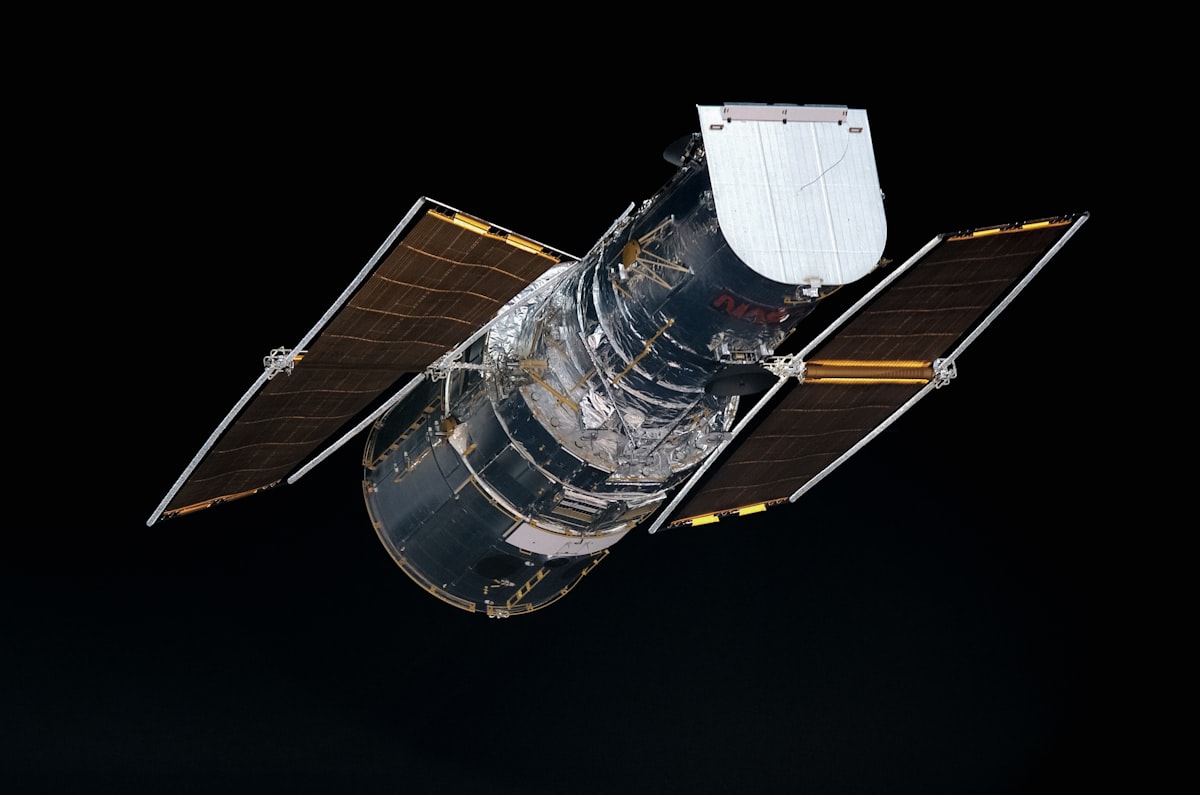
A proposed mission called REMORA could use a swarm of autonomous CubeSats to tag and track near-Earth asteroids.

New research shows Russian satellites have been causing brief GPS interference. Here is what this means for your navigation.

Could the universe be part of an eternal cycle? We explore the ekpyrotic universe theory and its bouncing branes.

High-frequency satellite imagery and AI analytics are transforming how agencies observe and respond to dynamic border zones.
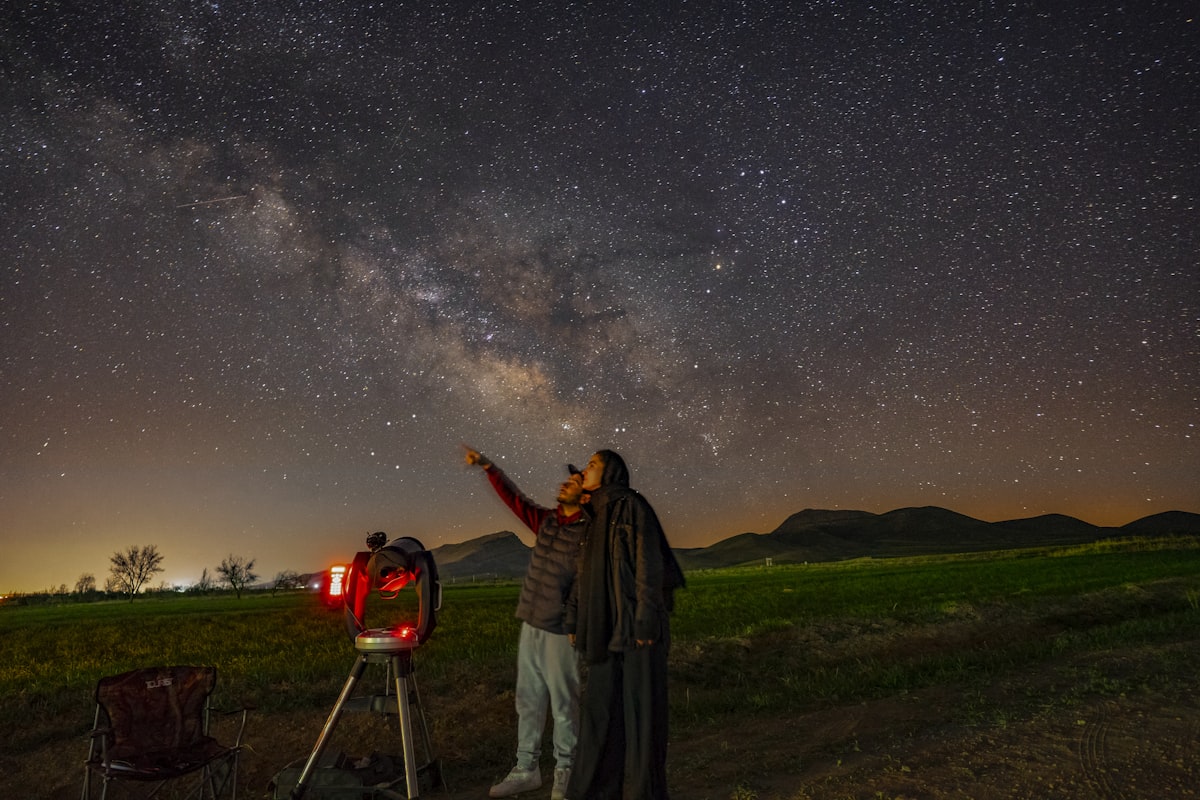
SpaceX Dragon Safe Haven was ordered for crew on June 5 as cosmonauts worked on a persistent air leak. Here's what it means for space station safety and your view of lifeboats.
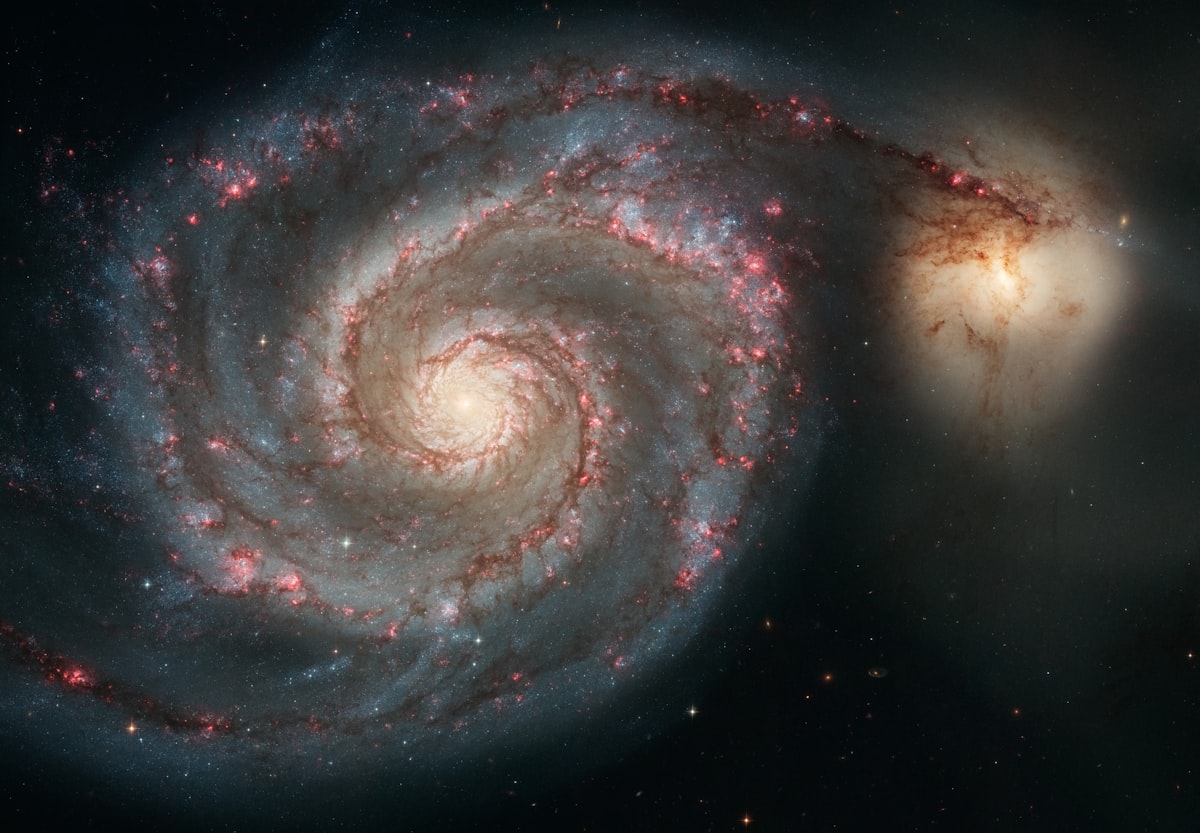
SPHERE instrument observations show AB Aurigae disk rotation with unexpected motions, hinting at newborn planets and accretion zones within the young star system.

The sudden failure of NASA's MAVEN orbiter exposes the fragility of an aging Mars relay network and adds urgency to the agency's plan for a commercially built Commercial Mars Telecommunications Network by the 2030s.
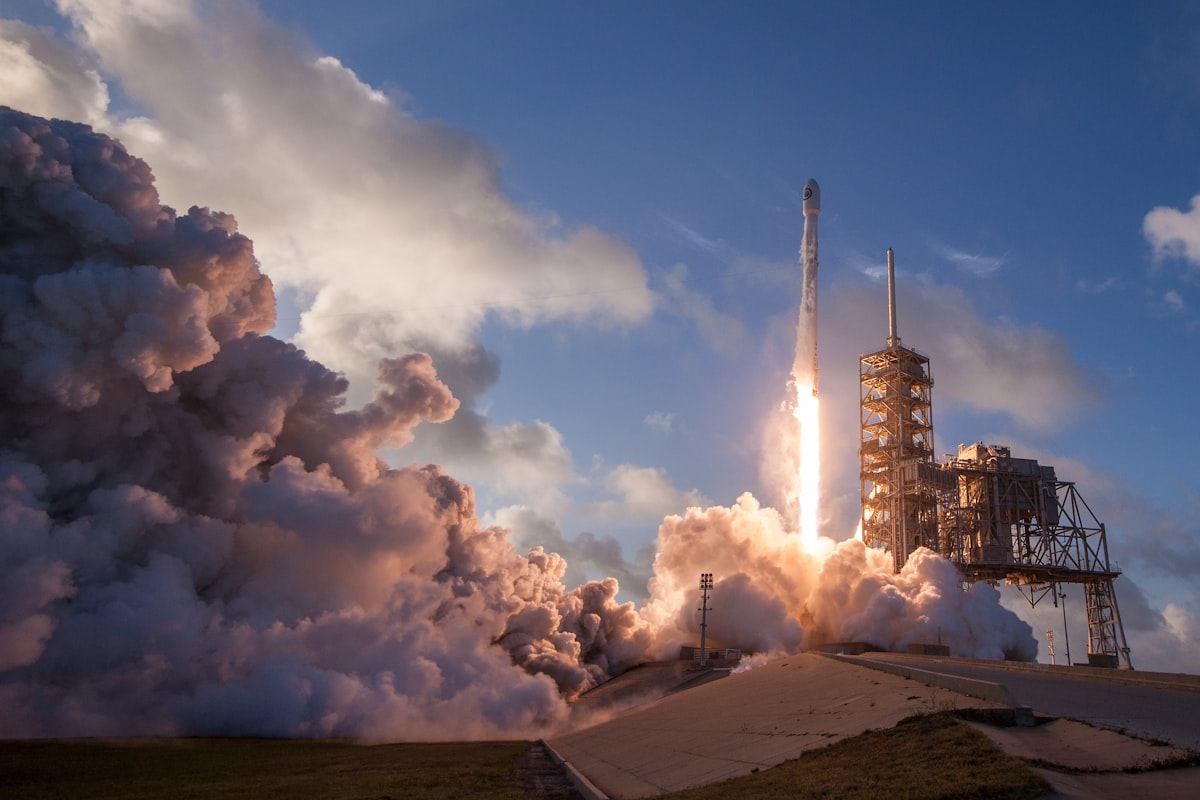
Massive quiescent galaxies in the early universe stopped forming stars after a dusty star-forming phase, with major mergers driving supernova and AGN feedback to quench star formation.
China's Long March 12B rocket launched unexpectedly from the Gobi Desert, carrying Qianfan satellites into orbit.

Occator crater on Ceres reveals the dwarf planet's surface is far more complex, with steep slopes and subsurface brines.