Inside Blue Origin's New Glenn recovery Strategy
Why the New Glenn recovery strategy involves skipping a transporter-erector and using cranes to return to flight.
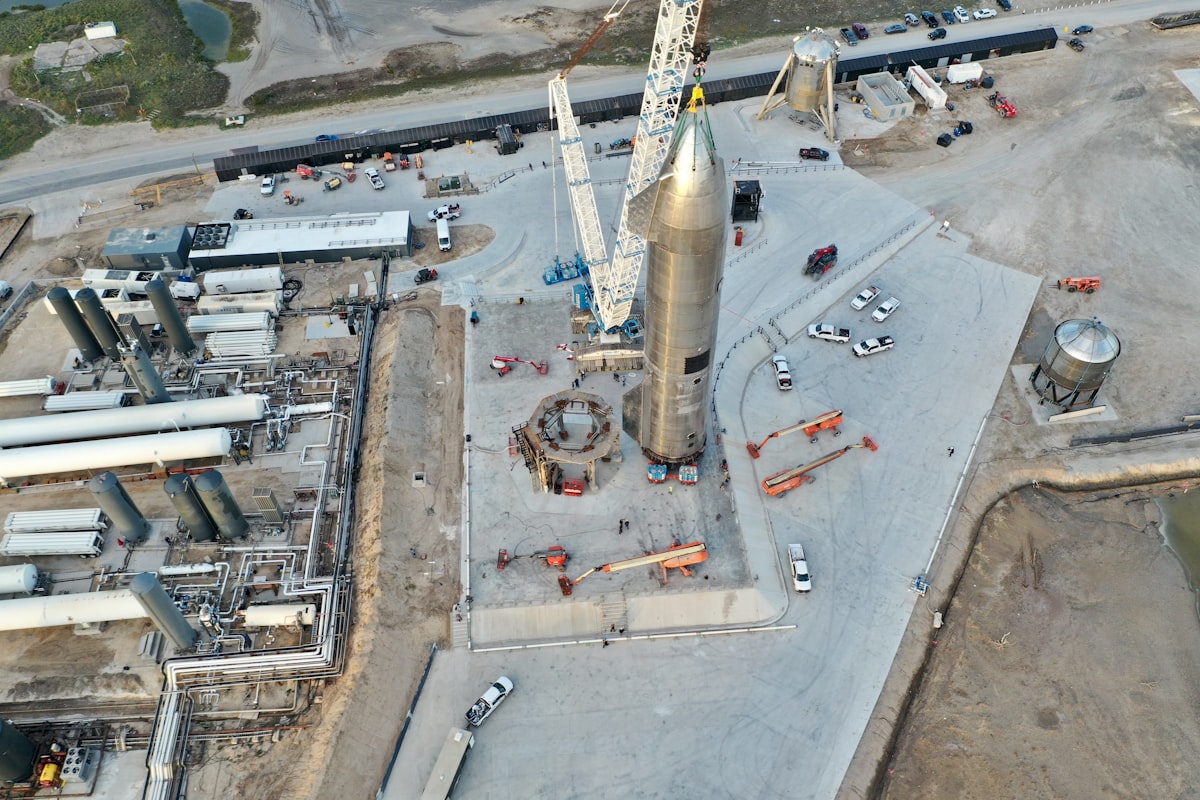
New Glenn recovery strategies now drive Blue Origin's operational timeline. It's a tough rebuild. The company is trying to rebuild its launch infrastructure after a major setback, and the incident on May 28 destroyed the only operational launch pad at Launch Complex 36A with an anomaly during a test firing. That disruption forced a complete reassessment of how the organization prepares its heavy-lift vehicle for flight. Industry watchers will recognize it's no longer just about engineering a rocket. So the path forward is about reinventing the physical logistics of the launch site itself to meet demanding schedules.
This move sits within a broader pattern of aerospace organizations balancing rapid recovery with extreme technical oversight. But the pressure is immense. When an anomaly occurs, the typical aerospace response involves long periods of investigation and rebuilding, yet this system's integration into larger national space initiatives has forced a much faster, more urgent timeline. Representatives from both NASA and the US Space Force have been deeply involved in the planning and recovery work. The presence of these federal entities indicates that the recovery timeline is a matter of national strategic interest, directly affecting upcoming exploration timelines. It's a critical moment.
Infrastructure compromises accelerate return to flight
The test anomaly didn't just damage the rocket. It destroyed critical infrastructure, taking out the lightning tower at the launch site along with the massive transporter-erector, which is the specialized system used to move the rocket from the integration hangar and lift it vertically. Rebuilding these massive structures under traditional methods would prevent any launch in the near term. And the calculation is straightforward when you strip away the marketing. To fly quickly, the company must bypass traditional infrastructure altogether.
It's a risky bet. From a competitive standpoint, the company has chosen to abandon the reconstruction of the original transporter-erector system, and the recovery strategy now relies on a completely different mechanical approach to vehicle integration instead. So this new operational path involves the following adjustments:
- Skipping the construction of a new transporter-erector to save critical months.
- Utilizing a massive crane to lift the integrated first and second stages directly onto the launch mount.
- Assembling the payload fairing atop the vehicle using the crane after pre-flight testing is completed on the pad.
- Focusing rebuilding efforts strictly on the core elements of Launch Complex 36A.
Federal partnerships dictate launch timeline pressure
NASA has a massive stake in how this recovery unfolds. But it's a high-stakes environment. The space agency is relying on the company's Mk. 1 lander to carry dozens of cargo missions to the Moon, and its Mk. 2 lander to eventually carry human passengers to the lunar surface, so the New Glenn rocket is the primary vehicle designated to launch both of these landers. This connection ties the recovery directly to the schedule of the Artemis program, creating a situation where delays ripple through multiple federal programs.
The dual-path lunar strategy
Plan A is still the priority. It dictates that the first Mk. 1 mission, named Endurance, will launch on New Glenn to deliver two NASA science and technology payloads to the lunar surface for both the space agency and the developer. But the company is also developing a test version of the Mk. 2 lander for the Artemis III mission, which NASA hopes to launch during the second half of next year.
Assessing the alternative options
But there's a catch. Prudence demands that the space agency evaluate alternative launch options to protect its mission timelines, and if the recovery of the primary vehicle stalls, officials are prepared to look at other heavy-lift systems like the Falcon Heavy from SpaceX and the Vulcan rocket developed by United Launch Alliance. So this dual-tracking strategy ensures the lunar missions can proceed even if the primary launch vehicle remains grounded.
Executive leadership prioritizes data over speed
The deeper question is positioning. Blue Origin CEO Dave Limp said the company is investigating what caused the anomaly and rebuilding the pad at the same time. He noted the investigation is aided because the vehicle was packed with instruments, giving lots of data from multiple camera angles and sensors. But early analysis of this data points to the aft section of the first stage as the location of the failure. It's a clear lead.
"Blue Origin’s response to the situation is almost beyond impressive, and that’s not just a NASA assessment," said NASA Administrator Jared Isaacman, highlighting the progress being made at the launch site.
Jared Isaacman noted that the progress visible at the pad has made Plan A look much more viable than it did shortly after the May accident. But skeptics question this aggressive timeline. The company is still publicly aiming to complete the investigation, rebuild the pad, and launch its return-to-flight mission before the end of this year, and they've kept the original plan on the table for now with visible deployment of resources.
Diverging timelines shape the forward view
Read alongside recent announcements, the picture clarifies. But it's directly colliding with the scheduled windows for the early Artemis missions. Most independent analysts estimate that a 12- to 18-month timeline is the most realistic path for a complete return to flight, and this would push the launch deep into next year. The company's leadership is pushing for a launch before the end of the year. Independent observers are projecting a more conservative timeline.
NASA officials are closely watching the daily updates. But they've set a clear boundary for their patience. According to leadership, the agency has time into 2027 before the situation becomes critical, and if the recovery tracks toward mid-2027, it'll have severe implications for the uncrewed landers and the Artemis III mission. The coming months of pad reconstruction and crane-based testing will determine which of these timelines becomes reality.
Frequently Asked Questions
What specific infrastructure damage occurred during the May 28 test anomaly?
The anomaly destroyed the only operational launch pad at Launch Complex 36A, including the lightning tower and the massive transporter-erector system used to move and lift the rocket. This damage forced Blue Origin to abandon rebuilding the transporter-erector and adopt a new mechanical approach to vehicle integration.
How does Blue Origin's new recovery strategy bypass traditional infrastructure rebuilding?
Instead of constructing a new transporter-erector, the company will use a massive crane to lift the integrated first and second stages directly onto the launch mount. The payload fairing will also be assembled atop the vehicle using the crane after pre-flight testing on the pad.
Why does NASA have a significant stake in Blue Origin's New Glenn recovery timeline?
NASA relies on Blue Origin's Mk. 1 and Mk. 2 landers for lunar cargo and crew missions under the Artemis program, and New Glenn is the primary vehicle designated to launch both landers. Delays in New Glenn's recovery would directly affect NASA's schedule for the Endurance mission and the Artemis III mission.
When does Blue Origin aim to complete its return-to-flight mission, and what do independent analysts predict?
Blue Origin is publicly aiming to launch its return-to-flight mission before the end of this year. However, independent analysts estimate a more realistic timeline of 12 to 18 months, which would push the launch deep into the following year.
Who from the government has been involved in planning the recovery, and what alternative launch options are being considered?
Representatives from NASA and the US Space Force have been deeply involved in the planning and recovery work. If New Glenn's recovery stalls, NASA is prepared to evaluate alternative heavy-lift systems such as SpaceX's Falcon Heavy and United Launch Alliance's Vulcan rocket.

Arthur Vance writes about astronomy and space exploration, covering the discoveries that expand our view of the cosmos. He enjoys connecting distant science to the questions we ask here on Earth.
💬 Comments (0)
No comments yet. Be the first!