Extreme marine heatwave: What it means for you
As parts of the UK face an extreme marine heatwave, here is what this warming trend means for your local environment and seafood.
Extreme marine heatwave: What it means for you
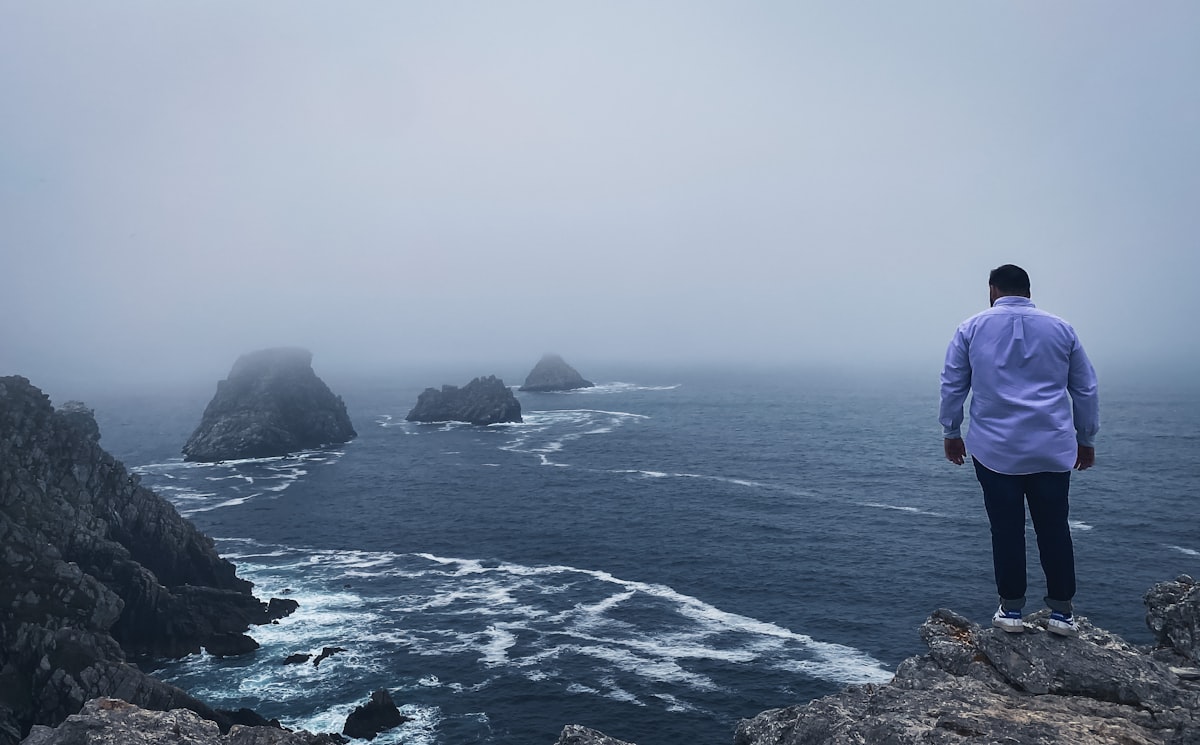
Extreme marine heatwave conditions are currently developing around parts of the UK. This shift in our ocean temperatures is worth your attention if you spend time near the coast, work in the fishing industry, or simply care about local biodiversity, and the impact could hit harder than you think. We've seen nothing like it.
The situation is unfolding rapidly. But recent data from the Met Office shows that certain pockets off the coast of Brittany have already hit extreme conditions, and projections suggest this trend will strengthen and expand toward the UK coastline in the coming days. Sea temperatures are climbing. They're currently between 4 and 5 degrees Celsius above average in some regions.
Why the sea is heating up
Let me unpack the mechanics behind this surge. But it's not just a simple heatwave. The recent spike follows a period where high-pressure systems, known as heat domes, parked themselves over Europe throughout May and June, trapping heat and forcing air temperatures to record levels.
This heat eventually transferred into the water. It's a simple process. Because parts of the English Channel and the southern North Sea are relatively shallow, they don't take long to warm up once the air above them heats, and this is not just a one-off weather event either. But our oceans have been steadily warming since the 1980s due to climate change, making these intense spikes significantly more likely than they were in the past.
What this means for marine life
Wonder why a few degrees matter? It's all about the stress placed on underwater habitats like kelp forests and seagrasses, which are built for cooler environments. They can't survive. But when temperatures surge, these entire ecosystems struggle to keep going.
The consequences for the local food chain can be severe. Here is what we are seeing on the ground:
- Mass die-offs among seagrasses and certain shellfish.
- A decline in cool-water species like cod moving further north.
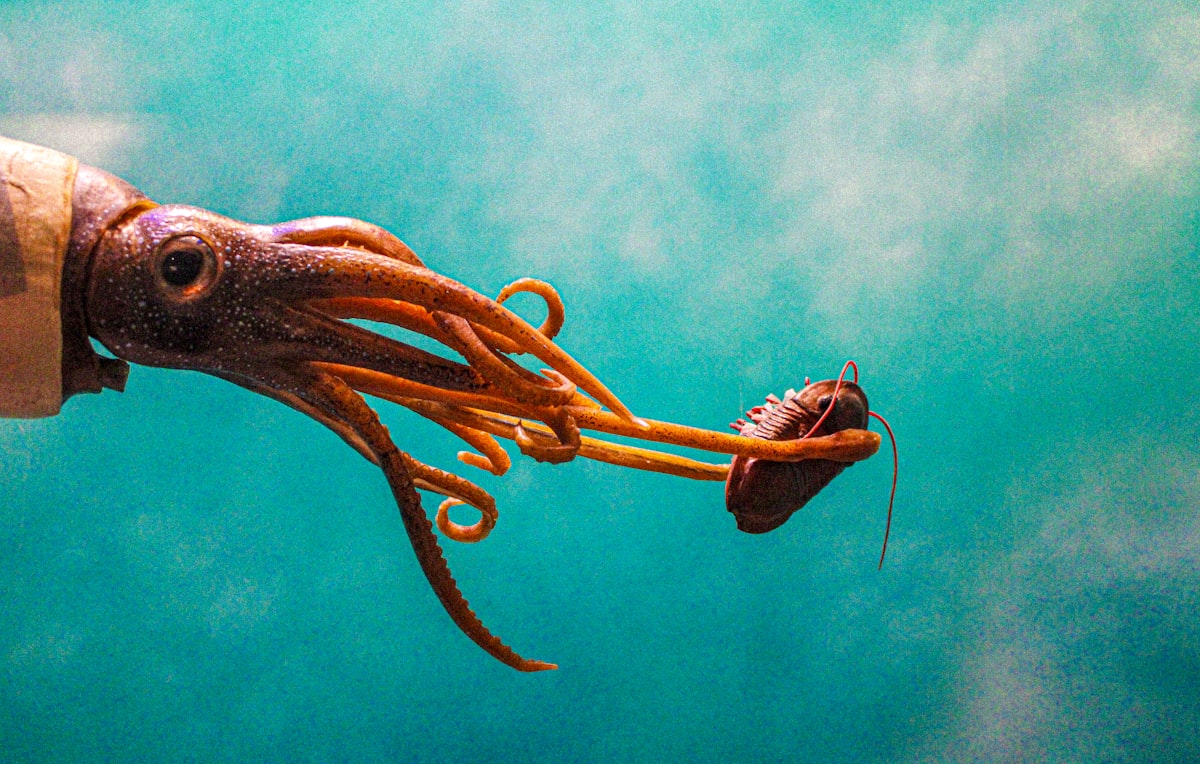
- An influx of warm-water creatures like octopus in the south.
- Potential displacement of native species by new arrivals.
Our waters are already changing. But seeing a new visitor like an octopus or an Atlantic bluefin tuna might seem interesting, and the long-term impact on native shellfish populations like crabs and lobsters is a major concern. It's a big problem.
The expert perspective
The danger is clear. These events are becoming more frequent and intense, and if we continue on this path without substantial change, today's extreme events could eventually become the new normal. But it doesn't have to be that way.
We are starting to see temperatures now that we would expect to see at the height of summer, at the end of August. So, if this event keeps coming, we might start seeing some serious impacts on ecological systems.
Dr. Zoe Jacobs of the National Oceanography Centre in Southampton made that observation. It highlights a stark reality. We're hitting summer heat levels far earlier than the calendar would suggest, and that's the truth of a warming ocean we cannot ignore.
What to expect in the coming weeks
Is there a silver lining? Some might point to new market opportunities for fishermen as octopus numbers rise, but the costs to existing shellfish industries are steep. It's a dangerous shift. Prof. Matt Frost of the Plymouth Marine Laboratory warns that this transition brings more than just new faces to the water, and it can bring disease and major disruption to established ecological balances.
We're staring down a future where these marine heatwave conditions become the average by the middle or end of the century. It's a stark reality. But Dr. Ségolène Berthou of the Met Office notes that this trajectory is tied directly to our greenhouse gas emissions.
Watch your local coastal reports this week. But the water's shifting now, and that change will ripple through our marine habitats, leaving effects we'll be tracking and managing across the entire ecosystem for a good while. It's a serious shift.
Frequently Asked Questions
What is an extreme marine heatwave and where is it currently developing?
An extreme marine heatwave is a period of abnormally high sea temperatures, currently developing around parts of the UK. According to the article, certain areas off the coast of Brittany have already reached extreme conditions, and the trend is expected to strengthen and expand toward the UK coastline.
Why are sea temperatures rising so rapidly in the UK's coastal waters?
The rapid rise is due to high-pressure systems called heat domes that parked over Europe in May and June, trapping heat and raising air temperatures to record levels, which then transferred into the water. Additionally, shallow areas like the English Channel and southern North Sea warm up quickly, and climate change has been steadily warming oceans since the 1980s, making these spikes more likely.
How does this marine heatwave affect marine life and ecosystems?
The heatwave stresses underwater habitats like kelp forests and seagrasses, which cannot survive in warmer conditions, leading to mass die-offs among seagrasses and shellfish. It also causes cool-water species like cod to move north and warm-water creatures like octopus to appear in the south, potentially displacing native species.
When are the most severe impacts expected, according to experts?
Dr. Zoe Jacobs of the National Oceanography Centre noted that temperatures are already at levels expected at the height of summer, at the end of August, suggesting impacts could occur sooner than usual. The article warns that if this event continues, serious impacts on ecological systems may start appearing in the coming weeks.
Who should be most concerned about this marine heatwave and why?
Anyone spending time near the coast, working in the fishing industry, or caring about local biodiversity should be concerned. The article highlights that while some fishermen might see new opportunities from rising octopus numbers, the costs to existing shellfish industries are steep, and the ecological disruption could be long-lasting.

Arthur Vance writes about astronomy and space exploration, covering the discoveries that expand our view of the cosmos. He enjoys connecting distant science to the questions we ask here on Earth.
💬 Comments (0)
No comments yet. Be the first!