How Black Holes Starve galaxy NGC 4151
Researchers studying galaxy NGC 4151 used XRISM to analyze energetic outflows that suppress star formation.
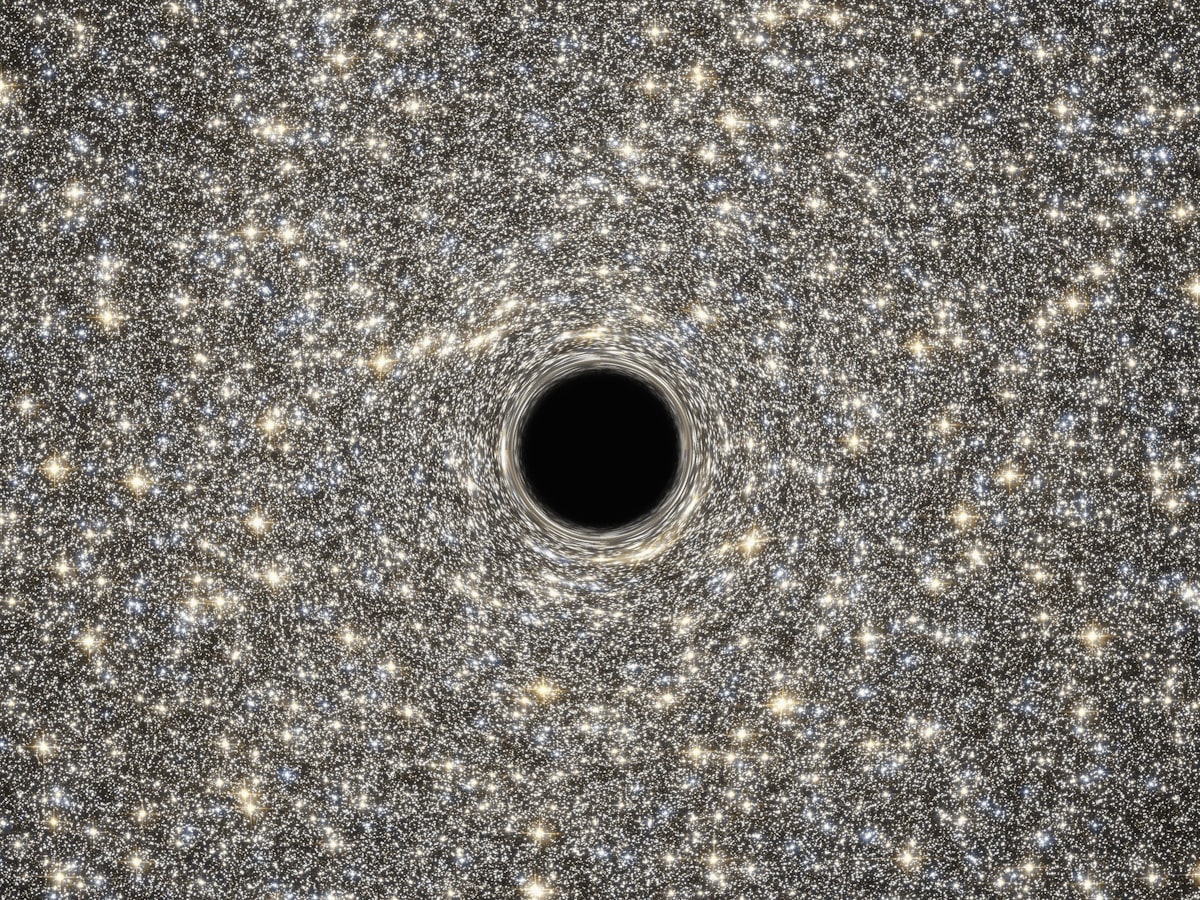
Galaxy NGC 4151 harbors a cosmic crisis at its core. A supermassive black hole is actively starving its host of the raw materials needed to birth new stars, and some of the most massive galaxies in the universe are missing a vast number of stars,a strange phenomenon given that creating stars is a primary function of a galaxy as it grows. But researchers believe these giant black holes are the primary culprits. They systematically suppress and quench starbirth by launching violent winds from their surrounding environments.
They turned to XRISM. To understand this destructive relationship, a team led by Xin "Cindy" Xiang of the University of Michigan used the X-Ray Imaging and Spectroscopy Mission to study the outflows streaming from the accretion disks of supermassive black holes. But these regions glow intensely in X-rays because of the incredibly high energies generated by the swirling matter. Depending on the strength of the winds blowing out from those disks, they can dramatically alter the surrounding galactic environment. It's a powerful force.
Resolving the fine details of cosmic winds
Astronomers struggled before this new tech. They couldn't see the fine structures of those galactic outflows. Previous instruments only revealed broad, blurry features of the escaping material, which left critical questions about how these winds are launched, when they launch, and what their physical geometry looks like completely unanswered. So researchers needed extremely high-resolution spectral data.
Supermassive black holes grow by pulling in surrounding gas, dust, and even entire stars that wander too close. So this material spirals inward, forming a highly energetic accretion disk where friction, gravity, and intense magnetic fields heat the gas to extreme temperatures, stripping electrons from atoms to create a boiling plasma. It's a cosmic cauldron. This turbulent environment flings powerful winds outward into the galaxy. But when these winds are strong enough, they push away the cold gas reservoirs that would otherwise collapse to form new stars.
Decoding the active galactic nucleus
It's an energetic process. Active galactic nuclei show this clearly, representing the active growth phases of supermassive black holes as they feed and release powerful radiation and winds that shape the evolution of their entire host galaxies. So this exact process is unfolding right now in the center of galaxy NGC 4151. The central black hole gorges on nearby matter.
"With XRISM, we have the greatest resolution observing the brightest AGN, and we’re getting the richest information on outflows that we have observed so far for an accretion disk," Xiang said.
The visual evidence of this process is striking. Images of galaxy NGC 4151 captured by the Hubble Space Telescope show vibrant blue regions of active starbirth out in the distant spiral arms, while the central core remains relatively barren and empty of young stars.
The timing of the stellar starvation
The violent winds don't blow constantly. To determine exactly when these outflows peak, Xiang analyzed hundreds of days of observations targeting galaxy NGC 4151, searching for peaks in X-ray brightness and monitoring whether the detected X-rays were hard or soft to correlate those states with wind strength. So she found a pattern.
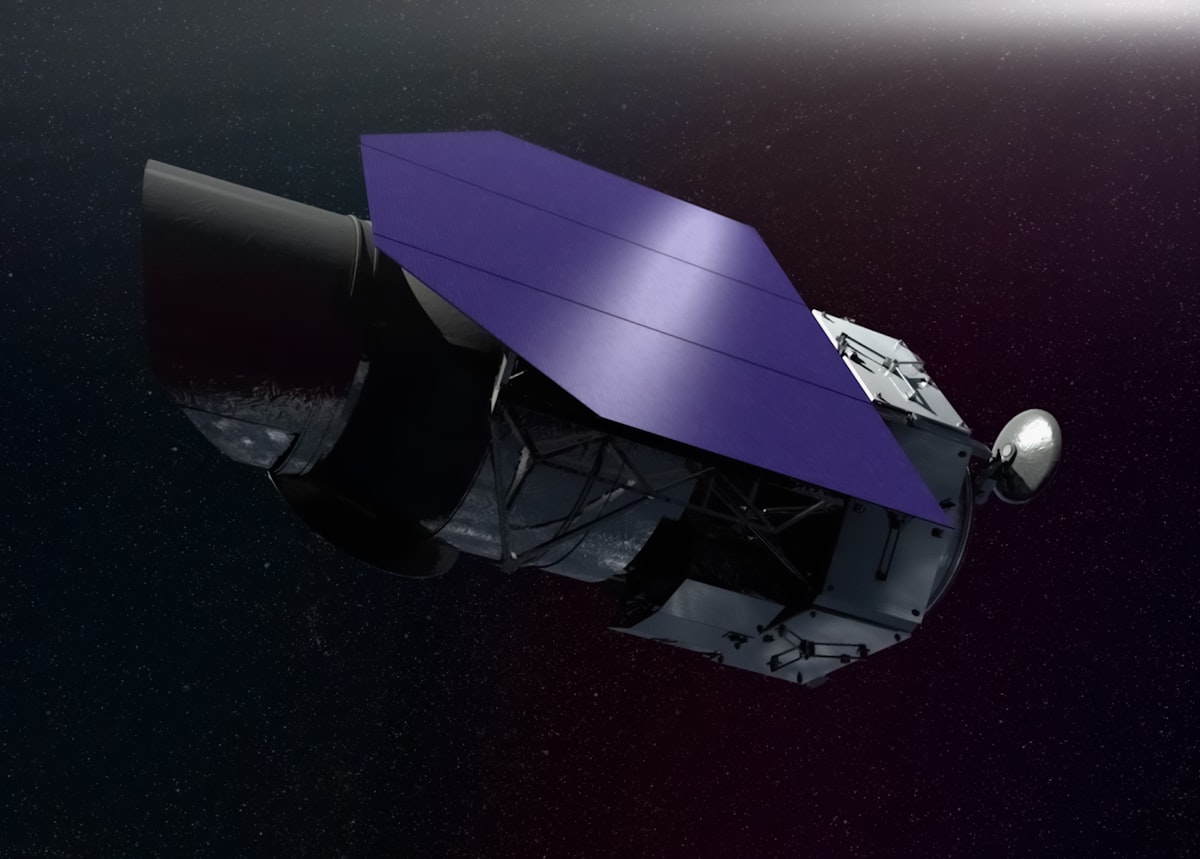
Xiang created a new metric to make sense of these variables. She nicknamed it cindicity, which is short for color intensity index, and it lets researchers calculate the probability of seeing a fast outflow based on the source's specific X-ray state at any given moment. But for galaxy NGC 4151, the data revealed a clear pattern.
- The fastest, most intense winds occur when the X-rays are hard but faint.
- These rapid winds are not observed during sudden flares.
- The peak outflows typically occur about 10,000 seconds, or just under three hours, after the specific X-ray state, establishing the first direct timing link.
This short delay is a critical link for astronomers trying to map the behavior of active galactic nuclei. But it's more than just a number. It shows a direct physical connection between the inner workings of the accretion disk and the massive outflows that despoil the surrounding galaxy, tying two distant cosmic processes into a single, coherent story.
How black holes stop star formation
The physical consequences of these disk winds are devastating. They sweep through the galaxy, physically pushing the star-making gas away and scattering it into the outer reaches of the galaxy or entirely into intergalactic space. But once the gas is dispersed, it can't reach the density required to collapse under gravity and form stars. It's a brutal process.
Destruction of star-making gas
Winds shred the gas molecules. They don't just move the gas; they render it useless for starbirth by breaking it apart, and the black hole itself actively consumes the gas, permanently removing those raw materials from the galaxy entirely. So through this combination of dispersal, molecular destruction, and consumption, galaxy NGC 4151 loses its ability to grow via new star generation.
They identified multiple distinct types of disk winds in the outflows of galaxy NGC 4151. All of these observed outflows had mass loss rates equal to or greater than the rate at which the black hole was pulling matter in, proving that they're highly efficient at clearing out the galaxy's gas. But the proof is clear. These detailed measurements will help astronomers predict similar outflows in other distant galaxies, improving our understanding of how active galactic nuclei shape the universe.
Frequently Asked Questions
What is happening to star formation in galaxy NGC 4151?
A supermassive black hole at the center of galaxy NGC 4151 is actively starving the galaxy of raw materials needed to birth new stars. The black hole launches violent winds that push away cold gas reservoirs, preventing them from collapsing to form stars.
Why do researchers believe supermassive black holes suppress starbirth in galaxies like NGC 4151?
Researchers believe supermassive black holes systematically suppress starbirth by launching violent winds from their surrounding accretion disks. These winds push away cold gas, break it apart, and the black hole consumes the gas, permanently removing star-making materials from the galaxy.
How did Xin 'Cindy' Xiang use XRISM to study the outflows from galaxy NGC 4151?
Xiang used XRISM to observe the outflows streaming from the accretion disk of the supermassive black hole in galaxy NGC 4151. XRISM provided the highest resolution observations of the brightest active galactic nucleus, revealing rich information on outflows that previous instruments could not capture.
When do the fastest, most intense winds occur in galaxy NGC 4151?
The fastest, most intense winds occur when the X-rays are hard but faint, not during sudden flares. These peak outflows typically occur about 10,000 seconds (just under three hours) after the specific X-ray state, establishing the first direct timing link.
Who led the team that studied the outflows in galaxy NGC 4151 using XRISM?
The team was led by Xin 'Cindy' Xiang of the University of Michigan. She used the X-Ray Imaging and Spectroscopy Mission (XRISM) to analyze the outflows and created a new metric called cindicity to calculate the probability of seeing a fast outflow based on the X-ray state.

Arthur Vance writes about astronomy and space exploration, covering the discoveries that expand our view of the cosmos. He enjoys connecting distant science to the questions we ask here on Earth.
💬 Comments (0)
No comments yet. Be the first!