Zhuque-2E Breakup Tests Space Debris Safety
LandSpace's Zhuque-2E breakup adds to growing orbital debris concerns near Starlink, highlighting industry-wide safety risks.

Zhuque-2E breakup reveals orbital hazards
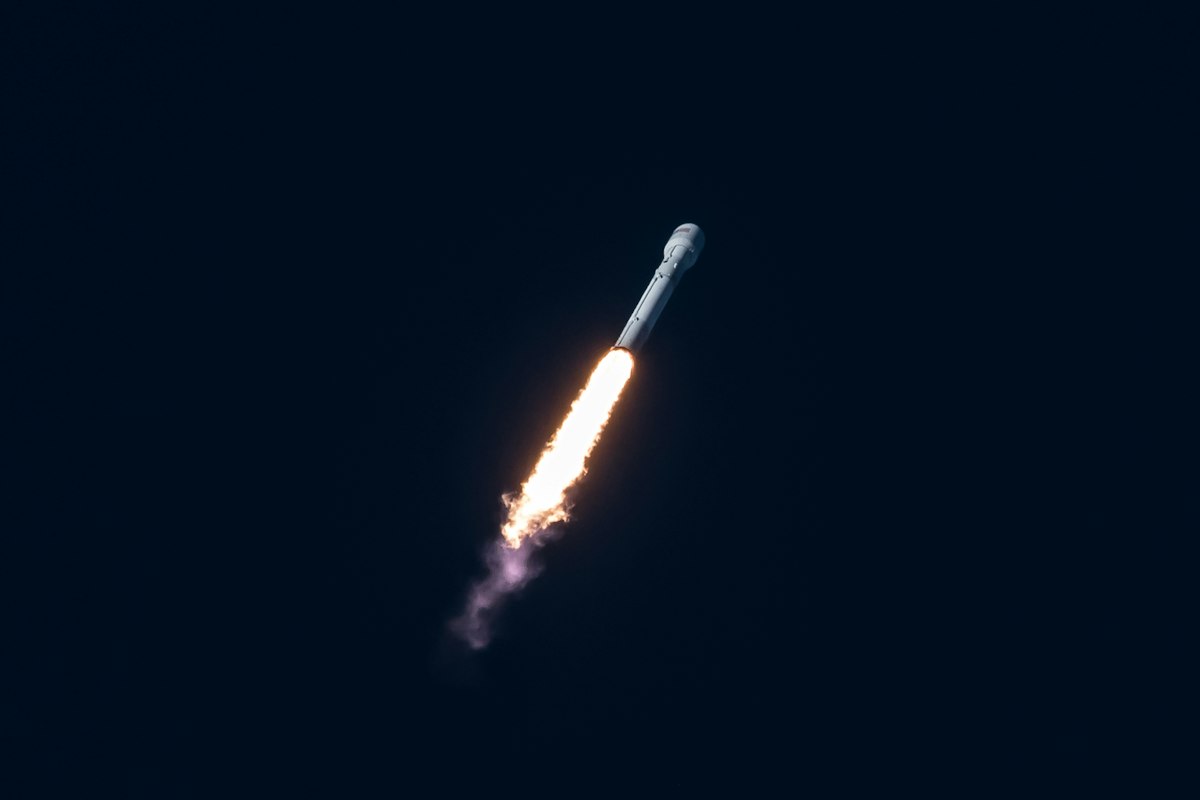
A structural failure hit the Zhuque-2E rocket hardware shortly after it reached orbit on June 9, and that created a debris cloud in a high-traffic region of low-Earth orbit. This event highlights the growing intersection of commercial launch activity with the safety of operational assets, including broadband constellations and human spaceflight missions. It's a quiet reminder. And while space-track.org confirmed the breakup, the physics of orbital debris remain unforgiving for new market entrants and established players alike.
Rising risks in lower orbits
The upper stage of LandSpace's vehicle failed its disposal burn. It fragmented instead. So that failure released between 100 and 150 pieces of debris into a volatile corridor reaching altitudes of 208 to 263 miles, where aerodynamic drag will eventually pull the material back into the atmosphere, but the immediate presence of those fragments creates a period of elevated risk for nearby systems.
Infrastructure in the path of debris
The debris sits dangerously close to active networks. It's a problem we can't ignore. But current data shows no threat to human spaceflight, even though these fragments pass through zones occupied by broadband satellites where new direct-to-device connectivity designs are especially vulnerable because they're flying at much lower altitudes. So the strategic concern isn't just the immediate collision risk , it's the sheer density of traffic in these specific orbital planes.
- The Zhuque-2E upper stage measured between 25 and 30 feet in length.
- The rocket body had a diameter of roughly 11 feet.
- The debris is currently orbiting at an inclination of 54.5 degrees.
- Most fragments are expected to reenter the atmosphere within months.
The broader pattern of rocket bodies
This event sits within a broader pattern of increasing orbital congestion linked to national space ambitions. It's a serious problem. As operators expand their launch cadences to build out megaconstellations, the management of spent upper stages becomes a critical operational metric. But the numbers are stark. While many nations have moved toward controlled reentries, the mass of Chinese rocket bodies in long-lived orbits has grown by more than 150 percent over the last five years. That's a huge jump. This shift suggests a departure from the historical trend where American and Russian debris contributions were either holding steady or declining.
Evaluating the safety trend
So rocket bodies are a dangerous class of space debris. Industry analysts have noted that their specific risk comes from sheer size and residual energy sources like high-pressure gases or unspent propellant, which can turn a large, unguided mass into a potential shrapnel field. A failure in these systems does that. And as Darren McKnight of LeoLabs explains, it's increasingly problematic.
Three of the top four breakup events in low-Earth orbit are of Chinese origin, with two of these events being from Chinese rocket body explosions in the last four years.
Strategic positioning of orbital assets
The deeper question is how launch providers manage the transition from payload delivery to post-mission disposal. But it's not optional anymore. The ability to reserve fuel for de-orbiting is now a standard competitive expectation for operators seeking to maintain a sustainable flight path, and moves like this typically signal a shift toward tighter scrutiny of launch hardware. That's a clear warning. If operators cannot guarantee the controlled removal of their upper stages, they risk increasing the difficulty of conducting future operations in the same orbital corridors.
Future paths for launch operations
The industry focus remains on the rapid deployment of new constellations. But the Zhuque-2E event forces a re-evaluation of the costs associated with that speed. Relying on aerodynamic drag as a cleanup mechanism is a fragile safety strategy. So future missions will likely face more pressure to adopt active disposal methods rather than relying on atmospheric reentry, and that shift will define whether operators can align their launch cadence with the realities of orbital maintenance. It's a tough challenge.
Frequently Asked Questions
What caused the Zhuque-2E breakup and when did it occur?
A structural failure hit the Zhuque-2E rocket hardware shortly after it reached orbit on June 9, causing the upper stage to fragment instead of completing its disposal burn. This failure released between 100 and 150 pieces of debris into a high-traffic region of low-Earth orbit.
Why is the Zhuque-2E debris particularly concerning for operational assets?
The debris sits dangerously close to active networks, including broadband satellites and human spaceflight missions, and passes through zones where direct-to-device connectivity designs are especially vulnerable due to their low altitudes. The immediate presence of fragments creates a period of elevated risk for nearby systems.
How does the Zhuque-2E breakup fit into the broader pattern of orbital debris?
This event sits within a broader pattern of increasing orbital congestion linked to national space ambitions, as the mass of Chinese rocket bodies in long-lived orbits has grown by more than 150 percent over the last five years. Three of the top four breakup events in low-Earth orbit are of Chinese origin, with two being from Chinese rocket body explosions in the last four years.
What is the expected reentry timeline for the Zhuque-2E debris fragments?
Most fragments are expected to reenter the atmosphere within months, as aerodynamic drag will eventually pull the material back to Earth. However, their immediate presence in a volatile corridor at altitudes of 208 to 263 miles creates a period of elevated risk for nearby systems.
What future operational change does the article suggest for launch providers?
Future missions will likely face more pressure to adopt active disposal methods rather than relying on atmospheric reentry, as relying on aerodynamic drag as a cleanup mechanism is a fragile safety strategy. Operators must guarantee the controlled removal of their upper stages to avoid increasing the difficulty of conducting future operations in the same orbital corridors.

Arthur Vance writes about astronomy and space exploration, covering the discoveries that expand our view of the cosmos. He enjoys connecting distant science to the questions we ask here on Earth.
💬 Comments (0)
No comments yet. Be the first!