SpaceX Nears Deal for Pecan Island
SpaceX is close to finalizing an agreement to acquire 130,000 acres at the Pecan Island site in southern Louisiana.

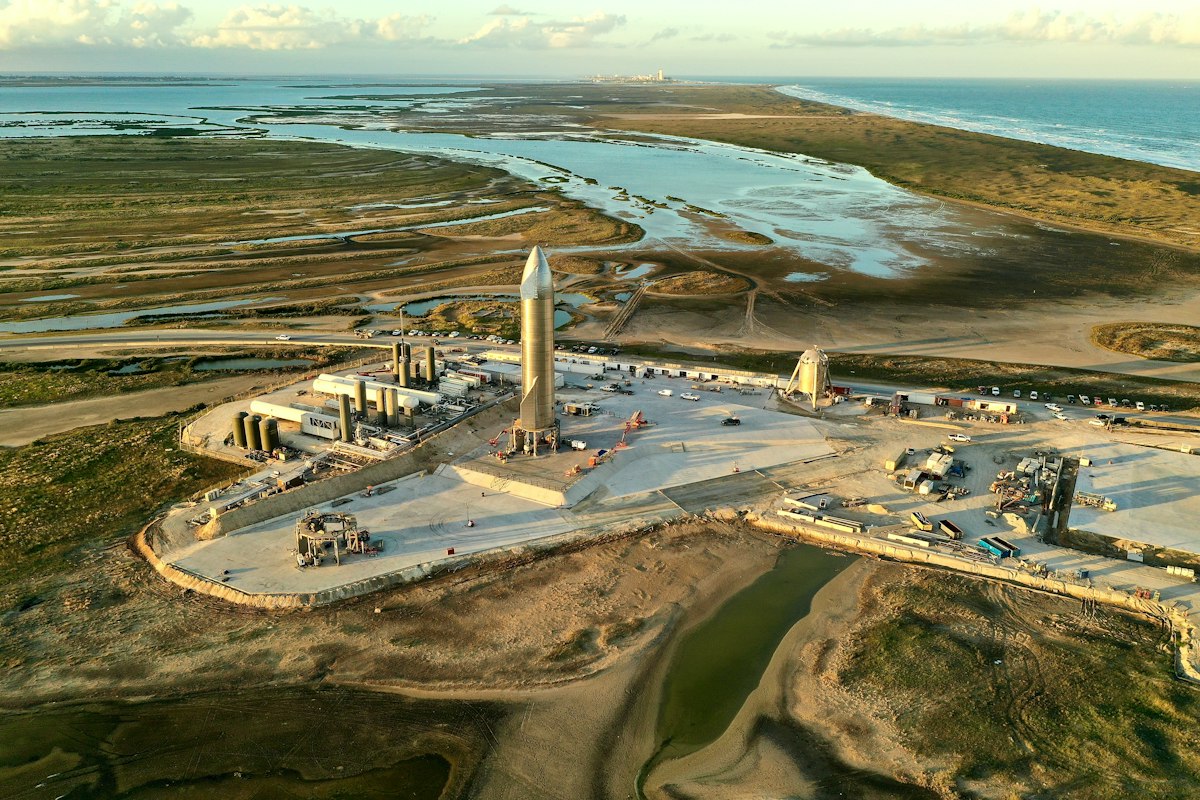
Pecan Island is a remote stretch of marshland in southern Louisiana. It's now the center of a major land acquisition negotiation between SpaceX and state officials, a deal that's been rumored for months and would grant the aerospace company control over an 18-mile stretch of marshland southwest of Lafayette. That's roughly 130,000 acres along the northern coast of the Gulf of Mexico. So Governor Jeff Landry is expected to formally announce the agreement later this month, marking a major expansion of the company's geographic footprint. Don't underestimate the scale. The deal is close to finalizing.
While Louisiana officials and SpaceX have declined to make public comments on the pending deal, the aerospace firm previously addressed rumors regarding the Louisiana site on social media.
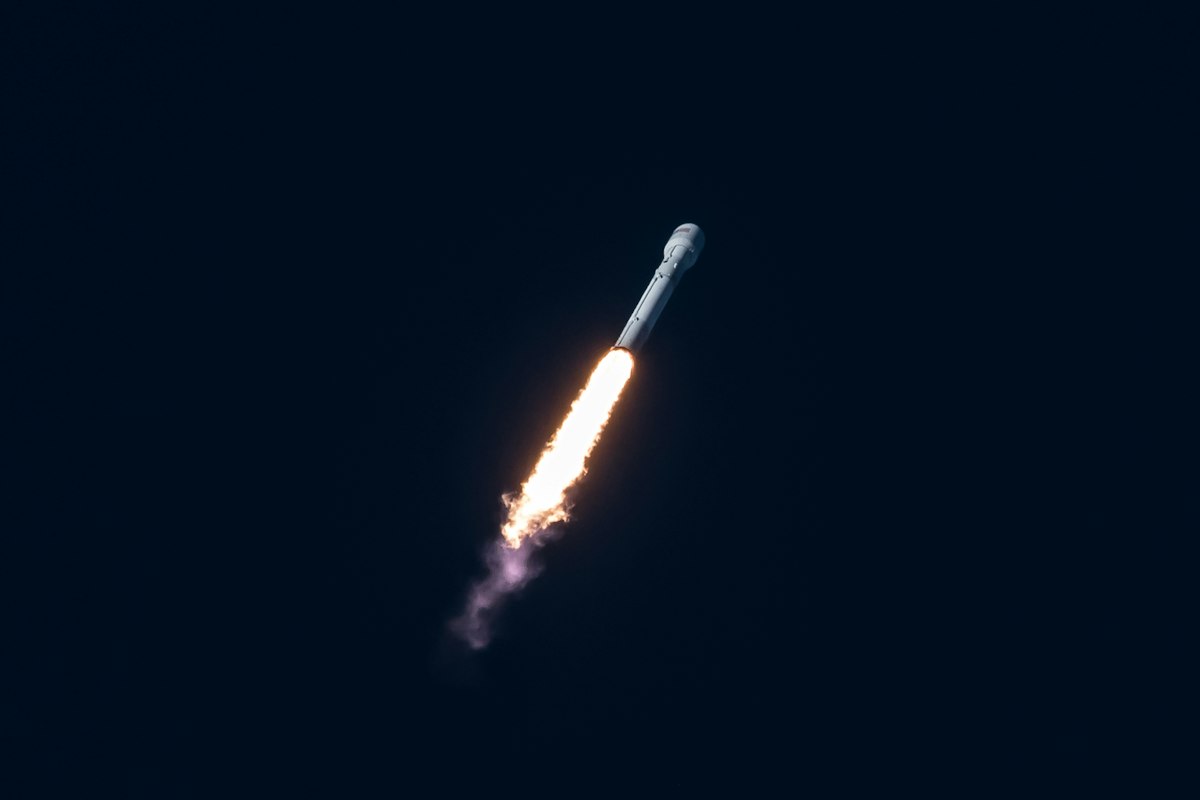
"It's no secret that we intend to launch Starship a lot, targeting thousands of flights per year," the company stated in May on X. "That cadence will require the ability to launch from many different locations, so we are constantly exploring to find viable sites to expand Starship operations in the future, both domestically and internationally."
A package of local incentives
State lawmakers have already laid the groundwork to attract the aerospace giant. And they're not messing around. Earlier this year, the Louisiana Legislature passed bills designed to appeal to spaceflight companies, a package that includes key incentives such as liability protections and property tax breaks, all meant to make the state an obvious landing spot for a project this massive. So the hope is simple. These measures will help secure the deal.
But there's a catch. The acquisition involves sensitive coastal wetlands that are vital to the local ecosystem, and that's no small matter. So the agreement between SpaceX and the state will include specific provisions dedicated to coastal restoration and the preservation of the marshland along the northern Gulf Coast, a stretch of land that's been quietly holding the line for decades. This area serves as a critical habitat for wildlife. It also functions as a natural buffer against the hurricanes that regularly strike the region, absorbing storm surge and slowing the wind before it reaches inland communities. Don't underestimate that role.
Why SpaceX wants Louisiana marshland
A massive constellation of orbital data centers demands an unprecedented launch frequency. So to hit thousands of Starship flights each year, the company can't rely on its current facilities, and it must push far beyond them, expanding into new territory where the infrastructure, permitting, and physical geography all align. The bottleneck is brutal. But there are very few undeveloped coastal spots left along the Gulf of Mexico and the southern Atlantic Ocean in the US, and those rare locations, the only ones that can support orbital rocket launches, are nearly gone. It's that simple.
Infrastructure and launch capacity limits
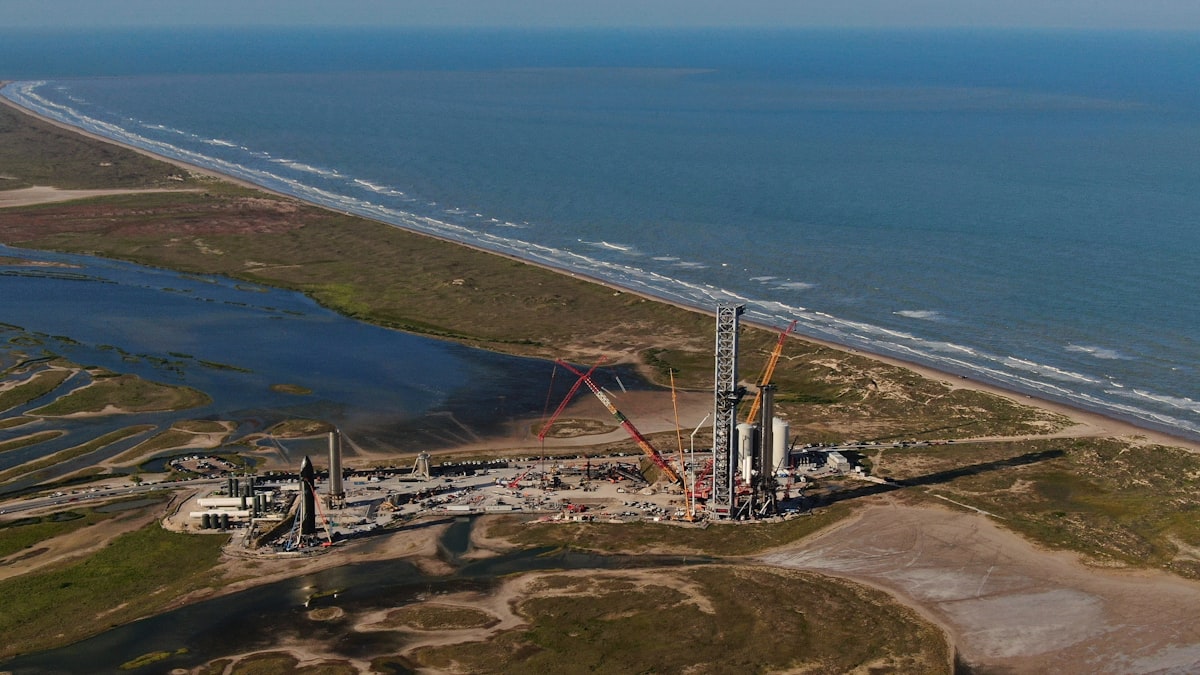
SpaceX is currently building out its existing launch sites. But they face eventual capacity constraints. The company will soon have two orbital launch towers at its Starbase facility in South Texas, and it will add two more at Cape Canaveral in Florida, so that's four towers total across both locations. However, both of these areas are either heavily built out or shared with other launch providers, and that reality limits the maximum possible launch frequency. It's a real bottleneck.
Strategic geographic advantages
The geography of Pecan Island offers several unique benefits for large-scale rocket operations:
- Deep-water access near the Intracoastal Waterway for transporting large rocket components.
- Barge proximity to the massive Starfactory production facility in South Texas near Boca Chica beach.
- A southward-facing coastline that allows rockets to launch directly over the water.
- Potential access to polar orbits with only a short flight path over Mexico, roughly 1,000 miles down range.
- Access to vast tracts of undeveloped real estate compared to the congested Texas and Florida sites.
The natural gas connection
Methane fuels the rockets. SpaceX needs massive, reliable natural gas supplies for rapid launch schedules, and that demand makes the Louisiana site's location a genuine strategic advantage, one that's hard to ignore. It sits just a few dozen miles south of the Henry Hub, one of the most interconnected natural gas distribution hubs in the world, so the propellant supply here far exceeds what's available at Boca Chica or Cape Canaveral. That proximity changes everything. And it's a difference that can't be overstated.
Building a major orbital launch facility in this sensitive region will inevitably spark environmental and logistical challenges, and the friction we've seen before could easily repeat itself here. It's a heavy burden. Don't expect an easy road ahead. The local community will face disruptions, mirroring the friction seen in South Texas over the last decade, where operations at Starbase have drawn local opposition due to environmental concerns and community displacement, and that pattern isn't likely to vanish just because the location has changed. So brace yourselves.
Economic impacts and local opposition
Texas has seen a massive financial windfall from aerospace operations. It's a quiet border community no more. The South Texas facility directly employs about 5,000 people in the Brownsville region, and that workforce has turned what was once a sleepy, overlooked corner of the map into a major aerospace hub. Some economic analyses indicate the Texas site now supports up to 24,000 direct and indirect jobs, while also boosting local tourism during launch events, so the money keeps flowing in from every direction imaginable. But that's not all. And the numbers don't lie.
Louisiana is eyeing those same economic benefits. Jobs, investment, tourism. The state wants all of it, and it's betting that the same formula that worked elsewhere can work here too, even as it weighs the promise of an active orbital launch facility against the fragile northern Gulf Coast environment.
Frequently Asked Questions
What is the approximate size of the marshland area involved in the SpaceX deal at Pecan Island?
The deal would grant SpaceX control over an 18-mile stretch of marshland southwest of Lafayette, which is roughly 130,000 acres along the northern coast of the Gulf of Mexico. This area is described as a remote stretch of marshland in southern Louisiana.
Why does SpaceX need to expand to multiple launch sites like Pecan Island?
SpaceX intends to launch Starship a lot, targeting thousands of flights per year. That cadence requires the ability to launch from many different locations, so the company constantly explores viable sites to expand Starship operations domestically and internationally.
How is the Louisiana state government preparing to attract SpaceX to Pecan Island?
Earlier this year, the Louisiana Legislature passed bills designed to appeal to spaceflight companies, including liability protections and property tax breaks. These incentives are meant to make the state an obvious landing spot for such a massive project.
What specific environmental measures will be included in the Pecan Island agreement?
The agreement between SpaceX and the state will include specific provisions dedicated to coastal restoration and the preservation of the marshland along the northern Gulf Coast. This is because the area serves as critical wildlife habitat and a natural buffer against hurricanes.
Who is expected to formally announce the agreement for Pecan Island?
Governor Jeff Landry is expected to formally announce the agreement later this month. The announcement would mark a major expansion of SpaceX's geographic footprint, though officials have declined to make public comments on the pending deal.
Leo Sokolov reports on spaceflight and the companies and agencies racing to reach orbit and beyond. He is captivated by the engineering that makes leaving Earth possible.
💬 Comments (0)
No comments yet. Be the first!