Has the UK passed peak sheep?
peak sheep may be over in the UK as breeding ewe numbers hit their lowest in living memory and lamb eating continues to fall.
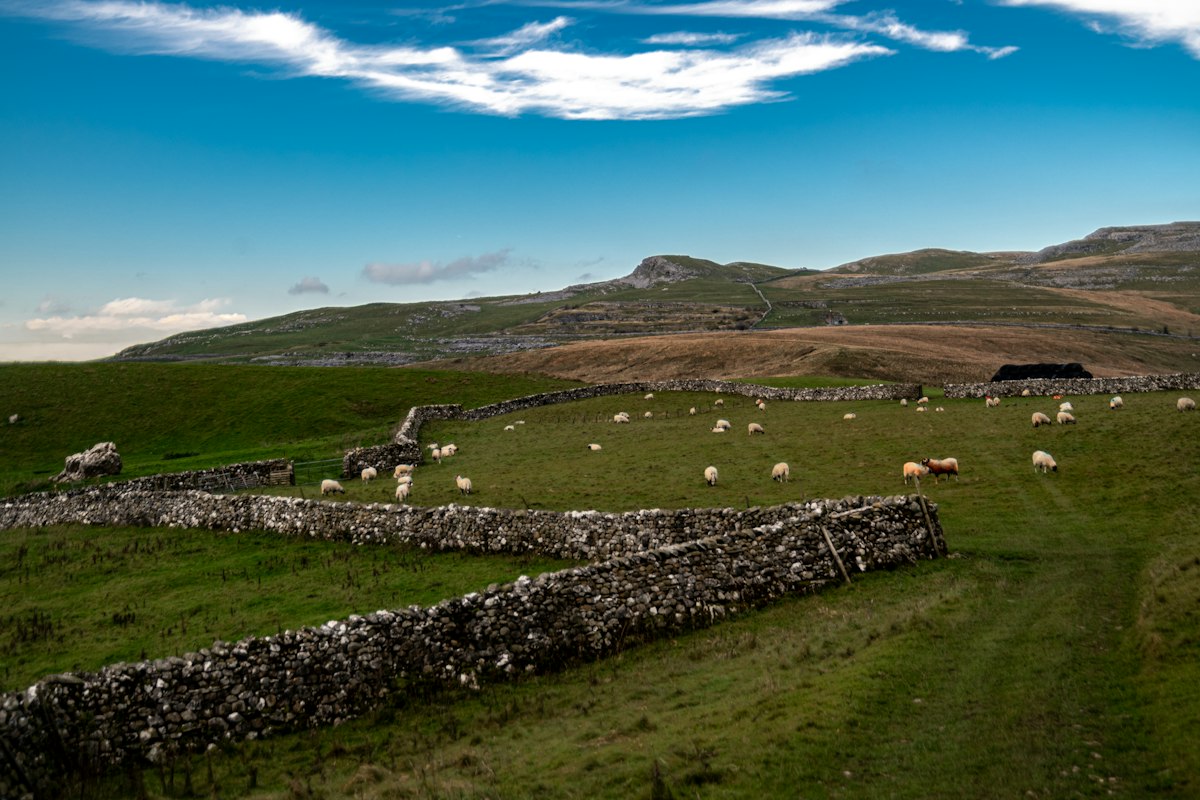
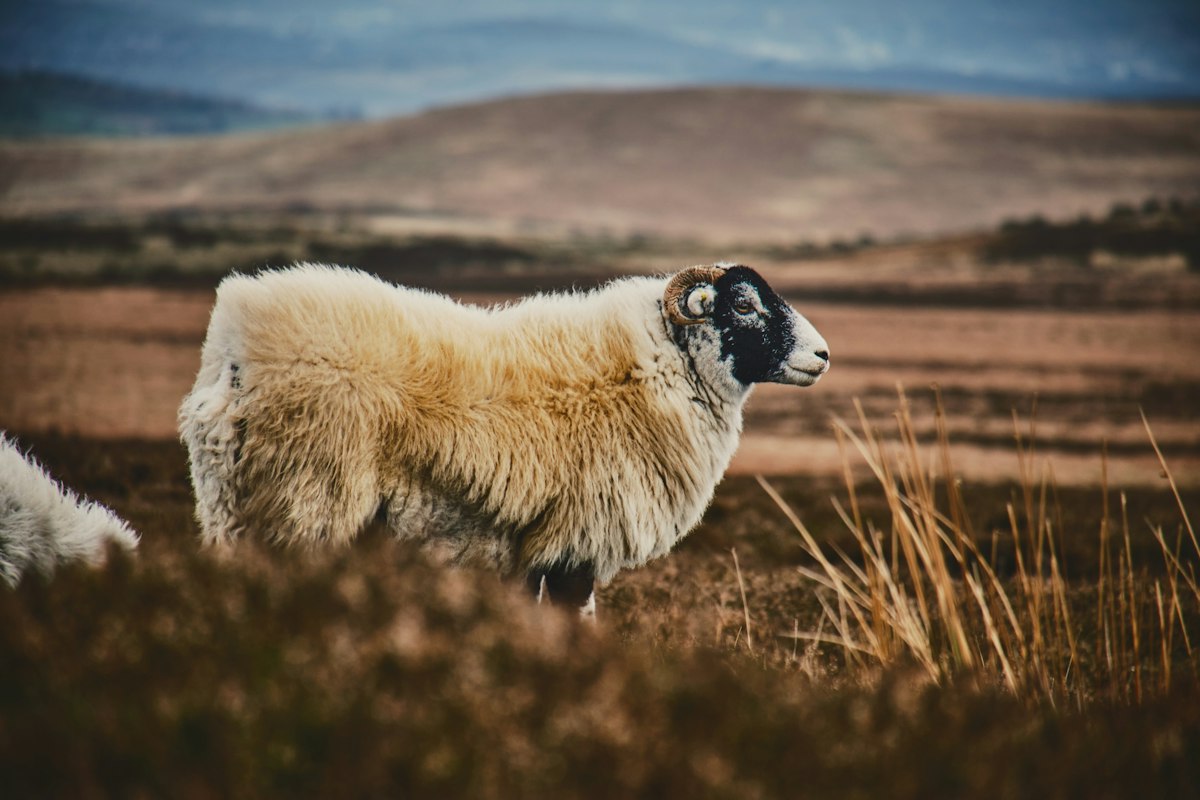
Peak sheep has quietly become the most unsettling question in British farming. It's strange. On a hillside above Malhamdale in the Yorkshire Dales, Neil Heseltine has just lambed 45 ewes this spring, a small number that would have seemed unthinkable two decades ago when Hill Top Farm would have run more than 800. Two decades ago, Hill Top Farm would have run more than 800. The family has worked this land for four generations, and sheep were long the entire point. "I dread to think where the farm would have been financially had we not started to make those changes," he says.
The Numbers Behind the Decline
The national flock has fallen to 30.4 million sheep in 2025, a level last seen in the mid 20th Century when the UK population was far smaller. Breeding ewes now number 14.7 million, the lowest figure in living memory according to Phil Stocker, chief executive of the National Sheep Association. Household appetite has collapsed even faster. In 1980 the average UK household bought 128g of sheep meat per person per week. By 2024 that figure had shrivelled to 23g.
Whether that marks peak sheep for the whole country is an open question.
Lamb prices have never been higher. Becky Smith, a senior analyst at the Agriculture and Horticulture Development Board, confirms that sheep prices hit record highs in 2024, a year that will be remembered for many reasons. But the economics of upland farming unravel elsewhere. A bale of hay that cost £75 a tonne last spring now costs £155, and that's a jump nobody can ignore. It's brutal. Farmers don't know where to turn, and we've seen how quickly costs can spiral when the weather, the market, and the bills all conspire against you.
A 47 Year View From the Sale Ring
Jeremy Eaton has spent 47 years in the industry. He's the general manager at Craven Cattle Mart in Skipton. He remembers sales at the mart regularly shifting 19,000 store lambs. Now we're fortunate if we get to 8,000 or 9,000, he says, and that decline tells its own story. Hayley Baines is a 39 year old sheep farmer from Gisburn in the Ribble Valley. She sees the same pattern. You can see here today, most of the generation of farmers are over 60, she says. There aren't many young ones because there's better options.
The old shepherd's joke still lands.
"Sheep are only ever trying to do one of three things: escape, or die, or escape and then immediately die."
Subsidies and Trade Deals Rewrite the Rules
The rulebook's been rewritten. After Brexit, everything changed. Matthew Cole of the NFU points to the move away from payments based on livestock numbers or land area toward schemes focused on farming for nature, which is a shift that reshapes how English farmers think about what they're paid for. The Westminster government's Sustainable Farming Incentive, updated last month, now offers further incentives for English farmers to graze moorland with cattle and ponies instead of sheep. And cattle don't graze as low to the ground, allowing smaller plants to flower.
He is blunt. "Going forward, do I see a future? I'm not sure where we're going with it," he says.
New trade deals with New Zealand and Australia. They were struck since Brexit. These deals eliminate tariffs and give both countries large quotas for lamb exports into the UK. But Compassion in World Farming has joined other groups worried that UK welfare standards will be undercut by meat from partners that do not require the same care.
What the Hills Do Without Sheep
Butterflies and Wild Cattle Return
In 2004, sheep were removed from Ingleborough. It's the second highest mountain in the Yorkshire Dales, a limestone landscape. They're gone now. Native cattle breeds roam there instead, introduced under the Wild Ingleborough project. Two studies published in the journal Ecological Solutions and Evidence reveal what happened next, and they don't hold back. So what comes after the sheep? We've got answers.
says the research provides long term evidence of how different grazing impacts biodiversity. The peak sheep argument is not just about meat on plates. It is about what the uplands are for. Mimi Bekhechi, senior vice president at Peta, sees decline as progress: "Fewer sheep means less suffering." insists common ground exists. he says.
The Buyers Keeping Lamb Alive
The Eid Effect
Phil Stocker sees a bright spot in Britain's Muslim communities. AHDB statistics paint a sharp contrast.
Lamb remains the meat of choice for Ramadan nights and Eid family occasions, while mutton anchors curries and stews. Stocker does not foresee the industry's total demise. Yet even his optimism does not disguise that Britain may have passed peak sheep by several measures. he says.
A Smaller Flock, Not a Vanished One
Global lamb consumption is expected to grow by 15% between now and 2032. That's the forecast. The Organisation for Economic Co-operation and Development and the Food and Agriculture Organization say so, and while a fifteen percent rise in global demand over the next several years sounds like good news for anyone selling lamb, it's a figure so broad and so far removed from any single field that it can't tell you what will actually happen on one farm. But that does not automatically help a farmer near Skipton.
Walk the Lake District or the Welsh mountains in another 25 years and sheep will still dot the hillsides. But Neil Heseltine made his choice. Hill Top Farm now runs 300 cattle that graze outside all year round, a shift he says made the farm more profitable and cut his hours, and for him, peak sheep has already passed. It's done.
Frequently Asked Questions
What is the current size of the UK national flock, and how does it compare with historical levels?
The national flock has fallen to 30.4 million sheep in 2025, a level last seen in the mid 20th Century when the UK population was far smaller. Breeding ewes now number 14.7 million, the lowest figure in living memory according to Phil Stocker.
How has household consumption of sheep meat changed between 1980 and 2024?
In 1980 the average UK household bought 128g of sheep meat per person per week. By 2024 that figure had shrivelled to 23g.
Why has Neil Heseltine reduced the number of sheep at Hill Top Farm, and what has replaced them?
Hill Top Farm now runs 300 cattle that graze outside all year round, a shift he says made the farm more profitable and cut his hours. He lambed just 45 ewes this spring, compared with more than 800 two decades ago.
What happened at Ingleborough after sheep were removed in 2004?
Native cattle breeds roam there instead, introduced under the Wild Ingleborough project. Two studies published in the journal Ecological Solutions and Evidence reveal what happened next, providing long term evidence of how different grazing impacts biodiversity.
Who does Phil Stocker identify as a bright spot for Britain's lamb industry, and what statistics support this?
Phil Stocker sees a bright spot in Britain's Muslim communities, as lamb remains the meat of choice for Ramadan nights and Eid family occasions, while mutton anchors curries and stews. AHDB statistics paint a sharp contrast supporting this view.

Astrid Berg covers space and astronomy, from missions and launches to the science of the universe. She follows the ongoing effort to explore beyond our planet.
💬 Comments (0)
No comments yet. Be the first!