chinstrap penguin decline hits 63% on Zavodovski
A chinstrap penguin decline of 63% in occupied nests on Zavodovski Island was recorded, while macaroni penguins thrived.
A Crown Lost
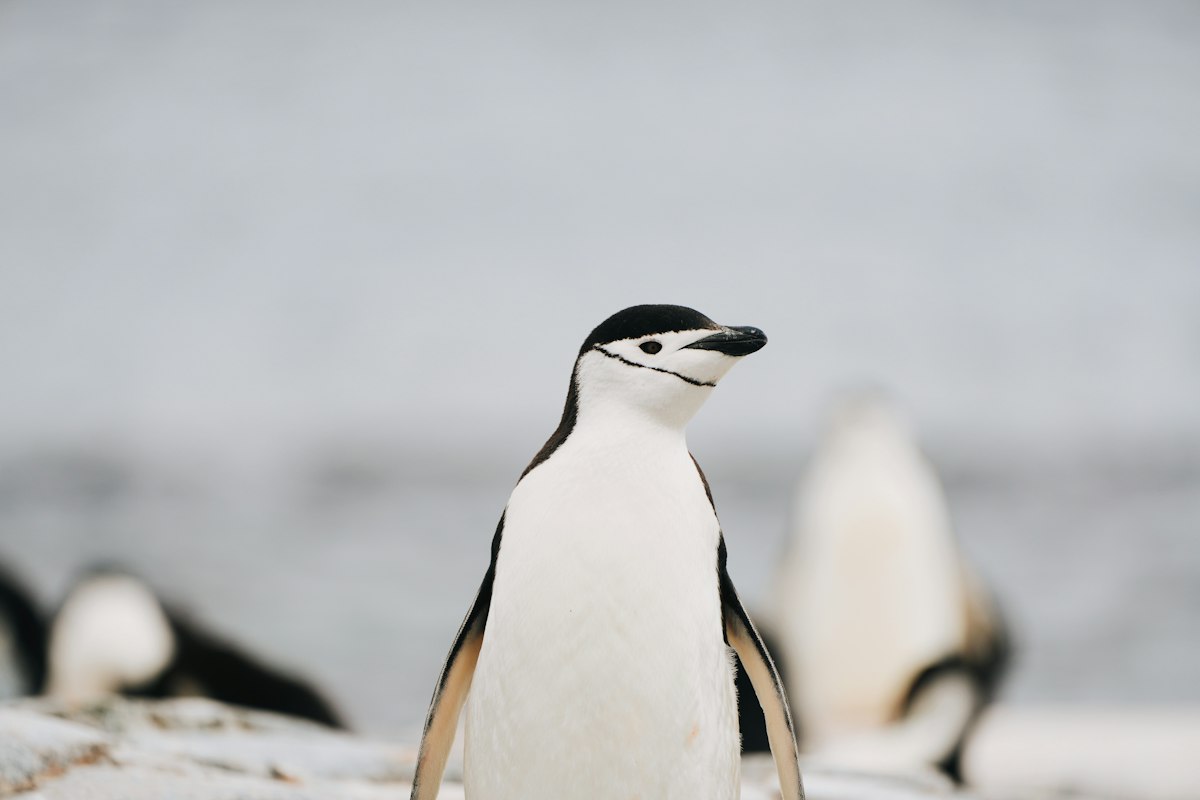
The decline is staggering. Chinstrap penguin numbers on Zavodovski Island have dropped by 63 percent since 2011, according to aerial surveys that researchers have conducted over this remote volcanic outcrop, which forms part of the South Sandwich Islands lying north of the Antarctic continent. It's no longer number one. But this island can't claim the title of the world's largest penguin colony anymore. We've seen the data, and they're clear.
Almost two-thirds of the chinstrap population has disappeared. That's a huge loss. In 2011, the British Antarctic Survey estimated 600,000 chinstrap penguins and 90,000 macaroni penguins nesting on the island's bleak, rocky terrain, and now the new research, which compared occupied nests at the same point in the year, found 63 percent fewer occupied chinstrap nests in 2025 than at the same point in 2011. So the numbers don't lie. They're vanishing.
Climate change is hitting the birds' food supply. And it's hitting their survival. Researchers say the chinstrap penguin decline, which they've been tracking as the species struggles to find enough food in a warming world, may now push the species toward an official endangered status. We can't ignore that.
Fifteen Days to the Colony
The route to Zavodovski is punishing. A team from the British Antarctic Survey sailed for 15 days to reach the island, described as one of the most extreme places in the world to undertake fieldwork. Once there, researchers used drones, aerial photography, and tracking devices fitted to 20 birds. Satellite imagery filled in the longer trend.
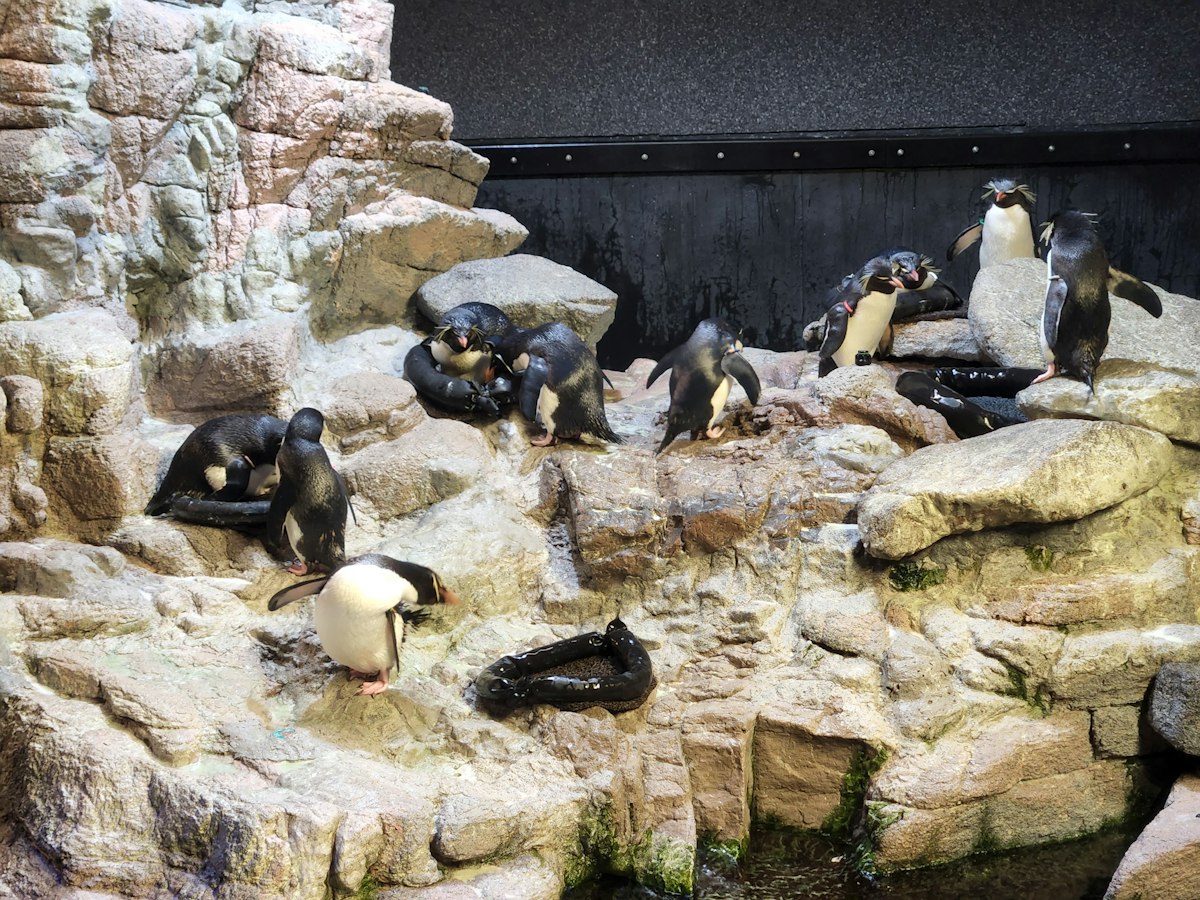
The birds get their name from a thin ring of feathers running from ear to ear. They nest in the shadow of an active volcano. It's Mount Curry. Also known as Mount Asphyxia. And downwind sites carry names including:
- Stench Point
- Noxious Bluff
- Asphyxia Plain
The names nod to the fumes from the crater, layered over the reek of a vast seabird colony.
A Penguin Mordor
When you add all the penguin guano on top of that, and you really do have one of the smelliest places in the world. It's like a penguin Mordor.
Professor Norman Ratcliffe, who led the research, offered that description of the field site.
Why the Chinstraps Are Losing
Ratcliffe points to a specialist diet and a preference for cooler waters. The chinstrap penguin decline tracks a moving food supply.
With waters warming, the krill that the chinstrap penguins eat have moved southwards. Sea-ice cover to the south and a lack of suitable islands for nesting prevents chinstraps from following the food.
The team examined other suspects. Mount Curry's last major eruption was in 2016, but the declines have been steady and ongoing since 2011, pointing to something bigger than volcanic disruption.
Competition from migrating humpback whales was another possibility. But the evidence takes an unexpected turn. The humpbacks eat huge quantities of krill, yet they also boost krill production by fertilizing the marine plants krill feed on. So researchers concluded that a more fundamental, climate-driven shift in ocean food supplies is to blame.
Macaronis Rise as Chinstraps Fall
While chinstraps lost ground, macaroni penguins increased dramatically on the same island. The reason is flexibility. Macaronis carry a broader, more varied diet, and tracking data showed them foraging in warmer waters to the northeast of the island, likely supplementing their meals with fish and other crustaceans.
63 percent fewer occupied nests is a stark number. The species flip is starker. Ratcliffe called it the biggest change in community composition ever observed at a single location in Antarctica.
Our data shows that the cold-adapted Antarctic chinstrap species are no longer thriving beside their sub-Antarctic neighbours. It is further evidence of how rapid warming in the Antarctic is impacting unique and sensitive ecosystems.
The Title Moves 5,000 Kilometres
As for the crown of the world's largest penguin colony, scientists say it now belongs to Cape Adare in the Ross Sea, more than 5,000 km away on the other side of the Antarctic continent.
What Comes Next
- Chinstrap penguins on Zavodovski may now be officially endangered, researchers say.
- Macaroni penguins are thriving, with a more adaptable diet.
- The shift marks the biggest community change ever observed at one Antarctic location.
The chinstrap penguin decline has redrawn what Zavodovski looks like. It's still loud. The island still smells, still rumbles, still hosts hundreds of thousands of birds, and yet that constant noise and stink don't tell you what's actually shifting beneath the surface. But the composition has changed. The cold-adapted species is losing ground to a warming ocean.
Frequently Asked Questions
How much have chinstrap penguin numbers dropped on Zavodovski Island since 2011?
Chinstrap penguin numbers on Zavodovski Island have dropped by 63 percent since 2011, according to aerial surveys. The research found 63 percent fewer occupied chinstrap nests in 2025 than at the same point in 2011, compared by counting occupied nests at the same point in the year.
Why are chinstrap penguins on Zavodovski struggling to find food?
Professor Ratcliffe points to a specialist diet and a preference for cooler waters, and the decline tracks a moving food supply. With waters warming, the krill that chinstrap penguins eat have moved southwards, and sea-ice cover to the south plus a lack of suitable islands for nesting prevents chinstraps from following the food.
How did researchers conduct their surveys on Zavodovski Island?
A team from the British Antarctic Survey sailed for 15 days to reach the island, described as one of the most extreme places in the world to undertake fieldwork. Once there, they used drones, aerial photography, and tracking devices fitted to 20 birds, and satellite imagery filled in the longer trend.
Why did macaroni penguins increase on Zavodovski while chinstraps declined?
The reason is flexibility, because macaronis carry a broader, more varied diet than chinstraps. Tracking data showed them foraging in warmer waters to the northeast of the island, likely supplementing their meals with fish and other crustaceans.
Where is the title of the world's largest penguin colony now, and what may happen to chinstrap penguins next?
Scientists say the crown now belongs to Cape Adare in the Ross Sea, more than 5,000 km away on the other side of the Antarctic continent. Chinstrap penguins on Zavodovski may now be officially endangered, researchers say, while macaroni penguins are thriving with a more adaptable diet.

Astrid Berg covers space and astronomy, from missions and launches to the science of the universe. She follows the ongoing effort to explore beyond our planet.
💬 Comments (0)
No comments yet. Be the first!