Venus Isn't Dead: What It Means for Space Missions
New research shows Venus is geologically active, which will help mission planners pinpoint where to explore the planet.

Venus is not dead
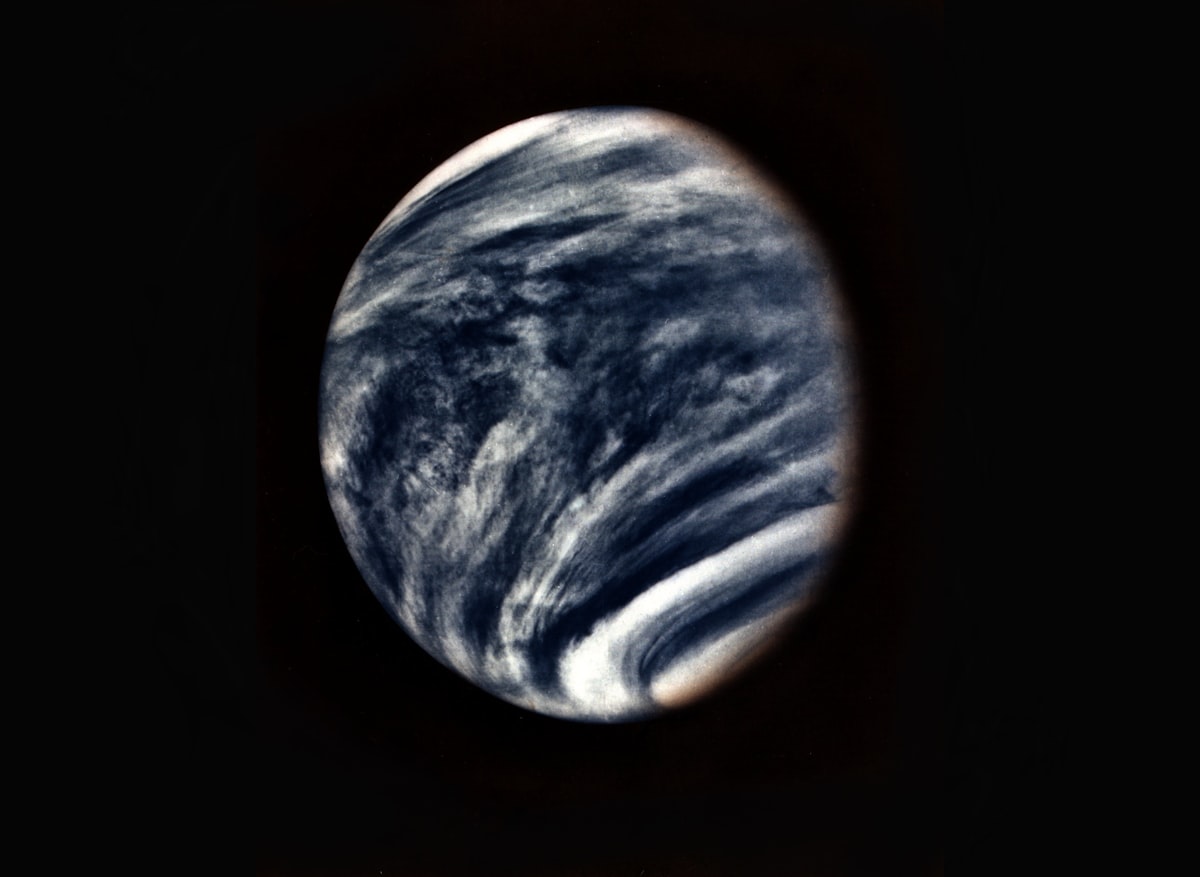
Venus has long been labeled a hellscape of stagnant, crushing heat. But it's not static. With atmospheric pressures ninety-three times stronger than Earth and surface temperatures that can melt lead, the planet seemed frozen in time, a world trapped in its own brutal conditions, and we've only just begun to question that assumption. New research suggests the planet is far more active than we ever imagined.
For years, scientists assumed the surface of the planet was a single, static piece of crust, a fixed shell that somehow avoided the dynamic churning we see on our own world. But that's wrong. This old idea stood in stark contrast to Earth, where shifting tectonic plates constantly reshape the ground beneath our feet, tearing continents apart and shoving mountains skyward in a slow, relentless dance. We've got a different story to tell now. It turns out volcanic activity is likely still shaping the surface today, and it's far more active than anyone ever imagined.
Rifts in the crust
The evidence lies in the rift valleys, or chasmata, that scar the planet. They look eerily familiar. These features bear a striking resemblance to those found on Earth where tectonic plates pull apart, and that's no coincidence given how similar the forces at work appear to be. The scale is staggering. But some of these rifts reach diameters of up to 10,000 km, which is more than a quarter of Earth's own circumference. It's immense.
Xi Yang, a graduate student at ETH Zurich, led a team to model these structures using high-resolution 3D simulations. By focusing on the Ganis, Dali, and Devana Chasmata, the researchers were able to replicate how these systems actually form and change, and the results track their evolution through time with startling clarity. But the math shows these rifts aren't ancient relics from a distant past. They're still shifting.
What the models reveal
The team found that the planet doesn't experience the same type of erosion we see here at home. Instead, the flanks of these rifts flatten through a process called crustal relaxation. That's a key difference. So this process lets us see exactly how fast these systems change over time, and it gives us a direct window into their internal dynamics that we simply don't have for Earth's more familiar landscapes. Here is the telemetry detail you need.
- The rifts widen at a rate of 3 to 10 cm every single year.
- This movement is faster than any previous model suggested.
- The structures provide clear evidence of a dynamic interior.
Market Context: According to NASA, a May 2025 study revealed that 52 out of 75 examined coronae on Venus showed signs of ongoing tectonic activity.
This suggests that the planet has been geologically alive far more recently than the 100 million year estimates floating around in older textbooks.
The hunt for active volcanoes
So why does this matter for the next decade of space exploration? The answer is simple. We're finally learning where to look, and that shift changes everything about how we plan future missions, because those missions will rely on these models to pinpoint active regions with far greater precision than ever before. Taras V. Gerya, a professor of geodynamics who supervised the work, puts it clearly. It's about targeting the right spots.
The results help us to better assess the tectonic activity on Venus.
This insight is a direct boost to upcoming missions. This is a major shift for what we're about to send. Both NASA and the ESA are currently prepping probes to study the atmosphere and the hidden interior of our neighbor, and that preparation just got a whole lot smarter. The ESA EnVision mission, scheduled for the 2030s, will utilize this data to better understand how the surface, interior, and atmosphere interact. So we've got a clear path forward now. It's exactly what we needed.
Why this changes the search for life
The implications reach beyond just one planet. And by understanding how Venus maintains such a violent, active surface, we gain a new perspective on how rocky planets evolve in general, a perspective that reshapes our assumptions about the forces that shape worlds everywhere. We can't ignore this. It's vital for the ongoing search, because this information is key when we look for habitable exoplanets orbiting distant stars, and it sharpens our questions about what truly makes a world livable. So don't underestimate it.
We used to think of these worlds as binary. It isn't that simple. Either a planet is active like Earth or dead like a rock in the void, but the interior of that planet is far more restless than we ever assumed, and that restlessness changes everything about how we approach it. So as we prepare to send new hardware into that crushing atmosphere, we finally know we're looking for a world that is still very much awake.
Frequently Asked Questions
What did new research reveal about Venus's surface activity?
New research suggests Venus is far more active than previously imagined, with volcanic activity likely still shaping its surface today. The planet's rift valleys show evidence of ongoing tectonic activity, contradicting the old idea of a static crust.
How fast are the rift valleys on Venus widening according to the models?
The rift valleys on Venus widen at a rate of 3 to 10 cm every single year, which is faster than any previous model suggested. This movement provides clear evidence of a dynamic interior and indicates the planet has been geologically alive more recently than older estimates of 100 million years.
Why is the process called 'crustal relaxation' important for understanding Venus?
Crustal relaxation is the process where the flanks of rifts flatten over time, which is different from erosion on Earth. This process allows scientists to see exactly how fast the systems change and provides a direct window into the planet's internal dynamics, which isn't available for Earth's landscapes.
Who led the team that modeled the rift structures on Venus?
Xi Yang, a graduate student at ETH Zurich, led a team to model these structures using high-resolution 3D simulations. They focused on the Ganis, Dali, and Devana Chasmata and replicated how these systems form and change through time.
What upcoming space missions will benefit from this research?
Both NASA and the ESA are preparing probes to study Venus's atmosphere and interior, and this research will help them target active regions with greater precision. The ESA EnVision mission, scheduled for the 2030s, will use this data to better understand how the surface, interior, and atmosphere interact.

Arthur Vance writes about astronomy and space exploration, covering the discoveries that expand our view of the cosmos. He enjoys connecting distant science to the questions we ask here on Earth.
💬 Comments (0)
No comments yet. Be the first!