Satellite manufacturing thrives in California
Despite high costs, California satellite manufacturing sees a surge as startups leverage local talent and infrastructure.
Satellite manufacturing remains a core pillar of California industry
Satellite manufacturing is thriving in California. But even as some high-profile companies head for the exits, a growing wave of startups and established players continues to expand their footprint within the Golden State, and that's no accident. The sector draws its strength from a deep, specialized workforce and a dense network of suppliers. It's difficult to replicate elsewhere. Texas, Florida, and Colorado aggressively court aerospace firms with financial incentives, yet California's gravitational pull remains stubbornly strong. So the industry stays.
The talent factor drives local growth
Engineers and technicians define this industry's success. But California hosts roughly 10,000 aerospace engineers, and the region maintains a unique concentration of talent with expertise in artificial intelligence, semiconductors, and quantum computing, a mix that doesn't exist anywhere else at this scale. So experts note that modern spacecraft are increasingly similar to sophisticated computers, requiring a specific blend of software and electrical engineering skills that the Bay Area provides in abundance, and that's no accident. It's a tight fit.
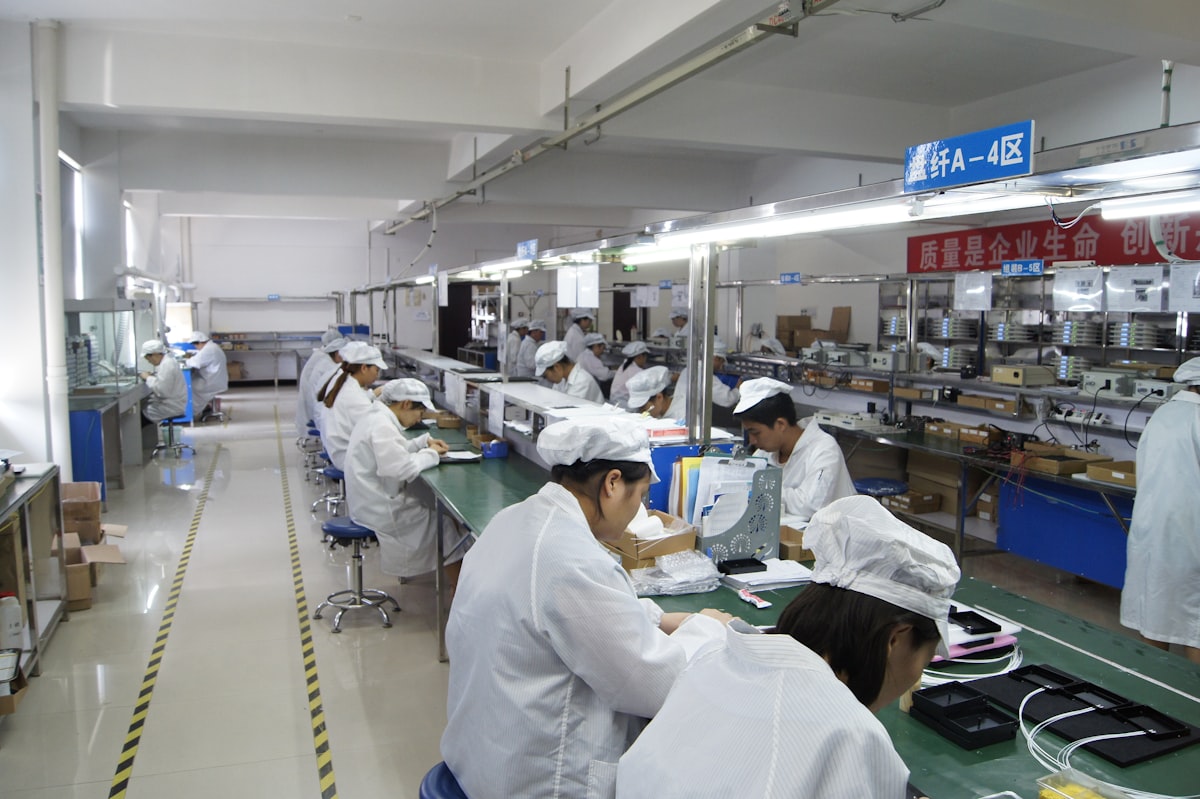
Technician labor is equally important. Don't underestimate it. In Southern California, companies work closely with community colleges to train the welders and electricians who build flight-ready hardware, and that close partnership means the curriculum stays sharp and the workers stay ready for what the shop floor actually demands. This pipeline of specialized labor ensures that firms can move quickly from initial design to active production cycles. So it's the quiet backbone of the whole operation.
Infrastructure and the ecosystem effect
Proximity to customers and partners keeps firms anchored to the region. It's a nerve center for the industry, housing major research centers and acquisition offices. Startups often find that being within driving distance of their primary partners allows for faster iteration on mission requirements, and that speed can't be replicated from a distance. But that collaborative environment is propped up by massive venture capital presence, with more than 2,000 firms located in the state. Don't overlook that number. It's enormous.
Key companies expanding in the state
The recent surge in activity has seen numerous fast-growing firms open or expand facilities. These include:
- Muon Space in San Jose
- Apex in Southern California
- K2 Space
- True Anomaly
- Xona Space Systems
- Umbra
- Aerospacelab
- Astranis
- Millennium Space Systems
- Terran Orbital
Adapting to a new market reality
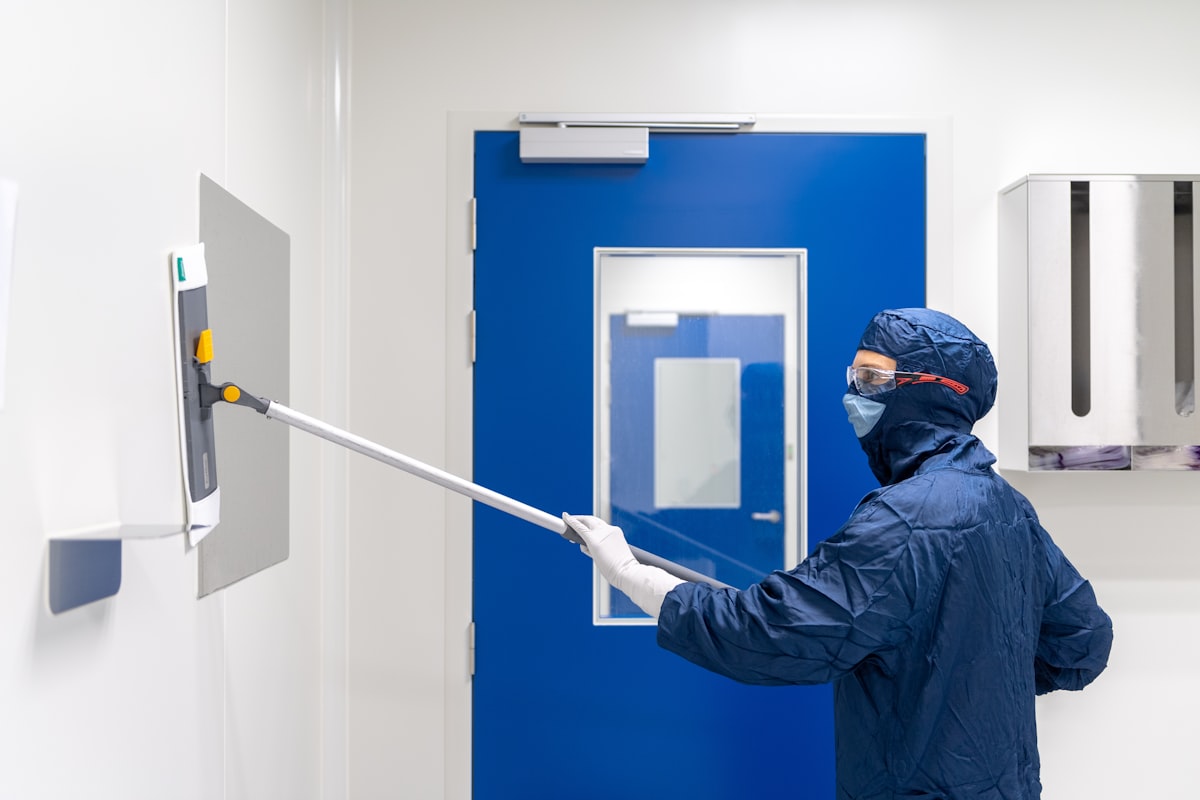
The high cost of real estate once pushed companies to seek cheaper pastures. But the industry has changed. Modern satellites are smaller than the school-bus-sized vessels of the past, an evolution that allows companies to operate in converted office parks rather than expensive, specialized manufacturing zones. They're nimble now. It's a shift that turns old logic on its head, since you don't need acres of cleanroom floorspace when your entire payload fits in a closet, and that's why we've seen startups thrive in suburban strip malls.
"The greater LA area has a deep pool of talented technicians who are foundational to building any major aerospace company," said Karan Kunjur, the co-founder and chief executive of K2 Space.
Policy support and future goals
State officials are actively working to keep this industry local. So they've mapped it out. Through the California Jobs First Economic Blueprint, aerospace has been identified as a strategic sector, and the state's approach avoids massive, untargeted cash injections, instead focusing on tax credits that are directly tied to job creation and capital investment. But recent examples make that clear.
Vast landed a 32.75 million dollar tax credit to support 657 new jobs. Apex grabbed 24 million, and True Anomaly walked away with 12.7 million. That's real money. These incentives are built for one purpose, to keep research and development inside the state while shoring up a workforce that companies can't easily find elsewhere. So California is betting big on talent. It's a clear wager that access to the right people outweighs the sting of higher operating costs.
The road ahead for space systems
It’s not just about satellites. But Long Beach has become a hub for commercial space stations, rocket engines, and launch vehicles, a concentration of production that feeds directly off California’s deep aerospace roots, and that density is what makes the region so hard to ignore. Lockheed Martin, for instance, has been in the state since World War II aircraft maintenance, and that legacy is the primary draw as the industry scales, pulling in the next generation of engineers and entrepreneurs who can’t seem to resist it. The foundation holds. So the pull is real.
Frequently Asked Questions
What is the primary reason satellite manufacturing continues to thrive in California according to the article?
The article states that the sector draws its strength from a deep, specialized workforce and a dense network of suppliers, which is difficult to replicate elsewhere. It also mentions that California hosts roughly 10,000 aerospace engineers and a unique concentration of talent in AI, semiconductors, and quantum computing.
How does the article describe the role of community colleges in Southern California's satellite manufacturing?
The article says that in Southern California, companies work closely with community colleges to train welders and electricians who build flight-ready hardware. This partnership ensures the curriculum stays sharp and workers stay ready for what the shop floor demands, creating a pipeline of specialized labor.
Why are startups able to operate in suburban strip malls according to the article?
The article explains that modern satellites are smaller than the school-bus-sized vessels of the past, allowing companies to operate in converted office parks rather than expensive specialized manufacturing zones. It notes that you don't need acres of cleanroom floorspace when your entire payload fits in a closet.
What specific tax credits were mentioned in the article for companies expanding in California?
The article mentions that Vast landed a 32.75 million dollar tax credit to support 657 new jobs, Apex grabbed 24 million, and True Anomaly walked away with 12.7 million. These incentives are tied to job creation and capital investment, aimed at keeping R&D inside the state.
Who is quoted in the article regarding the talent pool in the greater LA area?
Karan Kunjur, the co-founder and chief executive of K2 Space, is quoted saying that the greater LA area has a deep pool of talented technicians who are foundational to building any major aerospace company. This quote appears in the context of why startups thrive in the region.

Astrid Berg covers space and astronomy, from missions and launches to the science of the universe. She follows the ongoing effort to explore beyond our planet.
💬 Comments (0)
No comments yet. Be the first!