SpaceX Set for First Starship Orbital Flight Test
SpaceX set for first Starship orbital flight test as the 14th mission aims to reach orbit with 26 V3 Starlink satellites, pending regulatory approval.
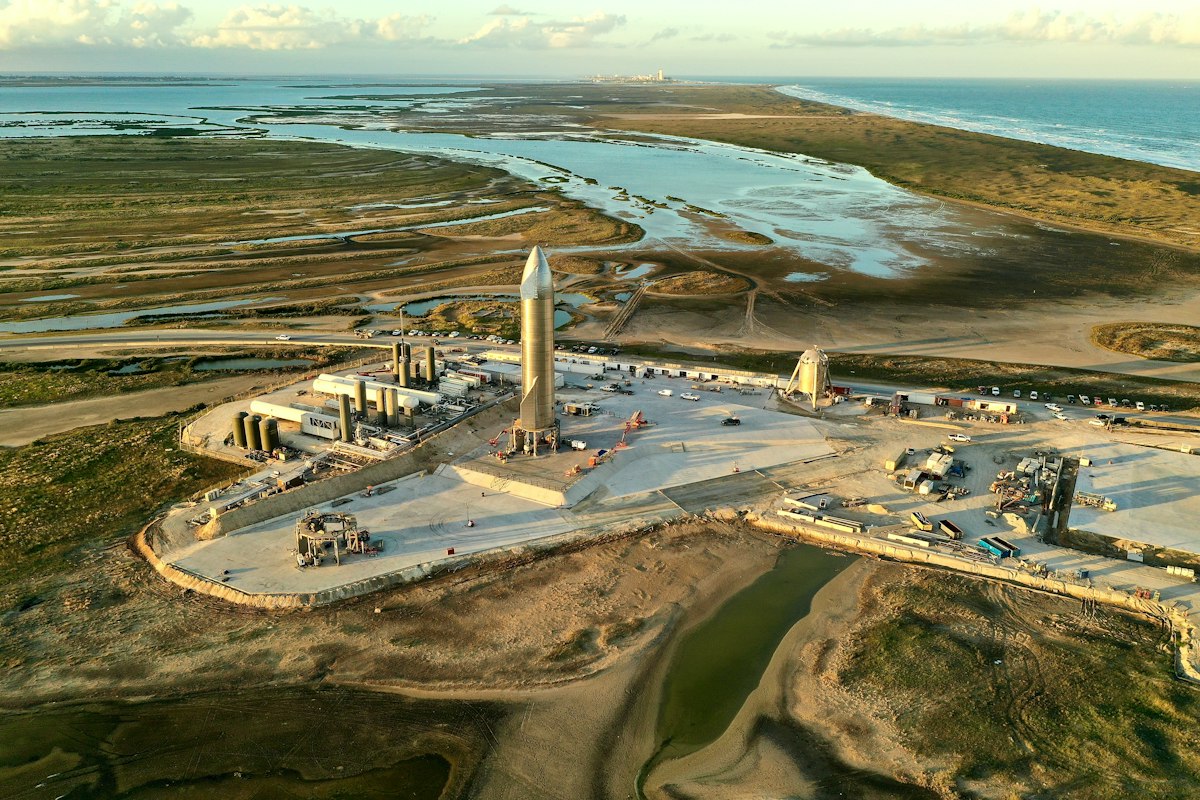
SpaceX Starship orbital flight test set for late September
SpaceX Starship orbital flight test is now targeting a launch window that could open as early as September 22, pending regulatory approval. Liftoff is set for 7:15 am local time in Texas. That's 12:15 UTC. The window lasts 75 minutes. But new notices to mariners issued Thursday indicated the launch target has slipped to September 28, which is the kind of moving date that has become familiar to anyone tracking this program, and it's the sort of thing they're used to by now. So we've got a date that can't sit still.
This would be the 14th Starship mission. It's also the first time SpaceX attempts to send the experimental vehicle into orbit, and reaching orbit would mark a major milestone in a development campaign that began with a first test flight on April 20, 2023. Progress since then has come in fits and starts. That's a polite way of saying some flights ended in fireballs and others in controlled splashes.
What the flight is supposed to do
The super heavy lift rocket will carry 26 of the larger V3 Starlink satellites into an orbit 275 km above the Earth. SpaceX said the Starship upper stage will seek to complete six orbits around the Earth before completing its mission after about 10 hours. That's a long mission. It's long by the standards of any rocket, let alone one still in testing, and six orbits and a ten-hour timeline means the vehicle has to survive the thermal environment of repeated passes, manage its propellant, and keep its avionics alive far longer than a typical test flight. And they're still testing it.
The payload is not just ballast. Putting V3 Starlink satellites on board ties the test to the company's commercial ambitions. Every Starship flight that succeeds moves the vehicle closer to becoming a workhorse for deploying the next generation of the constellation.
Why orbit matters more than altitude
There is a difference between reaching space and reaching orbit. Space starts around 100 km up. Orbit requires moving sideways fast enough that you fall around the Earth instead of back into it. SpaceX has flown Starship prototypes to altitude before. This flight is about the horizontal speed. The company has been promising this capability for years, and delivering it would be a long-awaited step.
Reaching orbit would mark a major milestone in the company's Starship development campaign."
A single orbital flight does not mean the vehicle is operational. It means the vehicle can get to orbit. Coming back, landing, and flying again are separate problems. SpaceX has not yet demonstrated a full reuse cycle on Starship, and the company's own timeline for operational missions remains aspirational.
The bigger picture for SpaceX
SpaceX Starship orbital flight test comes as the company's Falcon family hits a major milestone. A Falcon 9 rocket launched a trio of satellites for SES on Sunday, marking SpaceX's 700th Falcon rocket launch to date. That total splits between 687 Falcon 9 rockets and 13 Falcon Heavy rockets. The booster used for the SES mission, tail number B1080, was flying for the 29th time after launching four missions to the International Space Station, the European Space Agency's Euclid observatory, SES Astra 1P, and 22 batches of Starlink satellites.

The launch was also the 400th orbital launch from Space Launch Complex-40. SpaceX was responsible for 345 of those. That's a remarkable share. It's a single pad's history we've measured here, and when you consider how many rockets have risen from this one stretch of Florida coastline over the decades, you start to see how much of that story belongs to just one company.
- 700 total Falcon rocket launches to date
- 687 Falcon 9 launches and 13 Falcon Heavy launches
- 400 orbital launches from Space Launch Complex-40, with SpaceX responsible for 345
- Booster B1080 flew for the 29th time on the SES mission
Those numbers matter because they show what a mature launch operation looks like. Falcon 9 is no longer experimental. It is routine. Starship is not there yet, and the gap between routine and experimental is where the real risk lives.
Competitors are watching closely
SpaceX's Starship orbital flight test isn't happening in a vacuum. Avio, the Italian launch services provider, has seen an influx of customers who couldn't secure launch opportunities with SpaceX. And that's the twist. Giulio Ranzo, Avio's CEO, said during the company's September 10 earnings call that a whole bunch of customers are coming to Avio asking for flights, which tells you something about how the launch market is shifting right now. SpaceX has told multiple prospective customers it's no longer accepting new orders for commercial Falcon 9 launches.
The engine looks strikingly similar to SpaceX's Raptor 3 engine. And the thrust? 2,450 kN at sea level. That number is virtually identical to Raptor 3's, which is a fact you can't ignore when you line up the specs side by side and see how closely the two engines track each other on paper. It's the same.
What comes next
Everything depends on regulatory approval. If the launch target holds, SpaceX Starship orbital flight test will be the company's most ambitious flight yet. Six orbits, 26 satellites, and a ten-hour mission profile. Since then, the program has moved forward in bursts, with success and failure often arriving on the same flight.
For now, the launch window is set. The notices to mariners suggest it could move again. Anyone who has followed this program knows the date is a target, not a promise. The milestone itself, reaching orbit, is the part that would stick.
Frequently Asked Questions
When is the SpaceX Starship orbital flight test currently targeting launch, and how has that date shifted?
The SpaceX Starship orbital flight test is now targeting a launch window that could open as early as September 22, with liftoff set for 7:15 am local time in Texas (12:15 UTC) and a window lasting 75 minutes. However, new notices to mariners issued Thursday indicated the launch target has slipped to September 28, which the article describes as the kind of moving date familiar to anyone tracking this program.
What is the Starship upper stage supposed to do during this orbital flight test?
The super heavy lift rocket will carry 26 of the larger V3 Starlink satellites into an orbit 275 km above the Earth. SpaceX said the Starship upper stage will seek to complete six orbits around the Earth before completing its mission after about 10 hours.
Why does reaching orbit matter more than simply reaching altitude for this flight?
The article explains that space starts around 100 km up, but orbit requires moving sideways fast enough that you fall around the Earth instead of back into it. SpaceX has flown Starship prototypes to altitude before, and this flight is about the horizontal speed, with reaching orbit marking a major milestone in the company's Starship development campaign.
What milestone did SpaceX's Falcon family recently reach, and what details were reported about the booster used?
A Falcon 9 rocket launched a trio of satellites for SES on Sunday, marking SpaceX's 700th Falcon rocket launch to date, which splits between 687 Falcon 9 rockets and 13 Falcon Heavy rockets. The booster used for the SES mission, tail number B1080, was flying for the 29th time after launching four missions to the International Space Station, the European Space Agency's Euclid observatory, SES Astra 1P, and 22 batches of Starlink satellites.
What does the article say about whether a single orbital flight makes Starship operational?
The article states that a single orbital flight does not mean the vehicle is operational; it means the vehicle can get to orbit. Coming back, landing, and flying again are separate problems, and SpaceX has not yet demonstrated a full reuse cycle on Starship, with the company's own timeline for operational missions remaining aspirational.

Leo Sokolov reports on spaceflight and the companies and agencies racing to reach orbit and beyond. He is captivated by the engineering that makes leaving Earth possible.
💬 Comments (0)
No comments yet. Be the first!