China Postpones Chang'e-7 Moon Mission to 2027
China has postponed its Chang'e-7 lunar mission, pushing the launch to 2027, according to the source report on the mission delay.
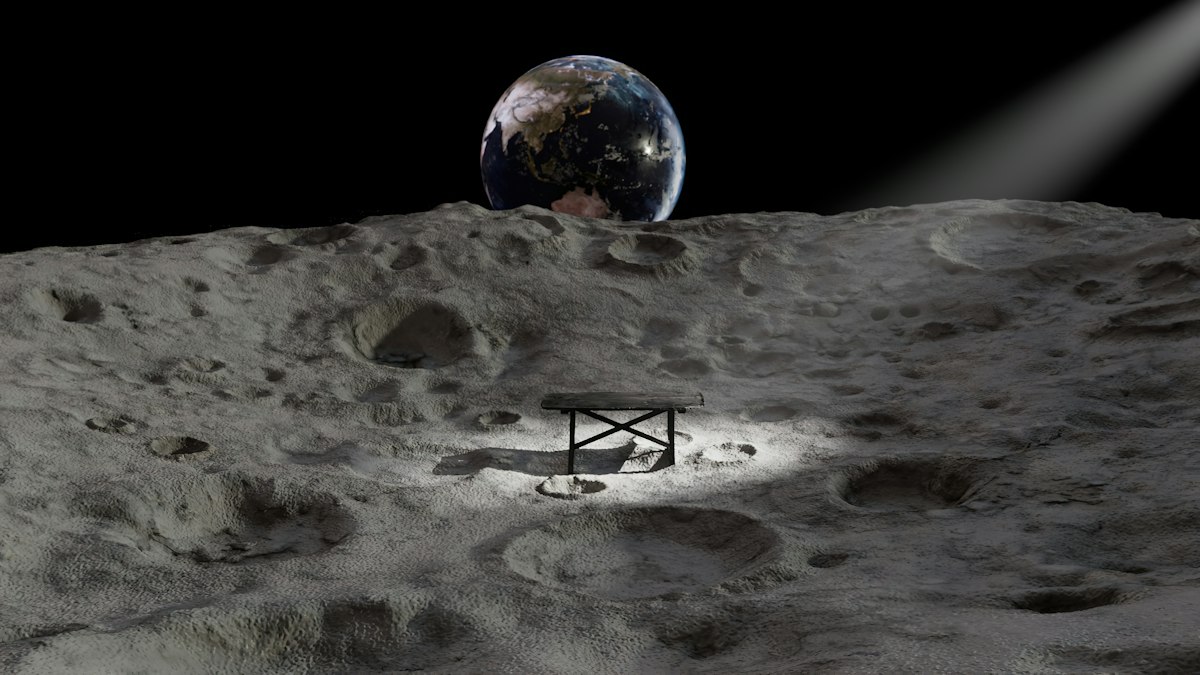
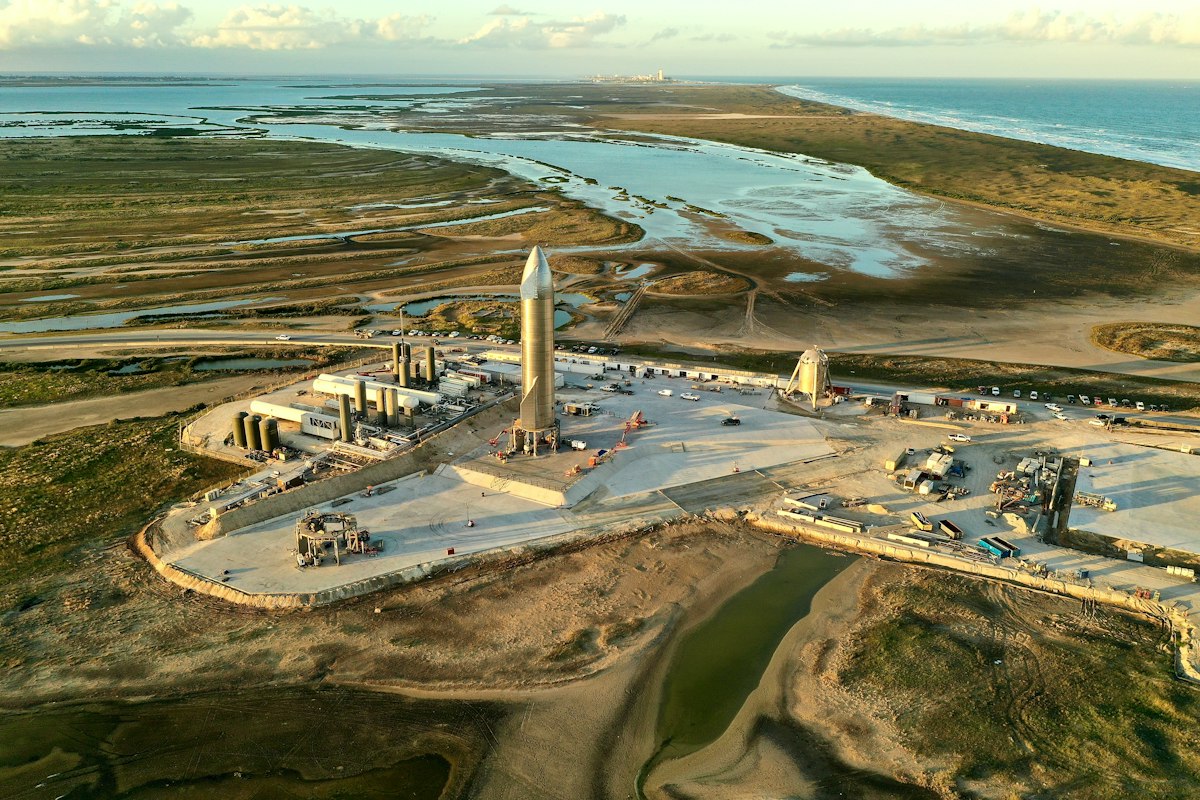
"The south pole is the most scientifically valuable and technically challenging landing site on the Moon," the mission's chief scientist said, adding that the delay allows engineers to conduct more thorough testing of the flying probe's navigation systems.## Why the Delay China Postpones Chang'e-7 Moon Mission primarily because of the complexity of the flying probe, a device unlike anything previously flown. Navigating a hopping spacecraft inside a pitch-black crater requires autonomous decision-making in real time, with no GPS and no line of sight to Earth. The chief scientist indicated that the extra time will be used for additional ground testing and software validation. He did not specify which subsystems required more work, but the flying probe has been described as the most technically demanding element of the mission. There is also the matter of launch infrastructure. China's lunar missions lift off from the Wenchang Spacecraft Launch Site on Hainan Island, and the Long March rocket assigned to Chang'e-7 must be integrated with the spacecraft well before the window opens. ## A Crowded Race to the Pole The south pole is getting crowded. NASA's Artemis III aims to land astronauts there later this decade. India's Chandrayaan-3 already demonstrated a soft landing near the south pole in 2023. Japan's SLIM lander touched down on the lunar surface in early 2024, though not in the polar region. China has its own timeline. The Chang'e-6 mission returned samples from the far side of the Moon in 2024, a first for any nation. Chang'e-7 was originally slated to follow in 2026. Now it slips to 2027. What does that mean for the broader program? China has stated its intention to land astronauts on the Moon by 2030. A delay in Chang'e-7 does not necessarily push back that goal, since the robotic and crewed programs run on separate schedules. But every slip invites scrutiny. ## The Technology at Stake The flying probe is the wild card. No other lunar mission has attempted to deploy a hopping robot inside a permanently shadowed crater. If it works, the data could fundamentally change how scientists model water distribution on the Moon. The probe will carry a miniaturized water molecule analyzer and a thermal detector. It must survive temperatures that plummet below minus 170 degrees Celsius. Its batteries and electronics are designed to operate in conditions that would destroy most commercial hardware.
- Orbiter: Will map the south pole and relay communications between the lander and Earth.
- Lander: Will touch down in a sunlit area near the pole and deploy the rover and flying probe.
- Rover: Will survey surface composition and terrain over a wide area.
- Flying probe: Will hop into shadowed craters to analyze water ice directly.
Frequently Asked Questions
When is China now targeting the launch of the Chang'e-7 Moon mission, and who confirmed the delay?
The mission's chief scientist confirmed the delay, stating the spacecraft will now target a launch window in 2027 rather than 2026, according to state media reports. The mission was widely expected to fly next year before being pushed back.
What is the primary scientific objective of the Chang'e-7 mission, and where will it search?
The Chang'e-7 mission is designed to search for water ice near the Moon's south pole, a region that has become the focal point of international lunar exploration. Scientists believe those shadowed craters could hold billions of tons of ice.
Why was the Chang'e-7 mission delayed?
The delay is primarily because of the complexity of the flying probe, a device unlike anything previously flown. Navigating a hopping spacecraft inside a pitch-black crater requires autonomous decision-making in real time, with no GPS and no line of sight to Earth.
What instruments and capabilities will the flying probe carry to analyze water ice?
The flying probe will use a combination of radar and spectroscopy to hunt for water molecules trapped in lunar soil, and it will carry a miniaturized water molecule analyzer and a thermal detector. It must survive temperatures that plummet below minus 170 degrees Celsius.
Does the Chang'e-7 delay affect China's other lunar missions, such as Chang'e-8 or the goal of landing astronauts by 2030?
The chief scientist noted that the delay does not affect the Chang'e-8 mission, which is planned for 2028 and will test resource utilization technologies at the south pole. A delay in Chang'e-7 does not necessarily push back the goal of landing astronauts on the Moon by 2030, since the robotic and crewed programs run on separate schedules.

Leo Sokolov reports on spaceflight and the companies and agencies racing to reach orbit and beyond. He is captivated by the engineering that makes leaving Earth possible.
💬 Comments (0)
No comments yet. Be the first!