Spain Battles Climate Change on Several Fronts
Spain battles climate change as wildfires, drought and floods hit farming, tourism and the economy, from Gredos farmers to Valencia's recovery.
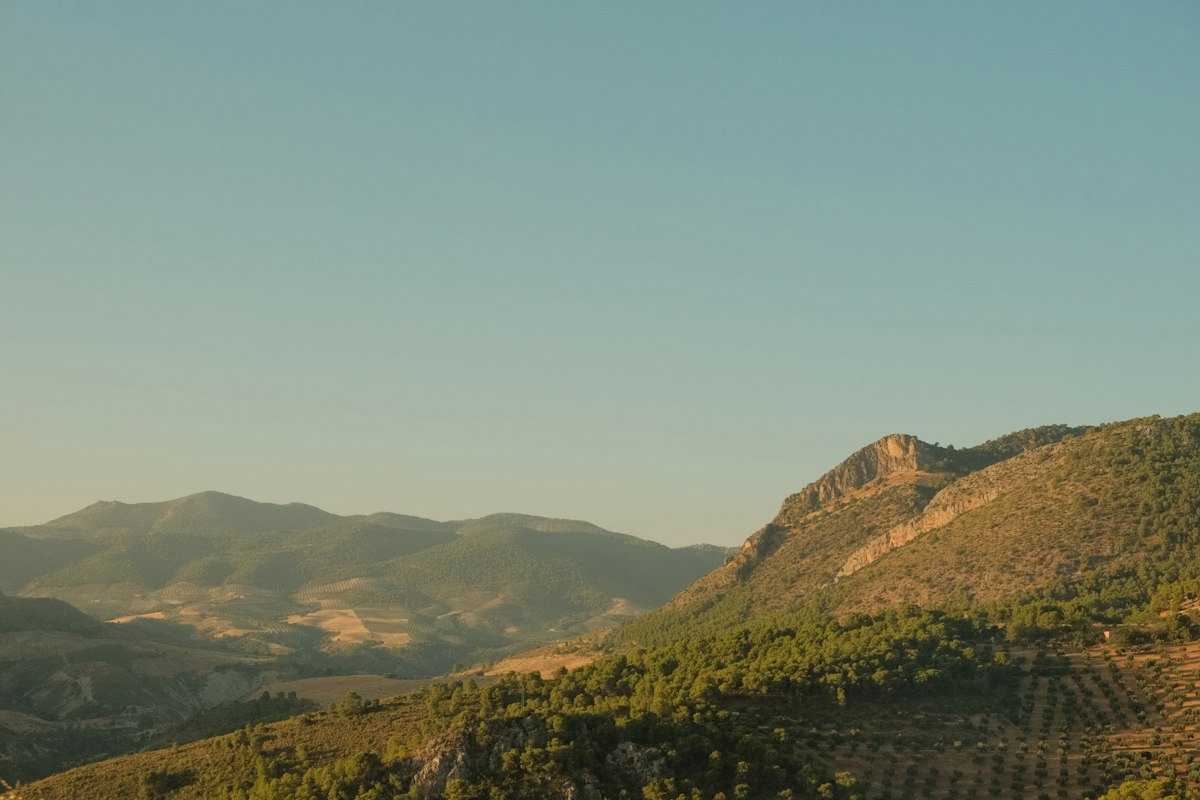
Spain battles climate change on a scale that touches nearly every corner of its economy, from the pastures of the Gredos mountains to the packed streets of Toledo and the industrial parks outside Valencia. The country's geography, climate and topography leave it unusually exposed as global temperatures rise, and the evidence of that exposure is no longer scattered or seasonal. It is constant.
Fire Scars Across the Countryside
In a small green meadow west of Madrid, a couple of dozen cows belonging to Juan Ángel Izquierdo and his family graze beneath the gentle clang of bells. Blackened pine and oak trees ring the pasture. The fire that arrived in late July merged with two others and burned roughly 80,000 hectares, making it the biggest blaze Spain has ever registered.
It swallowed more than two thirds of Izquierdo's land. It killed 12 of his 85 cows. Another eight had to be put down. And the hay, all of it, every bit he'd gathered for winter feed, was gone too, which left him with nothing to put in front of the herd once the cold set in. His family has farmed there for 200 years. But they're not the ones who lost it.
It was immense. I've never seen anything like it, he says. For farmers, the shifting seasons carry a simple warning. The summers are becoming more and more worrying, because they're getting hotter, and it rains less, and the wet season ends earlier, and the autumn starts much later. It rains less. The wet season ends earlier. And the autumn starts much later.
Those conditions are synonymous with fire. "If you don't think about the wildfires too much, you feel okay," Izquierdo says. "But when a fire starts in a nearby village you start wondering, and what if we're next?"
A Crisis Measured in Hectares
Spain has burned. Around 300,000 hectares have burned in Spain this year, according to the European Forest Fire Information System, and that is approximately half the total affected across the entire European Union, which is a staggering share for one country alone.
In the last 40 years, annual fire damage in Spain has exceeded 200,000 hectares on eight occasions. Three of those have come since 2022. World Weather Attribution, an international research organisation, found that the extreme conditions behind record-breaking fires in Spain and Portugal in 2025 were 40 times more likely because of the warming climate.
"The ultimate reason for the greater frequency and intensity of these kinds of fires has to be attributed to the increase in greenhouse gases caused mainly by the generalised use of fossil fuels," said Ernesto Rodríguez Camino, president of the Spanish Meteorology Association.
Pedro Sánchez has put Spain on the front line of an environmental crisis. "The climate emergency kills," he said. That was in July. He said it during a visit to Almería, where a wildfire claimed 15 lives, and the words themselves, spoken in a region still grieving those deaths, carried a weight that no policy document could ever match. And it's a crisis Spain can't ignore.
The farming insurance association Agroseguro estimated that 16,000 hectares of crops had been destroyed by mid-August. Agriculture and food production contributes 9% of Spain's GDP. Authorities in Castilla y León, the region hit hardest by the fire near Madrid, are offering compensation of between €5,500 and €25,000 per farmer depending on damage. Izquierdo reckons that will cover less than half of his losses.
Too Hot for the Tourists
For decades, Spain's warm climate powered another major industry. Close to 100 million foreigners are expected this year, making Spain the second most-visited country in the world behind France. Tourism represents 13% of GDP.
But heat now bites the hand that fed it. It's turning against the very business it built. A study by researchers at Madrid's Rey Juan Carlos University found it can act as a deterrent to potential visitors, and that's a problem for an industry that has spent years selling sunshine, warm nights, and long, lazy afternoons to people who don't want to sweat through their holidays.
Heatwaves hurt tourism. The number of overnight stays drops in the destinations we've studied, and there's also a drop in arrivals from some of Spain's biggest markets, says María Dolores Sánchez, an economist who co-authored the research. Tourism accounts for 13% of Spain's GDP. So this could have repercussions in the medium term for Spain's competitivity.
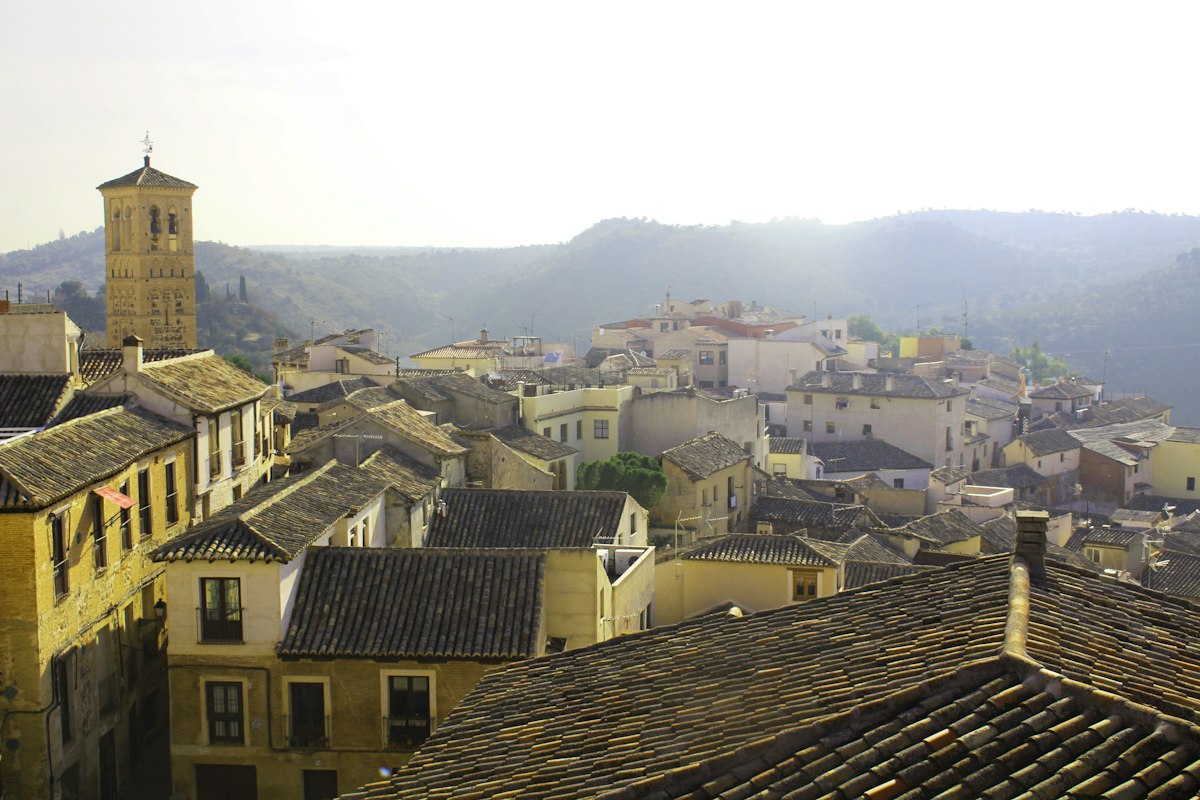
The country registered a record-breaking 61 days of heatwaves. That's a record. And they continued into early September, which means the swelter didn't quit when the calendar said it should, and it's the kind of number that sticks with you because 61 straight days of punishing heat is not normal anywhere. Toledo, the medieval city on the plains of Castilla-La Mancha, repeatedly saw temperatures above 40C. We've seen this before. But not like this.
It's quite difficult to do the tours in the summer. That's what Diego Esteban says. He's a guide with Visit Toledo. We need to adapt, whether it is those of us who work in the tourism industry or the locals.
Esteban builds frequent stops into his summer tours. He adds drinking water and shaded routes too. But he wants more shade and public fountains. He says the heat has begun shifting the tourist season toward the cooler months of spring and autumn, and it has encouraged the "coolcation" trend, with Spanish travellers heading north for their holidays.
Drought, Floods and the Price of Inaction
Drought has been another consequence. In 2024, after three years of minimal rainfall, Catalonia temporarily imposed stringent water restrictions, including a 25% reduction for industry and an 80% reduction for crop farming. Heavy rain since then has lifted them, but the drought left a deep mark on the local economy.
The most tragic phenomenon came in October 2024, when flash floods killed 237 people in eastern Spain, centred on the Valencia region. The meteorological research group Climatoc-Lab described it as a manifestation of how global warming alters the hydrological cycle. The Valencia Chamber of Commerce put direct damage at €4.5bn.
"It was a disaster, both in terms of the lives lost and the impact on businesses, on workers, employers and ordinary people," says Laura Llácer Álvarez, manager of the Fepeval federation of industrial parks in the region.
Germanwatch, an independent environmental organisation, ranked Spain the world's 20th most affected country in its climate risk index for 2024, just behind Nigeria and Mali.
Yet there are those who see an upside. "Climate change affects how we produce, how we invest and how we consume," says Julián Cubero, head of economics of climate change at the BBVA Research think tank. He points to heat as a drag on economic activity. "We all work worse when it's hot," he says. A greener economy, he argues, can create new jobs with greater productivity.
"The key is to realise that if we don't act, growth will slow down, and if it's handled right it can become an opportunity."
What the Next Summers Hold
For Izquierdo, the calculation is less abstract. The compensation will not rebuild his herd or regrow his hay. His family has worked this land for two centuries, and the fires are no longer a distant worry in a nearby village. They arrive, they burn, and they leave the bells ringing in a meadow ringed by black trees.
Frequently Asked Questions
How much land burned in Spain this year, and how does that compare to the rest of the European Union?
Around 300,000 hectares have burned in Spain this year, according to the European Forest Fire Information System. That is approximately half the total affected across the entire European Union.
Why has the frequency and intensity of fires in Spain increased, according to Ernesto Rodríguez Camino?
Ernesto Rodríguez Camino, president of the Spanish Meteorology Association, said the ultimate reason for the greater frequency and intensity of these kinds of fires has to be attributed to the increase in greenhouse gases caused mainly by the generalised use of fossil fuels. He stated this in the context of Spain's worsening fire conditions.
How is extreme heat affecting Spain's tourism industry, which represents 13% of GDP?
A study by researchers at Madrid's Rey Juan Carlos University found heat can act as a deterrent to potential visitors. The number of overnight stays drops in the destinations studied, and there's also a drop in arrivals from some of Spain's biggest markets, according to economist María Dolores Sánchez.
What water restrictions did Catalonia impose in 2024 after three years of minimal rainfall?
In 2024, after three years of minimal rainfall, Catalonia temporarily imposed stringent water restrictions, including a 25% reduction for industry and an 80% reduction for crop farming. Heavy rain since then has lifted them, but the drought left a deep mark on the local economy.
What compensation are authorities in Castilla y León offering farmers, and how does it compare to Juan Ángel Izquierdo's losses?
Authorities in Castilla y León, the region hit hardest by the fire near Madrid, are offering compensation of between €5,500 and €25,000 per farmer depending on damage. Izquierdo reckons that will cover less than half of his losses.

Astrid Berg covers space and astronomy, from missions and launches to the science of the universe. She follows the ongoing effort to explore beyond our planet.
💬 Comments (0)
No comments yet. Be the first!