WARDEN Proposal: Protecting Space Infrastructure
University of Edinburgh researchers propose WARDEN to protect orbital assets from meteoroid storms and space debris threats.

WARDEN is the bold new proposal to safeguard our rapidly expanding orbital economy from cosmic debris, meteoroid storms, and passing space rocks. It’s a simple idea. But as we push deeper into the final frontier, our high-tech assets are moving far beyond the safety of Earth's atmosphere, so they’re left completely exposed to high-speed cosmic grit that can easily tear through delicate electronics. Two researchers from the University of Edinburgh, Brian Murphy and Richard Cannon, have put forward a systematic plan to address this exact vulnerability.
Their recent win? The prestigious Schweickart Prize. Named after Apollo 9 astronaut Rusty Schweickart, it's a B612 Foundation program that pushes graduate students to develop creative concepts for defending our planet from near-Earth objects. So by taking home the trophy and the ten thousand dollar cash award, Murphy and Cannon are shifting the spotlight from planet-ending asteroids to the immediate threats facing our orbital infrastructure.
The Rising Threat to Our Satellites
Let's examine the orbital math. For decades, the primary focus of planetary defense was protecting the surface of the Earth, but the orbital environment has changed dramatically over the last fifteen years. We've seen a shift.
Murphy and Cannon estimate that our collective exposure to meteoroids has increased by a factor of 10 to 100. It's a staggering leap. But as commercial ventures continue to build out mega-constellations, this risk will grow exponentially. Even a tiny piece of space dust carries enough kinetic energy to disable a spacecraft instantly. That's terrifying. The researchers point out that even when we had only a fraction of the assets in space, cosmic impacts still caused damage in the 1.2 billion dollar range.
Historical Hits in Deep Space
Think this is just a theoretical problem? Think again. History shows us that orbital assets are sitting ducks during major celestial events.
- In 2009, scientists suspect another Perseid meteoroid struck and damaged the Landsat 5 satellite, which was operated by NASA and the USGS.
How Satellite Operators Fight Back
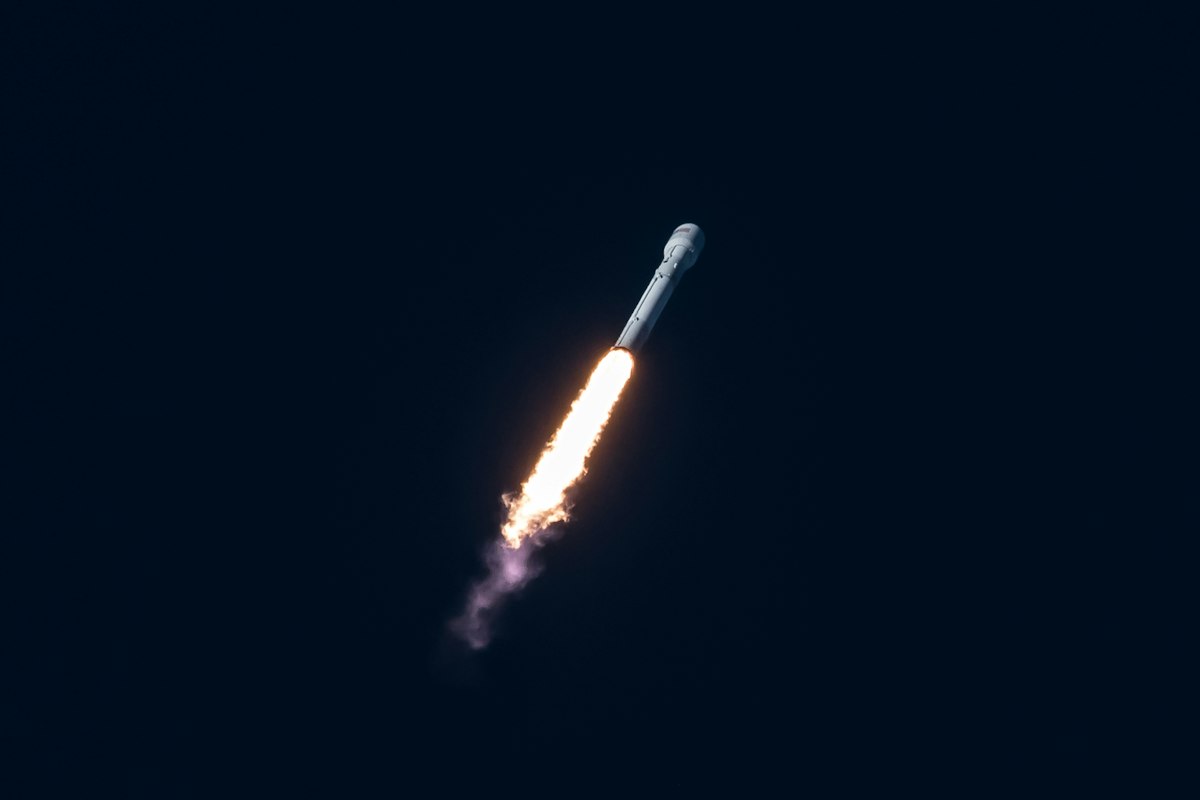
Right now, operators aren't completely defenseless. SpaceX equips its Starlink satellites with specialized shielding to absorb minor impacts, and the company also uses a defensive maneuver that flattens a satellite's solar arrays to minimize its cross-sectional exposure during predicted storms. But other startups, like Seattle-area space venture Starcloud, are also keeping an eye on the issue as they plan to launch tens of thousands of data center satellites.
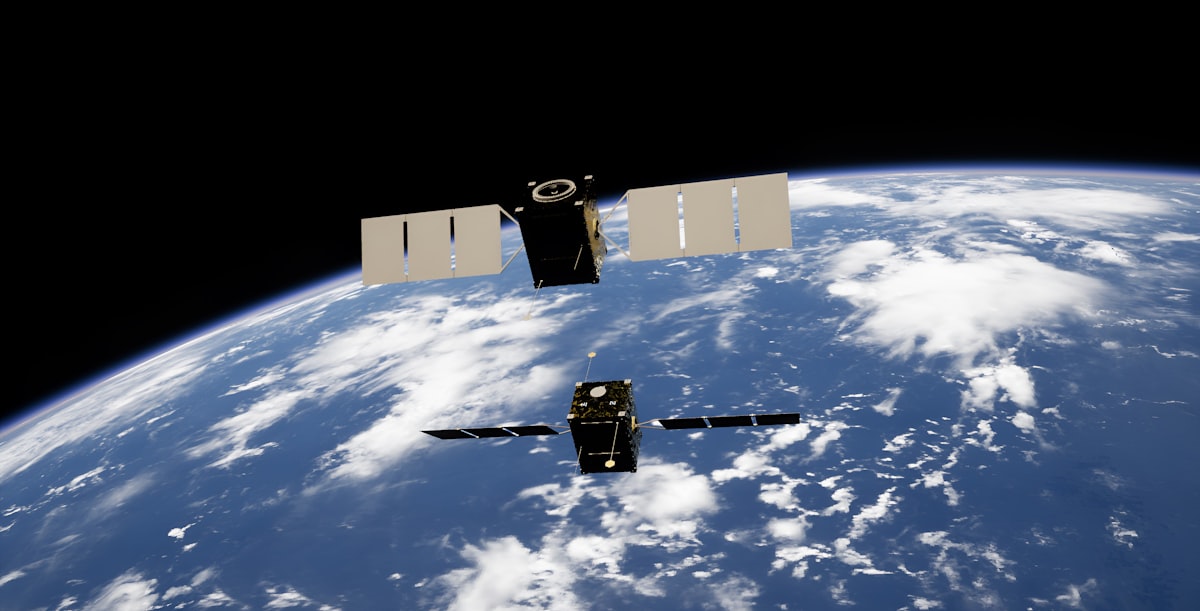
"Right now we are very focused on the engineering for the first and second satellite, but it's something we will put more time into as we build out the constellation," Starcloud co-founder and CEO Philip Johnston said in an email.
How the WARDEN Network Operates
WARDEN stands for Warning Network for Asset Resilience From Dusts, Ejecta and NEOs. It's designed to fill a major gap in our current space defense architecture, but the creators argue that existing international bodies like the International Asteroid Warning Network and the Space Mission Planning Advisory Group are set up to protect Earth, not our hardware in space. So they hope to establish a third pillar of planetary defense by introducing this new network.
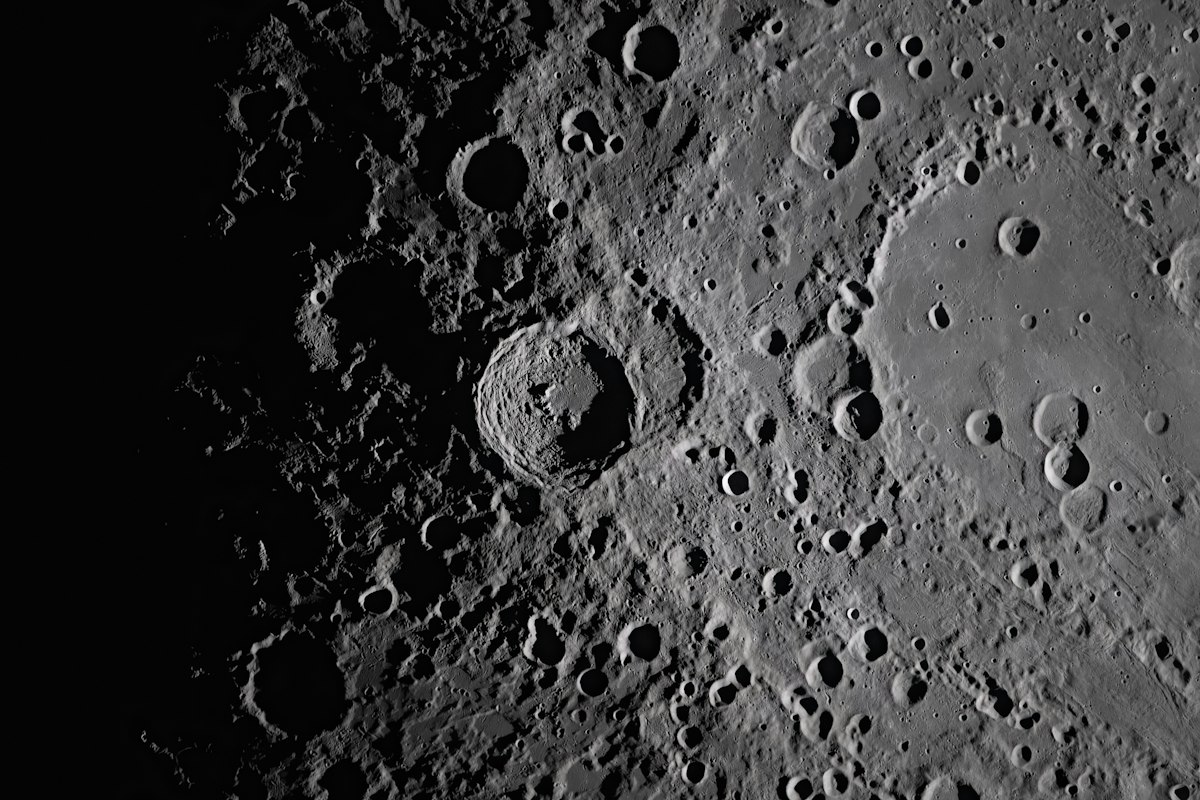
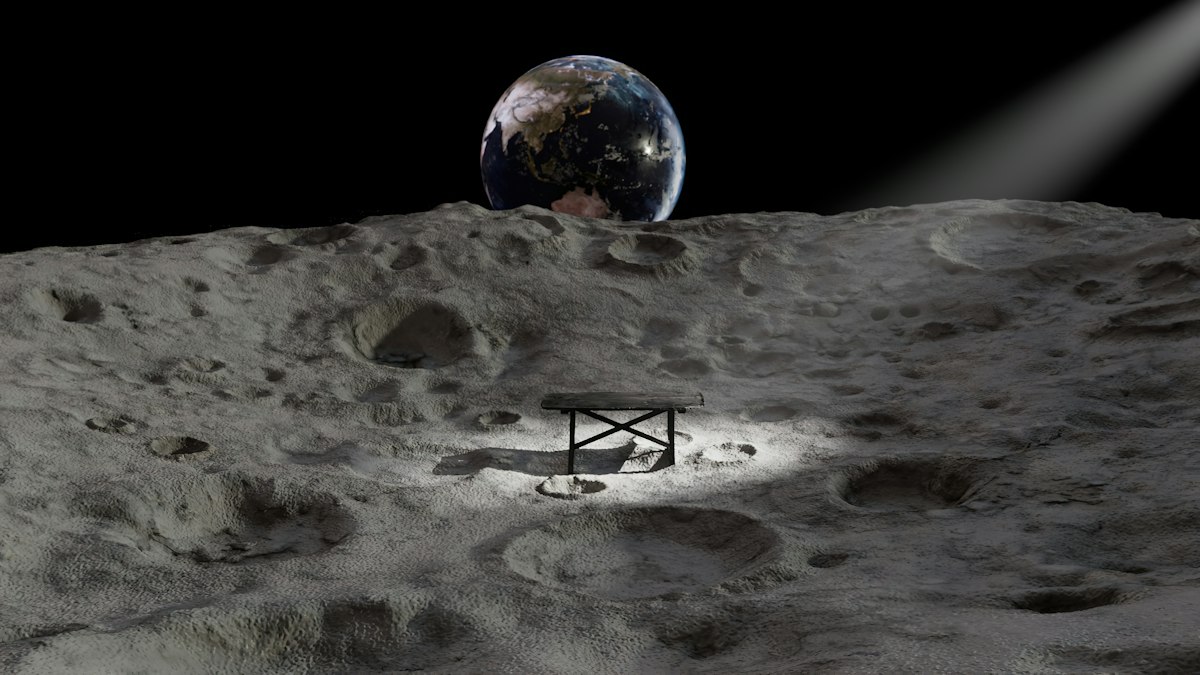
The system won't just monitor near-Earth space. It would track threats stretching all the way out to the moon, protecting future orbital fuel depots, lunar bases, and asteroid mining operations from potential catastrophe. NASA tracked a building-sized asteroid named 2024 YR4 last year. It had a small chance of hitting the moon in 2032, but while the agency eventually ruled out the impact, the event proved that future lunar bases will face real cosmic dangers. So don't underestimate it.
Building the WARDEN Foundation
The next steps are already in motion. But Murphy and Cannon plan to use their ten thousand dollar prize money to fund meetings and establish the International Commission on Space Infrastructure Resilience, or ICSIR, which will require careful coordination and long-term planning. They're moving fast. It's a bold vision.
The first official meeting of this new commission is scheduled to take place at the University of Edinburgh in Scotland, so they're bringing together experts from the small-body scientific community and satellite industry players to turn this defensive proposal into a functioning global shield. Follow-up meetings happen every six months. The founders plan to host these gatherings to maintain momentum and build out a permanent online presence, but they won't stop there.
Frequently Asked Questions
What is the WARDEN proposal designed to protect?
The WARDEN proposal is designed to protect space infrastructure from cosmic debris, meteoroid storms, and passing space rocks. It aims to safeguard orbital assets, future orbital fuel depots, lunar bases, and asteroid mining operations.
Why do Murphy and Cannon believe a new defense network is needed?
Murphy and Cannon argue that existing international bodies like the International Asteroid Warning Network are set up to protect Earth, not hardware in space. They hope to establish a third pillar of planetary defense to fill this gap and address the growing threat to orbital infrastructure.
How do satellite operators currently protect against cosmic impacts?
SpaceX equips Starlink satellites with specialized shielding to absorb minor impacts and uses a defensive maneuver that flattens solar arrays to minimize exposure during storms. Other startups like Starcloud plan to address the issue as they build out their constellations.
When and where is the first official meeting of the International Commission on Space Infrastructure Resilience scheduled?
The first official meeting of the International Commission on Space Infrastructure Resilience is scheduled to take place at the University of Edinburgh in Scotland. Follow-up meetings will be held every six months to maintain momentum.
Who are the researchers behind the WARDEN proposal, and what prize did they win?
The researchers are Brian Murphy and Richard Cannon from the University of Edinburgh. They won the prestigious Schweickart Prize, a B612 Foundation program, which includes a ten thousand dollar cash award.
Arthur Vance writes about astronomy and space exploration, covering the discoveries that expand our view of the cosmos. He enjoys connecting distant science to the questions we ask here on Earth.
💬 Comments (0)
No comments yet. Be the first!