Observable Space's Tech: A Reality Check
Former SpaceX software head Dan Roelker is building ground-based telescopes to improve orbital tracking and data collection.
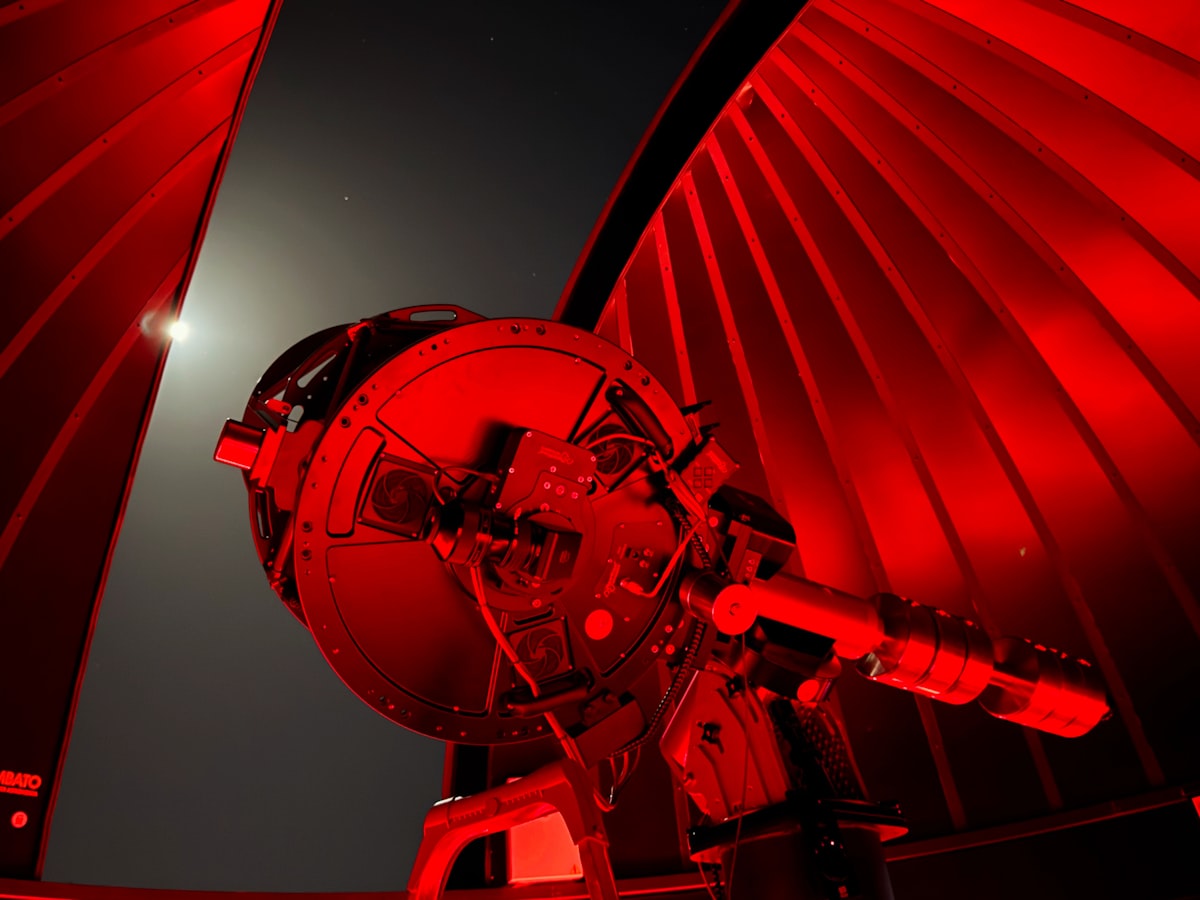
It's a simple resource: light on the ground. Observable Space is redefining how we track objects in orbit and communicate across the solar system by focusing on that, while massive aerospace firms pour billions into complex orbital networks. But a quieter race is playing out down here. Collect the most light. The entity that collects the most light wins, and the core idea is that if you can control the light, you can control space.
Let's break this down. The sky is getting incredibly crowded, and keeping track of everything is a massive operational headache, but by focusing on advanced optics and smart software this approach brings a practical reality check to the modern space race. It's not just about launching more metal into orbit. So it's about actually seeing what is already up there.
From Cyber Battlespaces to Orbital Tracking
It wasn't a typical path. Dan Roelker co-founded this hardware and software powerhouse after starting out as a hacker in the late 1990s and then moving into network security at Sourcefire. But his career took another turn. He managed offensive cyberwarfare initiatives at DARPA, leading Plan X, a major defense project that aimed to automate cyberattacks.
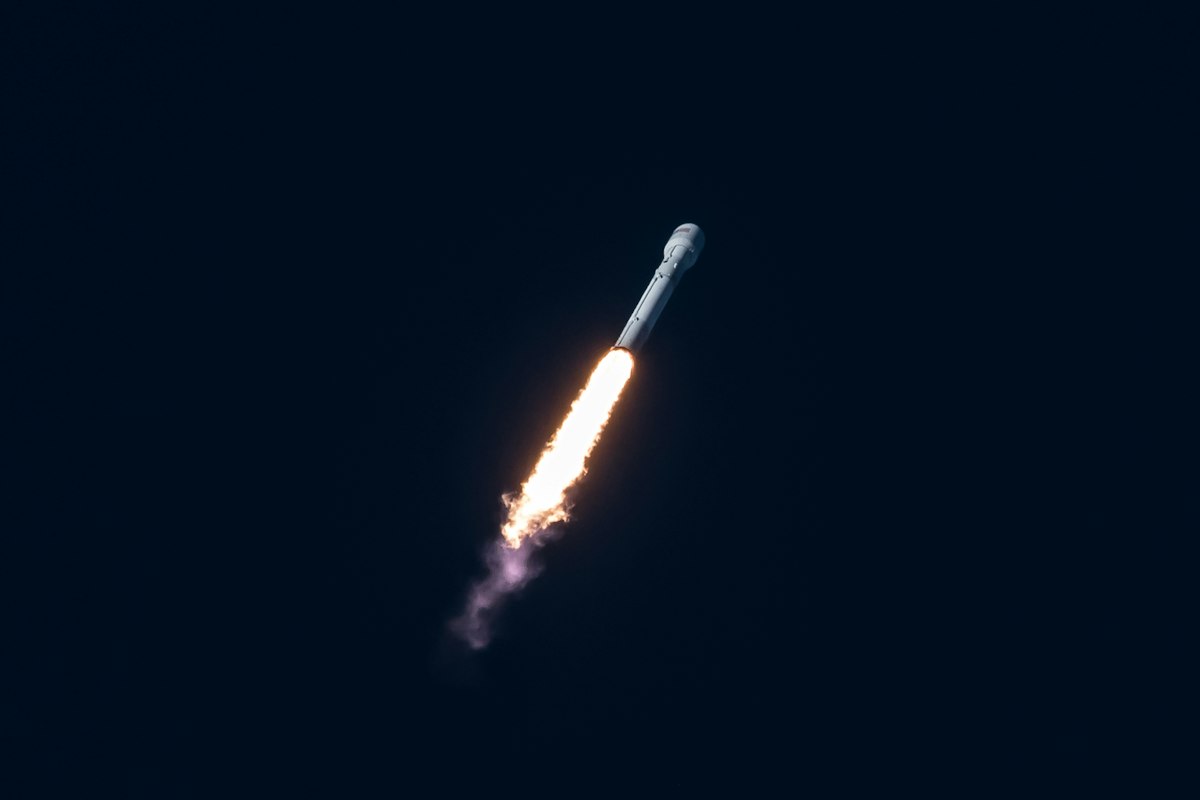
Roelker managed software teams at Riot Games. But he joined SpaceX in September 2015 as the head of software engineering, taking over a Falcon 9 software team that was eight months behind schedule on his very first day. They narrowed their focus strictly to flight software and the first-stage landing. It's how the team helped the rocket successfully return to flight on December 21, 2015. That was the key.
The Realities of Orbital Traffic
Roelker managed software for Falcon Heavy, Crew Dragon, Starship, and Starlink. And during that time, he noticed a glaring operational issue: the Air Force would send SpaceX a daily list of about a thousand potential satellite collisions, but the vast majority of these alerts were false positives. It's a constant battle. Knowing the precise location of satellites and debris was the problem they couldn't escape.
Building the Software Base
Roelker left SpaceX in 2019. So by October 2022, he'd co-founded a company called OurSky to address this tracking problem, and along with software lead Connor Poole they wrote code that meshes observations from dozens of separate telescopes. But the system delivers sub-arcsecond precision coordinates to satellite operators within 90 seconds of a request.
“Everything we know about the universe comes from telescopes. So while the total addressable market of that is not super big or attractive to VCs, I don’t know of a bigger question we can answer as humans outside of that.” ; Dan Roelker
Merging Code with Heavy Hardware
Software alone wasn't enough. To get the precision they needed, Roelker and Poole realized they had to build their own hardware by partnering with PlaneWave Instruments, a telescope manufacturer founded in 2006 by Richard Hedrick in Adrian, Michigan. But Hedrick had previously worked as a senior engineer at Celestron, and he wanted to keep high-end telescope manufacturing inside the United States.
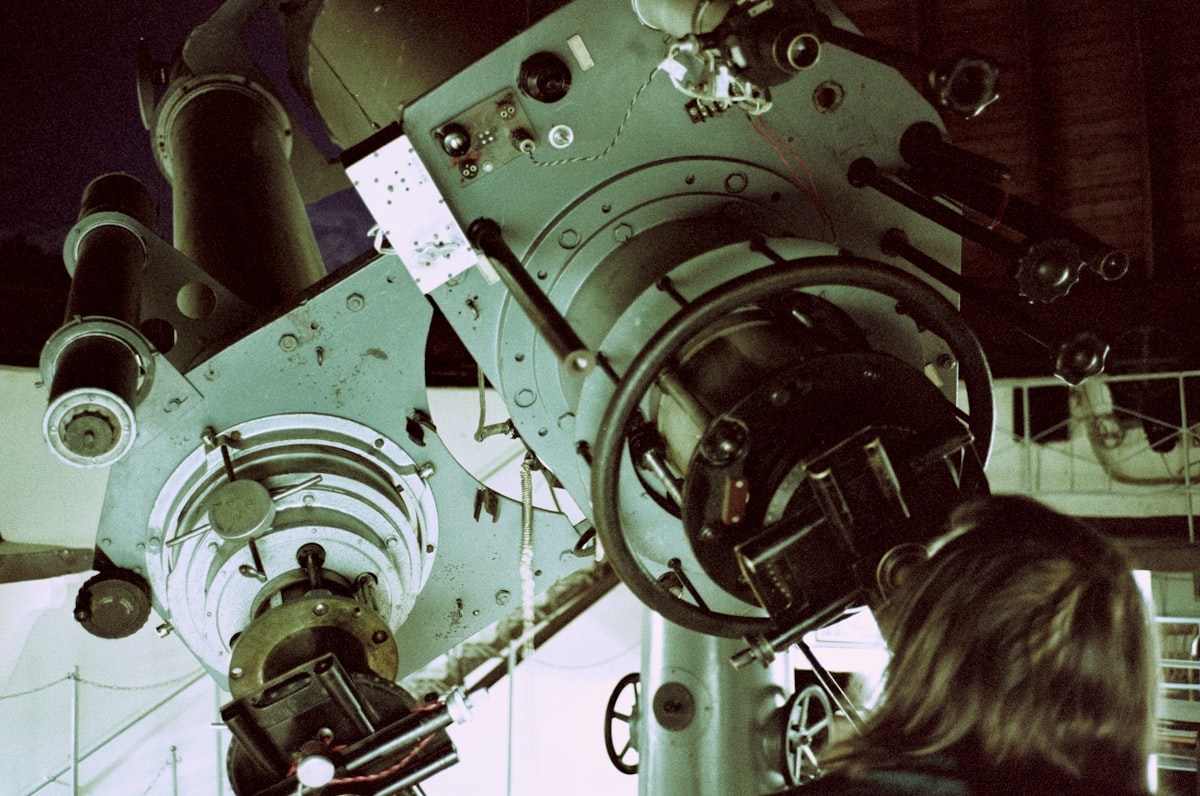
About 18 months ago, OurSky and PlaneWave merged to form Observable Space. It's now the largest US-based telescope manufacturer. So by combining advanced software, adaptive optics, and domestic manufacturing, the company has quickly scaled its operations to serve both scientific researchers and defense agencies.
The New Ground-Based Space Race
Why does ground-based tracking matter so much right now? It's urgent. Over the last five years, the number of active satellites in low-Earth orbit has surged from approximately 3,000 to more than 15,000, and this massive spike is driven by continuous launches of Starlink, Amazon Leo satellites, and Chinese constellations like Guowang and Qianfan.
The orbital environment is congested. And it's forced the US military to look for better tracking data, so the US Space Force recently awarded a 94 million dollar contract to Observable Space to scale up production of its high-performance optical telescopes. This funding will focus on deploying highly mobile, off-grid robotic telescope systems to improve overall space domain awareness.
Key Hardware and Projects
- The Argus Array: A massive project funded by former Google CEO Eric Schmidt, consisting of 1,200 telescopes with 11-inch mirrors built by the company to image the entire Northern Hemisphere sky.
- The Iguana Space Telescope: A compact 200 mm aperture telescope designed for spacecraft to perform orbital navigation, proximity operations, and space domain awareness.
- Project Shadow: An upcoming mission using an Apex spacecraft bus to demonstrate space-based interceptors, which will carry the first Iguana telescope into orbit later this year.
The Shift to Laser Communications
Tracking is only half the battle. So the company is also positioning itself to commercialize optical laser communications, which can transmit 10 to 100 times more data from a smaller onboard transmitter than traditional radiofrequency systems can. Those old systems are slow and power-hungry.
But there is a catch. Laser beams are incredibly narrow and suffer from beam spread over long distances. For example, a laser beam sent from a geostationary orbit 22,000 miles above Earth starts out the width of a coffee cup but spreads to a full kilometer wide by the time it hits the ground. Ground-based telescopes must be highly precise to capture these scattered photons and translate them back into clean data.
The Verdict on Ground-Based Tech
The future of orbital operations is being decided on the ground. Don't forget this: light is the real fuel. Observable Space is proving that high-speed software and precise domestic telescope manufacturing are just as critical as the rockets that launch these payloads, so as orbits become more crowded and data demands skyrocket, the ability to capture and process light will dictate who succeeds in the modern space ecosystem.
Frequently Asked Questions
What is Observable Space's core strategy for tracking objects in orbit?
Observable Space focuses on collecting light from the ground using advanced optics and smart software, rather than relying on complex orbital networks. The entity that collects the most light wins, as controlling light means controlling space.
Why did Dan Roelker co-found OurSky, which later merged to form Observable Space?
Roelker noticed a glaring operational issue at SpaceX: the Air Force sent daily lists of about a thousand potential satellite collisions, but most were false positives. He co-founded OurSky to address the problem of knowing the precise location of satellites and debris.
How does Observable Space achieve sub-arcsecond precision in satellite tracking?
The company combines software that meshes observations from dozens of separate telescopes with custom hardware built through a partnership with PlaneWave Instruments. This system delivers sub-arcsecond precision coordinates to satellite operators within 90 seconds of a request.
When did OurSky and PlaneWave merge to form Observable Space?
About 18 months ago, OurSky and PlaneWave merged to form Observable Space. The merger combined advanced software, adaptive optics, and domestic manufacturing to scale operations for scientific and defense clients.
Who awarded a $94 million contract to Observable Space, and for what purpose?
The US Space Force awarded a $94 million contract to Observable Space to scale up production of its high-performance optical telescopes. The funding will focus on deploying highly mobile, off-grid robotic telescope systems to improve space domain awareness.

Arthur Vance writes about astronomy and space exploration, covering the discoveries that expand our view of the cosmos. He enjoys connecting distant science to the questions we ask here on Earth.
💬 Comments (0)
No comments yet. Be the first!