China's Long March 12B Reusable Rocket Debuts in Surprise Launch
China's Long March 12B rocket launched unexpectedly from the Gobi Desert, carrying Qianfan satellites into orbit.
A Surprise in the Desert
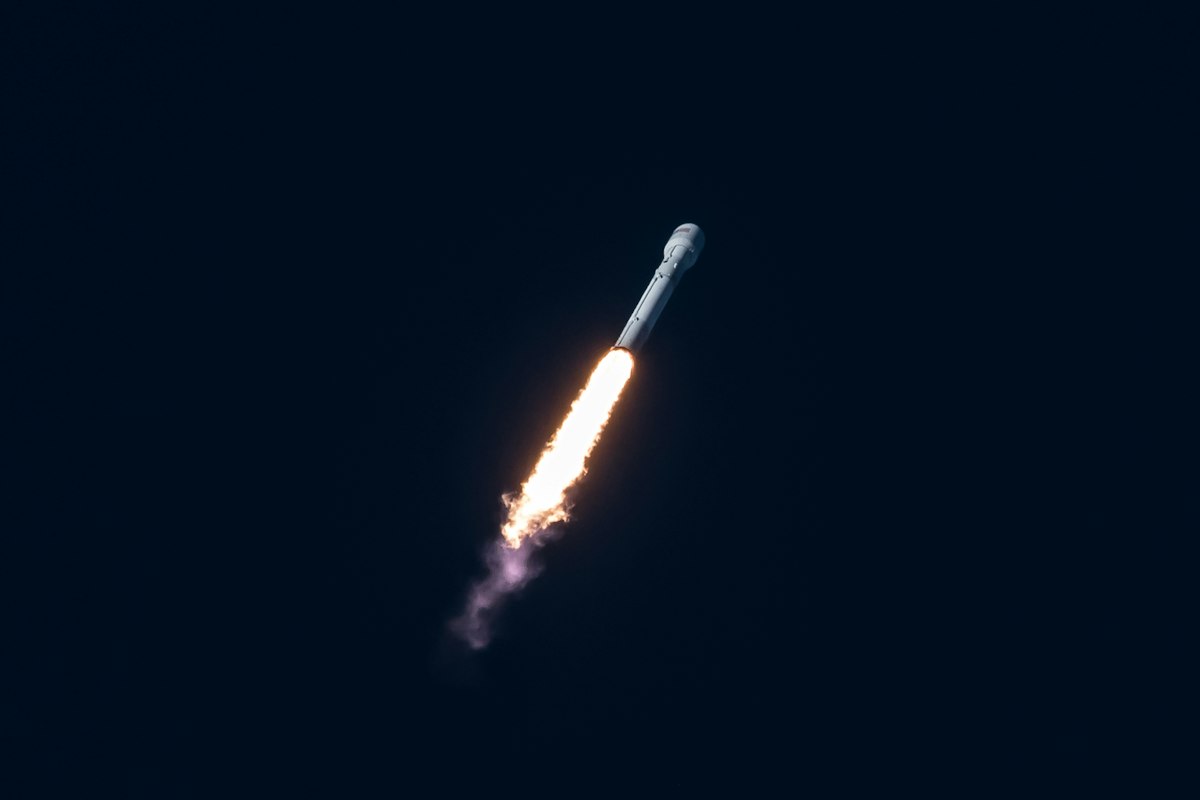
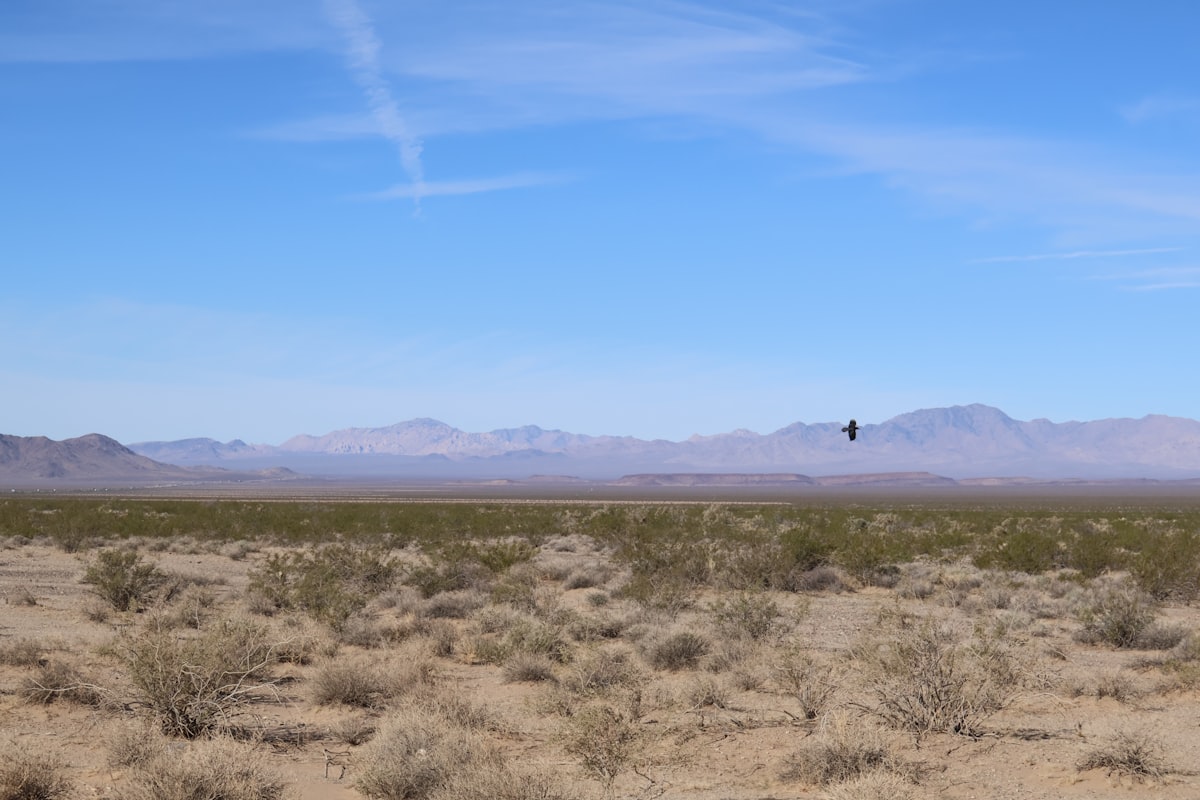
Long March 12B thundered off a remote launch pad in the Gobi Desert on Monday, debuting without the customary public notices that typically precede space launches around the world. The 236-foot-tall rocket lifted off at 4:40 pm Beijing time, carrying a batch of Qianfan broadband satellites into low-Earth orbit. Chinese officials gave no advance warning. No pilot advisories were issued. The secrecy was total.
The rocket belongs to China Commercial Rocket Co. Ltd., or CACL, an opaque business venture nested inside the country's sprawling state-owned aerospace apparatus. Its parent company, China Aerospace Science and Technology Corporation, declared the first flight a complete success within hours. What made the launch unusual was not just the cloak of silence. It was the sheer speed of the program.
No Warning, No Notices
Aviation authorities worldwide routinely publish notices for airspace closures ahead of rocket launches. China has historically followed the same protocol. Not this time. The government released nothing. Russia has recently adopted a similar tactic, issuing safety warnings that span multiple days to obscure exactly when a rocket will fly. Whether Monday's quiet rollout marks a one-off deviation or a permanent policy shift remains an open question.
The rocket's no mystery. And the rocket completed a test firing on the pad back in January, and a launch was widely expected before midyear, and engineers reportedly took the Long March 12B from a blank sheet to orbital flight in just 21 months, so if that timeline holds up to scrutiny it's a blistering pace for an orbital-class vehicle.
"This launch adds another high-capacity commercial rocket to [China's] fleet for large-scale Internet constellation networking missions," CASC said in its post-launch statement. "No recovery tests were conducted during this mission; however, first-stage recovery tests are scheduled to be carried out at a later, opportune time."
The booster did not attempt a landing on Monday. But it flew with grid fins and landing legs, the unmistakable hardware of a rocket built to come back down in one piece. Those tests will come later. For now, the message was clear: the state-owned sector intends to lead the reusable race.
One Name, Three Rockets
But the naming doesn't help. It's a study in parallel evolution with three distinct designs sharing the same numerical badge, and the original Long March 12 first flew in 2024 with four kerosene-fueled engines and a conventional expendable architecture. The Long March 12A followed in December, swapping kerosene for methane-burning engines from a private manufacturer, and it reached orbit with half the payload capacity of its predecessor once booster recovery fuel reserves were factored in.
The Expendable Original
The baseline Long March 12, managed by the Shanghai Academy of Spaceflight Technology, established the four-engine kerosene design in 2024. It was never intended to return to Earth.
The Methane Outsider
It's a rocket that worked. But SAST also oversaw the 12A variant, which outsourced propulsion to a private engine builder and switched fuel entirely, so result paid a steep penalty in lifting power when recovery hardware and fuel were included.
The Heavyweight Contender
The Long March 12B reverts to kerosene and liquid oxygen. It is taller than both siblings. It is wider. And instead of four engines, it mounts nine on the first stage, paired with a single engine on the second. Collectively, those changes push its expendable payload capacity to about 20 metric tons, close to what the original Long March 12 could manage without any reuse provisions.
- Long March 12: four kerosene engines, expendable, flew in 2024
- Long March 12A: methane-fueled, reached orbit in December, half the payload capacity
- Long March 12B: nine kerosene engines, taller and wider, debuted Monday
Catching Lightning
236 feet tall. Nine kerosene-fueled engines generating 1.7 million pounds of thrust at liftoff. A single engine on the second stage. The architecture mirrors the Falcon 9 so closely that the comparison writes itself. SpaceX's workhorse can deliver nearly 23 metric tons to low-Earth orbit in expendable mode. The Long March 12B maxes out at about 20 metric tons. The numbers sit in the same neighborhood.
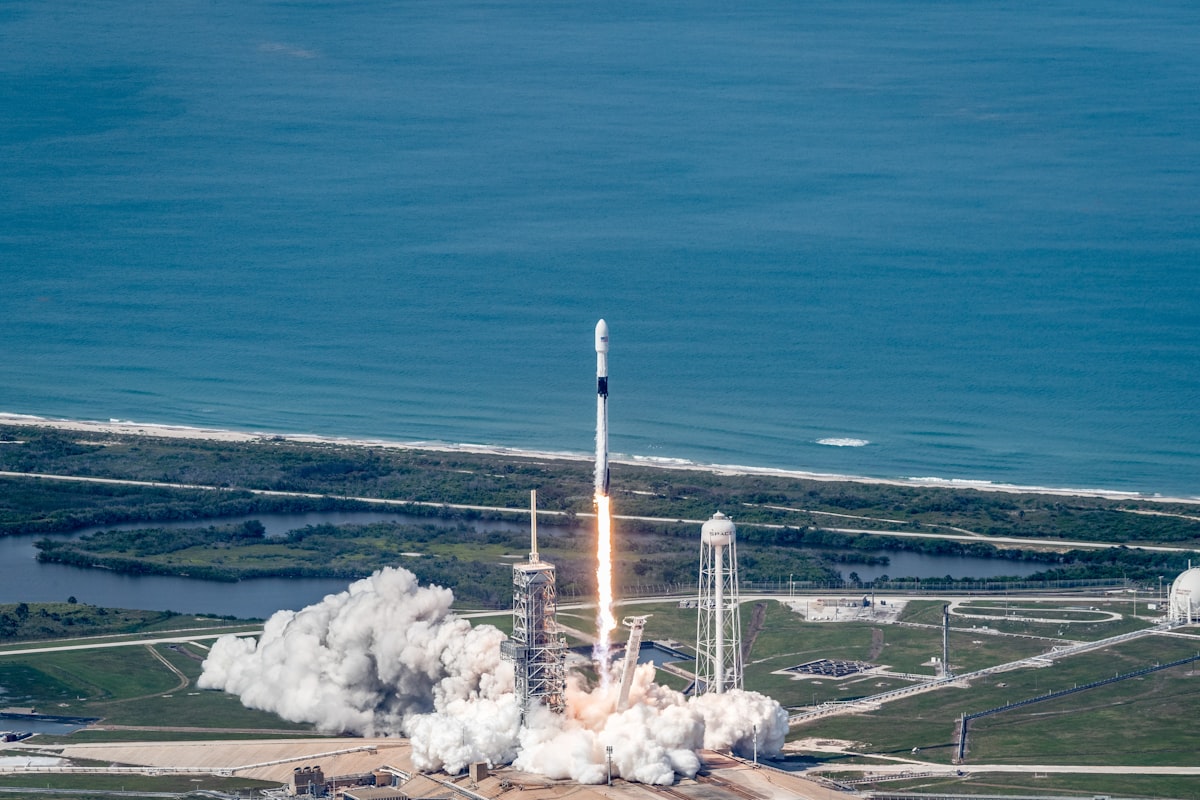
But don't dismiss them as imitations. That misses something fundamental. Clustering seven or nine engines on a booster stage isn't merely aesthetic; in some configurations it delivers high thrust, throttles for controlled landing burns, and allows engine failure without killing the mission. The engineering logic stands on its own. Blue Origin's New Glenn uses seven methane engines and is exploring a nine-engine upgrade, and most American startups chasing reusability have converged on the same architecture.
The competition inside China is no longer a private-sector story. LandSpace flew its Zhuque 3 in early December. The booster crashed near its landing zone. Three weeks later, the Long March 12A met a similar fate. Space Pioneer's Tianlong 3 failed to reach orbit on its April debut, pushing its recovery ambitions further down the road. The state-owned legacy players, armed with deeper resources, now appear to hold the advantage.
- LandSpace Zhuque 3: launched December 2, booster crashed
- Long March 12A: launched late December, similar landing failure
- Space Pioneer Tianlong 3: April flight failed to reach orbit
The Road Ahead
CASC confirmed that first-stage recovery tests will happen at a later, opportune time. No date was given. No details were offered. The Qianfan satellites delivered on Monday join one of China's two leading mega-constellations, broadband networks designed to replicate what Starlink provides in the United States.
But it's a system. Behind the Long March 12B sits an enormous institutional machine, and the China Academy of Launch Vehicle Technology is advancing the partially reusable Long March 10 for crewed lunar missions. A suborbital version pulled off a controlled splashdown in February, and further down the pipeline looms the Long March 9, a super-heavy-lift vehicle conceived as China's answer to Starship.
The race isn't about first. And it's now a question of who can sustain the pace, and Monday's surprise launch suggests the old guard in China's space industry doesn't intend to cede ground to the newcomers.
Frequently Asked Questions
What is the Long March 12B and what was unique about its launch?
The Long March 12B is a reusable rocket that debuted in a surprise launch from the Gobi Desert on Monday, carrying Qianfan broadband satellites into low-Earth orbit. Its launch was unique because Chinese officials gave no advance warning or pilot advisories, an unusual departure from typical protocols.
How does the Long March 12B compare to its siblings Long March 12 and 12A?
The Long March 12B is taller and wider than both siblings, mounts nine kerosene-fueled engines on its first stage, and has an expendable payload capacity of about 20 metric tons. The original Long March 12 used four kerosene engines and was expendable, while the Long March 12A switched to methane engines from a private manufacturer and had half the payload capacity.
When was the Long March 12B launched and what was its payload?
The Long March 12B lifted off at 4:40 pm Beijing time on Monday from a remote launch pad in the Gobi Desert. It carried a batch of Qianfan broadband satellites into low-Earth orbit.
Who is the manufacturer of the Long March 12B and what are its future plans regarding reusability?
The rocket belongs to China Commercial Rocket Co. Ltd. (CACL), nested inside China Aerospace Science and Technology Corporation (CASC). CASC confirmed that first-stage recovery tests are scheduled to be carried out at a later, opportune time, though no date or details were given.
Why did the launch of the Long March 12B generate surprise among observers?
The launch was a surprise because Chinese officials gave no advance warning and no pilot advisories were issued, contrasting with standard global protocol for airspace closures. The secrecy was total, and it remains unclear whether this marks a one-off deviation or a permanent policy shift.

Astrid Berg covers space and astronomy, from missions and launches to the science of the universe. She follows the ongoing effort to explore beyond our planet.
💬 Comments (0)
No comments yet. Be the first!