Katalyst's Swift Mission Signals Orbital Servicing Shift
Katalyst Space Technologies' swift reboost mission for NASA's Swift Observatory highlights a new era of orbital servicing and rapid development in the space industry.

Katalyst Space Technologies' upcoming mission will reboost NASA's Neil Gehrels Swift Observatory. It's a high-stakes attempt. This operation, slated for launch on June 27, represents a rapid development cycle and an effort to extend the life of a critical astrophysics asset. But the strategic implications extend beyond this single mission and signal a growing maturity in the commercial sector's ability to undertake complex, time-sensitive orbital interventions for government clients facing critical mission timelines.
Rapid Development Underscores New Orbital Service Paradigm
Katalyst Space Technologies built the Link spacecraft. Its timeline is noteworthy. But the mission has rocketed from a mere concept to an actual integration with a launch vehicle in less than one year, driven entirely by a NASA demand for what officials call "exceptional urgency." That compressed schedule showcases a rare capacity for rapid prototyping and deployment. It's vital for the satellite servicing industry. One urgent challenge is the Swift Observatory's decaying orbit, which could force re-entry as early as year-end if we don't address it soon.
Challenging Operational Scenarios
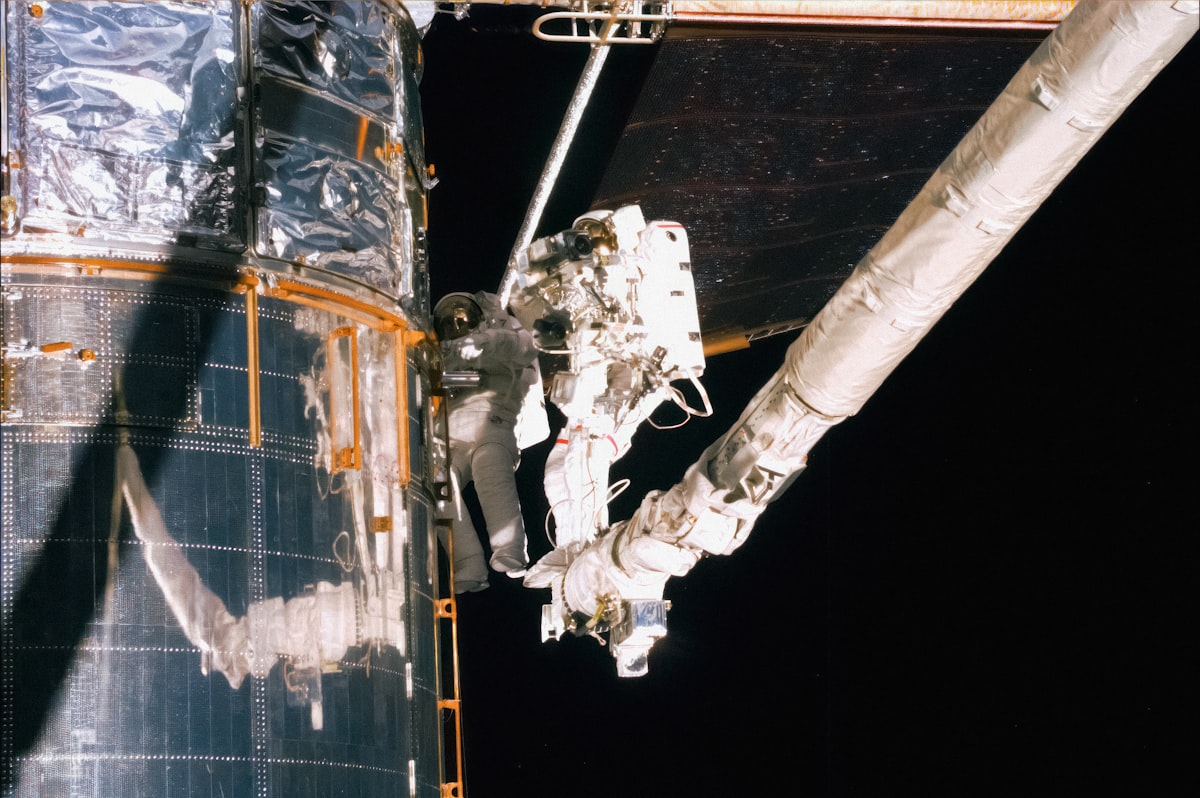
This is a major technical challenge. Swift wasn't designed for servicing, so it lacks any standardized grappling fixtures, forcing Link to rely on a close rendezvous and robotic arms to secure the observatory. But there's a twist. Swift can control its own attitude to help, making it an "unprepared but cooperative partner." The capture itself carries serious risks. Link's ability to find suitable, debris-free capture points with its robotic systems will be a critical phase, and the mission's success depends on Link's functional readiness and its flexibility to adapt to whatever unforeseen conditions arise during rendezvous and dynamic operations.
"Over the last nine months, we have gone from a clean sheet to a spacecraft that is currently integrated on a rocket on an airplane ready to go to Kwaj for launch," stated Kieran Wilson, principal investigator for Link at Katalyst. "This is an absolutely unprecedented development timeline."
Positioning Against Future Orbital Needs
Katalyst Space Technologies leads a growing market for in-orbit services. It's not just about today. The ability to extend valuable space assets' operational life, instead of letting them de-orbit, delivers major economic and scientific advantages that change how we think about missions. That's a major shift. Missions like this, intervening on a craft not designed for servicing, build skills transferable to many future orbital maintenance tasks. So this strategic move targets immediate high-priority needs while building foundational experience for broader offerings. They're playing the long game.
Market Implications for Satellite Longevity
This mission's successful execution could have profound implications for the commercial satellite industry and government space programs. It validates proactive orbital management. And it demonstrates that complex servicing operations can be developed and deployed with remarkable speed, which industry watchers will recognize as a potential catalyst for a shift toward a more sustainable and efficient approach to space asset utilization. These interventions could reduce the frequency of new satellite replacements. That conserves orbital real estate and mitigates the growing problem of space debris. So for investors and policymakers, this represents a tangible step toward realizing the commercial potential of the orbital servicing sector.
The Urgent Imperative and Future Endeavors
The timeline is brutal. Link must intercept Swift before it drops below 300 kilometers in altitude this October, and that critical deadline drove the entire rapid development of the reboost mission under urgent pressure. NASA officials express a sense of accomplishment just reaching this stage. One director noted surprise that such a feat was deemed possible and then achieved. But the focus now shifts to operational execution of the capture and reboost, with risks from the capture and subsequent orbital maneuver acknowledged. Still, from Katalyst's perspective, the primary risk of not being ready in time has been retired.
Strategic Partnerships and Launch Readiness
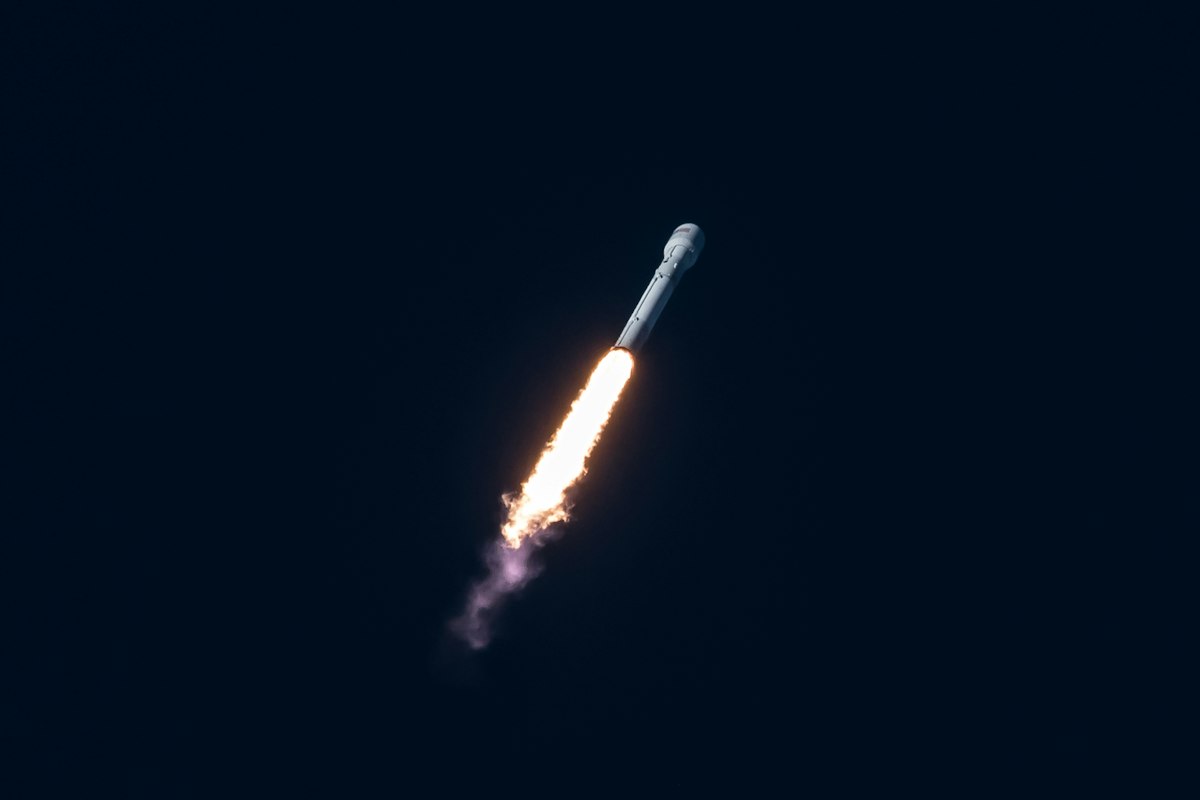
The mission's readiness proves something important. The collaborative efforts between Katalyst Space Technologies and its partners, including Northrop Grumman for the Pegasus XL rocket, made this possible. The air-launch strategy from Kwajalein Atoll highlights logistical considerations for rapid deployment. And the successful integration of Link onto the launch vehicle, combined with its preparation for transport to the launch site in the Pacific Ocean, demonstrates a high degree of operational coordination. This level of readiness, achieved within a compressed timeframe, reflects a strategic alignment between government requirements for urgent action and commercial capabilities for rapid response. It's a tight schedule.
- Mission to reboost NASA's Neil Gehrels Swift Observatory
- Developed by Katalyst Space Technologies under a NASA contract
- Scheduled launch: June 27
- Launch vehicle: Northrop Grumman Pegasus XL
- Launch site: Kwajalein Atoll, Pacific Ocean
- Objective: Raise Swift's decaying orbit to extend its operational life
- Development timeline: Less than a year from concept to launch readiness
Frequently Asked Questions
What is the primary objective of Katalyst Space Technologies' upcoming mission?
The mission aims to reboost NASA's Neil Gehrels Swift Observatory to raise its decaying orbit and extend its operational life. This is necessary because Swift's orbit could force re-entry as early as year-end if not addressed.
Why is the development timeline for Katalyst's Link spacecraft considered unprecedented?
Katalyst went from a clean sheet design to a spacecraft integrated on a rocket ready for launch in less than a year, driven by NASA's urgent need. According to principal investigator Kieran Wilson, this is an absolutely unprecedented development timeline.
How will Katalyst's Link spacecraft capture Swift Observatory despite it lacking grappling fixtures?
Link will rely on a close rendezvous and robotic arms to secure Swift, which can control its own attitude to assist as an 'unprepared but cooperative partner.' The capture process involves finding suitable, debris-free points with robotic systems and carries serious risks.
When is the scheduled launch date and where will it take place?
The mission is scheduled for launch on June 27 using a Northrop Grumman Pegasus XL rocket from Kwajalein Atoll in the Pacific Ocean. The air-launch strategy highlights logistical considerations for rapid deployment.
What broader market implications does the article suggest for successful orbital servicing missions?
Successful execution could validate proactive orbital management and demonstrate that complex servicing can be developed quickly, potentially reducing the need for new satellite replacements. This would conserve orbital real estate and mitigate space debris, signaling a shift toward sustainable space asset utilization.

Astrid Berg covers space and astronomy, from missions and launches to the science of the universe. She follows the ongoing effort to explore beyond our planet.
💬 Comments (0)
No comments yet. Be the first!