ISS PrK Module Problem: What It Means for You
Persistent cracks in the International Space Station's PrK module have led to a new agreement with Russia that will decommission the area, retiring a risk of rapid depressurization for the station's longevity.
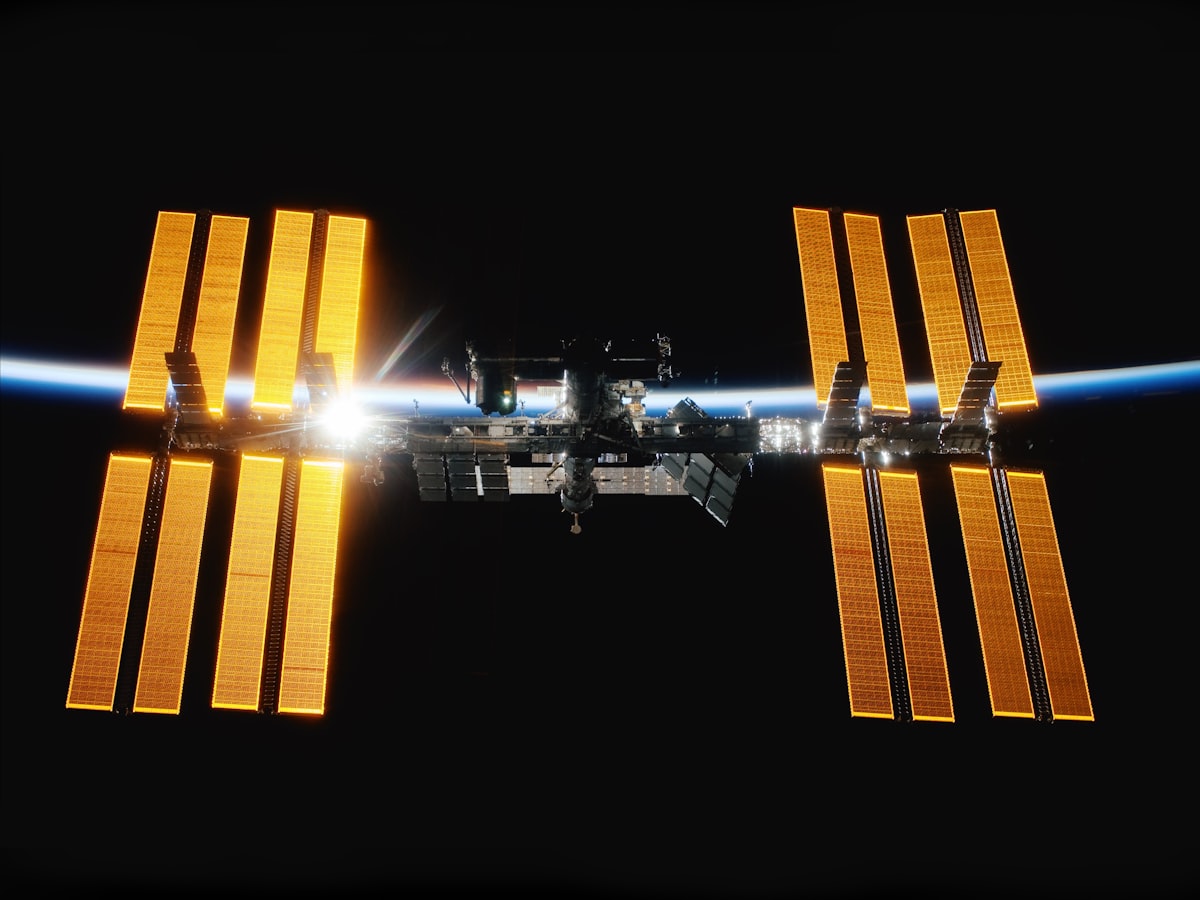
The ISS PrK module has been a ticking time bomb for years. But now, it looks like Russia is finally going to shut it down for good, a decision that many have long anticipated given the persistent safety concerns and the module's aging, unreliable systems. It's over.
Let me cut through the official silence. You heard the vague reports about astronauts scrambling into a SpaceX Dragon last week. That was not a drill. That was NASA putting its crew in lifeboats because they genuinely feared the station might tear itself apart.
Here is the deal. The PrK module is a small transfer tunnel on the Russian side of the station. It leads to a docking port. Cosmonauts have to pressurize it to unload cargo from Progress ships. The problem? Cracks. Serious, persistent cracks that have been leaking air since 2019.
The Leaks That Would Not Stop
Russian cosmonauts have been playing whack-a-mole with this thing for years. They slapped sealant called Germetall-1 on the cracks. But early this year, Roscosmos claimed the leaks had stabilized, a statement that turned out to be completely false, and we now know it's a lie.
It's May 2026, and the leaks came back. But by early June, they got worse, with the total crack count hitting about 16 and setting the stage for real trouble. That's when the drama really started.
The Saw That Almost Broke the Station
On June 4, Russian officials told NASA they planned to drill into the module to fix new leaks. NASA was not happy. They had not seen the analysis behind this plan. They did not trust it.
One NASA official was brutally honest: "We threatened we would put astronauts in suits, in Dragon, to send a message to world that we disagreed. They didn't care."
Then things escalated. On the morning of June 5, Russian cosmonauts approached the PrK module with a saw. Their plan? Cut off a load-bearing bracket. While Roscosmos officials ignored NASA's calls on the ground.
"We felt there was a very high probability of a bad outcome happening if they sawed that bracket off," a NASA source said.
That is when NASA pulled the trigger. They ordered Crew-12 into SpaceX's Crew Dragon Freedom. US astronauts Jessica Meir and Jack Hathaway, French astronaut Sophie Adenot, Russian cosmonaut Andrey Fedyaev, and US astronaut Chris Williams all climbed aboard. They were ready to undock in seconds if the station depressurized.
Why the PrK Module Is So Dangerous
This isn't cosmetic. It's structural corrosion, and the PrK module leads from the main Russian segment to a docking port where the tunnel is pressurized and the cracks leak. But when pressure cycles up or down, the leaks intensify.

A former NASA official, Bob Cabana, put it plainly in late 2024: "NASA has expressed concerns about the structural integrity of the PrK and the possibility of a catastrophic failure."
That's not bureaucrat-speak. It means the module could unzip, failing completely without much warning as the pressure builds and the whole thing breaks apart. So it can't hold.
The Real Power Play in Orbit
This has been a behind-the-scenes fight for years. Russia kept saying they had it under control, but the leak rates on the station kept telling a very different story, and now everyone can see the truth. It's a mess.
NASA pushed back on the saw plan. The standoff dragged into Friday morning as Russian astronauts briefly backed off but then returned to the module with their tools, refusing to relent despite the tension. So only when NASA actually put people in Dragon did Roscosmos finally listen.
The message was clear. NASA was willing to publicly humiliate the situation to protect their crew.
The Fix That Finally Stuck
So what happened after the dust settled? Russia backed down. They agreed to conduct additional measurements and inspections, a move that NASA "strongly supported" as a logical step forward, and it's clear that decision helped restore order. The safe haven ended. Crew-12 went back to work.
But the real news came in the days after. Russia told NASA they will decommission the PrK module entirely.
Here is what that means in plain language:
- Cosmonauts will no longer enter the PrK module.
- They will not try to pressurize it anymore.
- Progress vehicles can still dock there to transfer fluids.
- But Russia will need to use other ports to move supplies on board.
This is a huge deal. For years, NASA has reluctantly accepted the risk of a rapid depressurization event because of those cracks. Now that risk should be retired.
The ISS PrK module problem has been a festering wound on the station since 2019. It took a near-catastrophe, a saw-wielding cosmonaut, and a crew crammed into a Dragon capsule to finally get it addressed. But it got addressed.
Sleep easy. For the astronauts living up there right now, that means one less thing to worry about when they go to sleep. But for the rest of us watching from the ground, it's a reminder that the most dangerous part of spaceflight is not the rocket, and it is the aging hardware we keep patching together.
Frequently Asked Questions
What is the ISS PrK module and what is its primary function?
The PrK module is a small transfer tunnel on the Russian side of the station that leads to a docking port. Cosmonauts have to pressurize it to unload cargo from Progress ships.
Why did NASA order the Crew-12 astronauts into SpaceX's Crew Dragon Freedom?
NASA ordered the crew into the Dragon as a precaution because Russian cosmonauts planned to saw off a load-bearing bracket in the PrK module, which NASA feared could cause a catastrophic failure. The crew was ready to undock in seconds if the station depressurized.
How did the Russian cosmonauts attempt to fix the PrK module leaks before the standoff?
They applied a sealant called Germetall-1 on the cracks and later planned to drill into the module to fix new leaks. However, their most drastic plan involved cutting off a load-bearing bracket with a saw, which triggered NASA's intervention.
When did the PrK module cracks first appear, and what is their current status?
The cracks have been leaking air since 2019, and despite claims of stabilization, they worsened. By early June 2026, the total crack count reached about 16, and Russia ultimately decided to decommission the module entirely.
What is the final outcome for the ISS PrK module according to the article?
Russia agreed to decommission the PrK module entirely, meaning cosmonauts will no longer enter it or attempt to pressurize it. Progress vehicles can still dock there for fluid transfers, but other ports will be used for supplies.

Astrid Berg covers space and astronomy, from missions and launches to the science of the universe. She follows the ongoing effort to explore beyond our planet.
💬 Comments (0)
No comments yet. Be the first!