BAE Systems Tests New Space Telescope Optics
A partnership with BAE Systems has advanced a new UC San Diego metasurface component to simplify solar space observations.

BAE Systems finished space qualification tests for a tiny optical component. It's just six millimetres across. This metasurface polarisation grating, developed at the University of California San Diego and tested with BAE Systems, could change how space telescopes watch the Sun and its wild magnetic blasts. So it replaces big, moving parts with nanoscale patterns etched onto a single surface. That solves a huge engineering headache for solar observation in space.
For systems integrators, validation of this technology marks a major shift in instrument design. It's a big deal. Traditional space telescopes measuring solar magnetic fields are forced to rely on sequential exposures, rotating specialized optics to capture light polarisation from different angles, but this method introduces physical movement that causes microscopic spacecraft vibrations, which blur high-resolution imagery. So the new metasurface eliminates rotating parts. It lets researchers capture multiple polarisation channels simultaneously in a single snapshot, bypassing the vibration problem entirely. This technical evolution simplifies the overall instrument architecture. And it offers a pathway toward lighter, more reliable scientific payloads.
Simplifying space optical design
It's tiny. This six-millimeter disk relies on custom nanoscale structures smaller than the wavelength of light itself, and these microscopic structures are etched directly onto the glass surface, where they split and manipulate incoming light waves in ways traditional thick glass optics can't replicate. Managing polarization at this scale lets the device separate light into different channels at the exact moment of exposure, so it eliminates the need for four separate photos stitched together. That's been the standard approach for measuring magnetic fingerprints left on solar light.
Strip away the academic novelty. The calculation for aerospace investors and defense analysts is straightforward. High-precision space telescopes currently require complex, heavy, and exceptionally expensive active stabilisation systems to counteract the vibrations caused by moving internal parts. But a single component that removes the source of that vibration allows engineers to design smaller telescope housings and reduces the structural demands on the attitude control systems of the host satellite. So this positions the technology as a highly efficient alternative for future space agency contracts, where payload mass and mechanical simplicity are directly tied to mission success rates.
Validating nanoscale optics on Earth
First, it must prove its durability and scientific accuracy under real-world conditions. That's the only way any optical technology can be proposed for a dedicated space mission. So BAE Systems handled that qualification testing phase, and then they integrated the metasurface polarisation grating into a custom-built telescope and deployed it at the Dunn Solar Telescope facility in New Mexico.
The engineering team aimed their metasurface telescope at active sunspots during field tests, mapping the intense magnetic fields contained within them. They compared the results directly with data from NASA's Solar Dynamics Observatory, which remains the primary benchmark for space-based solar observation. It's a technical success. The outcome was very similar to the data produced by the space-based observatory, so the team's gathered data validates that a six-millimeter component can deliver the same high-fidelity scientific data as larger, more complex legacy systems.
Key performance characteristics of the metasurface
- Six-millimeter diameter: The entire optical component is smaller than a fingernail, drastically reducing the physical footprint of the primary sensor assembly.
- Simultaneous channel capture: Splits incoming light into four distinct polarisation channels at the same instant, eliminating sequential imaging.
- Zero moving parts: Replaces rotating polarisers, removing a primary source of mechanical wear and image-blurring spacecraft vibration.
- Nanoscale surface etching: Uses structures smaller than a wavelength of light to manipulate light waves without relying on bulky glass geometries.
The strategic logic of component miniaturisation
Read the aerospace announcements. The picture clarifies where public and private funding flows. Space agencies now seek smaller, cheaper, and more focused observation platforms instead of relying on massive, multi-billion-dollar flagship observatories. This fits a trend perfectly. Shrinking a primary scientific instrument to a fraction of its historical size aligns with it. So this transition allows deploying constellations of smaller solar observers, providing continuous, multi-angle monitoring of space weather threats.
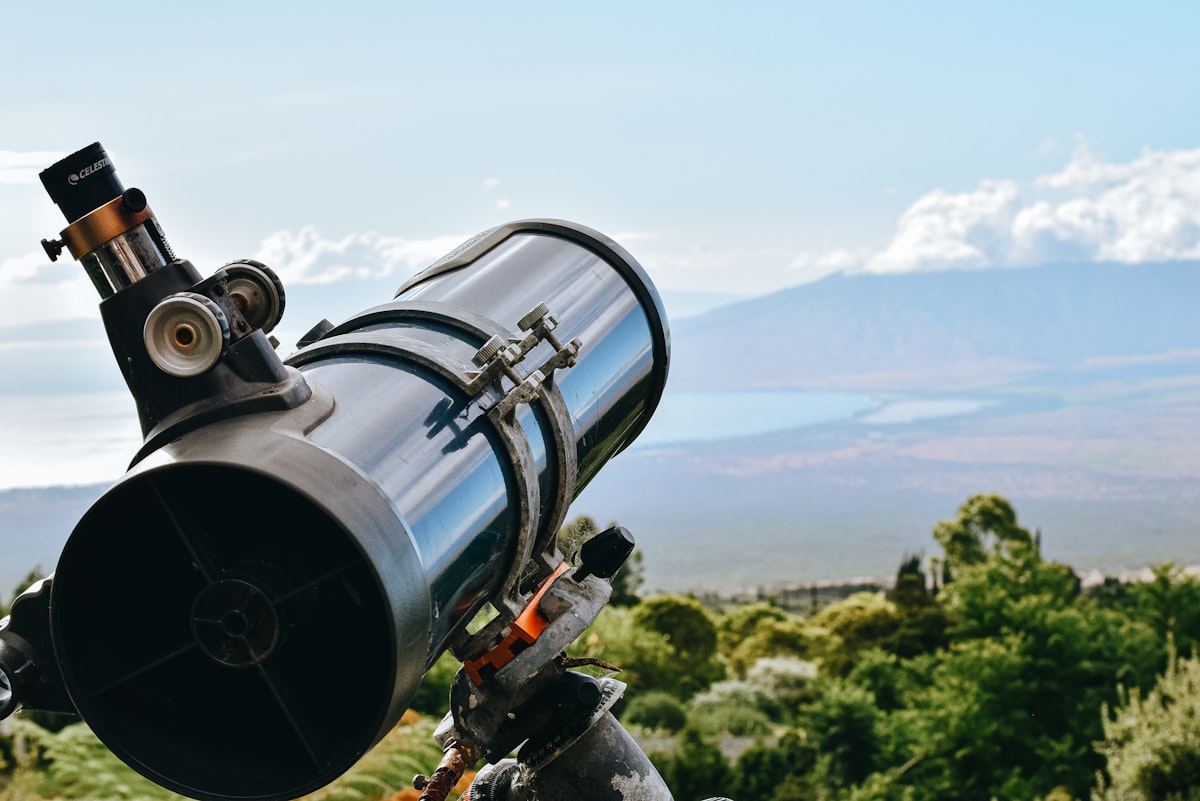
But that framing misses the immediate commercial reality for defense and aerospace contractors. It's a huge advantage. By participating in early qualification of academic breakthroughs, major industrial players can secure a first-mover position when these technologies transition into formal government procurement pipelines, and that's where the real money lives. So BAE Systems acts as the industrial testing partner, placing itself at the center of next-generation space science instrumentation and establishing the manufacturing and testing baselines required when these components scale for orbital production.
Navigating the pathway to orbit
The team submitted a proposal to NASA for a mission concept study. They've proven the metasurface matches active space asset data quality. So now they're focusing on securing a flight opportunity, but the strategic path forward demands moving this validated ground component into an integrated spacecraft payload, and formal study with backing from national space programs is necessary.
"The next step is space itself. The team has submitted a proposal to NASA for a mission concept study exploring how the metasurface could be incorporated into a dedicated solar observation spacecraft."
Future implications for space weather monitoring
Look at the wider sector. The successful testing of the metasurface highlights a growing urgency around the monitoring of solar activity, as sunspots and their associated magnetic fields are the source of solar flares and coronal mass ejections. These events can disrupt orbital communications, damage electrical grids on Earth, and threaten satellite constellations. So improving reliability and reducing the cost of solar observation satellites isn't just a matter of scientific curiosity. It's a critical infrastructure requirement for a global economy that is increasingly dependent on space-based assets. But we can't ignore this need.
The deeper question is positioning within the aerospace supply chain. It's simple. As space agencies evaluate proposals for new heliophysics missions, designs that incorporate static, nanostructured optics will have a distinct advantage over legacy designs that rely on mechanical filter wheels and rotating waveplates. The simplicity of the metasurface design translates to lower manufacturing risks, fewer potential points of failure in orbit, and a faster path from assembly to launch. And for the industrial partners involved in validating these components, the successful ground campaign lays the groundwork for a new standard in space-qualified optical systems.
Frequently Asked Questions
What is the key innovation of the metasurface polarisation grating tested by BAE Systems?
The metasurface polarisation grating replaces large, moving parts with nanoscale patterns etched onto a single surface, allowing simultaneous capture of multiple polarisation channels in a single snapshot. This eliminates the need for sequential exposures and rotating optics, which previously caused microscopic spacecraft vibrations that blurred high-resolution imagery.
Why is eliminating moving parts important for space telescopes observing the Sun?
Traditional space telescopes rely on rotating polarisers and sequential exposures, which cause microscopic spacecraft vibrations that blur high-resolution imagery. By eliminating moving parts, the metasurface removes the source of vibration, allowing simpler telescope housings and reducing demands on satellite attitude control systems.
How did BAE Systems validate the metasurface technology?
BAE Systems integrated the metasurface polarisation grating into a custom-built telescope and deployed it at the Dunn Solar Telescope facility in New Mexico. They aimed it at active sunspots, mapped magnetic fields, and compared results with data from NASA's Solar Dynamics Observatory, finding the outcome very similar.
What is the next step for the metasurface technology according to the article?
The team has submitted a proposal to NASA for a mission concept study exploring how the metasurface could be incorporated into a dedicated solar observation spacecraft. The next step is securing a flight opportunity and moving the validated ground component into an integrated spacecraft payload.
Who was the industrial testing partner for the metasurface polarisation grating?
BAE Systems acted as the industrial testing partner, handling the qualification testing phase and integrating the metasurface into a telescope for field tests. This positions them as a first-mover when the technology transitions into formal government procurement pipelines.

Astrid Berg covers space and astronomy, from missions and launches to the science of the universe. She follows the ongoing effort to explore beyond our planet.
💬 Comments (0)
No comments yet. Be the first!