Space Industry's Supply Chain Resilience Challenge
The space industry's growth faces supply chain bottlenecks. A new report highlights constraints and offers solutions for resilience.

Supply chain resilience has become the defining test for America’s space ambitions, and the evidence is mounting that the industrial base isn’t ready for what’s coming.
In 2025 alone, more than 3,700 objects launched from the United States. That's nearly ten times the 2019 level. So this explosive growth collides with a supply chain built for a different era, one defined by bespoke systems and predictable, low-volume production, and the industry is now pivoting toward industrial-scale manufacturing. But here's the hard truth. Designing advanced technology is no longer the bottleneck; building it reliably, at speed and scale, is. It's a brutal shift. We've traded one problem for another, and the old playbook simply can't keep pace.
The Bottlenecks Are Already Here
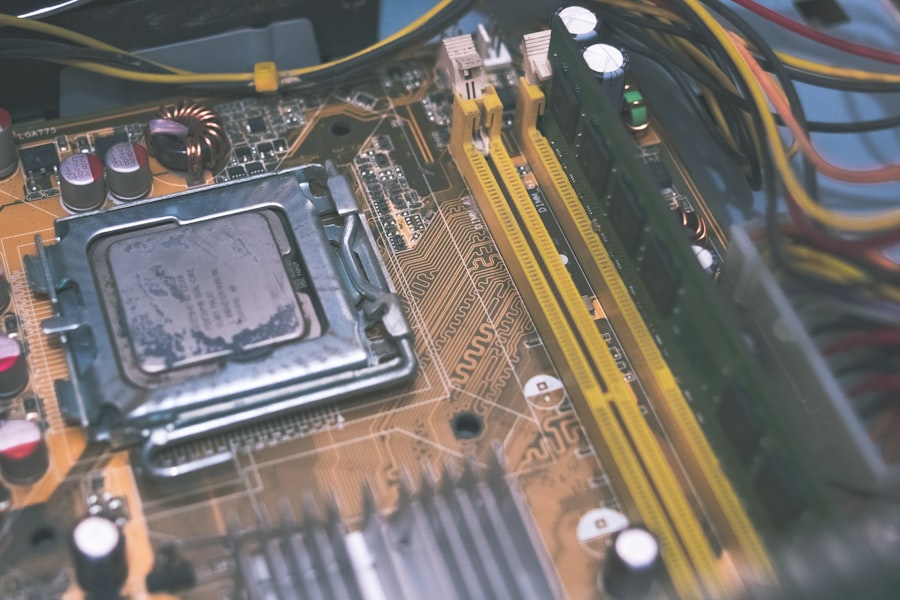
Manufacturers are hitting walls in specialized components. Optical intersatellite links, propellant tanks, and radiation-tolerant connectors all present stubborn bottlenecks. In some areas, the industry relies on as few as three major domestic suppliers. That concentration creates fragility precisely when demand is accelerating. But it's a fragile edge. And when you've got only a handful of players, a single disruption can ripple through the entire supply chain, stalling programs that can't simply switch vendors overnight. So don't expect quick fixes.
The strain shows up in the numbers. Over the past five years, aerospace manufacturing output grew 30%, while broader industry capacity utilization climbed to roughly 74%, and that gap reveals a growing tension. Suppliers are leaning harder on existing infrastructure instead of expanding capacity. Lead times stretch. So the ability to respond to a dynamic market shrinks, and they can't just flip a switch to fix it.
Hardware's built on schedule. But the next hurdle appears: access to qualified facilities that can certify flight-ready systems, and that's where the real friction begins. Testing and qualification bottlenecks delay launch timelines and drive up costs across both government and commercial missions. It's a wall they can't easily climb.
Competing for Chips and Capacity
Space companies now fight for resources against AI infrastructure expansion, defense modernization, and energy investment. Semiconductors, advanced electronics, and manufacturing capacity are all contested. It's a brutal squeeze. But when suppliers prioritize higher-volume commercial customers, space programs find themselves with longer queues and smaller allocations, and that dynamic reshapes every launch schedule and procurement timeline they've planned for years.
The uncertainty cuts both ways. Suppliers remain cautious about long-term investments because procurement timelines and funding profiles are hard to predict. Continuing resolutions have affected 46 of the last 49 federal fiscal years. Despite a 56% jump in federal space-product obligations from FY20 to FY21 and a 49% drop through FY24, the annual growth rate since 2016 sits at just 1%.
The result is a supply chain that appears productive on the surface but remains structurally fragile underneath.
Why Smaller Suppliers Struggle Most
For smaller companies, the math is brutal. They face limited access to capital while absorbing the costs of cybersecurity, certification, and compliance requirements tied to government and national security programs, and that squeeze doesn't let up. So the uncertainty around program timing makes it difficult to justify investments in facilities, tooling, and workforce, even when the contract could change everything. It's a gamble. They can't plan.
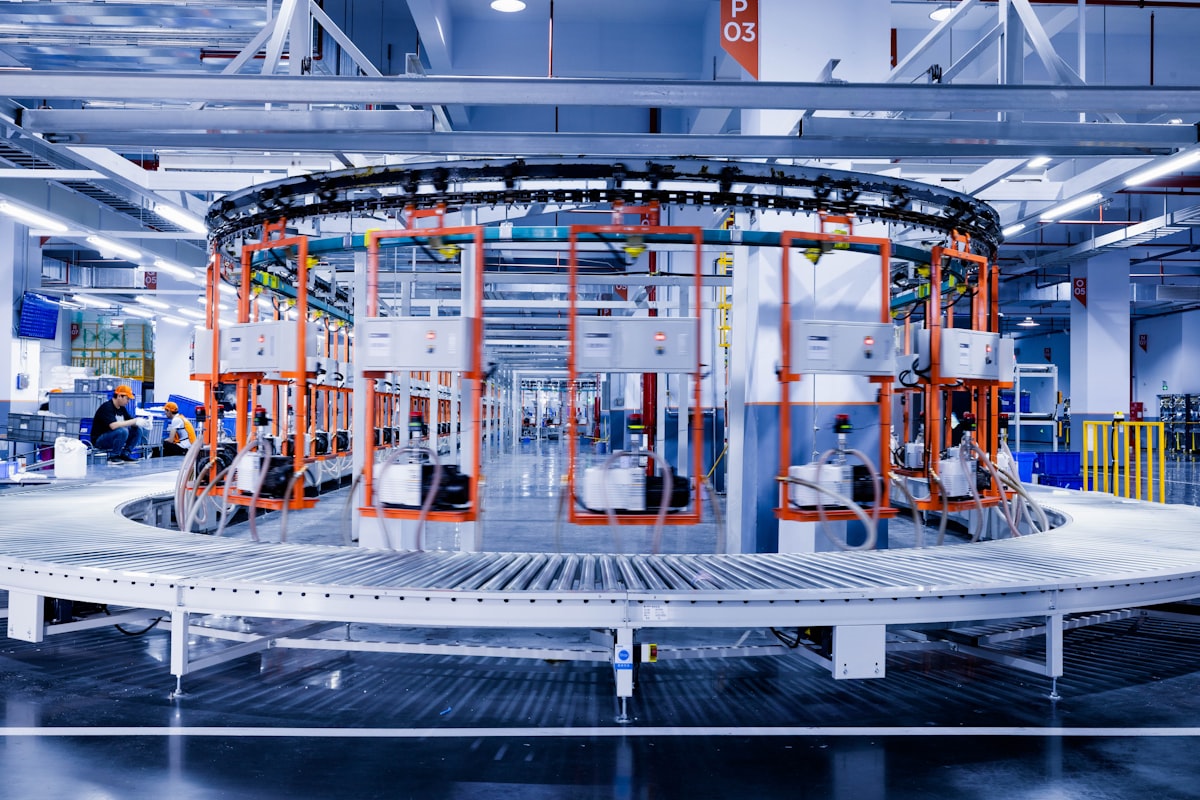
That fragility matters. The next phase of space competition won't be decided solely by who develops the most advanced technologies, because the real test lies in the messy, unglamorous work of turning prototypes into reliable, repeatable hardware. It will come down to which nations and companies can scale production of those technologies most effectively. But scale isn't just a factory problem. So it's a question of supply chains, workforce training, and regulatory speed, all of which can make or break a program before a single rocket leaves the ground.
A Shared Mechanism for Demand Signals
We need a better path. But that path demands stronger coordination across the entire industrial base, tying together the often disjointed efforts of private suppliers, prime contractors, and government entities like the US Space Force and NASA, who don't always share the same timelines or incentives. One clear opportunity is building on the collaboration that already exists between these players. We've seen it work in pockets. So why not scale it? A shared mechanism could connect long-term program demand with a realistic view of industrial capacity, giving everyone a true picture of what's actually possible before commitments are made. That's the challenge. That's the fix.
Demand signals would flow down from government customers and prime contractors to suppliers, carrying the weight of contracts and requirements through every layer of the chain, and that weight presses hard on each link. Information on workforce constraints, production capacity, and long-lead dependencies would flow back up, painting a fuller picture of what's actually possible, a picture built from ground-level truth. That two-way visibility could inform planning and investment decisions across the chain. It's only as good as the trust between the players. So they'd better share honestly, or the whole system stumbles. Trust is fragile. One hidden constraint can poison everything downstream, and without candor, the visibility they've built becomes a fiction.
The Department of Commerce, given its visibility across commercial and national security markets, could play a valuable role in improving understanding of industrial capacity and emerging constraints.
Dual-Sourcing and the Bid Advantage
Smart companies are already adapting. The most resilient are dual-sourcing their riskiest long-lead components, developing qualified backups to enhance supply chain resiliency. The data supports this approach: components that draw five or more bids, reflecting widely available supply, see roughly 50% lower prices than those with two or fewer.
Risk management also means rethinking compliance. It's about separating obligations from worst-case interpretations of ITAR and other rules, which can keep sourcing decisions from defaulting reflexively to legacy parts. But incentives like the R&D tax credit can cover prototyping, qualification, and even test-facility construction. That offsets the cost of modernization. So don't underestimate them.
Three Priorities for the Next 12 Months
Looking ahead, three priorities deserve focused attention. But first, we've got to establish more consistent demand signaling so suppliers can invest with confidence. That's step one. Second, we need to expand testing and qualification capacity as a shared national asset rather than a program-by-program afterthought, because you can't build a resilient space industrial base when every initiative starts from scratch. Third, we've got to modernize compliance processes and regulations so suppliers can actually grow the space industrial base. Don't underestimate that one.
The U.S. still holds deep technical expertise, a strong innovation ecosystem, leading commercial operators, and a growing base of entrepreneurial companies. But those advantages need active maintenance.
History has repeatedly shown that industrial strength shapes strategic outcomes as much as technological innovation. It's not just about invention. The next phase of space competition depends not only on what we can invent, but on what we can build at scale, and that means we've got to think about factories, supply lines, and the gritty logistics of moving metal off this planet. Supply chain resilience isn’t a back-office concern. So don't kid yourself. It's the foundation for everything else.
Frequently Asked Questions
What is the primary challenge facing the space industry's supply chain according to the article?
The primary challenge is moving from bespoke, low-volume production to industrial-scale manufacturing, where building reliably at speed and scale is the bottleneck. The old playbook can't keep pace with the explosive growth in launches, such as the 3,700 objects launched from the U.S. in 2025.
Why do smaller suppliers struggle to invest in capacity expansion?
Smaller suppliers face limited access to capital while absorbing costs for cybersecurity, certification, and compliance. Uncertainty around program timing makes it difficult to justify investments in facilities, tooling, and workforce, even when a contract could change everything.
How does the article suggest improving coordination across the supply chain?
The article suggests building on existing collaboration between private suppliers, prime contractors, and government entities like the US Space Force and NASA. A shared mechanism could connect long-term program demand with a realistic view of industrial capacity, enabling two-way visibility of workforce constraints, production capacity, and long-lead dependencies.
What are the three priorities recommended for the next 12 months?
First, establish more consistent demand signaling so suppliers can invest with confidence. Second, expand testing and qualification capacity as a shared national asset rather than a program-by-program afterthought. Third, modernize compliance processes and regulations to help suppliers grow the space industrial base.
How does the article say components with more bids affect prices and supply chain resilience?
Components that draw five or more bids, reflecting widely available supply, see roughly 50% lower prices than those with two or fewer. This dual-sourcing approach for riskiest long-lead components enhances supply chain resiliency.

Astrid Berg covers space and astronomy, from missions and launches to the science of the universe. She follows the ongoing effort to explore beyond our planet.
💬 Comments (0)
No comments yet. Be the first!