China Delays Chang'e 7 Moon Launch to 2027
China's Chang'e 7 mission to the Moon's South Pole has been delayed to 2027, citing the need for absolute success. The launch was postponed due to weather from Typhoon Narra.
China Delays Chang'e 7 Moon Launch to 2027
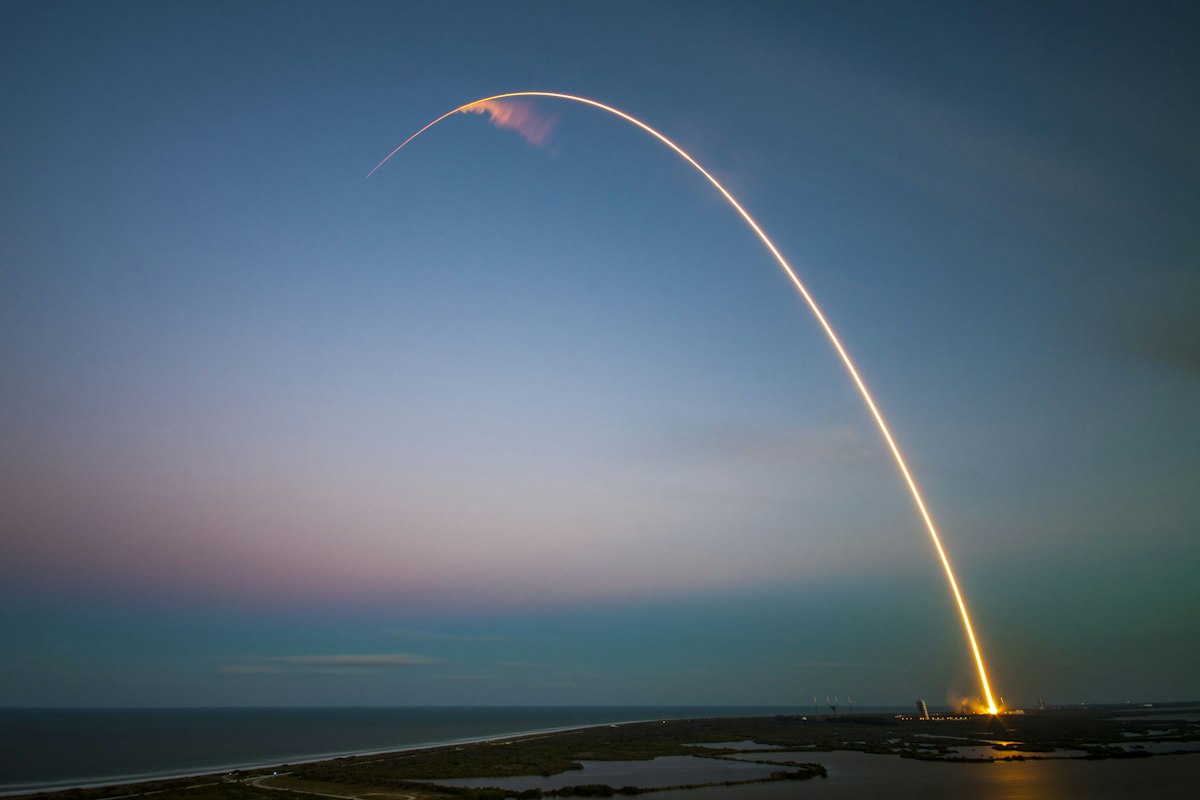
Chang'e 7's launch has been pushed back. It's not ready for liftoff. China's manned space program said Sunday that this year's lunar mission has been postponed, as a thorough review showed the spacecraft and its systems still need more work before they can fly safely. Officials stressed they want the mission to be a flawless success, and that's why they're holding off. But the terse statement offered no explanation for the delay from the Wenchang Space Launch Site on Hainan island.
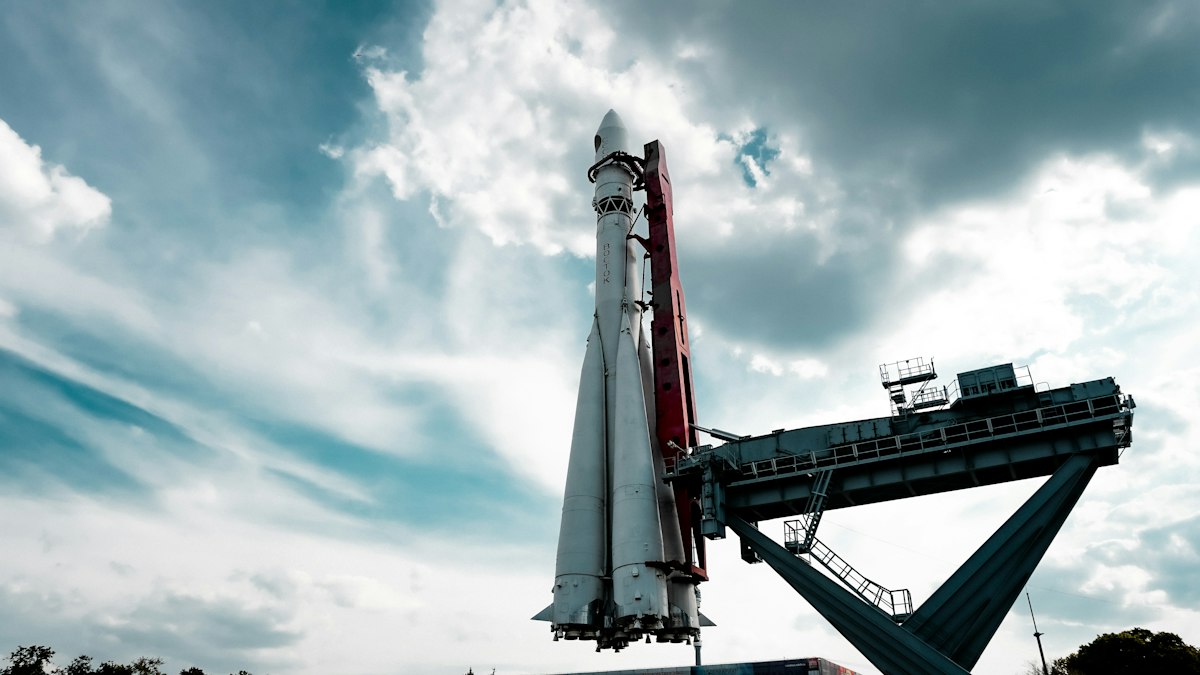
It's a complex stack: a lunar orbiter, a lander, a rover, and even a mini-hopper probe. So the mission was due to launch as early as Sunday on a Long March 5 rocket, a heavy-lift workhorse that has faced its own share of delays and scrutiny in recent years. Its target? The South Pole of the Moon. That's a region no country has yet reached with a soft landing. But they're trying.
Typhoon Narra Likely the Culprit
The most probable cause is weather. Typhoon Narra, packing 45-mph winds equivalent to a moderate tropical storm, continues to meander in the waterway between Hainan island and mainland China, and it's not going anywhere fast.
Chinese forecasters plausibly determined the weather would not break before the current launch window to reach the lunar pole closes. The timing is brutal. A miss now could mean waiting until February or March, according to social media chatter, though official sources have confirmed nothing.
Why the Long Gap?
The delay isn't a mystery. It's a stack of competing realities, and sunlight conditions in those polar landing zones shift so dramatically that the mission plan forces a 90-day lunar orbit reconnaissance phase before any landing attempt. But that rigid sequence leaves little room for schedule slippage. So we wait.
It's a lesser possibility that a technical issue surfaced at the last minute with either the complex Chang'e 7 payload or the Long March 5 rocket itself. But that seems unlikely. The large rocket shares its YF-100 engine with the Long March 7A vehicle lost during ascent two weeks ago, and that shared hardware raises a question, yet China had been pressing toward launch in recent days, so the engine problem can't be the real culprit here.
Following the principle of caution and reliability, and to guarantee a perfect outcome, a full evaluation has concluded that the Chang'e 7 mission isn't ready for launch."
Shackleton Crater Awaits
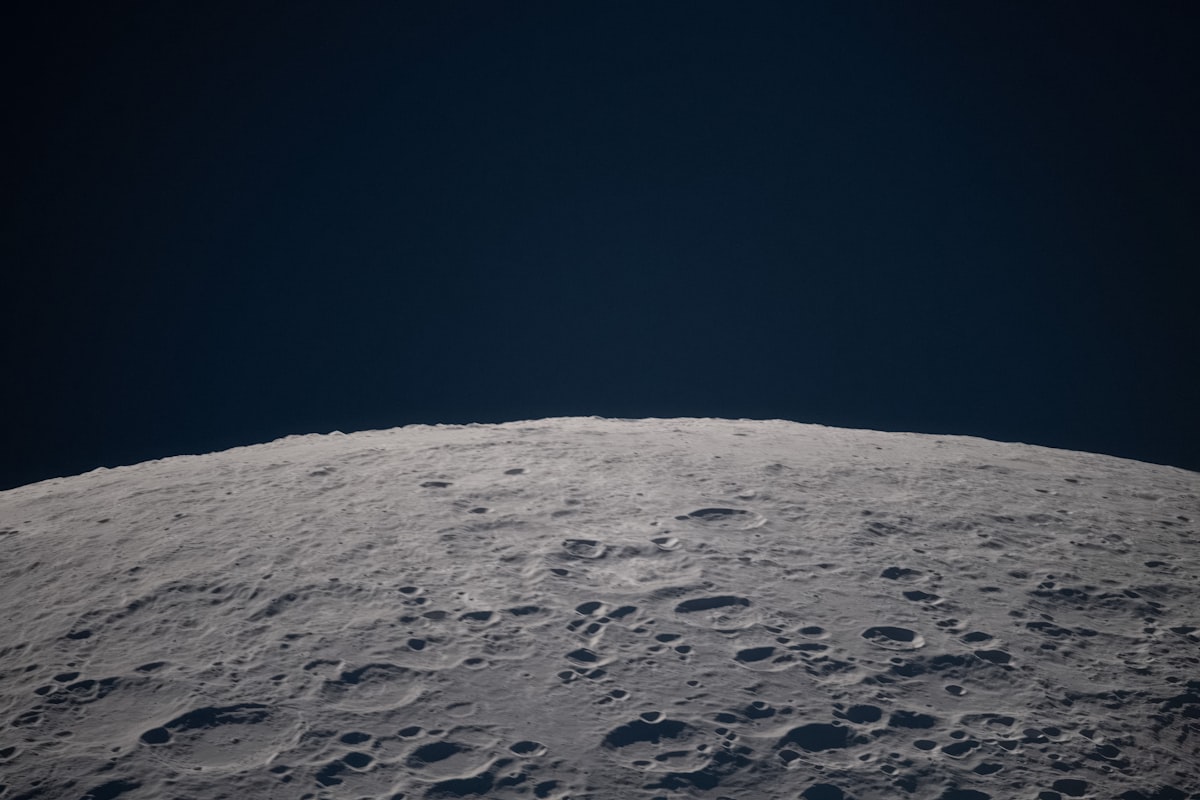
Chang'e 7 is planned to land near Shackleton Crater, almost exactly at the South Pole. That's some of the most coveted real estate in the solar system, where high rims cast permanent shadows, and those shadowed regions, called "cold traps," are exactly where water ice and other useful materials may have piled up over billions of years. It's a prize worth chasing. So they're not giving it up lightly.
Most of the lunar surface is barren and uninteresting. But the South Pole is different. In every NASA and Chinese plan for long-term lunar settlement, those relatively few square miles matter most, because they hold the key to water ice and sunlight, and we've built our entire future strategy around that single, shadowed region. It's that simple.
A Tight Race With Blue Origin
The delay opens a door for the United States. NASA's first shot at the South Pole could come via Blue Origin's Blue Moon Mark 1 lander, which will carry two NASA probes to the region. But that was on track to launch this year before the loss of the New Glenn rocket and its launch pad at Cape Canaveral during a static fire test in May. So it's a narrow window now.
Blue Origin has been hustling to rebuild Launch Complex 36A, and the company’s aim is to get New Glenn back into the air before the final days of this year. Ambitious, probably. But Blue Moon could plausibly launch during the first half of 2027, which gives them a bit more breathing room if the schedule slips.
That would make for a close race. If Chang'e 7 launches in February and spends three months in lunar orbit before landing, the two missions could arrive near the South Pole within weeks of each other.
The stakes are enormous. No country has softly landed at the lunar poles, which are far more difficult to reach than equatorial regions. The winner gets not just a scientific prize, but a strategic foothold in the most valuable terrain on the Moon.
China is waiting. It's delaying rather than risking failure, and that choice speaks volumes about how much this mission truly matters. A botched landing at the South Pole would set the program back years, and that's a cost they simply can't afford to pay, not now, not with so much already on the line. But a successful touchdown, even if it comes late, puts China in position to claim the most sought-after ground in the second space race. So it's a gamble worth taking.
The next launch window will come. The question is whether Blue Origin gets there first.
Frequently Asked Questions
Why was the Chang'e 7 Moon launch delayed?
The article suggests that the most probable cause for the delay is weather, specifically Typhoon Narra, which is expected to bring inclement conditions to the launch site. However, the official statement from China's manned space program only mentioned that a thorough review showed the spacecraft and its systems need more work before they can fly safely, without offering a specific explanation.
What is the target location for the Chang'e 7 mission on the Moon?
The target location for the Chang'e 7 mission is the South Pole of the Moon, specifically near Shackleton Crater. This region is of high interest because its shadowed areas, called 'cold traps,' may contain water ice and other useful materials.
How does the delay of Chang'e 7 affect the competition with Blue Origin?
The delay opens a door for the United States, as Blue Origin's Blue Moon Mark 1 lander could potentially launch during the first half of 2027, bringing the two missions close in timing. If Chang'e 7 launches in February and spends three months in lunar orbit, both missions could arrive near the South Pole within weeks of each other, making it a close race.
What are the components of the Chang'e 7 spacecraft stack as mentioned in the article?
The Chang'e 7 spacecraft stack includes a lunar orbiter, a lander, a rover, and a mini-hopper probe. This complex setup is part of the reason the mission requires careful preparation and timing.

Astrid Berg covers space and astronomy, from missions and launches to the science of the universe. She follows the ongoing effort to explore beyond our planet.
💬 Comments (0)
No comments yet. Be the first!