Hosepipe Bans Expand as Drought Hits England and Wales
Nearly 30 million people face hosepipe bans as drought conditions spread across England and Wales, following the driest July on record.
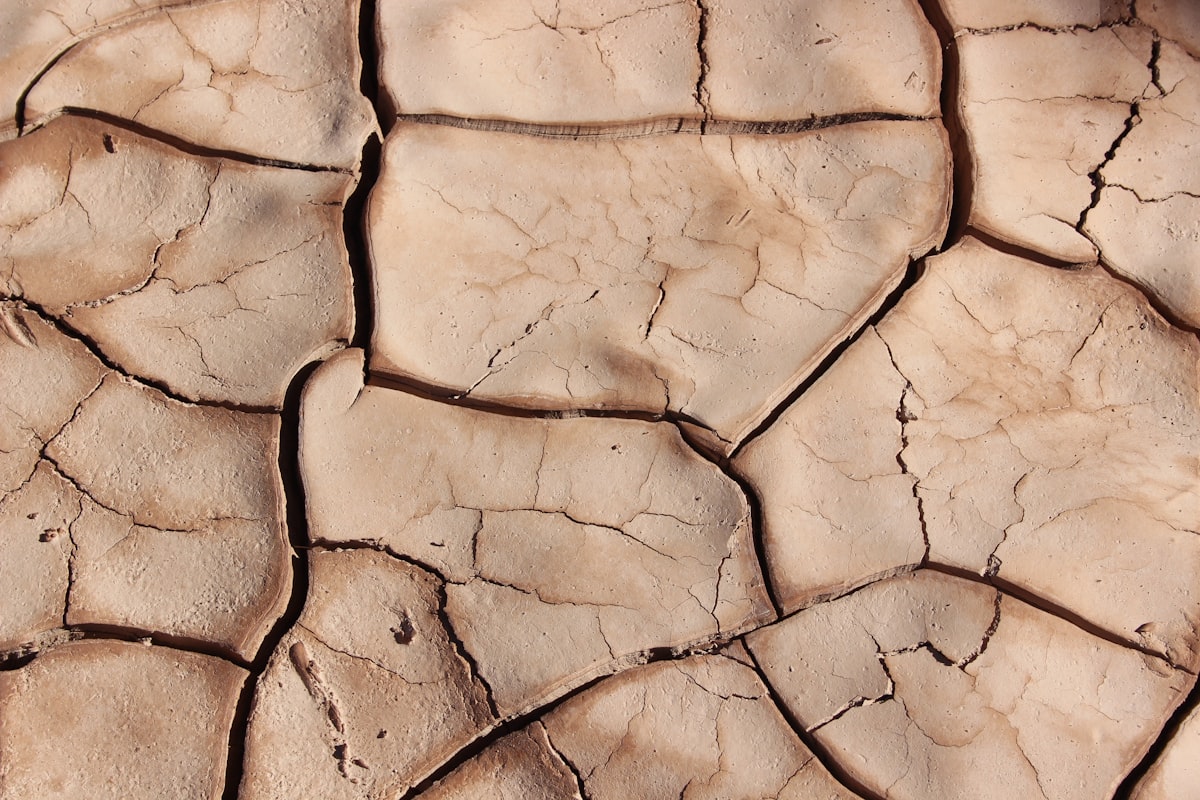
Hosepipe bans now cover nearly 30 million people across England and Wales. Wessex Water just became the latest provider to impose restrictions, its first such measure in half a century, and the move lands as almost three-quarters of England and all of Wales officially enter drought status following what provisionally ranks as the driest July on record for both nations. But it's a stark warning. We've never seen this before.
Ten water companies have now announced hosepipe bans this summer. Nine operate across central, southern and eastern England, with one in Wales, so the reach is broad and the pressure on supplies is clearly spreading. The bans prohibit using hosepipes for watering gardens, washing vehicles and windows, and filling paddling pools, which means even the simplest summer pleasures are now off-limits for millions. Wessex Water's decision pushes the total number of people living under these restrictions to nearly 30 million. That's a lot. But they're not the only ones affected, and it's only getting tighter.
Why Drought Keeps Spreading
Drought has no single definition. But it boils down to one simple problem: not enough rain falling for too long, and as that dry spell stretches on, the ground dries out, crops and vegetation begin to struggle, and then rivers, reservoirs, and groundwater levels start to drop. That puts serious pressure on water supplies. It's a slow, creeping crisis.
Environmental bodies in each UK nation decide whether to declare drought or water scarcity. That's the starting point. They assess current water resources alongside weather forecasts, and both conditions can trigger hosepipe bans if restrictions aren't already in place, so the distinction matters for daily life. Drought comes from prolonged dry weather. Water scarcity happens when demand outstrips what's available. But the real difference? It's about time versus pressure.
This summer has seen temperatures regularly top 35C. That heat, combined with dry spring weather, has taken its toll on rivers, crops and nature. But winter was much wetter than usual, which has raised questions about whether water resources are being managed effectively and whether the UK is ready for the drier summers expected with climate change.
Who's Affected Where
Nearly three-quarters of England is now in drought, according to Environment Agency data. It's a stark number. Northern parts of the country sit in "prolonged dry weather", the category just below drought, and that distinction matters because it signals the crisis hasn't yet peaked there. But Natural Resources Wales says sustained high temperatures are causing the natural environment to "deteriorate" , no, they're causing it to deteriorate, and that's a warning we can't ignore. So the picture is grim, and it's spreading.
Northern Ireland has no official droughts currently. Scotland handles things differently, monitoring "water scarcity" instead of declaring droughts. Recent rainfall has helped conditions in parts of Scotland, but some areas in the east are still facing the two most severe levels of water scarcity, 'moderate' or 'severe,' the Scottish Environment Protection Agency said.
Rivers, Reservoirs and Groundwater
The UK leans on three main water sources: rivers, reservoirs, and underground aquifers. It's a simple system, but a fragile one. In July, almost all rivers in England and Wales were rated as "below normal," "low," or "exceptionally low," according to the UK Centre for Ecology & Hydrology, and that grim assessment reveals how quickly the nation's supply can slip into crisis. So we can't ignore the strain.
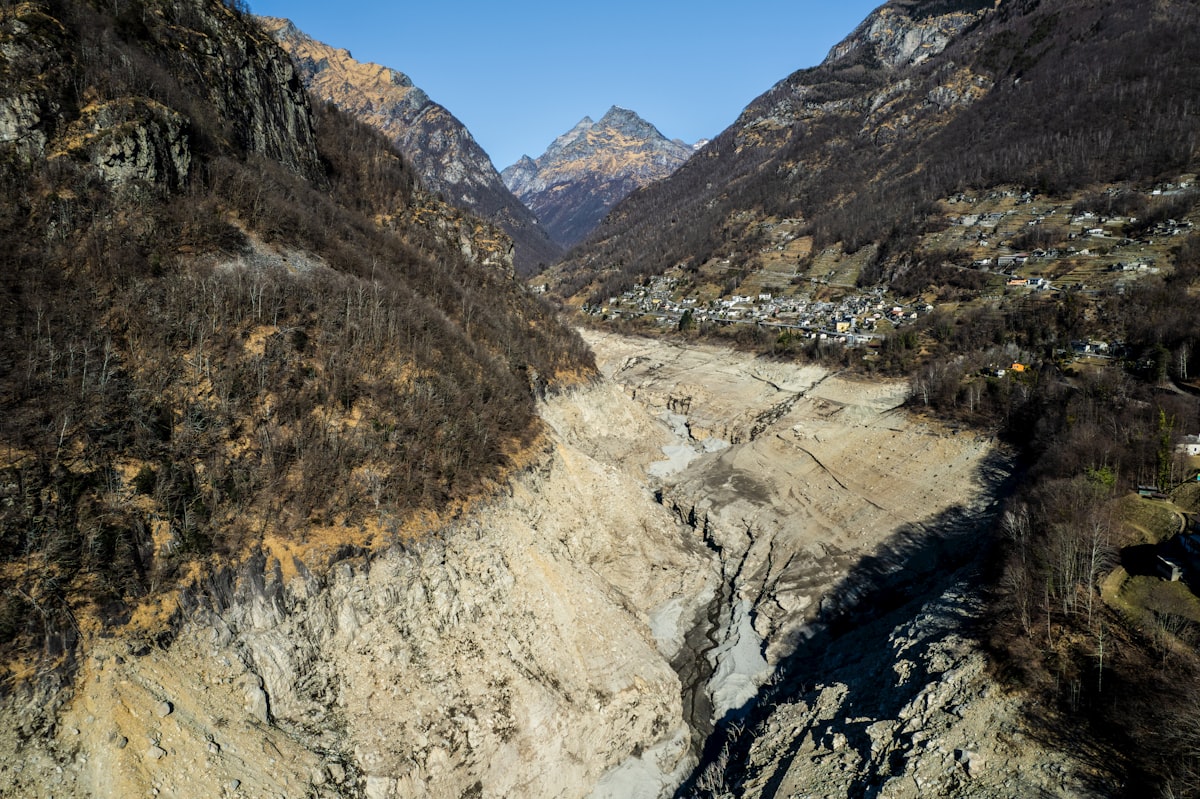
"This is the third time in the last five years that drought conditions have intensified rapidly following exceptional spring and summer dryness," said Steve Turner, a hydrologist at the UKCEH. He warned that low river flows are likely to persist well into autumn.
England's reservoirs sit below average for this time of year. It's a worrying start. Wales' reservoirs are also declining, though Dŵr Cymru Welsh Water says its position is "relatively strong," and that assessment offers a sliver of comfort even as the numbers keep slipping. Scotland and Northern Ireland's reservoirs are close to average based on the latest data. But don't count on that lasting. So the picture's uneven, and it's shifting fast.
South-east England depends more heavily on groundwater than reservoirs. Groundwater starts as rainfall and gets stored naturally in pore spaces and fractures within rocks. Levels are generally declining after the prolonged dry weather, but nearly half of monitored sites recorded levels considered "normal" or higher in July.
Water moves more slowly through some rock types than others, sometimes taking years to respond fully to current conditions. That's a slow dance. Prof Alan MacDonald of the British Geological Survey explained that these groundwater stores "respond more slowly to changes in the climate than rivers, which is why they provide a useful buffer during periods of drought". But that buffer has a cost. So groundwater droughts in southern England take longer to develop, yet they can persist far longer once they actually take hold, stretching out the strain on supplies. They linger. It's a delayed crisis.
Is Climate Change to Blame?
Droughts are complicated. They're driven by a mix of natural and human causes, and that mix shifts with every season, so pinning down a single culprit is nearly impossible. The Met Office expects the UK to experience drier summers on average as the world warms, though no clear trend has emerged so far. But rising temperatures play a direct role here. They pull extra moisture from the soil through evaporation, and that process accelerates as the air heats up, which means even modest warming can tighten the grip of a dry spell.
"A warmer atmosphere is thirstier for moisture and this can mean water in the soil, rivers and reservoirs are depleted more effectively, leading to more rapidly onsetting droughts, heatwaves and wildfires."
Richard Allan, professor of climate science at the University of Reading, made that point. But other factors determine whether dry conditions become water shortages, and those factors hinge on human behavior, infrastructure, and the daily choices we make about consumption, storage, and waste. It's not just about rainfall. People matter. So we can't ignore how we use water, even when the skies stay clear for weeks on end. That's the real variable.
A landmark review into the water sector criticised companies for historic underinvestment in infrastructure. They didn't plan ahead. To address shortages, the government and water companies plan nine new reservoirs for England by 2050, plus one already under construction at Havant Thicket in Hampshire, and that's a major step. But the Environment Agency has warned that measures to tackle leaks and control demand, potentially including hosepipe bans, may also be needed in England. We can't rely on new supplies alone.
What Happens Next
Scotland, Wales, and Northern Ireland’s water companies, which are public bodies or non-profits, say they’re taking steps to secure future supplies. But the immediate picture is brutally clear. Nearly 30 million people can't use hosepipes, and the driest July on record has left rivers, reservoirs, and groundwater stores depleted across most of England and all of Wales, so the bans will stay in place until conditions improve. Hydrologists aren't optimistic about a quick recovery.
Frequently Asked Questions
What actions do hosepipe bans prohibit according to the article?
The bans prohibit using hosepipes for watering gardens, washing vehicles and windows, and filling paddling pools. This means even simple summer pleasures are off-limits for millions of people under the restrictions.
How many water companies have announced hosepipe bans this summer, and where are they located?
Ten water companies have announced hosepipe bans this summer. Nine operate across central, southern, and eastern England, with one in Wales, so the reach is broad and pressure on supplies is spreading.
Why is the UK experiencing drought conditions according to the article?
Drought occurs when there is not enough rain falling for too long, causing the ground to dry out and rivers, reservoirs, and groundwater levels to drop. This summer has seen temperatures regularly top 35C, combined with dry spring weather, taking a toll on rivers, crops, and nature.
Who decides whether to declare drought or water scarcity in the UK?
Environmental bodies in each UK nation decide whether to declare drought or water scarcity. They assess current water resources alongside weather forecasts, and both conditions can trigger hosepipe bans if restrictions aren't already in place.
What is the current status of reservoirs in England and Wales according to the article?
England's reservoirs sit below average for this time of year, while Wales' reservoirs are also declining, though Dŵr Cymru Welsh Water says its position is 'relatively strong.' Scotland and Northern Ireland's reservoirs are close to average based on the latest data.

Arthur Vance writes about astronomy and space exploration, covering the discoveries that expand our view of the cosmos. He enjoys connecting distant science to the questions we ask here on Earth.
💬 Comments (0)
No comments yet. Be the first!