Space Force seeks up to $30 billion in rocket launches
The US Space Force tripled the maximum value of its NSSL Lane 1 contract to $17 billion, pushing total launch procurement to over $30 billion.
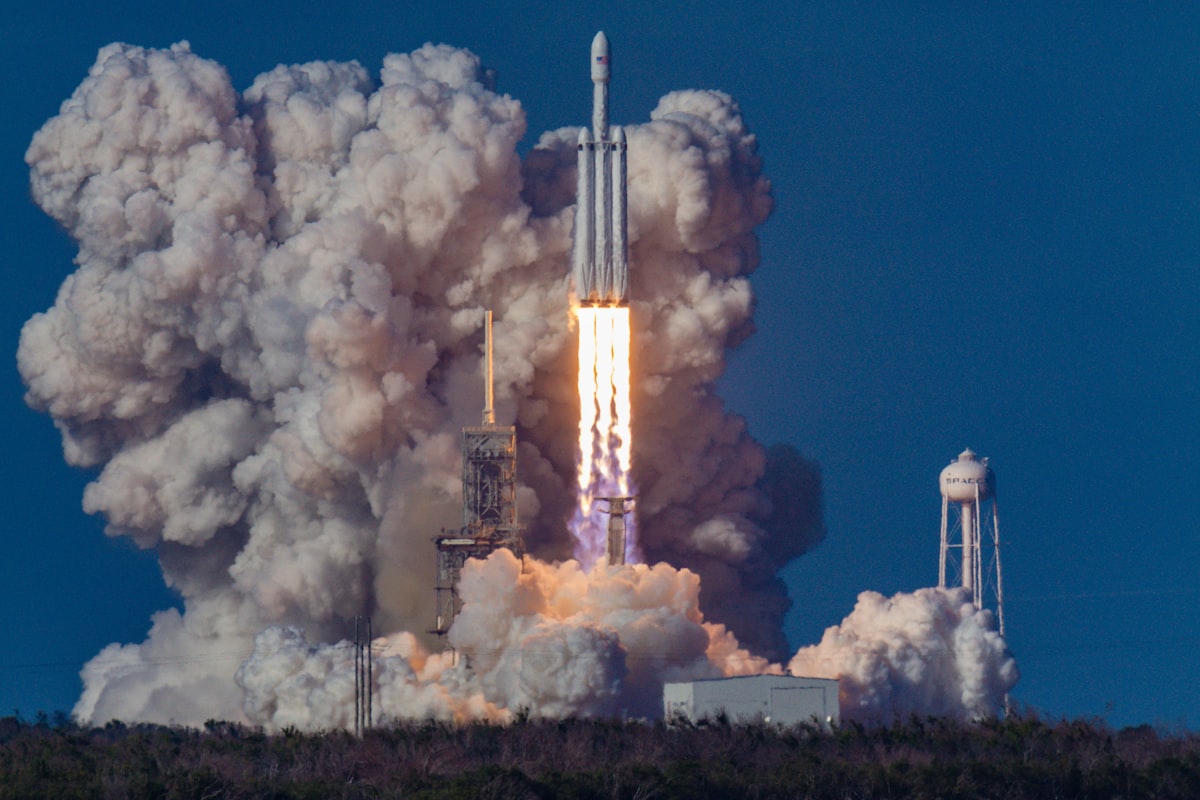
Here's the rewritten paragraph. The Space Force is now seeking up to $30 billion in rocket launches. That's a staggering figure. It highlights the military's rapidly growing need for access to space. But on Friday, military officials announced they were tripling the maximum value of one of the service’s National Security Space Launch contracts to $17 billion, up from the $5.6 billion ceiling set just a year ago. So the move signals that the Pentagon’s demand for satellite launches is climbing far faster than initial projections.
The NSSL program expands dramatically
The NSSL program is the Space Force's main way to buy launch services. It's split into two distinct lanes. Lane 1 covers more risk-tolerant missions, like medium-lift launches with experimental payloads or rideshare opportunities for surveillance and data relay constellations, and it's open to commercial providers without the lengthy certification required for Lane 2 work. Lane 2 is reserved for the highest priority strategic missions: the government's largest spy satellites and radiation-hardened communications birds built to survive a nuclear war. So the $17 billion increase applies to Lane 1.
That Lane 2 lane is tightly controlled. SpaceX’s Falcon 9 and Falcon Heavy, along with United Launch Alliance’s Vulcan rocket, have passed the military’s lengthy certification reviews, meaning they're the only vehicles qualified to fly the most sensitive payloads. But that assumption is already outdated. The Lane 2 contract was capped at $13.7 billion last year, a number officials thought sufficient to cover an estimated 54 launches through 2029.
More missions, more money
In April, Space Systems Command revealed it had identified 25 additional Lane 2 missions on top of the original 54. That discovery came just one year after the contract was signed. Now the Space Force is tripling the Lane 1 ceiling, but it hasn't said exactly how many new missions it expects to order beyond the initial estimate of 30. Combined, the two lanes now have a maximum value exceeding $30 billion. And that number is likely to climb again.
Space Systems Command originally selected three companies for Lane 1 in the Phase 3 round of the NSSL program in 2024: SpaceX, ULA, and Blue Origin. Since then, the roster has swelled. Rocket Lab, Stoke Space, and most recently Relativity Space and Impulse Space have all been added to the pool of providers competing for Lane 1 task orders. The Space Force issues requests for bids on a set number of Lane 1 missions each year, then awards individual fixed price contracts to the winners. To date, SpaceX has won the lion’s share of those task orders. Blue Origin snagged its first earlier this year.
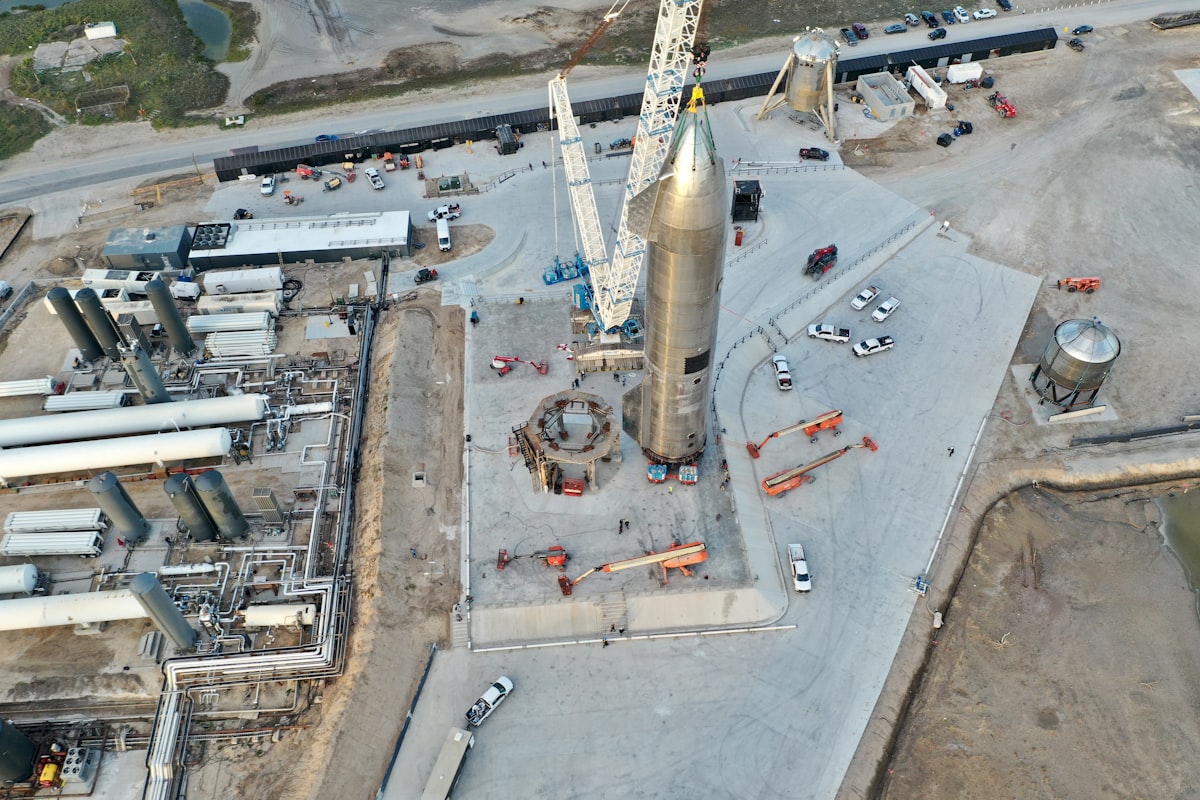
The Space Force hasn't publicly identified exactly which missions will fill these new orders, but there are obvious programs driving the surge in demand. Don't expect clarity soon.
What’s driving the demand
One major driver is the Pentagon's Space Data Network and Airborne Moving Target Indicator programs. But that's not all. The Space Force recently awarded multibillion dollar contracts to SpaceX to deploy numerous satellites for both constellations, and SDN and AMTI will provide global connectivity and targeting information for US forces. Golden Dome is another key factor. That's the Trump administration's proposed missile defense shield, and it's expected to include an untold number of space based missile warning sensors and space based interceptors.
The numbers are staggering. The Trump administration requested $71.The Space Force is set to receive $1 billion in fiscal year 2027, a big jump from the roughly $40 billion allocated for fiscal year 2026, but the House Appropriations Committee's draft 2027 Pentagon budget included only $55.5 billion for the service. That's less than the White House wanted. And the Senate hasn't released its own Pentagon budget bill yet.
What comes next
The NSSL program lets Space Systems Command pick launch providers for each mission. But the ceiling has reached $17 billion for Lane 1, and with both lanes now exceeding a combined $30 billion, the competition among launch companies is only going to intensify. That number seems quaint. The Space Force originally estimated at least 30 Lane 1 task orders over five years.
- The Lane 1 contract was originally capped at $5.6 billion.
- It is now tripled to $17 billion.
- The Lane 2 contract is capped at $13.7 billion.
- Combined maximum value: more than $30 billion.
The Space Force hasn't said when it'll announce the next batch of task orders. But the trajectory is clear. The military is buying launch capacity at a pace that would have been unthinkable just a few years ago, and so whether the rocket industry can keep up remains an open question.
“It seems as though $5.6 billion wasn’t enough,” military officials said in announcing the expansion.
The Space Force's appetite for launches is growing faster than its own projections. But budgets are climbing toward $70 billion now. So don't expect that to change. The only certainty in this whole equation is that the number of missions and the money to pay for them will keep rising.
Frequently Asked Questions
What is the total maximum value of the Space Force's NSSL program launch contracts combined?
The combined maximum value of both Lane 1 and Lane 2 contracts now exceeds $30 billion. This figure comes from tripling the Lane 1 ceiling to $17 billion and capping Lane 2 at $13.7 billion.
Why did the Space Force increase the ceiling for Lane 1 contracts?
The Space Force tripled the Lane 1 ceiling from $5.6 billion to $17 billion because the Pentagon's demand for satellite launches is climbing far faster than initial projections. Military officials stated that $5.6 billion wasn't enough, as they identified more missions than originally estimated.
How does the Space Force's NSSL program distinction between Lane 1 and Lane 2 work?
Lane 1 covers more risk-tolerant missions like medium-lift launches with experimental payloads and is open to commercial providers without lengthy certification. Lane 2 is reserved for the highest priority strategic missions, such as the government's largest spy satellites, and requires vehicles to pass military certification reviews.
Which companies are currently qualified to launch Lane 2 missions for the Space Force?
SpaceX's Falcon 9 and Falcon Heavy, along with United Launch Alliance's Vulcan rocket, have passed the military's lengthy certification reviews. This means they are the only vehicles qualified to fly the most sensitive payloads in Lane 2.
What programs are driving the Space Force's increased demand for launches?
Major drivers include the Pentagon's Space Data Network and Airborne Moving Target Indicator programs, which provide global connectivity and targeting information. The Trump administration's proposed Golden Dome missile defense shield, expected to include space-based sensors and interceptors, is another key factor.

Astrid Berg covers space and astronomy, from missions and launches to the science of the universe. She follows the ongoing effort to explore beyond our planet.
💬 Comments (0)
No comments yet. Be the first!