Wales Wildfires Caused Catastrophic Soil Loss, Scientists Warn
Scientists say Wales wildfires caused catastrophic soil damage, with 4,000 years of carbon gone and rare habitat at risk of vanishing within a lifetime.
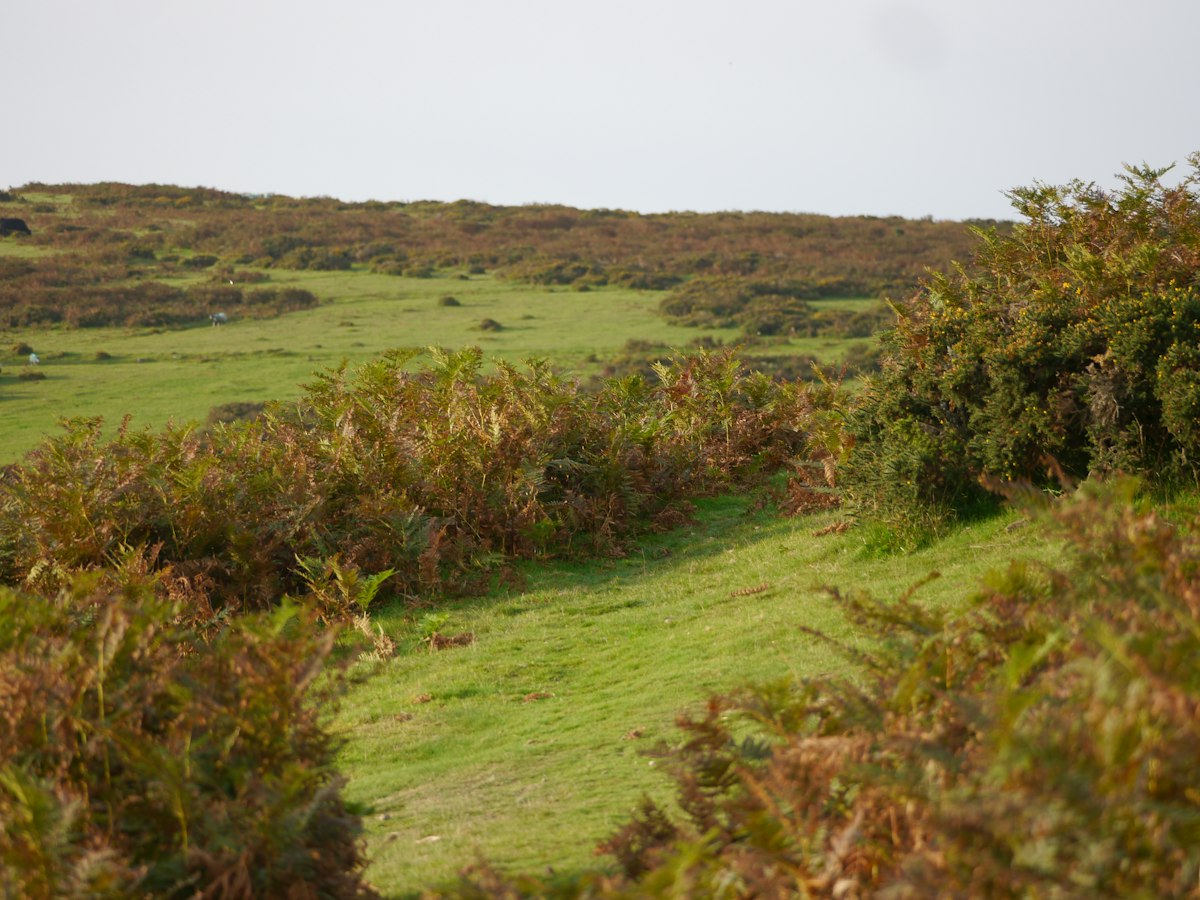
Wales wildfires have left a hidden scar. It's across the country's uplands. Scientists fear it may never heal. A summer of extreme heat and exceptionally dry conditions through July and August turned heathland, moorland and upland grasslands into tinder, producing one of the UK's worst wildfire seasons in recent years. Now researchers surveying the damage say the most serious losses aren't the blackened hillsides people can see. They're the living soil beneath them. And we've can't see that damage.
Thousands of Years Gone in Five Days
Davey Jones leads a Bangor University survey of several sites across Wales. He says the destruction goes far beyond what made headlines. People see blackened vegetation. They assume that's the main impact. But the real story, he says, is below our feet, and the scale of what's happened there goes far beyond the scorched plants and trees that everyone else has been talking about.
At Sychnant Pass in Conwy county, where one of the season's worst fires forced 36 homes to be evacuated and burned about 200 acres of land, the team estimates roughly 10 centimetres of soil has been lost. That thin layer, Jones explained, represented 4,000 years of accumulated carbon, wiped out in a single event. "Once the topsoil is gone, we can never recover that," he said.
The loss matters. That soil does far more than hold plants in place, and Jones described it as a water sponge, a carbon store and a nutrient bank rolled into one, so losing it, he warned, is a double blow that worsens climate change while making the remaining habitat far more fragile. It's a double blow. We can't ignore it.
"This site has taken thousands of years to develop and it's all gone in maybe five days? It's incredible."
A Race Against the Winter Rain
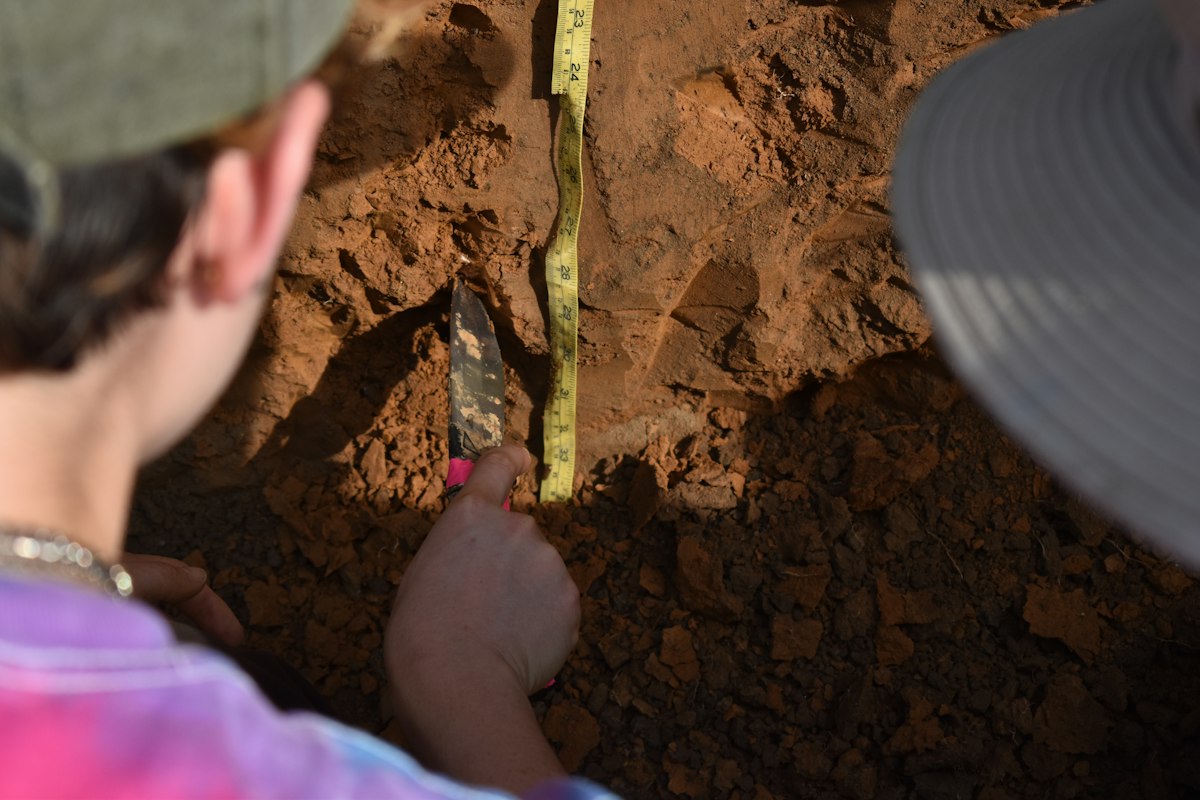
They're racing the clock. Across recent weeks the Bangor team has been working against the clock to collect soil samples before heavy winter rainfall washes away what remains of the burnt layer. But it's not just digging. The approach involves comparing scorched ground with adjacent untouched areas, allowing researchers to measure shifts in soil carbon, nutrients, microbial activity, water repellency and erosion risk. So they can't wait. And that comparison, built slowly across weeks of field work before the rains arrive, is what lets the team measure shifts in soil carbon, nutrients, microbial activity, water repellency and erosion risk. We've got no time.
NASA satellite data gets used fast. It's helped pinpoint new sites quickly after fires break out. Kara Marsden, a lecturer in soil science working on the project, said speed was everything, and she said it plainly, because in those first hours what you've got is data, heat, wind, and a narrow window that closes before anyone can second-guess the call. And they can't wait.
Speed mattered. We had to get on site fast, she said, to measure the soil and vegetation properties while the fire's impacts were still fresh, because these things can change rapidly, so capturing that baseline data now means we've got something accurate to compare against in future sampling dates. It's that simple. And we can't wait.
Green Shoots That Fool the Eye
At Sychnant Pass today, slight green shoots have begun pushing through the charred hillside, and it would be easy to read that as recovery. Important. Marsden cautioned that bracken sprouts almost immediately because its rhizomes sit deep in the soil, largely untouched by the burn layer. Heather and gorse are a different story. Their roots are much shallower, and she said they are completely gone. The depth of soil they depend on could take thousands of years to form again.
North Wales Bore the Brunt
During the July peak, fires affected approximately 2,760 acres of countryside across north Wales alone, an area equivalent to more than 1,500 football pitches. The affected landscapes are not ordinary ground. Jones described a rare ecosystem housing specialist plants, butterflies and insects, one where the UK sits at the global epicentre.
The wider consequences stretch beyond biodiversity. Jones noted that fires release carbon, nitrogen and sulphur back into the atmosphere, feeding climate change directly. Each new blaze pushes the system further along a self-sustaining cycle of drier soils, more fires and more carbon released. Without rapid restoration and better wildfire preparedness, he warned, "we might lose pretty much all of this habitat within our lifetime".
Can Damaged Ground Be Rebuilt?
Restoration is not simply a matter of waiting for nature to take its course. Jones raised the prospect of generating artificial soils, for instance through the reuse of organic wastes, but stressed that any such effort depends on understanding what soil quality looks like now. That knowledge would let researchers design replacement soils for the future, because they do not exist yet.
The team will return. They'll track recovery at the sites over the next two years. And they'll assess whether some habitats prove more resilient than others, a question that matters because early evidence suggests vegetation can come back, though more slowly and in a more fragile state. It's fragile. That leaves landscapes increasingly susceptible to the next burn. We've seen it.
- Fires affected roughly 2,760 acres of north Wales countryside during the July peak.
- At Sychnant Pass, 36 homes were evacuated and about 200 acres burned.
- Around 10 centimetres of soil was lost at the site, representing 4,000 years of stored carbon.
- Researchers will monitor the sites for two years to chart recovery.
What stands out from the Wales wildfires? A landscape shaped over millennia can be undone so quickly. The blackened heather will fade from memory long before the ground beneath it recovers, if it ever does. And we can't forget that.
Frequently Asked Questions
What did researchers surveying the Wales wildfires identify as the most serious loss?
Researchers say the most serious losses aren't the blackened hillsides people can see, but the living soil beneath them. At Sychnant Pass, the team estimates roughly 10 centimetres of soil was lost, representing 4,000 years of accumulated carbon wiped out in a single event.
Why did the Bangor University team race to collect soil samples before winter?
The team worked against the clock to collect soil samples before heavy winter rainfall washed away what remained of the burnt layer. According to Kara Marsden, they had to get on site fast to measure soil and vegetation properties while the fire's impacts were still fresh, since these things can change rapidly.
How does the Bangor team measure shifts in soil conditions after the fires?
The approach involves comparing scorched ground with adjacent untouched areas, which lets researchers measure shifts in soil carbon, nutrients, microbial activity, water repellency and erosion risk. NASA satellite data is also used to help pinpoint new sites quickly after fires break out.
Why do green shoots at Sychnant Pass not indicate true recovery?
Marsden cautioned that bracken sprouts almost immediately because its rhizomes sit deep in the soil, largely untouched by the burn layer. Heather and gorse are a different story, as their roots are much shallower and are completely gone, and the depth of soil they depend on could take thousands of years to form again.
What did the July peak fires in north Wales affect, and what will researchers do next?
During the July peak, fires affected approximately 2,760 acres of countryside across north Wales alone, an area equivalent to more than 1,500 football pitches. The team will return and track recovery at the sites over the next two years, assessing whether some habitats prove more resilient than others.

Astrid Berg covers space and astronomy, from missions and launches to the science of the universe. She follows the ongoing effort to explore beyond our planet.
💬 Comments (0)
No comments yet. Be the first!