US Clean Energy Boom Defies Trump Curbs, S&P Says
Despite administration efforts, US clean energy additions hit a record 45 GW this year, driven by AI demand and expiring tax credits, S&P says.
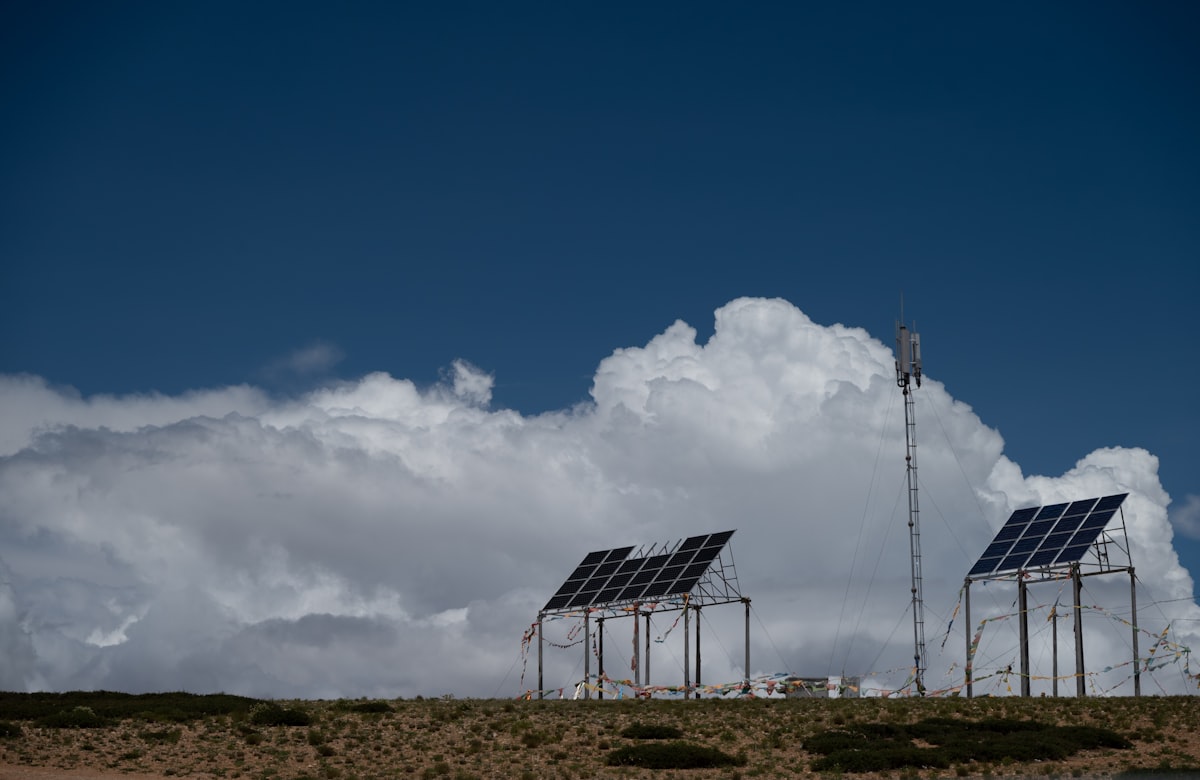
Clean Energy Boom Rides Out Political Headwinds
The numbers are staggering. Clean energy is booming across America, and new solar and wind capacity is set to jump by a record 45 gigawatts this year, according to S&P Global Energy. That's roughly the average electricity demand of Turkey. And it marks a 25 percent increase over the previous record set in 2024, a surge that's rewriting the script for American power itself.
The surge arrives despite a White House that campaigned against renewables. It's spent its first months in office trying to dismantle the previous administration's climate agenda. But analysts point to a confluence of forces. Rising electricity demand from AI data centers, developers rushing to beat expiring tax credits, and a war in Iran that has pushed global energy prices upward, they're all converging now. Don't underestimate that mix.
“There was a campaign promise to go against renewables, but at the same time they’re realizing that you can’t do without it,” said Izzet Bensusan, chief executive of Captona, an energy infrastructure investment group. “I don’t see a world where power demand is flattening out.”
Deadlines Drive Construction Rush
Part of the acceleration comes down to a clock that's now ticking. It's a tight one. The One Big Beautiful Bill Act, which slashed tax credits for solar and wind, included a provision that gave developers until July 4 to begin work on projects and until 2030 to finish them, so that timeline has forced a sudden rush. That deadline “prompted developers to hurry and begin construction,” said John Murray, a renewables analyst at S&P Global. But hurry they did.
The numbers are striking. S&P projects new solar capacity will jump by nearly a third in 2026, while wind additions rise almost 50 percent. Solar is expected to set another record in 2027 before wind catches up again.
All of this happens against a backdrop of political hostility. The administration broke up Esmeralda 7 in Nevada, which would have been the largest single solar project in the US. It has interfered with routine approvals for more than 150 onshore wind projects. Courts, however, have pushed back. A district court judge in Oregon recently ordered the Pentagon to stop blocking onshore wind development, and federal courts have blocked all five attempts to halt construction at East Coast offshore wind sites.
A Pragmatic White House?
Despite the rhetoric, there are signs the administration is willing to deal. It's a quiet shift. Developers have found success lobbying directly, leaning on people with ties to the White House to advocate for individual projects, according to people familiar with the efforts. But the pitch often centers on one argument, and it's disarmingly simple. These projects won't displace fossil fuels. So they're not a threat, just an addition.
Cliff Graham, chief executive of clean energy company Avantus, sees the administration as pretty pragmatic on the permit side, and that’s a view born from years of navigating the regulatory thicket between Washington and the desert. But it’s the land that tells the real story. There’s a lot of ground between Reno, Tucson, and Barstow where no better use exists than solar-plus-storage, he said. That’s a lot of empty space. So we’ve got room to build, and we can’t waste it.
The White House sees things differently. Spokesperson Taylor Rogers touted "record-high oil and gas production" under Trump, adding that "the president has delivered on his promise to boost American energy." At the same time, the administration has ended subsidies for costly and unreliable energy sources that American taxpayers were unfairly forced to fund.”
Demand Growth Changes the Equation
The clean energy boom isn’t just about tax credits and deadlines. US power consumption is expected to grow 39 percent by 2035, according to consultancy ICF, driven by energy-hungry data centers and the electrification of household appliances and transport. That forecast comes after more than a decade of flat demand.
Speed matters. Solar and wind are among the quickest, cheapest forms of energy to bring online. New sites have a lead time of less than two years, according to think-tank RMI, compared to at least three years for gas projects. Producers can break even selling solar power for as little as $38 per megawatt-hour and wind for $37, versus $48 for gas, according to investment bank Lazard.
Those figures don't fully account for system upgrade costs or batteries needed to smooth out intermittency. But the economics still favor renewables. And developers stand to profit, since electricity prices are expected to rise 40 to 120 percent once Inflation Reduction Act subsidies expire, a jump that's far larger than most analysts had projected just a year ago. So the bet is simple. It's a race against the clock.
Candidly, it's a good time to be a developer," said Ethan Zindler, head of country and policy research at BloombergNEF. Data centers need power. And they need it basically yesterday, which means the demand isn't just growing, it's accelerating at a pace that strains grids, permits, and supply chains all at once. So the timing couldn't be better for those who build and manage the infrastructure. It's urgent. It's real. And it's theirs to seize.
Weather, War, and Home Batteries
Extreme weather and the Iran conflict have also shaped the market. Consumer investment in residential solar panels, batteries, and zero-emission vehicles led clean energy spending in the second quarter of 2026, increasing 45 percent from the previous quarter and 21 percent from the same period in 2025, according to researcher Rhodium Group.
Hannah Hess, a director with Rhodium's energy and climate practice, points to the surge of home batteries being installed across Florida so households can keep the lights on when a hurricane rolls through. But the Iran war is driving fuel prices higher. So they're seeing more EV and hybrid purchases. That's a big shift. People don't want to be left stranded, and they can't afford to fill up a gas tank every week, so the math on electric vehicles is starting to look a lot more attractive to a broader swath of buyers than it ever has before.
The pattern is clear. Demand is up, prices are up, and builders are building, so the surge shows no sign of flattening out anytime soon. But the administration’s early moves to curb renewable development haven’t stopped the momentum. They may have accelerated it.
“I don’t see a world where power demand is flattening out.” , Izzet Bensusan, Captona
The White House still controls permits, subsidies, and federal land. The courts have provided a check, and developers have found workarounds, but the tension between policy and reality remains unresolved. For now, the market is winning.
The clean energy boom is happening anyway. The question is how long it can last.
Frequently Asked Questions
What is the projected increase in new solar and wind capacity in the US this year according to S&P Global Energy?
S&P Global Energy projects that clean energy capacity will jump by a record 45 gigawatts this year. This marks a 25 percent increase over the previous record set in 2024.
Why are developers rushing to begin construction on renewable projects?
Developers are rushing to begin construction because the One Big Beautiful Bill Act included a provision giving them until July 4 to start work and until 2030 to finish projects. This deadline prompted developers to hurry and begin construction, as noted by John Murray, a renewables analyst at S&P Global.
How has the administration's political hostility affected renewable projects, and what has been the response?
The administration broke up the Esmeralda 7 solar project in Nevada and interfered with approvals for over 150 onshore wind projects. However, courts have pushed back, with a district court judge ordering the Pentagon to stop blocking onshore wind and federal courts blocking all five attempts to halt offshore wind construction.
What factors are driving the increase in US power consumption by 2035?
US power consumption is expected to grow 39 percent by 2035, driven by energy-hungry data centers and the electrification of household appliances and transport. This forecast comes after more than a decade of flat demand, according to consultancy ICF.
What consumer trends in clean energy spending were observed in the second quarter of 2026?
Consumer investment in residential solar panels, batteries, and zero-emission vehicles led clean energy spending in the second quarter of 2026, increasing 45 percent from the previous quarter and 21 percent from the same period in 2025. This surge is attributed to extreme weather and the Iran war driving fuel prices higher, making EVs and home batteries more attractive.

Nadia Petrov covers science and research across disciplines, from the laboratory to the field. She enjoys making discovery accessible and showing why new findings matter.
💬 Comments (0)
No comments yet. Be the first!