Why do cats lick each other?
Why do cats lick each other? Scientists study allogrooming to explain social bonding, hygiene and appeasement in cats.
Why do cats lick each other?
The answer is stranger than affection
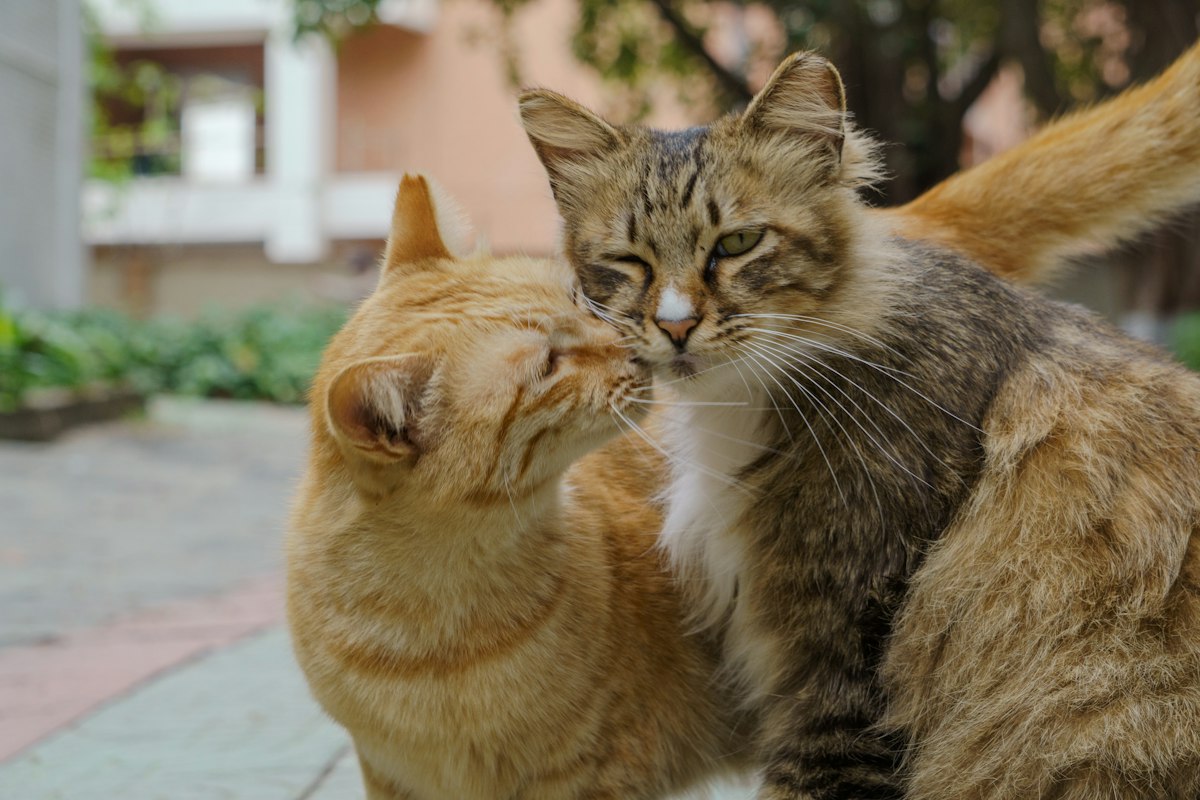
Why do cats lick each other? Watch two cats in the same house. You'll see it eventually. One cat licks its companion's ears and neck with a rough tongue, a scene many owners read as pure friendship, though the behavior even has a clinical name, allogrooming, where "allo" simply means another individual. But the story behind that tongue is messier than a greeting card.
Years. Years of research. Researchers have spent years trying to pin down what the licking actually communicates, and their findings suggest it can mean almost anything, from deep affection to a quiet warning that a fight is about to start. It's affection. Or it's a warning. But they're saying it can mean almost anything.
A theory that cracked under scrutiny
For decades, the standard explanation came from watching free-roaming cat colonies. Allogrooming looked like a bonding ritual, a way for cats to build ties within a social group, possibly by blending their scents into one shared group smell. It was a tidy idea. Then researchers tested it.
In 1998, a study tracked 25 cats living together in an indoor-outdoor enclosure. Aggression showed up. It hit roughly 35% of allogrooming sessions. That number undercut the friendship theory fast. If licking were purely affectionate, why would so many sessions slide into hostility? And that's the problem, because when you watch cats groom each other and then, in more than a third of those sessions, watch that same grooming tip into aggressive behavior, you can't just call it friendship and move on.
The authors floated a different idea. But it's risky. In a confined space, a real fight is risky. Licking may serve as a way to defuse tension before it boils over.
What happened when scientists watched 53 homes
Morgane Van Belle took the question further. She's a cat behavior scientist at Ghent University in Belgium, and she worked with her colleagues on this. The team analyzed video of allogrooming from 53 homes, each with exactly two cats, and what they found, after watching all of it closely, was not one function but several, shifting with the moment. So it's not simple. They don't see one single purpose here.
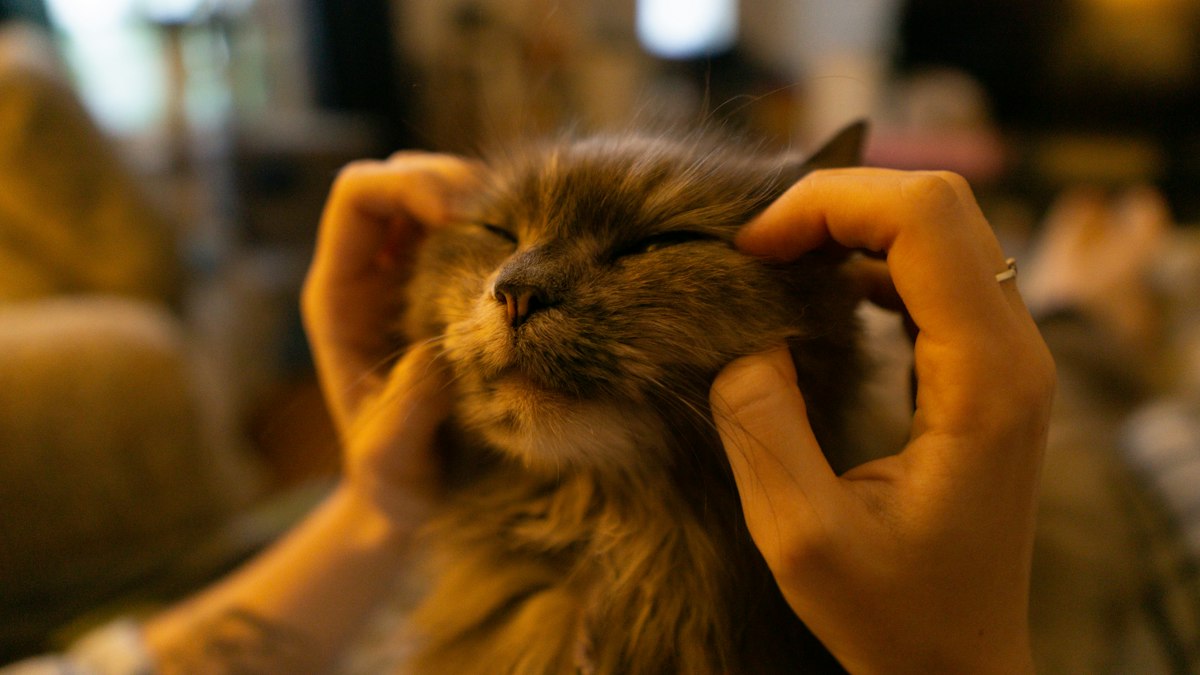
Sometimes the cats licked while huddling together and mirroring each other's body postures. In those scenes, the researchers proposed, the grooming likely strengthens social bonds. Most of the licking landed on the ears. That detail matters. The skin there is packed with sensory nerve endings, Van Belle said, which may explain why the recipient relaxes.
Cats are not alone in this. Allogrooming lowers heart rate in horses and triggers feel-good hormones in monkeys.
Other sessions told a different story. The team watched grooming give way to friendly wrestling, with cats grabbing each other with their front legs and tumbling around. That pattern hints the licking can act as a signal to start play.
When licking is not affection at all
Conflict signals came next. In some recordings, allogrooming was followed by ears turning backward, pawing, and biting. One cat would stand or lean over the other while both showed subtle stress signs, including lip licking, head shaking and self-scratching, and it's clear they're not relaxed, though the grooming itself had looked calm and social just moments before.
From these observations, Van Belle's team concluded that allogrooming may work as an appeasement signal in fraught moments, the kind that could escalate into injury. Picture one cat wanting a sleeping spot another cat already occupies. The licking may calm the situation and keep a spat from becoming a genuine fight. Meerkats do something similar, with subordinate individuals grooming dominant ones to placate them.
There is a twist, though. The licking often targets the neck. That is the same area cats bite during real fights. So the gesture may also carry a subtle aggressive threat underneath the calm.
"Congratulations, you got a cat. Let the mystery begin."
Hygiene, and the limits of what we know
Van Belle and her colleagues suspect allogrooming does double duty as basic housekeeping. It tends to land on the head and neck, after all, which Van Belle described as the areas least accessible for a cat grooming itself. Other species use grooming for hygiene too. Ants groom heavily infected colony members more often. Primates concentrate their efforts on body parts the recipient cannot easily reach.
For cats, though, the evidence stops short. Van Belle's study did not measure parasites, infections or skin cleanliness, so nobody knows whether the grooming actually removes dirt or bugs.
Dr. Terry Curtis, a veterinary behaviorist who has studied how often allogrooming happens, also leans toward a hygiene explanation. She wonders whether feral cats, which likely carry more fleas than house cats, follow a different grooming pattern than pets do.
The honest answer
Curtis called the proposed explanations reasonable but not definitive. With so many factors shaping feline behavior, she is skeptical that anyone will ever say with real confidence why one cat grooms another. After 25 years as a veterinary behaviorist, she has reached a blunt conclusion: understanding what goes on inside a cat's mind is often impossible.
So the next time one cat pins another and starts licking, resist the urge to label it. It might be affection. It might be play. It might be a negotiation over a warm spot by the window. Or it might be a threat delivered with a very soft tongue.
Quick signals to watch
- Relaxed huddling and mirrored postures suggest bonding.
- Wrestling with front paws after licking points to play.
- Backward ears, pawing, lip licking or head shaking suggest stress.
- Licking aimed at the ears and neck may serve hygiene or calming.
Context is everything, and cats rarely announce their intentions. If you want to understand why cats lick each other in your home, watch what happens after the tongue stops.
Frequently Asked Questions
What is allogrooming, and why do cats lick each other according to the article?
Allogrooming is the clinical name for when one cat licks another individual, where "allo" simply means another individual. According to the article, researchers' findings suggest the licking can mean almost anything, from deep affection to a quiet warning that a fight is about to start.
What did the 1998 study of 25 cats reveal about the friendship theory of allogrooming?
The 1998 study tracked 25 cats living together in an indoor-outdoor enclosure and found that aggression hit roughly 35% of allogrooming sessions. This number undercut the friendship theory fast, since if licking were purely affectionate, so many sessions would not slide into hostility.
How did Morgane Van Belle's team conduct their research on allogrooming in cats?
Morgane Van Belle, a cat behavior scientist at Ghent University in Belgium, worked with colleagues to analyze video of allogrooming from 53 homes, each with exactly two cats. After watching all of it closely, they found not one function but several, shifting with the moment.
What signs indicate that allogrooming might be a conflict signal rather than affection?
In some recordings, allogrooming was followed by ears turning backward, pawing, and biting, with one cat standing or leaning over the other. Both cats showed subtle stress signs including lip licking, head shaking and self-scratching, suggesting the grooming may work as an appeasement signal in fraught moments.
Does the article conclude that allogrooming serves a hygiene purpose, and what evidence supports or limits this idea?
Van Belle and her colleagues suspect allogrooming does double duty as basic housekeeping, since it tends to land on the head and neck, which are the areas least accessible for a cat grooming itself. However, the study did not measure parasites, infections or skin cleanliness, so nobody knows whether the grooming actually removes dirt or bugs.

Eva Koch writes about scientific research and the people behind it, covering the studies and breakthroughs shaping our understanding of the world. She values curiosity and careful evidence in equal measure.
💬 Comments (0)
No comments yet. Be the first!