How Electronic Noses and Drones Are Tackling Persistent Odors
Communities worldwide are using technology to combat persistent industrial odors. Electronic noses and drones provide data-driven solutions to pinpoint sources of bad smells.
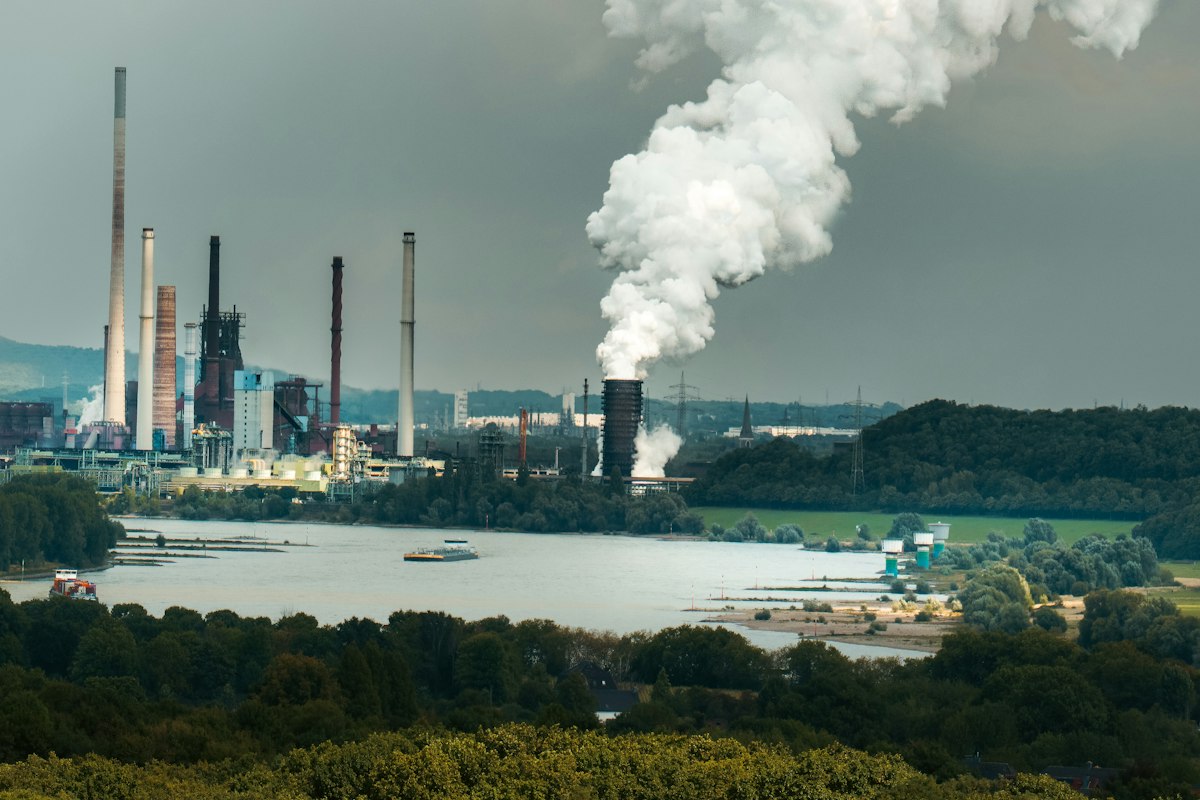
How Electronic Noses and Drones Are Tackling Persistent Odors
Electronic Noses are fighting bad smells. They're at the forefront of a technological push to combat pervasive, unpleasant odors plaguing communities, and they're offering a data-driven approach to an age-old problem that has frustrated people for generations. In Milpitas, California, an affluent city nestled within Silicon Valley, residents have long contended with rank odors emanating from industrial sites, including a sprawling 342-acre landfill. Chia-Ling Kong is an engineer. She lives around half a mile from the dump. She couldn't open her window for over 10 years. But conditions have seen some improvement. Kong and her neighbors still experience "two or three hours of bad smells a day.
Milpitas Embraces Tech for Cleaner Air
Local authorities just mandated a big change. The operators of the Newby Island landfill now have to deploy drones and install continuous monitors to systematically track and measure the specific chemicals responsible for those noxious smells, which is a lot to take in. They've also been ordered to automate the collection of gases known to cause odors. And Kong views this shift with optimism. Kong is optimistic a data-driven approach will make a difference, stating, "Hopefully with this continuous monitoring, it makes it easier to pinpoint problems at the moment it starts.
The landfill operators affirm their commitment to safe operations and protecting local air quality. Yet, Milpitas is not an isolated incident. Across the globe, communities are increasingly vocal about persistent bad smells that degrade daily life, whether from rubbish dumps, sewage treatment works, or reeking factories. The challenge in resolving these complaints is often magnified by a lack of clear regulations; for instance, the US Environmental Protection Agency does not classify environmental odors as pollutants, leaving local governments to grapple with the issue.
The Rise of Urban Odor Conflicts
Urban expansion pushes homes closer to facilities. That's the reality now. It intensifies demand for advanced technologies to monitor and prevent odors, and odour consultant Micheal Bull, reflecting on his experiences in the UK, notes a growing public concern about neighborhood stinks. "You're getting developments being built nearer to odorous processes," Bull explains, adding that increased land value also drives infilling, further tightening the proximity between homes and potentially smelly operations. And this pattern resonates in many other parts of the world.
Technologies designed to tackle industrial pongs generally fall into distinct categories:
- They absorb odors.
- They convert them into less offensive substances through chemical reactions.
- They burn the odorous compounds away.
Experts in industrial odor remediation say the best technologies work extremely well. Applied correctly, they can eliminate 90% or more of the problematic compounds, a figure that sounds impressive until you consider what these advanced solutions actually cost, which is enough to push some operators toward simpler, cheaper methods. Those methods often mean masking odors from landfills or sewage processing. They spray vast quantities of deodorizers. But industry experts aren't convinced. They're skeptical about the long-term effectiveness of such industrial-scale air fresheners, and they've got good reason to question whether spraying that much product solves anything at all.
"In my view they're not likely to change the odours," says Micheal Bull, likening them to fabric conditioner.
Carlos Diaz works in Spain. He's an environmental consultant. He says foul smells from waste sites are a frequent source of public grievances, and they're among the most potent and challenging to address. "Landfill is difficult to treat because you have a very large surface," he observes. That highlights the scale. It's a big problem.
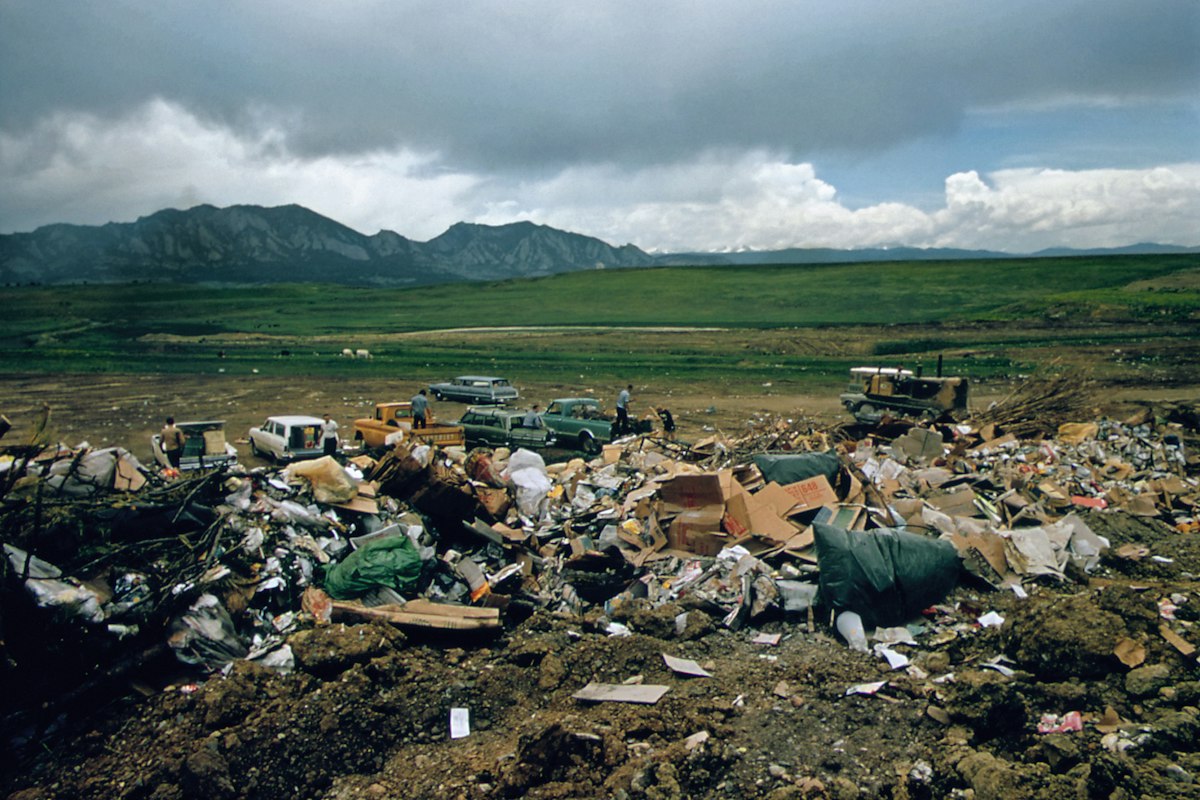
Des Moines Fights the "Eastside Funk"
In some areas, technology is making a tangible difference. Residents of Des Moines, Iowa, have long suffered from what they call the "Eastside Funk," a putrid scent that frequently drifts across parts of the city. A city-commissioned study identified a trio of industrial meat companies as key contributors to the problem. Dalton Jacobus, who works in the Department of Neighborhood Services, points out that with half a million people living within a ten-mile radius, "If the winds are out of the wrong direction, 100,000 people can be in the middle of that odour plume."
Des Moines authorities now spend about $240,000 a year on technology to track the stink's source. That's real money. And it lets them take targeted action. Jacobus explains their strategy: what they wanted to do was build a ring of odour monitors around the facilities that they suspected of emitting odours. These monitors, which precisely measure levels of chemical compounds in the air, operate in conjunction with a weather station, and this setup provides real-time data on concentrations originating from each facility, factoring in wind patterns.
"Now we can say with reasonable certainty that 'this odour event did originate from your facility, what was going on'?" Jacobus explains.
The Precision of Electronic Noses
Some facilities stink. They're the ones named as contributors to Des Moines' unpleasant smells, and they've already spent millions of dollars to upgrade their own odor control systems. Smithfield Foods, for example, invested $2 million to install a regenerative thermal oxidizer, a device designed to destroy odor-causing chemicals at its Des Moines meat processing plant, which is a big number for one piece of equipment. But the company maintains it's not the primary source. It says it isn't. The complaints keep coming, and Smithfield still insists it isn't the main cause, even after all that spending on a system meant to wipe out the chemicals that make people wrinkle their noses.
Officials in Des Moines used to drive around. They'd go to complaint locations. Then they'd simply sniff the air. That was before the advanced monitors, some of which local companies help fund, arrived and changed how the city tracks industrial odors. Relying on the human nose for industrial odor detection remains a common practice. Claudia Barrios Obregón works for Kunak. It's the Spanish company behind the Des Moines monitors. She highlights the limitations of this traditional approach. "Right now, the way that cities control or measure odours is olfactometry: a human panel measures and gives an opinion of what the odour is like. But that's not that realistic," she argues.
Kunak's monitors show how electronic noses are catching on. They help detect smells more accurately and objectively. But universal satisfaction? That's elusive. Smell is subjective by nature, no matter the technology. Johan Lundström, a professor at the Karolinska Institute in Stockholm, Sweden, who specializes in the science of smell, points to a general rule that captures this problem: "Unfortunately, the general rule is that the nastier we perceive the odour to be, the more sensitive towards it we are." This human element adds another layer of complexity to the ongoing battle against persistent odors, even as technological solutions like electronic noses continue to evolve. And they're still evolving.
Frequently Asked Questions
What specific technologies are the operators of the Newby Island landfill now required to deploy to track and measure odor-causing chemicals?
The operators are now required to deploy drones and install continuous monitors to systematically track and measure the specific chemicals responsible for the noxious smells. They have also been ordered to automate the collection of gases known to cause odors.
Why is resolving odor complaints challenging for local governments in the United States, according to the article?
The challenge is often magnified by a lack of clear regulations, as the US Environmental Protection Agency does not classify environmental odors as pollutants. This leaves local governments to grapple with the issue on their own.
How do electronic noses help cities like Des Moines move past the blame game when odor complaints arise?
Electronic noses, such as the monitors from the Spanish company Kunak, precisely measure levels of chemical compounds in the air and work with a weather station to provide real-time data on concentrations from each facility, factoring in wind patterns. This setup allows authorities to say with reasonable certainty that a specific odor event originated from a particular facility.
Who is Claudia Barrios Obregón, and what limitation of traditional odor measurement does she highlight?
Claudia Barrios Obregón works for Kunak, the Spanish company behind the Des Moines monitors. She highlights that the current way cities control or measure odors is olfactometry, where a human panel gives an opinion of what the odor is like, but she argues that this approach is not that realistic.
Why is the human element still a complex factor in the battle against persistent odors, even with advanced technologies like electronic noses?
Johan Lundström, a professor specializing in the science of smell, points to a general rule that the nastier we perceive an odor to be, the more sensitive towards it we are. This subjectivity adds another layer of complexity to the ongoing battle against persistent odors, even as technological solutions continue to evolve.

Victor Holm reports on science and discovery, with a particular interest in physics, biology and the questions that drive research forward. He looks for the wonder in how the world works.
💬 Comments (0)
No comments yet. Be the first!