Montreal Cemetery Ancient DNA Reveals No Indigenous-French Genetic Mixing
Montreal Cemetery Ancient DNA from 45 individuals showed French European ancestry and no recent Indigenous or African admixture.
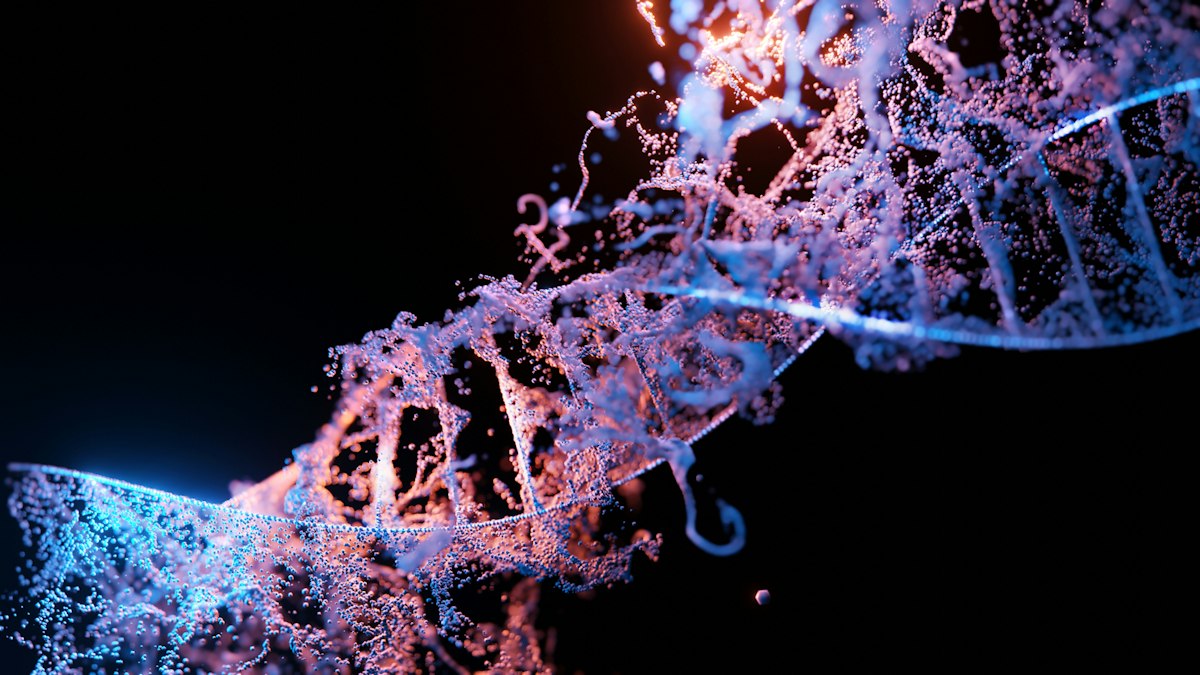
Montreal Cemetery Ancient DNA has delivered a sharp corrective to one of Quebec's most enduring family stories. For generations, many French Canadians have grown up hearing tales of an Indigenous ancestor tucked somewhere in the family tree. The truth is more complicated. New genetic evidence from skeletons buried in Montreal's Notre-Dame Cemetery suggests those stories may not hold up.
The findings appeared Oct. 5 in the journal PNAS. Researchers sequenced DNA from 45 people buried in the cemetery between its founding in 1683 and the end of Catholic burials there in 1796. Every individual tested carried French European ancestry. Not one showed signs of recent Indigenous or African admixture.
"The ancient DNA showed that all 45 individuals we analyzed had French European ancestry, with no sign of recent Indigenous or African admixture," said Diane Martin-Moya, a biological anthropologist at the University of Quebec in Trois-Rivières.
"Family stories of an Indigenous ancestor are very common" in Quebec, Martin-Moya said. "Commercial genealogy and DNA tests have amplified this." But distant or claimed Indigenous identities can undermine the rights, resources and recognition of Indigenous nations, she cautioned.
45 Skeletons Rewrite a Founding Story
Why Family Stories Persist
Diane Martin-Moya and her colleagues compared the cemetery DNA against genomes from Europe, West Africa and Indigenous groups in the Americas. The team conducted the work while Martin-Moya was at the University of Montreal. Prior investigations had left experts divided over whether people of Indigenous, European, African or mixed ancestry were buried at Notre-Dame. The new genetic data put that disagreement to rest.
The Montreal Cemetery Ancient DNA analysis also revealed several genetic lineages spanning multiple generations. But the graves were scattered across different areas of the site. No tidy family plots.
That detail matters. Raquel Fleskes, a molecular anthropologist at Dartmouth College who was not involved in the research, said the pattern suggests people in Montreal during the 17th century may have buried their dead in ways not defined by strict biological kinship ties.
- All 45 individuals carried French European ancestry
- No individual showed recent Indigenous or African admixture
- Several genetic lineages spanned multiple generations
- Graves were not organized into family plots
"The apparent lack of genetic mixing among European, African and Indigenous populations in this cemetery group provides a perspective on population relationships during the colonial period, one where perhaps nongenetic interactions were present but no biological relationships were found," Fleskes said.
Whose Graves Actually Survived?
A Bias Toward the Poor
The results cannot speak for all of colonial Montreal. "Not identifying recent Indigenous or African admixture in this sample does not imply that Indigenous or African-descended people were absent from the city," Martin-Moya said.
The cemetery itself changed over time. Reburials and later urban development disturbed or destroyed earlier graves. "Those buried inside the church, mostly clergy and wealthier residents, were more likely to be exhumed and moved," she explained.
Poorer residents were buried outside the church. Many now lie beneath the expanding city. That means the 45 skeletons may have been the remains of lower-class French colonists. A biased slice.
Archival records show some Indigenous people were buried in Catholic cemeteries in Montreal as early as the 17th century. But over time, Indigenous communities were increasingly separated from the colonial town through land dispossession and the relocation of missions away from urban centers.
- Clergy and wealthier residents: buried inside the church, more likely to be exhumed and moved
- Poorer residents: buried outside the church, now beneath the expanding city
- Indigenous communities: buried in their own communities after missions relocated away from urban centers
- Enslaved people, Indigenous and African: often buried on the enslaver's property or in cemeteries for the poor
"Their dead would most likely have been buried in those communities," Martin-Moya said.
Montreal Cemetery Ancient DNA Cannot Define Identity
Beyond Blood and DNA
What the genetic evidence cannot do is establish who belongs to an Indigenous nation. Martin-Moya stressed that biological ancestry alone cannot establish Indigenous belonging. That belonging "is rooted in kinship, community and relationships with land, not in blood or DNA."
The Montreal Cemetery Ancient DNA results do not mean that Québécois have no Indigenous ancestors. Nor do they suggest that relations between French settlers and Indigenous peoples were only hostile. Those relationships were complex, spanning alliances, trade, conflict and, sometimes, family ties.
"What our results suggest is that when such ancestry exists, it needs to be put in context," Martin-Moya said. "A single ancestor who lived more than 300 years ago does not say the same thing about a person today as being raised within an Indigenous family, community or nation."
The Limits of One Sample
"Our sample is small and comes from a single cemetery, so this does not show that such unions never happened," Martin-Moya cautioned. The findings are, however, consistent with genealogical and genetic work suggesting that Indigenous ancestry among present-day French Canadians is very limited. Montreal Cemetery Ancient DNA cannot settle every question about ancestry in early Montreal.
Frequently Asked Questions
What did the Montreal Cemetery Ancient DNA analysis reveal about the ancestry of the 45 individuals buried in Notre-Dame Cemetery?
The researchers sequenced DNA from 45 people buried in the cemetery between its founding in 1683 and the end of Catholic burials there in 1796. Every individual tested carried French European ancestry, and not one showed signs of recent Indigenous or African admixture.
Where and when were the findings from the Montreal Cemetery Ancient DNA study published?
The findings appeared Oct. 5 in the journal PNAS. The research was conducted by Diane Martin-Moya and her colleagues while Martin-Moya was at the University of Montreal.
According to the article, why do family stories of an Indigenous ancestor persist among many French Canadians?
Diane Martin-Moya said that family stories of an Indigenous ancestor are very common in Quebec, and commercial genealogy and DNA tests have amplified this. She cautioned that distant or claimed Indigenous identities can undermine the rights, resources and recognition of Indigenous nations.
How did the burial patterns of the genetic lineages found in the cemetery differ from typical family plots?
The Montreal Cemetery Ancient DNA analysis revealed several genetic lineages spanning multiple generations, but the graves were scattered across different areas of the site rather than organized into tidy family plots. Raquel Fleskes said this pattern suggests people in 17th-century Montreal may have buried their dead in ways not defined by strict biological kinship ties.
Why might the 45 skeletons analyzed not represent all of colonial Montreal's population?
The cemetery changed over time, and reburials and later urban development disturbed or destroyed earlier graves, with clergy and wealthier residents buried inside the church being more likely to be exhumed and moved. Poorer residents were buried outside the church, and many now lie beneath the expanding city, meaning the 45 skeletons may have been the remains of lower-class French colonists.
Nadia Petrov covers science and research across disciplines, from the laboratory to the field. She enjoys making discovery accessible and showing why new findings matter.
💬 Comments (0)
No comments yet. Be the first!