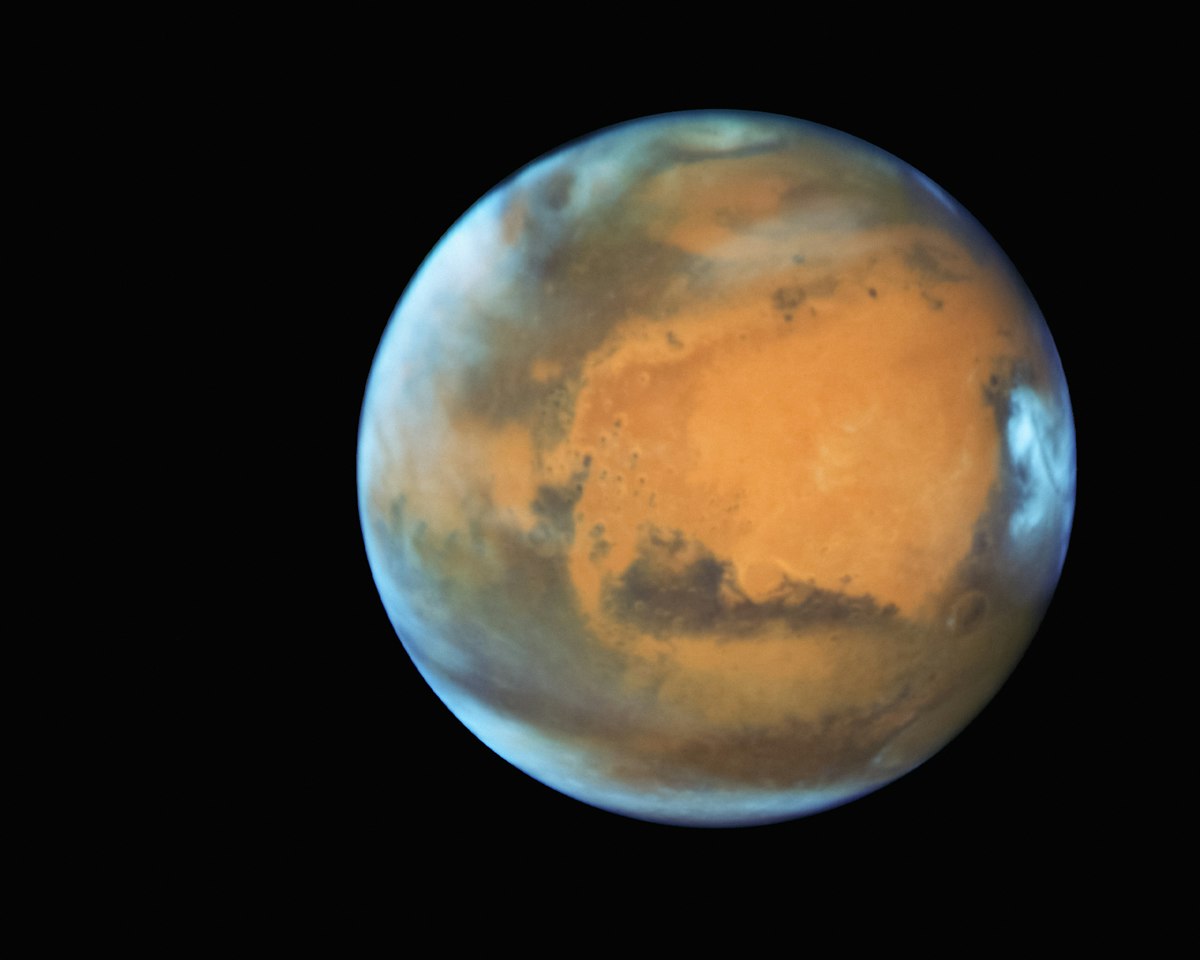
Artemis II Moon Colors: What You Need to Know
NASA's Artemis II mission revealed surprising Artemis II moon colors, offering insights into lunar geology and potential landing sites.
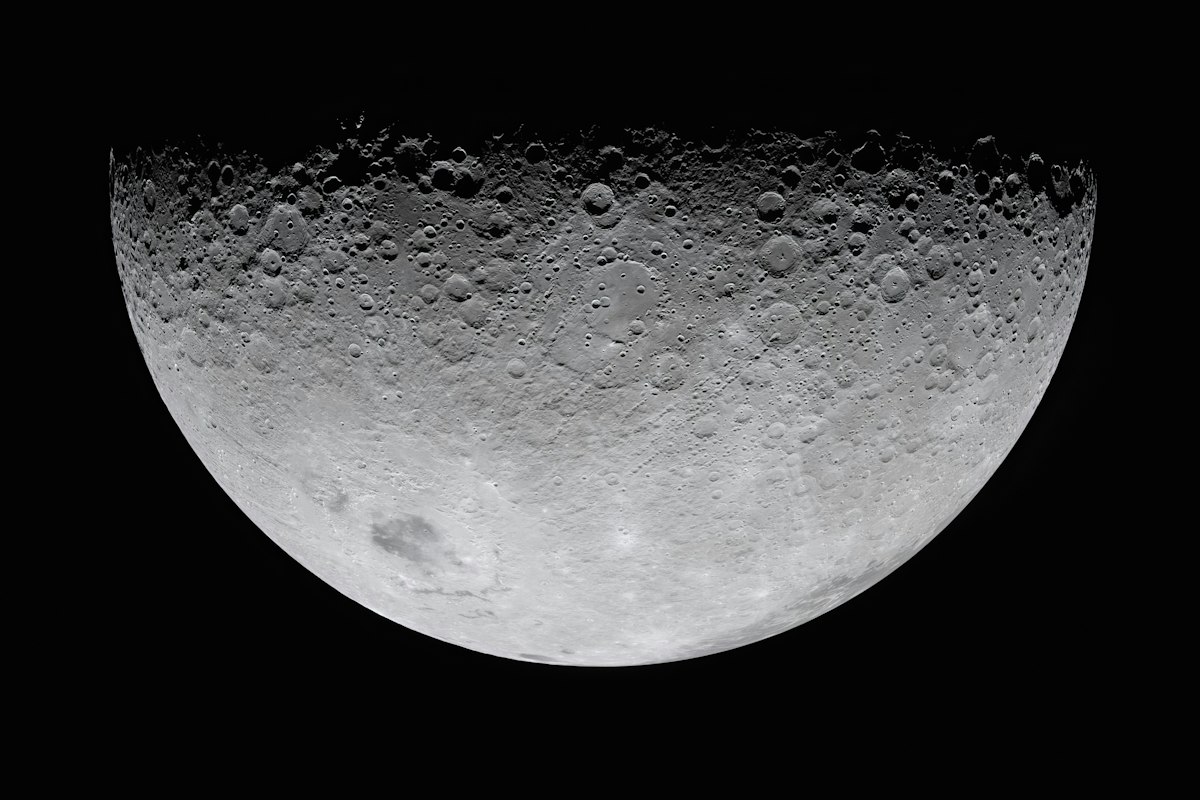
Moon colors are vibrant. Forget dusty gray or stark white. The four astronauts on NASA's Artemis II mission recently completed a close flyby of our celestial neighbor, and what they saw has scientists buzzing with excitement about the unexpected chromatic display. They're reporting a spectrum of hues, yellows, browns, greens, blues, and tans, painting the lunar surface in ways we've never seen from Earth, suggesting a far more complex geological history than previously understood. These vibrant Artemis II moon colors are challenging our understanding of lunar geology. It's stunning.
Beyond the Gray: A New Lunar Palette
The moon beckoned. For nearly seven hours, the Artemis II crew orbited our celestial neighbor, a journey that brought them within an astonishing 4,000 miles of its surface, a distance so close it permitted the capture of an unprecedented volume of scientific data, including stunning photos and videos that reveal a surprisingly colorful moon, far richer in visual texture than previously understood. This proximity proved invaluable. The preliminary science report, detailing everything the crew observed during their historic lunar circuit, specifically highlights certain regions that popped with unexpected shades, challenging our prior perceptions of lunar topography and coloration. The crew's observations of Artemis II moon colors are providing critical data for future lunar missions.
The Aristarchus Plateau's "Jaundiced Cheek"
Aristarchus Plateau stood out. Ancient volcanic activity shaped this vast region on the moon's near side, a striking visual that captivated the astronauts. Mission specialist Christina Koch described some sections as exhibiting "distinct yellow shades," a comparison she extended to envisioning a "yellow snow-capped mountain," even poetically labeling the area "a jaundiced cheek of the Moon." Sunlight played on crater surfaces, seemingly producing the bright, "snowy" appearance. Pilot Victor Glover added his observations, mentioning the surprising spectrum of colors present across the lunar landscape, noting, "There's also a green," and then elaborating on other hues he could discern, saying, "I see brown, especially Aristarchus and north toward the north pole… It kind of flows down from the north in brown streaks.
These striking colors aren't just for show. Scientists believe these hues could be linked to specific geological compositions. The report authors suggest these colors "could be associated with orange (titanium-rich) and green (magnesium-rich) glass beads respectively." This connects to volcanic glass beads previously collected during the Apollo 15 and 17 missions, offering new clues about lunar geology. These detailed observations of Artemis II moon colors enhance our understanding of the Moon's formation.
Chaos and Color in Orientale Basin
The Orientale Basin stunned the crew. This enormous impact crater, three times the width of Massachusetts, straddles the near and far sides of the moon, a spectacle rarely visible from Earth but dominating the Artemis II crew's view, showcasing the raw power of celestial collision. Commander Reid Wiseman spoke of the "chaos across that entire area.Flying over this massive bull's-eye, they observed a mix of gray, brown, tan, and green features, a striking indication of geological history. It's an unforgettable vista.
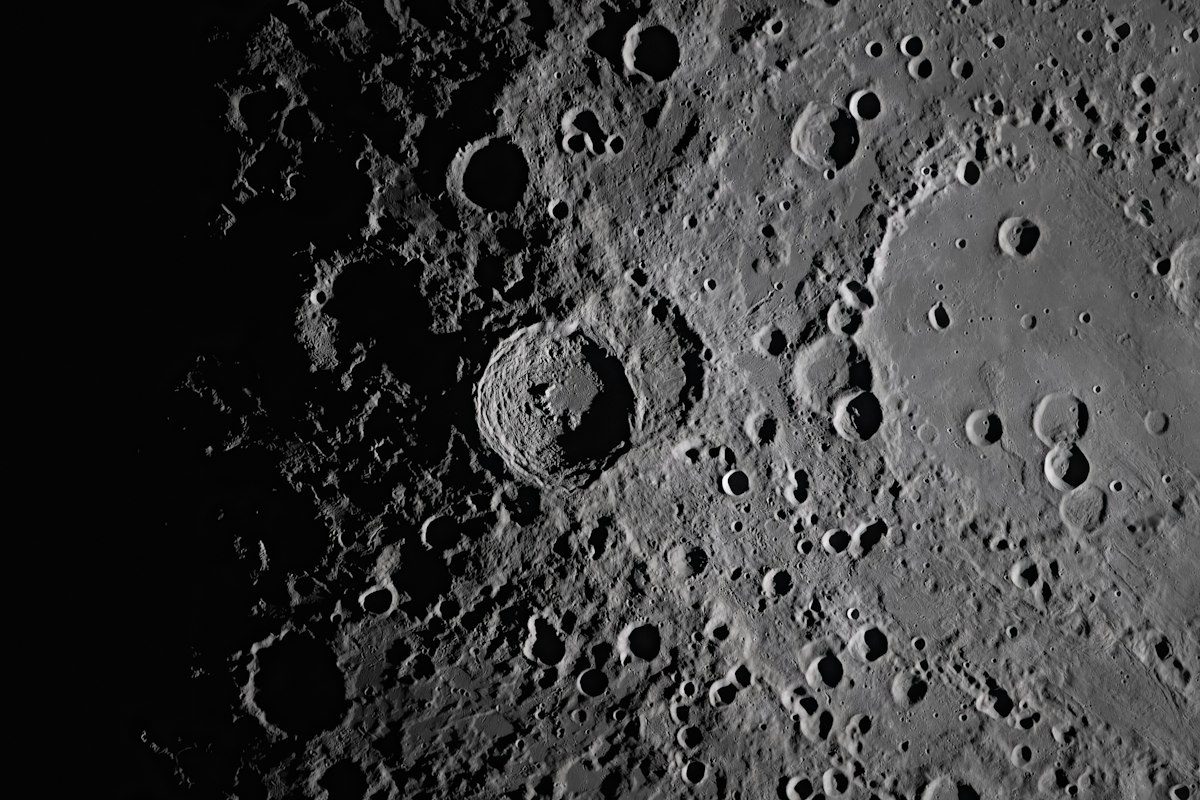
Swamp-like colors. Christina Koch described the largest, outermost ring of the basin as containing "almost swamp-like colors," a striking visual that immediately painted a picture of a peculiar, otherworldly environment. Victor Glover spotted what appeared to be "dusted peaks" and noted the presence of "white on the very edges of [the mountains], the spines, the ridgebacks," adding further detail to the rugged topography. Even chains of craters stretching from the impact site were described poetically, looking "like bubbles rising from a team of scuba divers below," a vivid comparison emphasizing their unique formation and appearance.
Astronaut Eyes Uncover Moon's True Colors
What makes these observations so valuable? The Artemis II crew wasn't just passively observing; they spent over two years training for this. Their preparation included studying lunar geology, visiting Earth-based craters, and undergoing simulated flybys. This rigorous training, combined with their innate human ability to interpret complex visual information, provided insights that automated cameras can't replicate.
The report authors emphasized this point: "The Artemis II mission demonstrated the exceptional value of human observation and cognition as scientific assets in planetary exploration." Unlike cameras, which capture isolated moments, humans continuously interpret their surroundings. They integrate real-time perception with contextual understanding. As Glover put it more simply to mission control: "It's quite a wicked view.This abundance of visual and observational data from the Artemis II moon colors will be vital for planning future landings and exploration efforts as agencies work towards a permanent human presence on the moon.
- The Artemis II crew orbited the moon at an altitude of 4,000 miles.
- Observations were compiled from 814 gigabytes of photo, video, and audio recordings.
- The Aristarchus Plateau displayed distinct yellow, green, and brown features.
- Orientale Basin showed gray, brown, tan, and green hues, with "swamp-like colors" noted in its outer rings.
- Astronauts were trained for over two years to enhance their geological observation skills.
FAQ: Artemis II Moon Colors
Q: What did Artemis II discover about the moon's colors?
A: The Artemis II mission revealed a surprisingly colorful moon, with hues of yellow, brown, green, blue, and tan, suggesting a more complex geological history than previously thought.
Q: Which lunar regions showed unexpected colors during Artemis II?
A: The Aristarchus Plateau displayed distinct yellow, green, and brown features, while the Orientale Basin showed gray, brown, tan, and green hues, with "swamp-like colors" in its outer rings.
Q: Why are human observations crucial for understanding Artemis II moon colors?
A: Human astronauts provide unique insights by continuously interpreting complex visual information and integrating real-time perception with contextual understanding, which automated cameras cannot replicate. Their training enhances their ability to identify and describe subtle geological features.
Human eyes saw more. This mission proved that human eyes on the scene can gather scientific data that goes far beyond what robotic instruments can achieve alone, revealing nuances previously invisible. The Artemis II moon colors are just the beginning. We've only scratched the surface of understanding the dynamic and colorful nature of our nearest cosmic neighbor.
Frequently Asked Questions
Will Artemis II astronauts see the Moon in different colors?
Astronauts on Artemis II will primarily see the Moon in shades of gray, white, and black, similar to what we observe from Earth. Subtle color variations might be discernible depending on lighting and surface composition.
What causes the subtle color variations on the Moon's surface?
These subtle variations are due to differences in mineral composition, such as iron and titanium content, and the effects of space weathering. Darker areas often indicate mare basalt, while lighter regions are typically anorthosite-rich highlands.
Can specialized cameras on Artemis II capture more lunar colors?
Yes, scientific instruments and specialized cameras can capture data across various wavelengths, revealing 'false color' images. These images highlight mineral differences not visible to the human eye, aiding geological analysis.
Will the Earth appear colorful from the Artemis II mission?
Absolutely, from the perspective of Artemis II, Earth will appear as a vibrant blue marble with swirling white clouds and distinct landmasses. It will offer a breathtaking and colorful contrast to the lunar landscape.
How do scientists use color data from lunar missions?
Scientists use color data, often enhanced with false colors, to identify different rock types, map mineral distributions, and understand the Moon's geological history. This information is vital for future exploration and resource identification.

Eva Koch writes about scientific research and the people behind it, covering the studies and breakthroughs shaping our understanding of the world. She values curiosity and careful evidence in equal measure.
💬 Comments (0)
No comments yet. Be the first!