Snake 'Cartwheels' Faster Than Slithering
Dwarf reed snakes can 'cartwheel' at speeds up to 12.1 feet per second, a new study reveals, offering a surprising escape tactic.
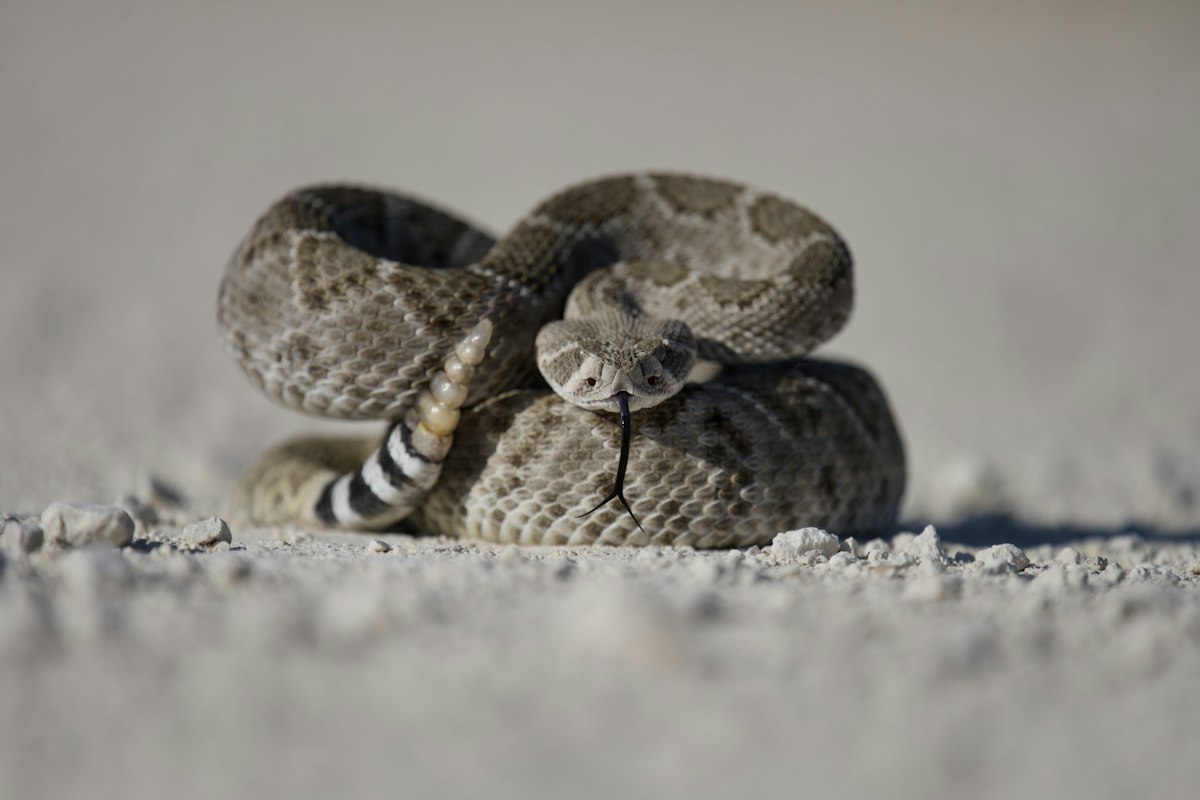
Snake cartwheels? You read that right. Forget the slither; these sneaky serpents have a way more astonishing escape tactic up their sleeve. When danger strikes, some small snakes in Southeast Asia don't just dart away; they literally roll themselves to safety, and they do it at speeds that would leave a slithering sidewinder in the dust.
Rolling Away From Trouble
This isn't some circus act. Researchers have been studying dwarf reed snakes (genus Pseudorabdion) and discovered they have a wild way of getting out of sticky situations. Instead of their usual undulations, these snakes arch their bodies, tuck in their heads, and perform a high-speed tumble. It’s a move that lets them cover ground incredibly fast.
The Speed Advantage
But how fast are we talking? The data shows these snakes can hit speeds of up to 12.1 feet per second. To put that in perspective, that's a big leap compared to their normal slithering. One expert involved in the research noted that their peak forward velocity during rolling was, on average, four times that of normal undulating locomotion. That's a massive difference when you're trying to avoid becoming lunch.
Speed is key. For these small, secretive snakes, their impressive speed isn't just for show; it functions as a vital survival tool, enabling them to evade predators such as birds and other snakes that inhabit their native Southeast Asian environments. They can vanish. Their ability to vanish in a blur of rolling motion probably gives them a big advantage against threats.
How Do They Pull Off This Snake Cartwheel?
The mechanics behind this rolling escape are fascinating. The snakes manage to keep their head relatively stable, even while the rest of their body is rotating rapidly. This is no easy feat, as you might imagine. Most animals would find it incredibly difficult to control their movements and senses while tumbling at high speeds.
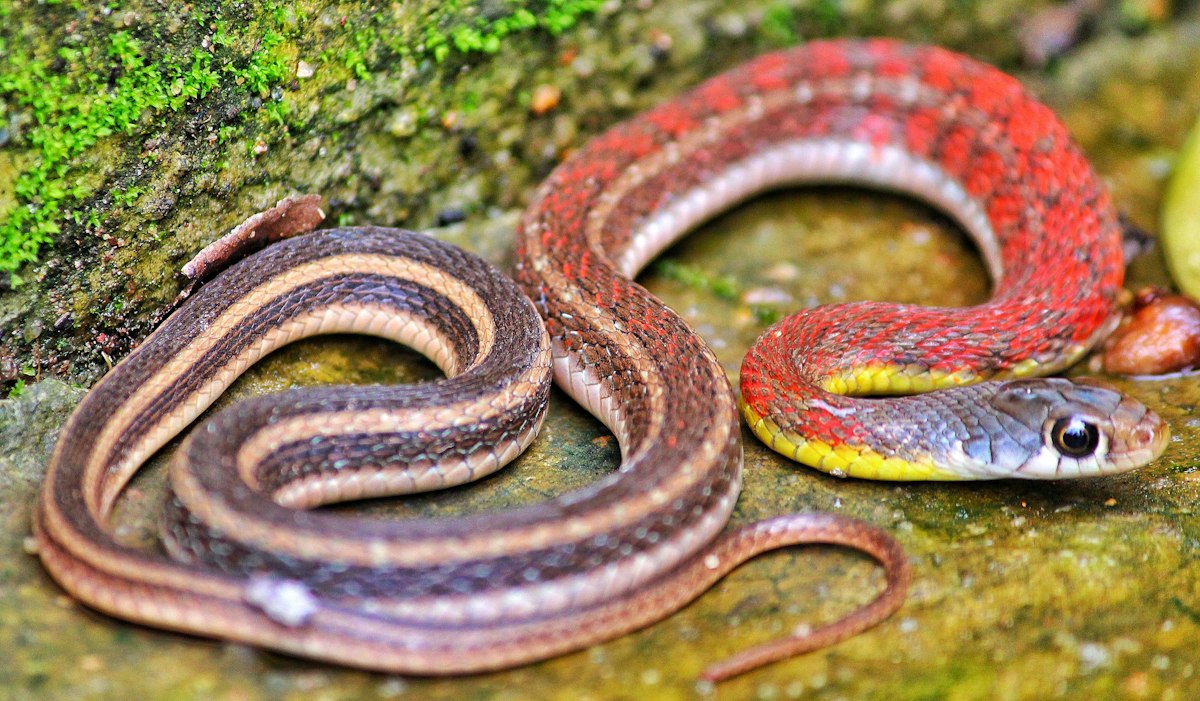
Stabilizing the Head
Rolling downhill? Your head spins. These snakes, however, have discovered a method to circumvent this biological challenge, maintaining a degree of directional command by keeping their heads relatively stable and frequently held a bit higher than their undulating bodies. They control their descent. This remarkable control enables them to maneuver expertly through even the most constricted environments.
Snakes rolled straight. Remarkable precision emerged, even on their cramped 8-inch racetrack. They'd frequently complete their curious tumble by expertly disappearing beneath nearby objects, a behavior that clearly demonstrates their ongoing awareness of environmental cues which they then utilize for effective evasive maneuvers. It's impressive.
- The rolling behavior was observed in three dwarf reed snake species.
- Peak rolling speeds reached up to 12.1 feet per second.
- Rolling velocity was observed to be approximately four times faster than normal slithering.
- Snakes maintained head stability and control during the tumble.
- They could navigate narrow pathways while rolling.
- The escape often concluded with diving under cover.
This behavioral innovation is key. It allows these snakes to overcome their physical limitations and perform a movement that seems almost impossible given their serpentine form. It’s a prime example of how evolution can lead to surprising new abilities that you wouldn't necessarily predict just by looking at an animal.
"Rolling allows them to escape from danger very quickly," one researcher stated.
Speed isn't everything. Researchers speculate this bizarre snake cartwheel might also confuse predators, a clever trick designed to throw off any would-be hunter. Imagine a bird of prey or a hunting snake expecting a standard slither, only to see their potential meal suddenly become a tumbling, disorienting blur, a tactic that could easily startle and confuse a pursuer. It's a startling sight. Some scientists even suggest the rolling motion might leave a patchy scent trail, making it significantly harder for scent-driven predators, like king cobras, to effectively track these unique reptiles.
Is This Rolling Unique?
The snake's rolling escape is striking. It's not entirely unprecedented. Some desert spiders roll from danger. Certain moth caterpillars tumble too. However, the control and speed dwarf reed snakes exhibit, a remarkable feat of adaptation to their harsh environment where quick evasion is often the difference between survival and predation, truly sets them apart from these other examples.
Survival pressure is intense. These snakes, which usually keep to themselves, have a highly adaptable and lightning-fast escape strategy. This highlights their unyielding drive to survive in their tough habitat, showing nature's cleverness. It's a profound reminder. Nature's adaptations are astonishing. We're only just beginning to grasp their complexity and significance in the grand scheme of life's constant challenges. So, next time you think about snakes, remember they don't always just slither away; some might literally cartwheel to freedom.
```
Eva Koch writes about scientific research and the people behind it, covering the studies and breakthroughs shaping our understanding of the world. She values curiosity and careful evidence in equal measure.
💬 Comments (0)
No comments yet. Be the first!