Reports Detail a Growing Fuel Theft Problem
Recent data highlights a rising fuel theft problem, though some skeptics question the metrics from security companies.
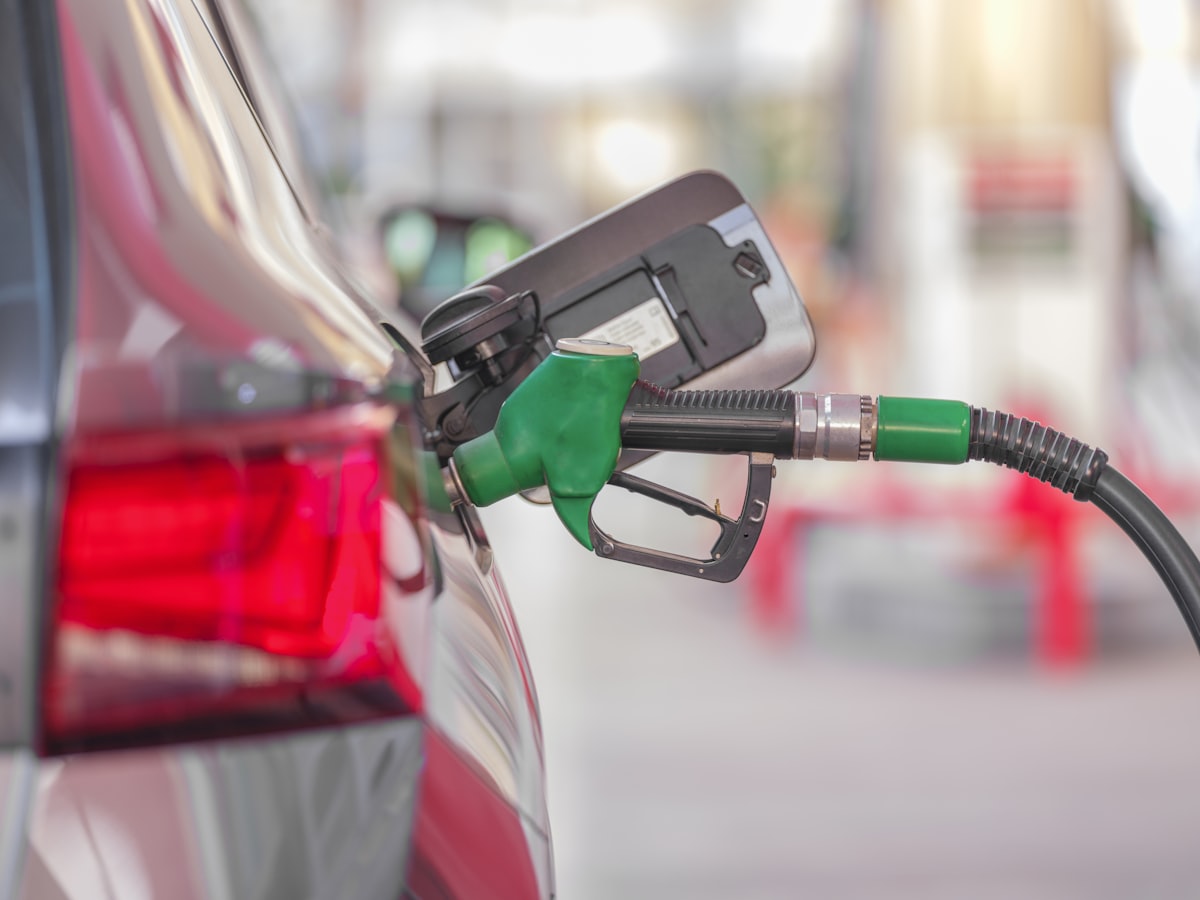
Fuel theft has intensified worldwide as energy markets buckle under severe pressure. Prices keep climbing. It's a grim reality that's now hitting retail stations and commercial operations across both the United States and the United Kingdom, where a wave of petroleum-based criminal activity has followed the steady rise in costs month after month. But the data tells a messier story. Actual criminal trends collide with the commercial interests of security firms marketing high-tech surveillance solutions, and sorting through that noise reveals a picture that's far from simple. The situation has exploded into a major political and economic talking point on both sides of the Atlantic. It's escalated fast.
The energy sector just went through chaos. Now, the sudden focus on this issue follows a period of extreme volatility, with markets swinging wildly as traders tried to make sense of the new reality. But the real catalyst arrived when the Strait of Hormuz closed due to large-scale joint airstrikes targeting Iran. That disruption sent shockwaves through global fuel distribution networks, driving up costs for everyday consumers and commercial fleets alike, and it's left everyone scrambling for answers. Politicians campaign on promises to restrict fuel stations from price gouging, yet fewer concrete policy solutions have emerged to address the rise in stolen fuel. So we're stuck.
Global Price Discrepancies Fuel Divergent Theft Trends
The economic pressure on drivers varies significantly by region. It's stark. But since the conflict intensified, different countries have experienced vastly different pricing trajectories at the pump, and these price spikes are direct drivers of the broader market strain we're witnessing now. So consider the regional pricing shifts.
- United States gasoline prices jumped by approximately 45 percent.
- Canada experienced an estimated price increase of around 22 percent.
- United Kingdom drivers saw retail fuel prices rise by roughly 25 percent.
North American drivers faced the steepest percentage increases. But the retail fuel theft problem has reportedly been much more severe in the United Kingdom, and that's a striking divergence that tells us a lot about how fragile consumer finances can be when sudden supply shocks collide with existing market structures. It's a matter of baseline taxes. Higher tax rates on European fuel, already baked into the pump price, mean those consumers hit their financial breaking points much faster, and they don't have the same cushion that North American drivers might take for granted. So the difference isn't random. It's structural.
First-Time Offenders Drive British Retail Theft
Historically, drive-off thefts were primarily the domain of repeat offenders. These were people with long criminal records, people who were mostly undeterred by the threat of small fines. Today, the demographics of fuel crime are shifting rapidly. That's a fact. A growing portion of retail fuel theft is now attributed to individuals with no prior criminal history, which suggests that middle-class financial strain is driving new behaviors, and we can't ignore that shift. But here's the punchline: it's no longer just career criminals. So the old playbook doesn't work anymore.
We've tracked 550 British fuel forecourts for five months, and the data reveals a troubling truth. First-time offenders are behind much of the rise in theft. These incidents split into two distinct categories. There's the direct drive-off, where a motorist pumps gas and speeds away without paying, and there's the no-means-of-payment scenario, where a driver fills their tank and then claims they can't afford to settle the bill. So what does this tell us? The numbers point to a shift in consumer behavior. But it's not the usual suspects driving this trend. It's ordinary people, perhaps squeezed by rising costs, making a split-second decision they never thought they'd make. The data is clear.
A Shift in the Theft Profile
First-time offenders accounted for a 23 percent rise in theft incidents. The amount of fuel stolen by these first-time offenders jumped 26 percent. This sharp upward trend contrasts with repeat offenders, who saw a 17 percent increase in incidents and a 20 percent increase in stolen volume over the same timeframe.
The Rise of Total Retail Incidents
The numbers are stark. Retail fuel theft incidents across the United Kingdom have climbed by an estimated 20 percent since the military strikes targeting Iran first began, according to industry tracking. That's a huge jump. Independent station owners feel the squeeze most acutely, since they're already operating on razor-thin margins where even a single lost tank can wipe out a week's profit. So they can't absorb the loss. And the pressure keeps mounting every single day.
The Commercial Interests Behind the Security Data
But there is a catch. Much of the data highlighting the fuel theft problem is generated by private loss-prevention and security firms. These companies actively market AI-assisted license plate identification cameras and automated debt recovery systems to retail stations. Because these businesses profit directly from heightened security fears, industry analysts suggest taking some of the more extreme statistical claims with a degree of skepticism.

Consider the numbers. Some security firms have published reports citing a 62 percent year-over-year increase in thefts, while older data from previous years suggested annual theft increases of 49 percent and 77 percent. That's a real trend, no doubt. These figures point to a long-term problem that likely began with price shocks from the Russo-Ukrainian War, but the way they're presented often works as a direct sales pitch for cloud-based debt collection platforms. Sure, there's a commercial slant. But independent researchers have long confirmed that fuel crime keeps climbing steadily, and it doesn't look like it's slowing down anytime soon.
North American Criminals Target Commercial Fleets
Fuel theft in the United States looks entirely different. American gas stations switched to mandatory pre-pay pumps, and that single shift largely wiped out the simple drive-off, the old-school trick of filling up and speeding away without a glance back. So thieves pivoted. They've traded the quick getaway for something far more complex, relying on sophisticated tech workarounds or, in other cases, outright physical destruction of the pumps themselves. It's a tougher game now.
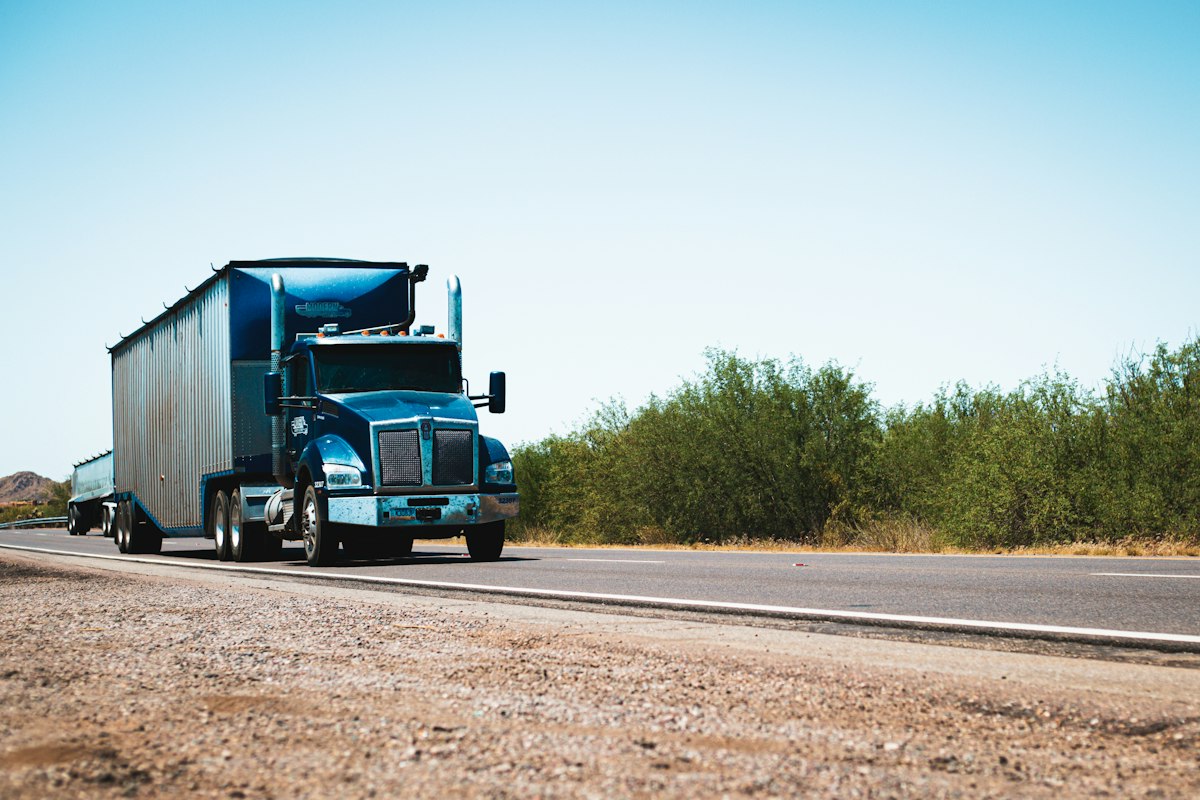
Drilling into a parked car's plastic fuel tank is brutally simple, and it's a method that yields only a few gallons of gasoline while posing a grave danger to the thief. It's a costly headache for private owners. But at the commercial level, the crime is far more organized, with syndicates bypassing retail pumps entirely to target trucking fleets where they can siphon massive quantities of diesel in a single hit. Police departments estimate fuel-related crimes in the United States have risen by ten to thirty percent over the past year. That's a sharp spike.
Corporate Windfalls and the Political Backlash
Small businesses and consumers feel the squeeze. They're grappling with rising costs and localized theft, and the pain is real, while the top tier of the global energy sector is enjoying unprecedented financial success. High crude prices, sustained by regional conflicts, have yielded massive quarterly earnings for the world's largest energy companies. But this stark contrast between corporate profits and consumer pain has triggered intense political debates regarding the ethics of energy pricing during international crises, and it's a debate that won't fade anytime soon. So the gap widens.
But it was hardly the only company that benefited.
Ultimately, the fuel theft problem is a direct symptom of broader economic and geopolitical instability. It's a clear signal. Whether driven by desperate commuters in the United Kingdom or organized commercial cartels in North America, the incentive to bypass the pump will remain high as long as global energy markets remain constrained by conflict, and that constraint shows no sign of easing soon. So we can't ignore the root cause.
Frequently Asked Questions
What specific percentage increase in retail fuel theft incidents has the United Kingdom experienced since the military strikes targeting Iran began?
Retail fuel theft incidents across the United Kingdom have climbed by an estimated 20 percent since the military strikes targeting Iran first began, according to industry tracking. This increase has been particularly impactful for independent station owners who operate on razor-thin margins.
How have first-time offenders contributed to the rise in fuel theft in the United Kingdom?
First-time offenders accounted for a 23 percent rise in theft incidents and a 26 percent increase in the amount of fuel stolen, according to data from tracking 550 British fuel forecourts over five months. This contrasts with repeat offenders, who saw a 17 percent increase in incidents and a 20 percent increase in stolen volume.
Why has retail fuel theft been more severe in the United Kingdom compared to North America despite North American drivers facing steeper percentage price increases?
Higher tax rates on European fuel, already baked into the pump price, mean consumers in the United Kingdom hit their financial breaking points much faster than North American drivers. This structural difference in baseline taxes leaves less cushion for British drivers, making them more susceptible to fuel theft behaviors.
What methods do North American criminals use to steal fuel, given that mandatory pre-pay pumps have largely eliminated simple drive-offs?
North American thieves have shifted to more complex methods, including sophisticated tech workarounds or outright physical destruction of pumps. At the commercial level, organized syndicates target trucking fleets to siphon massive quantities of diesel in a single hit, while individual criminals may drill into parked cars' plastic fuel tanks.
What reason do industry analysts give for skepticism regarding some of the extreme statistical claims about fuel theft?
Much of the data highlighting the fuel theft problem is generated by private loss-prevention and security firms that profit from heightened security fears. These companies market AI-assisted license plate identification cameras and automated debt recovery systems, so analysts suggest taking some claims with skepticism as they often work as direct sales pitches.

Clara Rossi covers the motoring world, with a focus on electric vehicles, design and the shift toward cleaner transport. She tests the latest models and explains what matters to drivers beyond the spec sheet.
💬 Comments (0)
No comments yet. Be the first!