I Tested the New ENGWE M20 3.0 Moto-Style E-Bike
Our hands-on test of the ENGWE M20 3.0 reveals a comfortable, dual-suspension e-bike with a 1,200 Wh battery and steep steering.
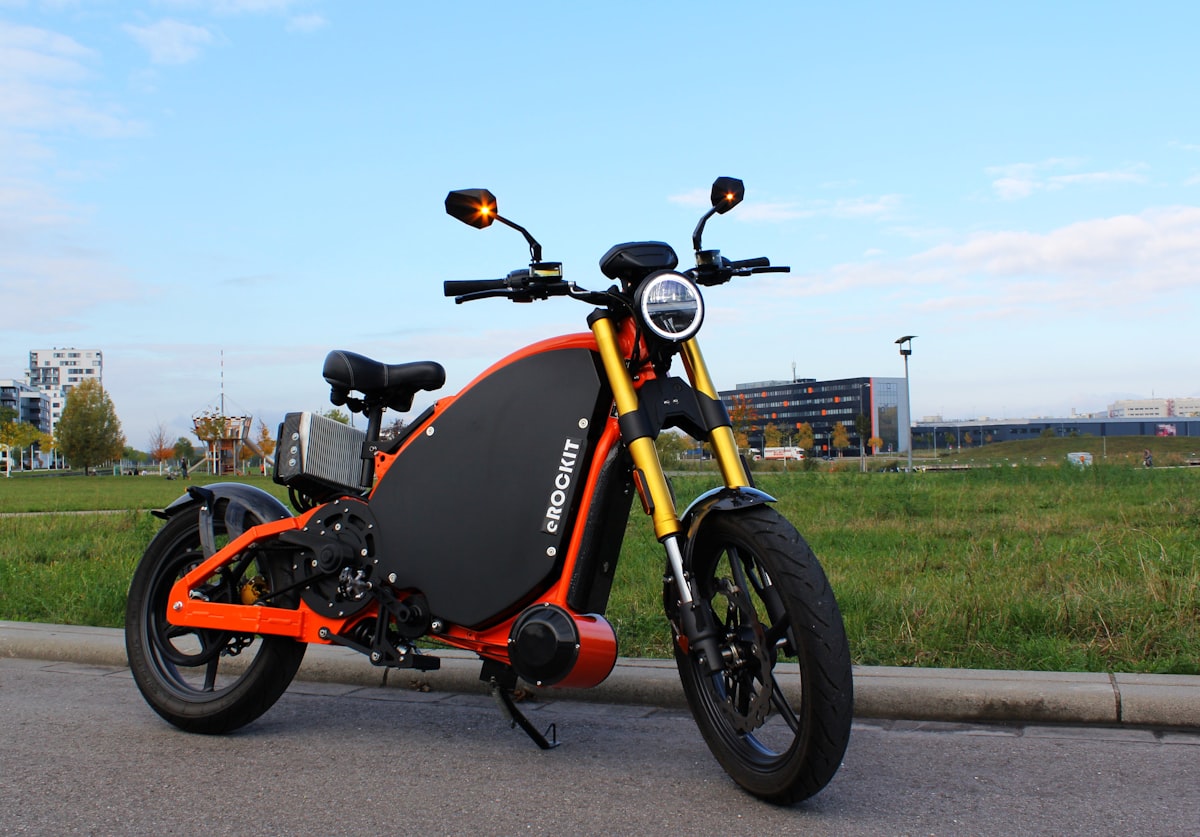
The ENGWE M20 3.0 represents a fascinating shift in the micro-mobility sector, blending the traditional utility of a bicycle with the raw aesthetic and performance of a moped. As urban landscapes become more congested, the demand for alternative transportation has surged. This has led manufacturers to push the boundaries of design and power. Testing this motorcycle-style electric bike on US roads reveals a vehicle that prioritizes style, comfort, and affordable utility, even as it pushes up against the edges of current regional transportation laws.
Operating in this space demands a delicate balance between performance and compliance. It's a tightrope walk. And the design of this machine clearly favors riders who want a zero-emission commuter that behaves more like a light motorcycle than a traditional pedal-assist bicycle, which is a bold claim but one the specs back up. With its long casual seat designed to accommodate one or two riders and standard rear pegs for passenger comfort, the vehicle repositions itself as a practical alternative to a second car or a public transit pass. That's a smart play. But don't mistake it for a toy.
Power Dynamics and the Regulatory Threshold
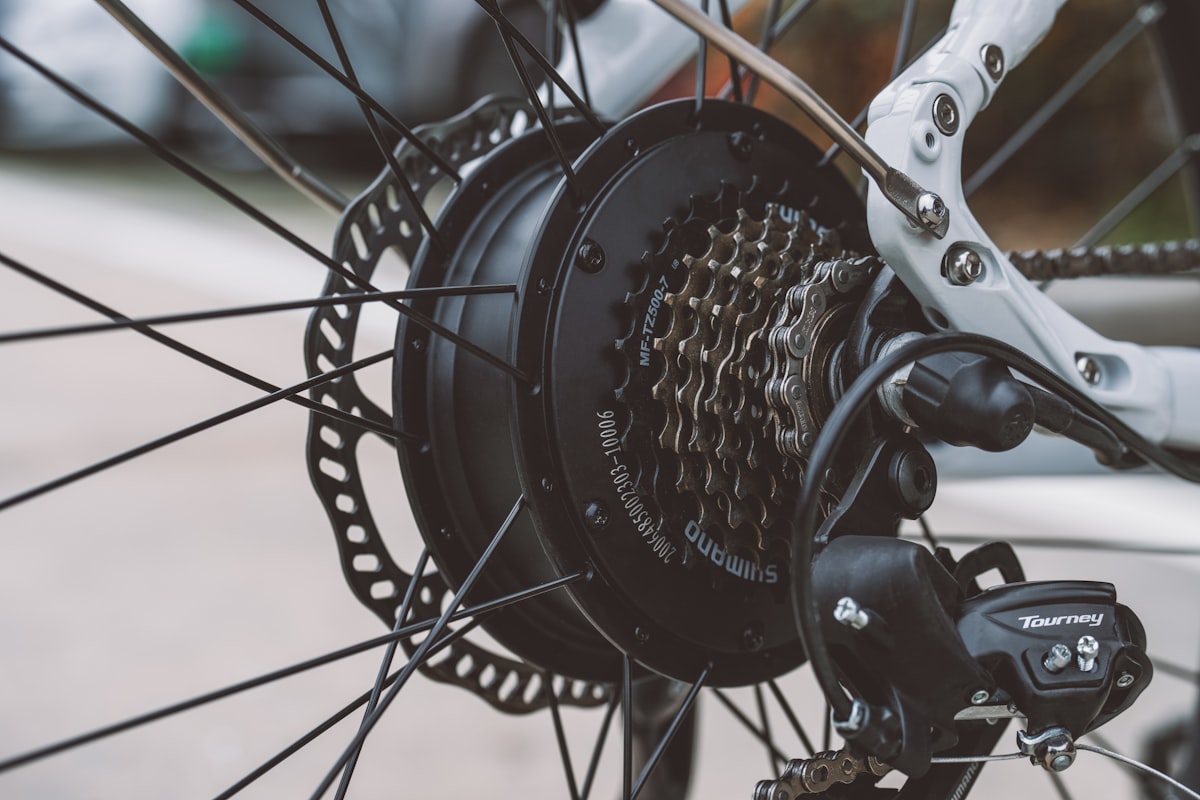
The ENGWE M20 3.0 sits at the center of this whole conversation, and the reason why is its propulsion system, plain and simple. The rear hub motor is software-limited to a 750-watt output so it can fit neatly into standard US e-bike classifications. But the physical hardware doesn't care about that limit. It's rated for 1,000 watts of continuous output, and when you really push it, that unit can spike to a peak of 3,300 watts, which is a staggering jump that most riders won't ever fully explore. That makes the machine incredibly capable. It also drops it into a complicated legal spot, and that's where things get thorny for owners. So don't expect a simple answer here.
Local governments are reacting. And they're cracking down hard on vehicles that exceed the 750-watt threshold across American cities and states. Go over that limit, and you're barred from dedicated bike paths and standard bicycle lanes in most jurisdictions, a rule that hits commuters and delivery riders alike with surprising uniformity. But some regions carve out alternatives. They offer pathways through Department of Transportation classifications for mopeds or motorized vehicles with pedals, categories that often carry lower registration fees and less stringent licensing requirements, sometimes even allowing younger operators to ride. Buyers must verify local regulations before purchasing. It's a patchwork, and it can't be ignored.
Battery Integration and Realistic Range Expectations
The primary battery packs a hefty 1,200 watt-hours. But for those who crave the open road without range anxiety, there's an optional second 1,200 watt-hour unit that doubles your total onboard energy, letting you push far beyond the ordinary commute. Eighty miles per charge,that's the single-battery rating. It's a solid number, but doubling up changes the game entirely. So plan your adventure accordingly; the choice is yours.
That range sits below what you'd typically expect from a standard bicycle with a 1,200 watt-hour pack. But the estimate is realistic. The machine's physical layout doesn't invite active pedaling, so most users will lean almost entirely on the throttle, and that heavy reliance on electric propulsion naturally drives up energy consumption per mile, making the figure both honest and unsurprising. It's a tradeoff.
Real-World Road Testing and Assembly
The ENGWE M20 3.0 is a heavy machine. This weight is a direct result of its moto-style frame and dual-suspension components. Because of this mass, receiving the vehicle requires some preparation. It arrives partially assembled, requiring the owner to mount the front wheel and complete the setup, a process that takes about 30 minutes of focused effort.
The ride feels smooth once those oversized tires are fully inflated. It's genuinely comfortable. The low-slung seat invites relaxed cruising, and the open frame carves out a protected central space that proves highly functional for mounting water bottles, carrying tools, or stashing a spare helmet. Night riding isn't a problem. Dual front headlights throw ample illumination across the path ahead. And when the weather turns wet, dual fenders step in to keep road spray off the rider, so you don't arrive soaked. That's a solid setup.
The steering geometry on the ENGWE M20 3.0 is very steep, which, when taking a tight left or right turn, has a tendency to pull the tire in that direction.
Most traditional bicycle riders, and even motorcycle riders, won't expect this steering characteristic. It demands active attention during tight maneuvers. But the overall ride quality remains highly secure, and the frame feels tight and stable across the entire speed range from zero up to twenty miles per hour, which is a reassuring constant that doesn't waver. That's a solid foundation.
Chassis Dynamics and Braking Performance
Heavy electric bikes require substantial stopping power. This is especially true for heavier riders. At 205 pounds, stopping distance and brake fade are major concerns for me during testing, but the stopping hardware on this model is highly capable.
- Front and rear hydraulic disc brakes ensure rapid deceleration.
- The 203 mm rotors are a major step up from the standard 160 mm ones found on most e-bikes.
- Motorcycle-style brake levers deliver confident, tactile feedback at the handlebars.
- Oversized tires add a layer of natural cushion against road imperfections.
- Adjustable front and rear suspension can be tuned softer or harder for individual rider preferences.
Keep those large-volume tires inflated to their maximum limit of 20 psi. That's how you prevent flats. And the screen? It's a clear, high-contrast color display that shows speed and system data in large, legible numbers, so you can read everything at a glance while you're traveling fast, without squinting or second-guessing what you see. Don't let the pressure drop.
The Verdict on Value and Market Position
The market is crowded. Many alternative options exist with similar styling, performance metrics, and pricing. Because pricing in this segment is highly fluid, smart buyers should monitor the market closely and consider waiting for major holiday sales to secure the best possible value.
Ultimately, this model succeeds in delivering a highly functional, attractive, and comfortable platform for riders seeking a low-cost commuter. Its braking setup is solid. The dual suspension keeps things comfortable, and it can carry two people, which makes it a strong option, so long as buyers are aware of the unusual steering geometry and verify local regulations on high-powered hub motors. But don't overlook the quirks. They're real.
Frequently Asked Questions
What is the ENGWE M20 3.0's motor power output, and how does it fit into US e-bike classifications?
The motor is software-limited to 750 watts for US e-bike classification, but its hardware is rated for 1,000 watts continuous and can spike to 3,300 watts. This puts it in a complicated legal spot, as exceeding 750 watts bars it from bike paths and lanes in most jurisdictions.
Why is the ENGWE M20 3.0's battery range estimate considered realistic?
The range is rated at 80 miles per charge with the primary battery. It is realistic because the bike's physical layout discourages active pedaling, so most riders rely heavily on the throttle, increasing energy consumption per mile.
How long does it take to assemble the ENGWE M20 3.0, and what does assembly involve?
The bike arrives partially assembled, requiring the owner to mount the front wheel and complete setup, which takes about 30 minutes of focused effort. This is due to its heavy moto-style frame and dual-suspension components.
What steering characteristic of the ENGWE M20 3.0 might surprise riders, and how does it affect handling?
The steering geometry is very steep, which tends to pull the tire in the direction of a tight turn, an unexpected trait for bicycle or motorcycle riders. This demands active attention during tight maneuvers, though the overall ride quality remains secure and stable up to 20 mph.
Who should consider the ENGWE M20 3.0 as a transportation option, according to the article?
It is positioned as a practical alternative to a second car or public transit pass, offering a comfortable, zero-emission commuter that can carry two people. However, potential buyers must verify local regulations and be aware of the unusual steering geometry.

Clara Rossi covers the motoring world, with a focus on electric vehicles, design and the shift toward cleaner transport. She tests the latest models and explains what matters to drivers beyond the spec sheet.
💬 Comments (0)
No comments yet. Be the first!