Deepway Star Electric Semi Hits Australian Roads
VCF Transport Services has put the Deepway Star electric semi to work in Australia, hauling loads up to 25 tons on local routes.
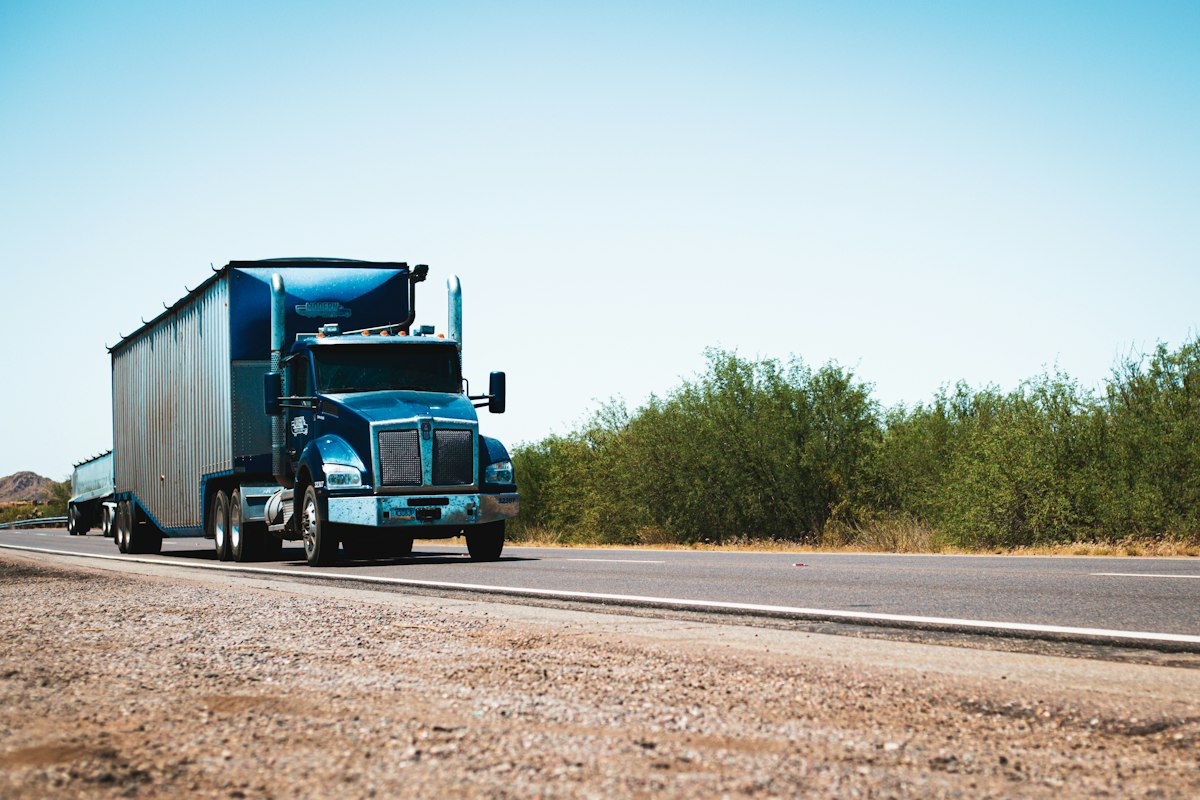
Deepway Star electric heavy trucks are officially working on Australian roads as local operators begin putting the Chinese-built commercial vehicles through daily freight duties to handle bulk haulage tasks. Built from the ground up, the semi trailer is a dedicated battery-electric platform entering the local transport sector. It's a new competitor. And it arrives at a time when domestic logistics fleets are seeking practical zero-emission hardware.
VCF Transport Services has integrated the vehicle into its active operational fleet. It's working now. By running real delivery routes with heavy payloads, the family-owned Victorian haulage business is testing the electric heavy vehicle in daily commercial operations instead of using controlled trial conditions. They're ready.
Real-World Fleet Operational Performance
Managing Director Mark Blackburn confirmed the truck is actively moving heavy loads across Victoria. It’s working hard. Recent assignments include hauling 25-ton loads of cement collected from West Footscray for distribution to company depots located in Dandenong South and Wonthaggi, proving that they’re capable of handling demanding daily logistical tasks. And on another operational run, the rig transported roughly 20 tons of Etch drinks non-alcoholic sparkling beverages over a 152 kilometer route, starting the trip with a 70 percent battery charge and completing it with 30 percent remaining. Battery life holds up.
It's a heavy rig. And it hauls a 20-ton payload. Data gathered directly from the dashboard instrument cluster shows energy consumption holding between 121 and 160 kWh per 10 kilometers driven, which demonstrates consistent efficiency during real-world tasks. The vehicle typically operates on daily regional routes covering between 150 and 250 kilometers.
Mark Blackburn posted on Facebook that their Deepway semi was collecting the day's 25t load of cement from West Footscray for distribution at their Dandenong South and Wonthaggi depots. It's happening. And we've got no grants, no trials, just common sense.
Driver feedback within the company has leaned heavily toward the electric platform. Blackburn noted that standard vehicle operators prefer driving the electric cab over traditional internal combustion engine trucks, with one driver expressing a strong dislike for returning to diesel models.
Vehicle Specifications and Engineering Specs
The Deepway Star was co-designed alongside Italian styling house Pininfarina, featuring a distinct torpedo-style front nose. This aerodynamic shape delivers a drag coefficient of just 0.35 Cd. Underlying the cab structure is an advanced smart driving architecture that integrates technology from Baidu's autonomous driving roadmap.
CATL supplies the battery.
- Battery Specs: 600 kWh LFP battery manufactured by CATL
- Operating Range: 300 to 500 km depending on load and driving conditions
- Manufacturer Range Rating: 350 to 400 km standard operational promise
- Payload Capability: Approved for total loads up to 49 tons
- Purchase Price: AU$350,000 retail price tag
- Aerodynamics: 0.35 Cd low drag coefficient torpedo nose structure
Charging takes hours. Because local charging infrastructure is still developing, the truck is currently driven offsite for recharging sessions during off-duty hours, which means it’s not ready for quick use. It’s slow.
Commercial Positioning and Market Pricing
Cost remains a significant barrier. It's a problem for smaller transport operators looking to decarbonize their fleets, as competing electric heavy commercial vehicles in the local sector frequently start around $700,000 and can reach up to $1.1 million. But the Deepway Star enters the Australian transport market priced at AU$350,000. That's a considerably lower acquisition cost for this platform.
Blackburn spotted a vehicle parked near the Dandenong depot. He investigated its origin. So VCF Transport Services purchased its initial vehicle, and they've since expanded its involvement by becoming an official distributor for the brand in Australia to assist other transport operators with adopting the vehicle.
Expanding Fleet Distribution Plans
Commercial interest has grown rapidly. And that's following public appearances across the road transport sector, where the brand captured between 10 to 15 qualified commercial leads during the recent Megatrans trade show. Meanwhile, fleet operators are paying close attention to operational running costs, particularly as diesel fuel expenses remain high.
Blackburn plans to transition his entire haulage operation to electric models, with a second unit currently being shipped to Australia, intending to pass fuel savings directly to clients once operational figures are fully audited. They're considering a third unit. And it's through reduced transport rates.
Overcoming Infrastructure and Funding Barriers
Access to public funding for commercial vehicle transition remains mixed for local operators. An application for a Victorian state government decarbonisation grant was unsuccessful. However, the company is actively approaching ARENA to secure support for dedicated depot charging infrastructure, allowing vehicles to charge during loading processes or overnight when wheels are stationary.
Deepway launched in 2020. It's a Chinese technology firm specializing in heavy-duty new-energy vehicles and intelligent road freight solutions, and it's quickly carving out a place for itself. Global orders for the Deepway Star have now passed 5,000 units. And they're joining brands like Volvo, Centurion, Janus, Windrose, and New Energy Transport as they deliver lower-emission commercial vehicles to the Australian logistics market to meet rising demand.
Frequently Asked Questions
What is the retail price of the Deepway Star in Australia?
The Deepway Star electric heavy truck enters the Australian transport market with a retail price of AU$350,000. This is significantly lower than competing electric heavy commercial vehicles in the local sector, which often start at $700,000 and can reach up to $1.1 million.
Who is currently testing the Deepway Star in daily commercial operations?
VCF Transport Services, a family-owned Victorian haulage business, has integrated the Deepway Star into its active operational fleet. Instead of using controlled trial conditions, the company is testing the vehicle by running real delivery routes with heavy payloads.
How does the design of the Deepway Star contribute to its efficiency?
The Deepway Star was co-designed with Italian styling house Pininfarina and features a distinct torpedo-style front nose. This aerodynamic shape delivers a drag coefficient of just 0.35 Cd, which helps the vehicle maintain consistent efficiency during real-world tasks.
Why is the current charging process for the Deepway Star described as slow?
Because local charging infrastructure is still in the development phase, the truck is currently driven offsite for recharging during off-duty hours. This requirement means the vehicle is not ready for quick, continuous use and the charging process takes several hours.
What is the reported battery capacity and operating range of the Deepway Star?
The vehicle is equipped with a 600 kWh LFP battery manufactured by CATL. Depending on the load and driving conditions, this battery provides an operating range of 300 to 500 km, with a manufacturer-stated operational promise of 350 to 400 km.

Sebastian Wolf reports on the car industry, from performance machines to the engineering that powers them. He is fascinated by how manufacturers balance tradition with the rapid move to electrification.
💬 Comments (0)
No comments yet. Be the first!