XPENG G9L Sets a New Benchmark in Europe
Unveiled at the Paris Motor Show, the XPENG G9L brings three-row luxury, 5C charging, and advanced tech to Europe for €74,990.
It's a major shift. Unveiled at the Paris Motor Show, the positioning of the XPENG G9L introduces the Chinese automaker's latest flagship technology to local buyers, sitting right at the top of the brand's European lineup. It's manufactured in Graz, Austria. So, while Chinese buyers receive a two-row iteration positioned under the larger GX, the European version is specifically built and adapted for local drivers with a three-row layout balancing size and interior space.
Fitting a large flagship into tight European streets requires difficult compromises. The massive GX was deemed too big for the market right now, so they decided to bring the three-row configuration to the local market instead. It's too big. Transitioning from the two-row Chinese model to the European layout meant they had to swap out some cabin features to make room for that extra seating.
Interior Layout and Daily Usability
The interior architecture balances passenger space with premium features. It's tight. But adding extra seating behind the driver meant adjusting the layout throughout the vehicle, which changed the specific features that appear in each row for every passenger. They're changed.
In the two-row variant sold in China, both front and rear passengers enjoy a zero-gravity mode, paired with a powered rear armrest, a deployable tray table, and expansive limo-style legroom. It’s luxurious. The European model concentrates its zero-gravity seating strictly in the front passenger area. But the second row maintains high standards of comfort, as passengers get heated, ventilated, reclining seats equipped with massage functions and extending leg rests that they’re sure to appreciate during a long drive. It’s comfortable.
Usability shines here. The third row accommodates full-sized adults without forcing uncomfortable seating positions, and it's impressive that these rearmost seats also retain luxury touches, including heating, ventilation, and power adjustment. During a first look at the Paris Motor Show, the cabin easily demonstrated its spatial capacity by housing six professional rugby players in comfort. They're roomy.
Performance and Rapid Charging Standards
Straight-line speed is plenty fast. The large vehicle accelerates from 0-100 km/h in under 4.9 seconds. Drive metrics at this tier reach a point where extra power brings diminishing returns, as software and comfort take over everyday driving priorities.
Battery and charging performance match the structural ambitions of the vehicle:
- WLTP range capacity reaching up to 593 km.
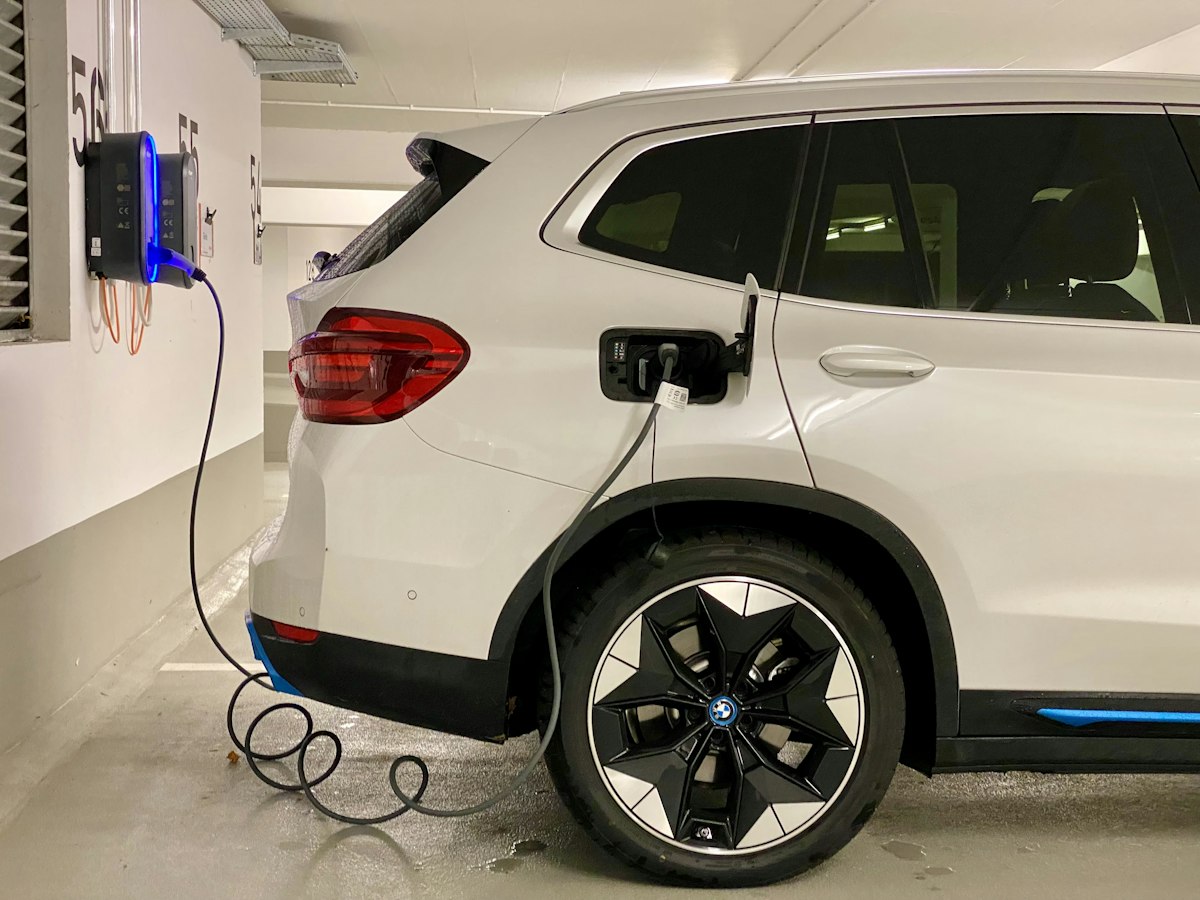
- Rapid charging capabilities rated at 5C, enabling top-ups in roughly 10 minutes.
- Powered by ternary battery chemistry, which integrates cleanly with established European supply chains.
- Comes equipped with adaptive dampers, dual chamber air suspension, and four-wheel steering.
Infrastructure development is built directly into the brand's long-term strategy, as they're establishing thousands of megawatt-level charging stations across Europe, supported by recycled vehicle battery units.
Cabin Experience and Driver Tech
Inside the cabin, technology directly changes how passengers interact with the vehicle. The front seats feature an AI-enabled system with 176 sensors and 56 air cells. They're reading positions constantly. So these components adjust driver and passenger support during heavy G-loads or subtle shifts in seating posture, while massage functions feature 16 points of movement up front and 10 points in the second row.
Entertainment and HVAC systems create an immersive environment. A 23-speaker audio setup pairs with a 21.4-inch rear screen, a 12.5-liter power-opening refrigerator, multi-tiered ambient lighting, and powered sunshades. Up front, the driver accesses an 88-inch projected AR HUD and a 17.3-inch central display. Physical controls on the steering wheel remain fully configurable, though natural voice commands handle many vehicle controls.
"Usable does not mean utilitarian. It can offer utility but does not have to focus on that aspect."
Software controls extend outside the cabin too. Voice recognition links directly to individual users, allowing owners to command the power doors to open simply by speaking to the car from the outside.
Build Quality and Material Choices
Material choices reflect traditional European luxury aesthetics. Soft-touch materials line the doors down to the lower pockets, and they're accented by precise stitching throughout the entire cabin for a refined feel. Terracotta and saddle-colored leather options provide a classic appearance against dark green exterior paint choices. And multi-tiered ambient lighting even shines through tiny perforations in the door leather, echoing bespoke design elements that we've come to expect from high-end luxury vehicles. It's truly elegant.
How Competitors Match Up
European prices highlight its place. But while the European model costs considerably more than its Chinese sibling at a starting price of 74,990 euros, it's still undercutting several key rivals in its segment across the current landscape.
At the same Paris show floor, BYD displayed the Atto 8, which offers a similar size and price tag alongside an LFP-based Blade Battery and 653 km of range. The package felt tighter inside. It's limited on underfloor storage and lacks advanced intelligent driving hardware on the European model. But the Kia EV9 in its Earth trim costs over 80,000 euros for 569 km of range, offering lower output from its 150 kW single-motor setup compared to the 270 kW rear-wheel drive XPENG G9L. Meanwhile, options like the Lucid Gravity and Tesla Model Y present vastly different approaches to cabin materials, software integration, and structural space.
Market Outlook and Industry Impact
It's a big SUV. The XPENG G9L now claims a heavy presence in the sub-100,000 euro three-row sector, and by utilizing local assembly in Graz, Austria, they're effectively lowering risks around trade logistics and supply demands while simultaneously securing stable access to ternary battery production chains within the entire European region.
Driving changes now. As autonomous hardware creeps toward Level 4 capabilities, interior comfort replaces raw track specs, and high-end features like dual-chamber air suspension, four-wheel steering, and dynamic AI-defined seat profiles showcase how it's a clear shift toward software-driven luxury. Competition grows. So, established brands will face stiffer pressure as technology-focused vehicles refine the balance between daily usability, charging speed, and build quality.
Frequently Asked Questions
Where is the XPENG G9L manufactured for the European market?
The XPENG G9L is manufactured in Graz, Austria. By utilizing this local assembly, the brand lowers risks associated with trade logistics and supply demands while securing access to battery production chains.
How does the interior configuration of the European XPENG G9L differ from the Chinese version?
The European version is specifically built with a three-row layout to balance size and interior space for local drivers, whereas the Chinese iteration features two rows. Transitioning to this three-row layout required swapping out some cabin features that are available in the Chinese model, such as the rear zero-gravity mode.
What are the performance and charging capabilities of the XPENG G9L?
The vehicle can accelerate from 0-100 km/h in under 4.9 seconds and offers a WLTP range capacity of up to 593 km. Its rapid charging capabilities are rated at 5C, which enables the battery to be topped up in roughly 10 minutes.
Why did the manufacturer decide to bring a three-row configuration to the European market instead of the larger GX model?
The larger GX model was deemed too big for the European market, making it difficult to fit into tight streets. Consequently, the company decided to adapt the G9L into a three-row configuration to provide a flagship option that better suits the local environment.
What advanced technology is integrated into the seats of the XPENG G9L?
The front seats feature an AI-enabled system with 176 sensors and 56 air cells that constantly read and adjust support for passengers. Additionally, the massage functions utilize 16 points of movement in the front seats and 10 points in the second row.

Clara Rossi covers the motoring world, with a focus on electric vehicles, design and the shift toward cleaner transport. She tests the latest models and explains what matters to drivers beyond the spec sheet.
💬 Comments (0)
No comments yet. Be the first!