iSeeCars Study: Used Car Prices Rise 38 Percent
This new iSeeCars Study shows that used car prices are up 38.2% since 2019, making affordable options scarce.
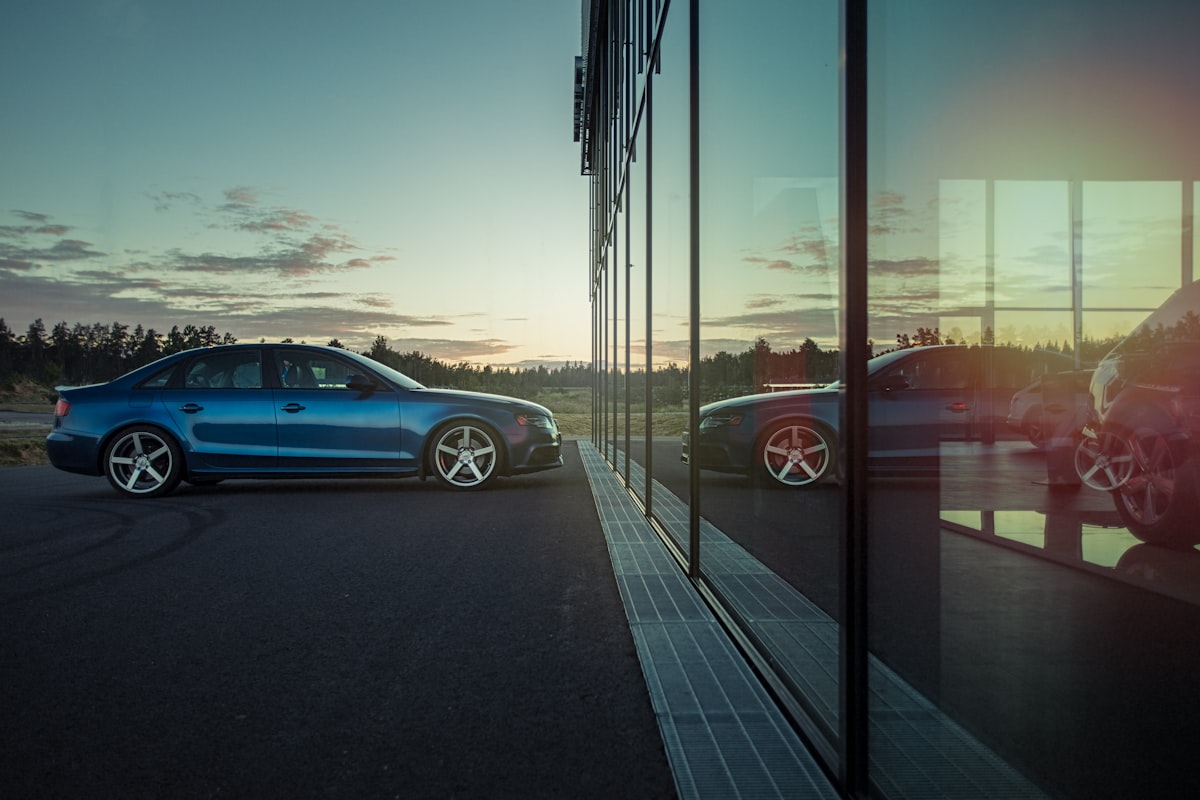
The iSeeCars Study highlights a stark reality for modern car shoppers: used car prices have skyrocketed by 38.2 percent since 2019. That’s a brutal jump. This dramatic surge means the average three-year-old secondhand vehicle now commands $32,651, representing a direct $9,027 increase over the pre-pandemic average of $23,624, and it’s a number that stings for anyone who remembers the old market. For the typical consumer, the days of securing a modern, reliable vehicle on a modest budget have vanished. Gone, essentially. The portion of three-year-old vehicles priced under $20,000 has collapsed from nearly half of the market to a meager one in nine, leaving buyers with fewer choices and heavier financial burdens, so they’re forced to stretch budgets or settle for older, riskier models. But that’s the new normal.
This massive shift in affordability forces buyers into a difficult compromise. Stretch the budget further, or settle for a car several years older than anything they'd have considered before? It's brutal. And the escalation isn't confined to newer secondhand options; pricing pressure has rippled across the entire pre-owned market, so even modest expectations now collide with harsh reality. Finding a dependable car demands digging deeper into the past. That means older tech and higher wear. You can't escape it.
The vanishing budget car market
Before the market shifted, finding a solid, low-mileage car for under $20,000 was a straightforward task. Vehicles with slightly more mileage were readily available for under $10,000, providing accessible mobility for first-time buyers and those on tight budgets. Today, only 26.6 percent of five-year-old vehicles are priced below the $20,000 threshold. In fact, buyers must look at vehicles that are at least seven years old before a clear majority of the available options fall under that price point.
This displacement creates a cascading financial effect for the consumer. It's a trap. Buying an older vehicle might save money upfront, but it carries long-term financial risks that often go unnoticed until the bills start piling up. Older cars naturally require more frequent upkeep, and the cost of parts and labor has steadily climbed. So the initial savings can evaporate fast. Consequently, the initial savings of purchasing a cheaper, older vehicle can easily be wiped out by post-purchase maintenance and repair bills, leaving you with a hole in your wallet you can't ignore.
“Compared to 2019, used car shoppers now have to consider models that are three or four years older than they would have if they want to find the same pricing from seven years ago. In general, buying an older used car means a lower up-front cost, but higher post-purchase maintenance and repair costs.” Karl Brauer, Executive Analyst
The overall price escalation of the pre-owned market actually outpaces the rate of inflation seen on brand-new vehicles. While new vehicle buyers are spending roughly $16,000 more than they did in 2019, the average transaction price for new cars has risen by 33 percent, hovering near $50,000. In comparison, the 38.2 percent climb in the pre-owned space shows that the most affordable segment of the automotive market has suffered the heaviest blow.
Luxury models and cheap compacts lead the surge
Luxury cars used to bleed value fast. Historically, these vehicles were known for steep depreciation curves, which made them attractive targets for secondhand buyers hunting for a bargain. But the iSeeCars Study reveals this trend has been flipped on its head. Several high-end models are now seeing massive valuation spikes, and extravagant vehicles have watched their used prices climb dramatically over the last few years, defying every traditional pattern of depreciation we've come to expect. It's a whole new game.
Some of the sharpest price increases since 2019 occurred in these premium segments:
- Porsche Cayenne: Average three-year-old used valuation climbed by 75.7 percent.
- Porsche 911: Experienced price increases exceeding 60 percent.
- Mercedes-Benz G-Class: Outpaced national averages with over 60 percent growth.
- Mercedes-Benz E-Class: Saw valuations rise by more than 60 percent.
- Acura TLX: Registered massive gains well above the market average.
- BMW M3: Experienced a valuation surge exceeding 60 percent.
But the luxury segment wasn't alone in this upward march. Two low-cost models, the Hyundai Elantra and the Nissan Versa, also ranked among the top ten largest price increases, directly squeezing buyers with limited spending power. That's brutal. The average price of a three-year-old Elantra reached $19,178, which is a $6,883 increase. Meanwhile, the Nissan Versa rose to $15,718, marking a $5,572 increase. So a late-model Versa, once a staple for budget-conscious drivers, now costs 54.9 percent more than its 2019 counterpart, and that's a gut punch for anyone who thought they'd found an affordable ride.
The exceptions to the rule
Not every vehicle followed this aggressive upward trajectory. But a few models saw their valuations decline, or at least they stayed well below the national market average, and honestly, the differences were often small compared to 2019 pricing. The Tesla Model X and the Land Rover Discovery Sport saw their valuations drop. So other vehicles experienced only modest single-digit growth over the seven-year span, which means they didn't really keep pace with the broader market, and that's a telling detail for anyone tracking these trends. It's a mixed picture.
According to the data, several models kept their price increases under 10 percent:
- Mazda CX-9
- Tesla Model S
- Range Rover Evoque
- Volvo XC90
- Nissan Murano
- Buick Envision
- Chevrolet Malibu
- Ford Edge
Why car prices remain so high
Several economic forces have converged to keep automotive pricing elevated. Manufacturing costs have exploded. Rising inflation, new tariffs, and global supply chain disruptions have driven up the price of building new vehicles, and that pressure doesn't stop at the factory gate. So automakers have prioritized larger, high-margin vehicles while systematically eliminating smaller, affordable models from their lineups. It's a calculated trade-off. This strategy lets manufacturers maintain aggressive profitability and appease shareholders, even while selling fewer total units, and they're betting those bigger trucks and SUVs will carry the bottom line. But the shift isn't accidental. Consumers pay the price.
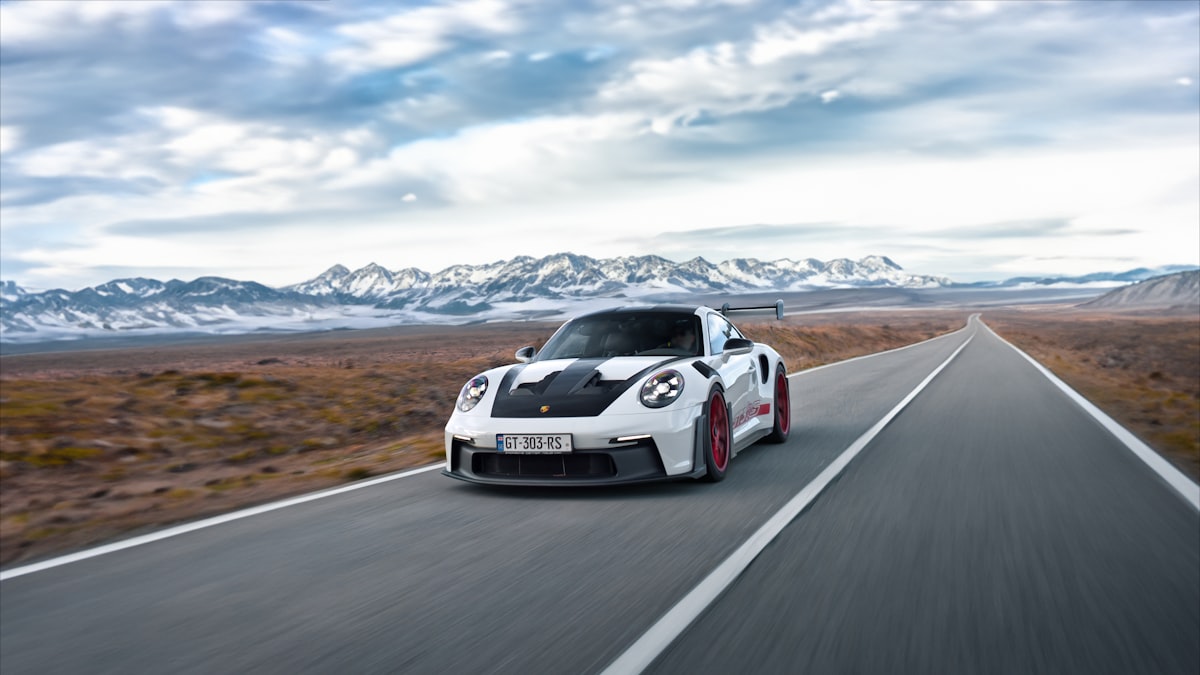
The secondhand market feels the squeeze. Because there are fewer affordable new cars rolling off lots, demand for pre-owned models has remained intense, and that pressure isn't letting up anytime soon. National automotive debt in the United States has climbed to a record-breaking $1.71 trillion, showing that consumers are taking on massive loans just to keep up with these rising costs. So drivers are holding onto their current vehicles longer, which further reduces the supply of fresh used cars entering the market.
Future outlook for automotive buyers
There are signs that consumers are experiencing severe pricing fatigue.
The housing crunch isn't letting up. It's a relentless squeeze on families everywhere. But for now, the iSeeCars Study demonstrates that finding affordable, reliable transportation remains one of the toughest financial challenges facing everyday consumers, a burden that rivals the rent or mortgage payment in its ability to drain monthly budgets and force impossible trade-offs. So the battle for basic mobility is just as brutal.
Frequently Asked Questions
What is the primary finding of the iSeeCars Study regarding used car prices since 2019?
The iSeeCars Study reveals that used car prices have skyrocketed by 38.2 percent since 2019. The average three-year-old secondhand vehicle now costs $32,651, a direct increase of $9,027 from the pre-pandemic average of $23,624.
How has the availability of budget-friendly used cars changed according to the iSeeCars Study?
The share of three-year-old vehicles priced under $20,000 has collapsed from nearly half of the market to just one in nine. Additionally, only 26.6 percent of five-year-old vehicles are now priced below $20,000, forcing buyers to consider older models.
Why does the iSeeCars Study suggest that buying an older used car may not be a cost-effective solution?
The article states that older cars naturally require more frequent upkeep, and the cost of parts and labor has climbed. Consequently, the initial savings from a cheaper, older vehicle can easily be wiped out by post-purchase maintenance and repair bills.
Which luxury models experienced the most significant price increases according to the iSeeCars Study?
The Porsche Cayenne saw its average three-year-old used valuation climb by 75.7 percent, while the Porsche 911, Mercedes-Benz G-Class, Mercedes-Benz E-Class, BMW M3, and Acura TLX all experienced price increases exceeding 60 percent. These increases defied traditional depreciation patterns.
What economic factors does the iSeeCars Study attribute to the sustained high car prices?
The article cites rising inflation, new tariffs, and global supply chain disruptions as factors that have driven up the cost of building new vehicles. Automakers have responded by prioritizing larger, high-margin vehicles and eliminating smaller, affordable models, keeping demand for used cars intense.

Sebastian Wolf reports on the car industry, from performance machines to the engineering that powers them. He is fascinated by how manufacturers balance tradition with the rapid move to electrification.
💬 Comments (0)
No comments yet. Be the first!