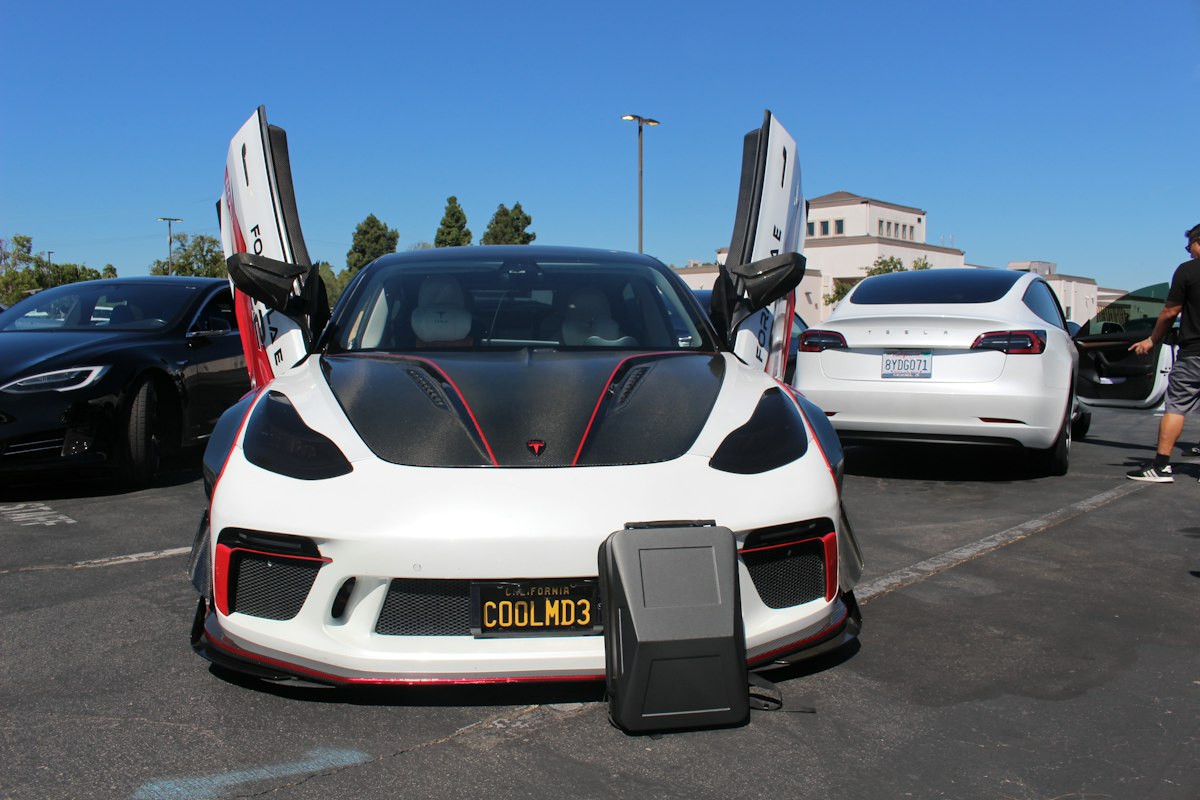
Tesla Cybercab launch Planned for Austin
The upcoming Tesla Cybercab launch in Austin will offer driverless rides to employees before entering Robotaxi service.
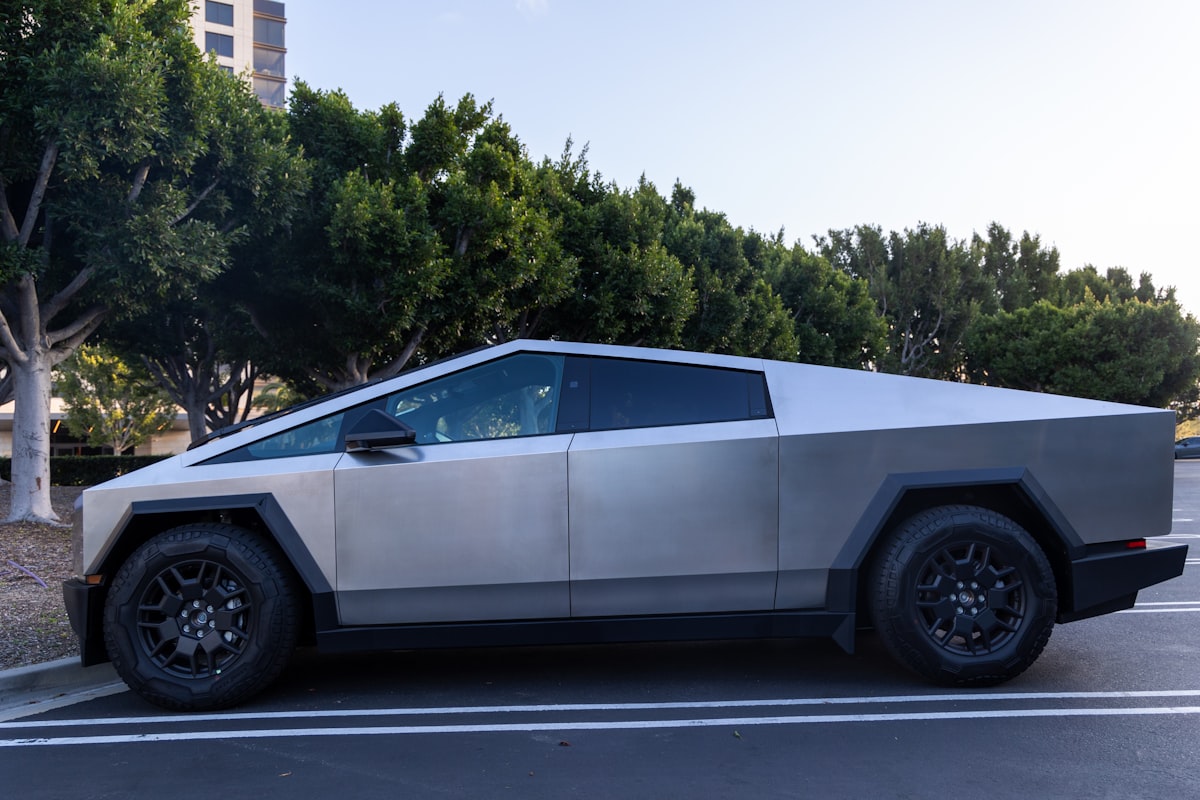
Tesla is moving forward with Cybercab launch plans in Austin. The company is preparing a public debut as soon as this month, and that rollout represents a critical shift for the electric vehicle maker. It's the first vehicle they've ever built entirely without a steering wheel or pedals. This design strips away any traditional driver controls. So the entire value of the vehicle rests on autonomous driving technology. But that's something they haven't delivered at scale yet, and here's the catch: we've seen plenty of promises before, yet this is the first time the company has backed itself into a corner where there's no manual fallback, no human backup, no emergency brake, and no way to drive home if the software fails. Let's break this down.
The immediate plan is straightforward. Employees ride first, testing these vehicles on public roads with them as the initial passengers, and within a few days of those initial trips, the company intends to integrate the vehicles into its existing Austin robotaxi service. First responders in Austin have already completed emergency training to learn how to manually move the driverless vehicles out of the way in traffic. Testing has been underway since July on private roads around the Austin campus. The target for the public debut is the end of August, though internal timelines could shift. But that date isn't set in stone.
How the Austin launch will unfold
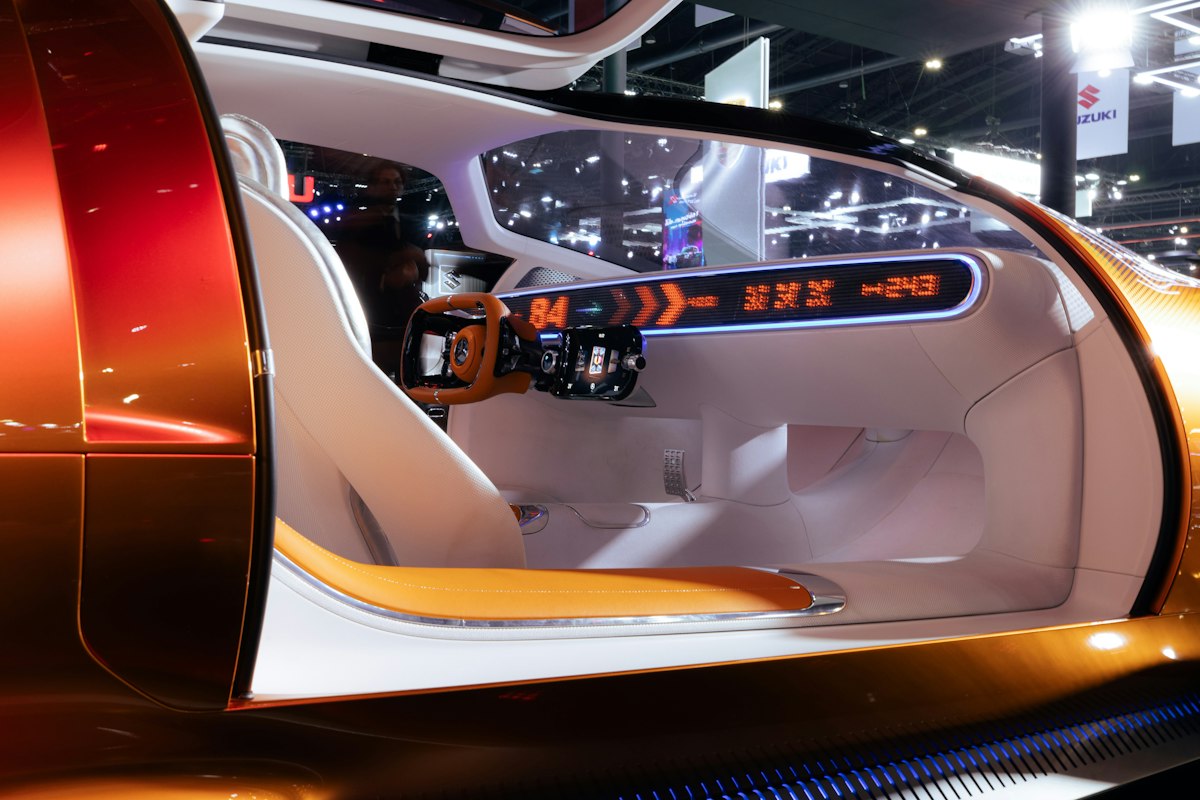
The company is already building momentum for the upcoming release. It's a clever push. A dedicated robotaxi account has been running promotional campaigns to draw riders into a lottery for a launch event, and the rules are simple: more rides taken in the existing service equal better odds of winning an invitation. But behind the marketing campaign lies a complex operational puzzle. The vehicle itself is a compact two-seat design. It can't function as a standard car. Without physical controls, it requires a completely autonomous system to operate safely on public streets, and that's a massive technical hurdle.
Remote operators monitor these vehicles. They're tasked with stepping in during emergencies, and that operational model hinges entirely on the reliability of the underlying software,no, the software's reliability is the whole game. But here's the catch: the vehicle relies on the same hardware and software systems as the Model Y passenger cars currently running in Texas and Florida. The physical launch of a new body doesn't upgrade the platform's actual self-driving capabilities. It can't.
The technical scaling challenge
The gaps in operational experience are significant when compared to established driverless services. The company has reported 380,000 cumulative driverless miles across its active robotaxi hubs, but by comparison, competitor Waymo has logged over 220 million rider-only driverless miles since starting commercial operations in 2020. That’s an enormous gap. So the numbers tell a different story than the marketing suggests, and they’re hard to ignore.
The fleet size also faces limits. In Austin, there are 186 Model Y vehicles registered for the robotaxi service. However, the number of those vehicles actually operating without a safety driver has shrunk. The unsupervised fleet in Austin stalled at roughly 17 active vehicles, which is down from a peak of about 25 vehicles earlier in the spring.
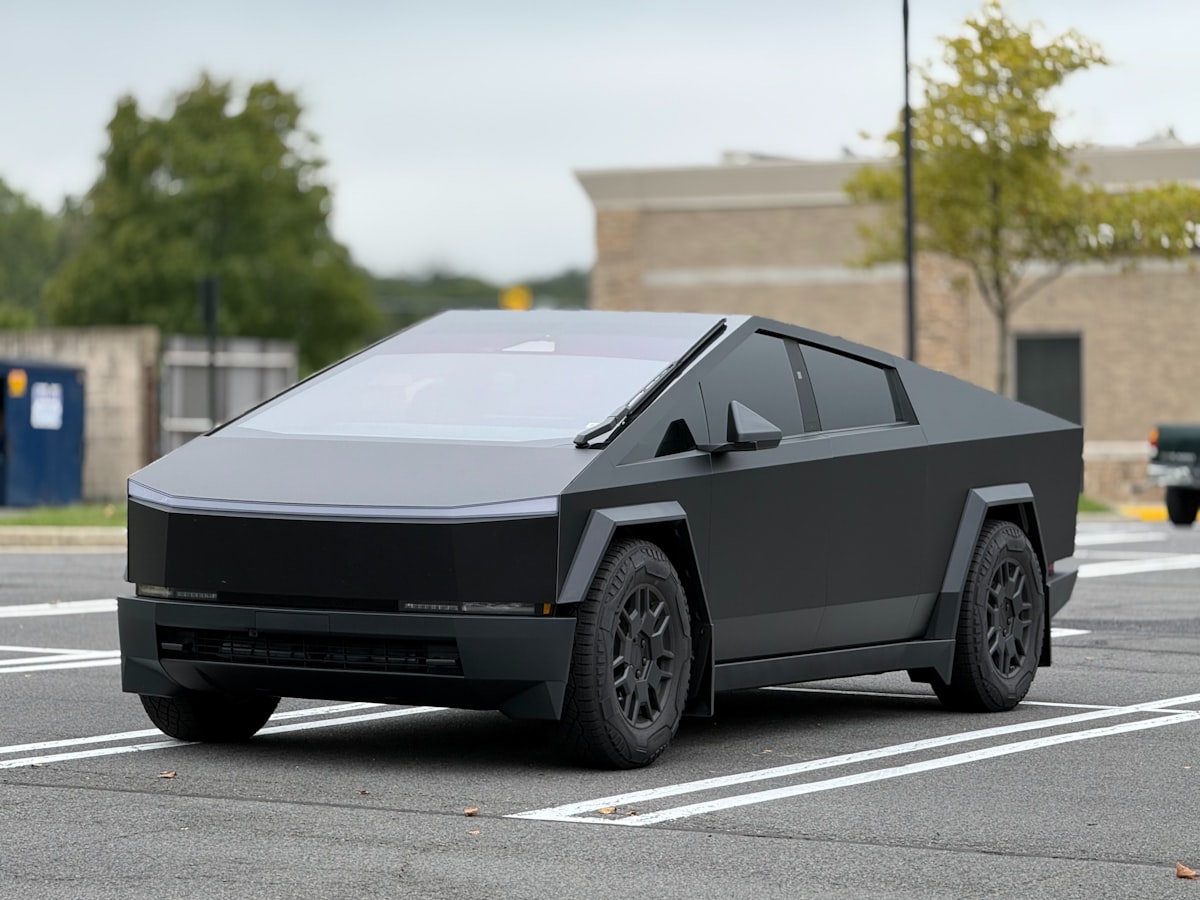
The Cybercab has none of that. It is a small two-seater with a small battery, little cargo space, no steering wheel, and no ability to go anywhere you direct it. Its entire value proposition is autonomy, and Tesla has not solved autonomy at any meaningful scale.
The limits of private ownership
The October 2024 announcement of a sub-$30,000 price target got brand enthusiasts talking, and they've been mulling over a solo purchase ever since. But here's the catch. It's a vehicle with no steering wheel and no pedals, so it can only operate inside specific, pre-validated geographic areas that the company has carefully mapped and approved for safe autonomous use.
- Austin, Texas
- Dallas, Texas
- Houston, Texas
- Miami, Florida
- Tampa, Florida
- Orlando, Florida
Outside these designated boundaries, it can't navigate at all. That's the problem. This geographic restriction makes private ownership highly impractical for the average consumer, who would surely find themselves stranded the moment they stray from the approved map. Production has been underway at Gigafactory Texas since February, with over 100 units spotted in factory storage lots. So they're clearly building them. But a recent physical addition to the test vehicles is a Starlink antenna, which has been installed on a car that theoretically does not require an active internet connection to navigate, and that odd pairing raises more questions than it answers.
A shift in product philosophy
The Model S changed perceptions of electric performance. The Model 3 went after a wider crowd with a lower sticker price. Even the Cybertruck brought its own weird look and real-world toughness, letting owners haul gear or bash through trails without worrying about scratches or judgment. This new two-seater offers none of those traditional benefits. It's a different beast entirely. Without a steering wheel, cargo space, or a large battery, it is entirely dependent on its software capabilities, and that's a gamble that will either pay off spectacularly or fall flat. So buyers are left with pure faith.
The upcoming weeks will test whether the public is ready for a vehicle defined entirely by autonomous capabilities that are still being refined, and that's a heavy question to answer when the software itself hasn't yet proven it can handle every twist of a real city's roads. But the stakes are clear. If the software cannot support reliable driverless operation, the vehicle remains limited to small geofenced polygons, so it's not really a revolution yet, just a cautious experiment. For now, the focus remains on the streets of Austin as the initial employee rides get underway.
Frequently Asked Questions
What is the primary design feature of the Tesla Cybercab that distinguishes it from other vehicles?
The Tesla Cybercab is the first vehicle Tesla has built entirely without a steering wheel or pedals, stripping away any traditional driver controls. This means its entire value rests on autonomous driving technology, with no manual fallback or emergency brake.
How is Tesla planning to introduce the Cybercab to the public in Austin?
Tesla plans to have employees ride first, testing the vehicles on public roads, and within a few days integrate them into the existing Austin robotaxi service. The target for the public debut is the end of August, though internal timelines could shift.
Why might private ownership of the Cybercab be impractical for average consumers?
The Cybercab can only operate inside specific, pre-validated geographic areas that Tesla has mapped and approved, currently limited to boundaries within a handful of cities like Austin, Dallas, Houston, Miami, Tampa, and Orlando. Outside these areas, it cannot navigate at all, so owners could be stranded if they stray from the approved map.
What is the difference in driverless miles between Tesla and Waymo as mentioned in the article?
Tesla has reported 380,000 cumulative driverless miles across its active robotaxi hubs, while competitor Waymo has logged over 220 million rider-only driverless miles since starting commercial operations in 2020. This shows a significant gap in operational experience between the two companies.
Who has already completed emergency training in Austin to handle the Cybercab?
First responders in Austin have already completed emergency training to learn how to manually move the driverless vehicles out of the way in traffic. This training is part of the preparation for the Cybercab launch in the city.

Clara Rossi covers the motoring world, with a focus on electric vehicles, design and the shift toward cleaner transport. She tests the latest models and explains what matters to drivers beyond the spec sheet.
💬 Comments (0)
No comments yet. Be the first!