What is the Electric Vehicle Excise Duty?
The Electric Vehicle Excise Duty will tax British EV owners by the mile starting April 1, 2028 to replace lost fuel revenues.
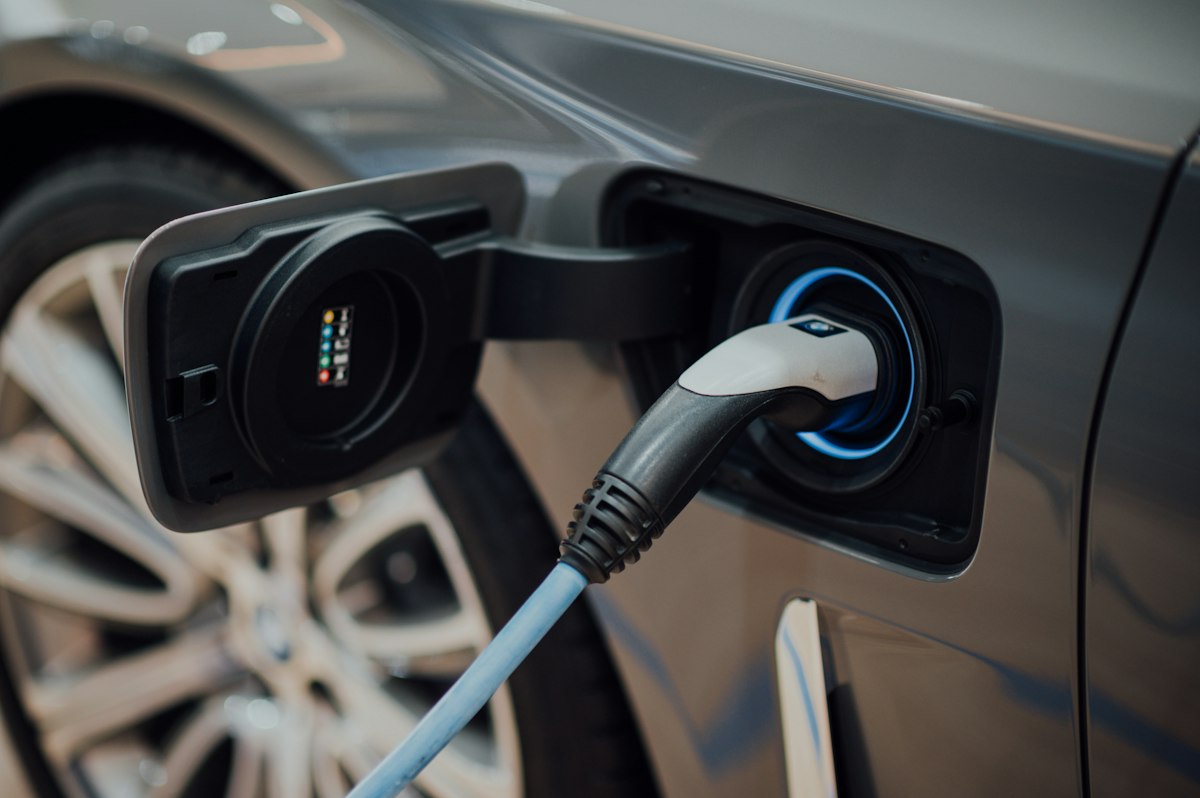
Electric Vehicle Excise Duty is the new reality. It's heading for battery-powered car owners. The pitch for electric vehicles, which has always leaned on saving money, promised drivers no fuel taxes, no trips to the pump, and cheaper overall miles, and that pitch became official policy. But now the math is catching up with the treasury.
Every electric car on the road is a driver who no longer pays fuel duty. That's a lot of lost money. Fuel duty represents a massive chunk of revenue, and because it does, a new mileage-based charge is coming to fill the gap, whether drivers like it or not. Want a preview of how a mileage tax lands on EV owners? A clear blueprint has just been built.
The new per-mile tax structure
It's called the Electric Vehicle Excise Duty, or eVED. That new tax starts April 1, 2028. And it hits drivers based on the miles they actually drive, which means the policy sets different rates depending on the type of vehicle powertrain you own, so what you pay isn't one flat number for everyone on the road.
Here is how the rates break down:
- Battery electric vehicles and hydrogen fuel-cell cars will pay 4 cents (3 pence) per mile.
- Plug-in hybrids will pay 2 cents (1.5 pence) per mile.
- Rates will rise with inflation starting in the 2029-to-2030 financial year.
Plug-in hybrids pay less. They still burn petrol or diesel, so those drivers already pay standard fuel duty at the pump, and that's the reason the rate comes in lower for them. For the average battery-electric driver covering 8,500 miles a year, the Office for Budget Responsibility puts the annual bill at about $348 (£255).
But there is a catch. This new charge is an addition to existing fees, not a replacement. Zero-emission cars already pay a standard annual vehicle tax on top of a token first-year rate. Expensive models with high list prices attract an extra annual supplement for five years. Layering the per-mile charge on top of these existing fees means some EV owners will end up paying more than their neighbors driving combustion engines.
Why governments are taxing EV miles
Let us cut through the noise. The driving force behind this policy is straightforward arithmetic. Fuel duty raised £24.4 billion in the 2024/25 period, while standard vehicle duty brought in £8.4 billion. As drivers switch to electric cars, that fuel-duty pool shrinks rapidly.
The numbers tell a story of rapid decline. Fuel-duty revenue fell from 1.7 percent of gross domestic product in the 2010/11 period to just 0.8 percent in 2024/25. This drop happened because more people are driving electric cars, and because the fuel-duty rate has not risen with inflation since 2011. The revenue is projected to plummet to 0.1 percent of GDP by 2050/51.
The impact on future EV sales
New costs hit electric cars. That changes the math for buyers. But it's not just about the sticker price anymore, because while the official goal is to replace lost fuel revenue, adding a lifetime cost to zero-emission driving will likely dent demand in ways that buyers and automakers are only starting to feel. So the Office for Budget Responsibility forecasts around 440,000 fewer EV sales over its projection period due to the added tax burden. And that's a big drop. We've got a policy that raises revenue but can't avoid hurting the very shift it's meant to support.
How the system tracks your mileage
The tax collection mechanism is built into the existing annual vehicle registration renewal process. So when you renew, you'll submit an odometer reading. You'll also estimate your expected miles. You can pay the calculated charge upfront, or, if it's easier for your budget, you can spread those payments across the year, since they're flexible that way.
At the end of the year, a second odometer reading triggers a reconciliation. You'll pay what you still owe. Or you'll carry a credit forward. To keep drivers honest, the government plans to verify these self-reported figures using mileage data collected during annual roadworthiness tests, because it's a system that depends on trust. But for newer vehicles that don't require annual testing yet, an accredited mileage check will apply.
What this means for American drivers
You're wondering if this matters to you. It does. And here's why. While this specific Electric Vehicle Excise Duty rollout is happening across the Atlantic, individual American states, which have been quietly moving on their own timelines and testing their own versions of these policies, are already testing the exact same mechanisms.
Hawaii is the clearest American parallel. Since July 2025, eligible EV owners there can choose either a road usage charge of 0.8 cent per mile, capped at $50 a year, or a flat $50 annual charge, and the state gathers odometer readings during its periodic vehicle inspection. It's the same mechanism. But this is the exact same safety-check verification mechanism being deployed in Britain, and they're using it because it's a system we've already seen work in one American state.
Let us run the math on how a similar per-mile tax would impact a popular American EV like the Tesla Model Y Premium AWD. Over a nominal 60,000 miles across five years, the vehicle consumes roughly 16,200 kWh of electricity. At average residential electricity rates, that power costs about $2,960.
Apply a 4-cent-per-mile tax. The tax alone adds $2,457 to your bill. Your total operating cost for power and taxes climbs to $5,417. But a hybrid SUV like the Toyota RAV4 Hybrid running on gasoline would cost between $5,274 and $5,532 over the same distance, which means the tax effectively wipes out the fuel savings of the EV and puts its operating costs right on par with a hybrid.
The lesson is that the mileage tax follows EV adoption, not the other way around. Once electric cars are common enough to dent fuel-tax revenue, the charge appears.
Public charging costs more. It's a lot more. And if you rely on public charging stations, the financial impact gets even tougher, because those costs are significantly higher than what you'd pay charging at home. Charge exclusively in public and your electricity costs for those 60,000 miles would hit $6,804. Then add the hypothetical mileage tax. That pushes your total to $9,261. So the EV becomes far more expensive to run than a standard hybrid.
If you drive an EV in a state currently weighing road-usage fees, watch the details closely. Watch them closely. The critical factor is whether the per-mile charge replaces your state's existing flat EV registration fees or stacks on top of them, and that single distinction can swing your annual costs by hundreds of dollars depending on how many miles you actually drive. So don't assume it's a simple swap. The ratio between the per-mile rate, local electricity costs, and gas prices will ultimately decide if driving electric still saves you money, and that math varies wildly from one zip code to the next. Check the numbers.
Frequently Asked Questions
What is the Electric Vehicle Excise Duty and when does it start?
The Electric Vehicle Excise Duty, or eVED, is a new per-mile tax structure that hits drivers based on the miles they actually drive. It starts on April 1, 2028.
Why are governments implementing a mileage-based charge for electric vehicles?
The driving force behind this policy is straightforward arithmetic: fuel duty raised £24.4 billion in the 2024/25 period, but as drivers switch to electric cars, that fuel-duty pool shrinks rapidly. Fuel-duty revenue fell from 1.7 percent of GDP in 2010/11 to just 0.8 percent in 2024/25, and it is projected to plummet to 0.1 percent of GDP by 2050/51.
How does the system track mileage and allow drivers to pay the Electric Vehicle Excise Duty?
The tax collection mechanism is built into the existing annual vehicle registration renewal process, where you submit an odometer reading and estimate your expected miles. You can pay the calculated charge upfront or spread payments across the year, and at the end of the year, a second odometer reading triggers a reconciliation to pay what you still owe or carry a credit forward.
What are the specific per-mile rates for different types of electric vehicles under the Electric Vehicle Excise Duty?
Battery electric vehicles and hydrogen fuel-cell cars will pay 4 cents (3 pence) per mile, while plug-in hybrids will pay 2 cents (1.5 pence) per mile. Rates will rise with inflation starting in the 2029-to-2030 financial year.
How does the Electric Vehicle Excise Duty impact American drivers, and what is the American parallel?
While this specific Electric Vehicle Excise Duty rollout is happening across the Atlantic, individual American states are already testing the exact same mechanisms, with Hawaii being the clearest American parallel. Since July 2025, eligible EV owners in Hawaii can choose either a road usage charge of 0.8 cent per mile, capped at $50 a year, or a flat $50 annual charge, and the state gathers odometer readings during its periodic vehicle inspection.

Dominic Fischer writes about cars and the future of mobility, covering everything from new launches to charging infrastructure. He follows how the way we drive is changing and what comes next on the road.
💬 Comments (0)
No comments yet. Be the first!