F1 in Madrid: Like Monaco but Twice as Long
F1 raced at the new Madring in Madrid, a 3.3-mile circuit drivers compared to Monaco for its lack of overtaking.
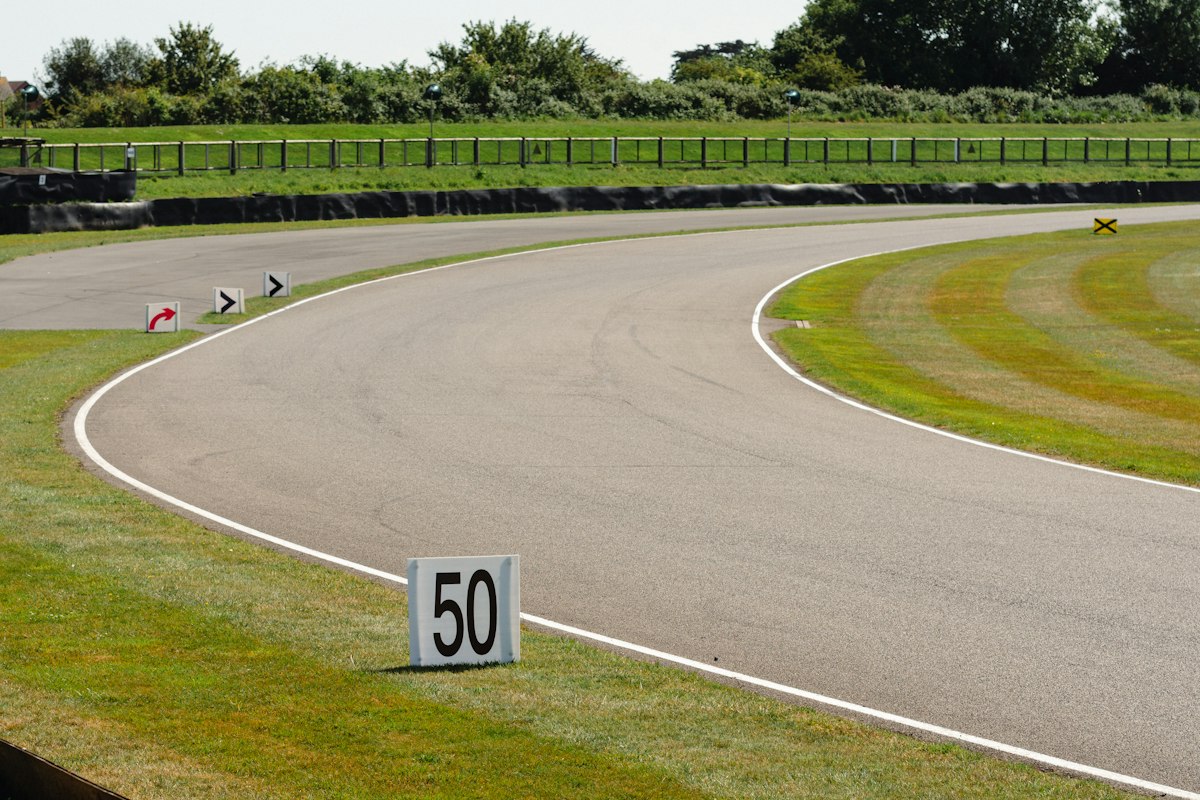
F1 Madrid Madring arrived on the calendar with a promise that felt almost heretical to anyone who has watched the sport for decades: a street circuit that could actually produce overtaking. The 3.3-mile (5.4-km) layout, built around a sprawling exhibition center near the Spanish capital's airport, was supposed to be Monaco without the procession. Monaco with room to breathe. Monaco, but twice as long.
What the drivers got instead was a track that punished ambition. It rewarded patience. And it did so in the worst possible way. The race itself wasn't decided by a daring pass. It was decided by a virtual safety car, by a pit stop gone wrong, and by the quiet ruthlessness of a 19-year-old who is rapidly making the rest of the grid look ordinary, which is a sentence nobody expected to write when this season began.
The Kid From Bologna Does It Again
Kimi Antonelli won in Madrid. Say that slowly. It carries weight. It's more than one Sunday afternoon. The Mercedes driver now has eight victories this season and an 81-point lead over his teammate George Russell, a gap so wide that it turns every remaining race into a formality nobody can honestly dispute. And the championship fight, if anyone still wants to call it that, is effectively over.
Antonelli's afternoon was not a masterclass in raw pace. It was a lesson in opportunism. When Lance Stroll retired his Aston Martin on lap 14 and triggered a virtual safety car, Antonelli and Max Verstappen dived into the pits. Antonelli had even slowed his pace by a second or two after being warned the scenario was likely. That is the kind of instinct you cannot teach.
Lando Norris had no such luck. The McLaren driver had been the fastest man all weekend, quickest in qualifying on a day when driver skill mattered more than machinery, and he led from the start. The VSC was declared just after the point at which he could have responded. It ended shortly before he reached the pit entry on his next lap. And then, bewilderingly, McLaren still pitted him anyway.
Seven Seconds That Cost a Race
A problem with one of the wheels left Norris stationary for more than seven seconds. In 2026, a competitive stop takes a little over two. He rejoined in fifth and clawed his way to third as Russell and Charles Leclerc made their own stops, but the win was gone. The reigning champion could progress no further.
Norris wasn't the only big name to suffer. Lewis Hamilton retired early with brake failure. That's a result that should extinguish any lingering title hopes at Ferrari, because when a driver of his caliber exits a race before the checkered flag, the championship math shifts in ways the team can't ignore. And that sound you hear from Maranello? It's the quiet closing of a window.
What the Drivers Actually Said
The verdict from the cockpit was brutal, and unusually unified. Haas driver Oliver Bearman did not bother with diplomacy. "You only have to look at the layout, and it's quite clear that it's going to be a poor track for racing," he said.
"I think the only track more difficult to overtake on is Monaco, so it's not ideal."
That was Oscar Piastri. Norris's McLaren teammate. He offered the kind of comparison that circuit promoters dread, the sort of remark that lands badly in a boardroom. Monaco is the sport's crown jewel precisely because its impossibility is the point. And a new circuit that draws the same criticism, but without the yachts and the history, has a problem.
Max Verstappen held off Norris for second. He stopped under the same VSC as Antonelli. And he explained the geometry of the issue with characteristic bluntness, the kind of straight talk that doesn't dress things up or waste a single word on anything that isn't the point he's making. "Around here, if you just drive a little bit in the middle, then you can't pass," he said.
F1 Madrid Madring was designed with a long, banked corner meant to generate IndyCar-like passing. The junior series had delivered chaos in F2 and F3, with heavy crashes and multiple red flags. But F1 drivers are not junior drivers. They pick their battles. On this track, there were no battles to pick.
Nine Years Left on the Deal
Here is the uncomfortable math. The Madring has a nine-year contract. One race is in the books, and the drivers have already compared it unfavorably to the most processional circuit on the calendar.
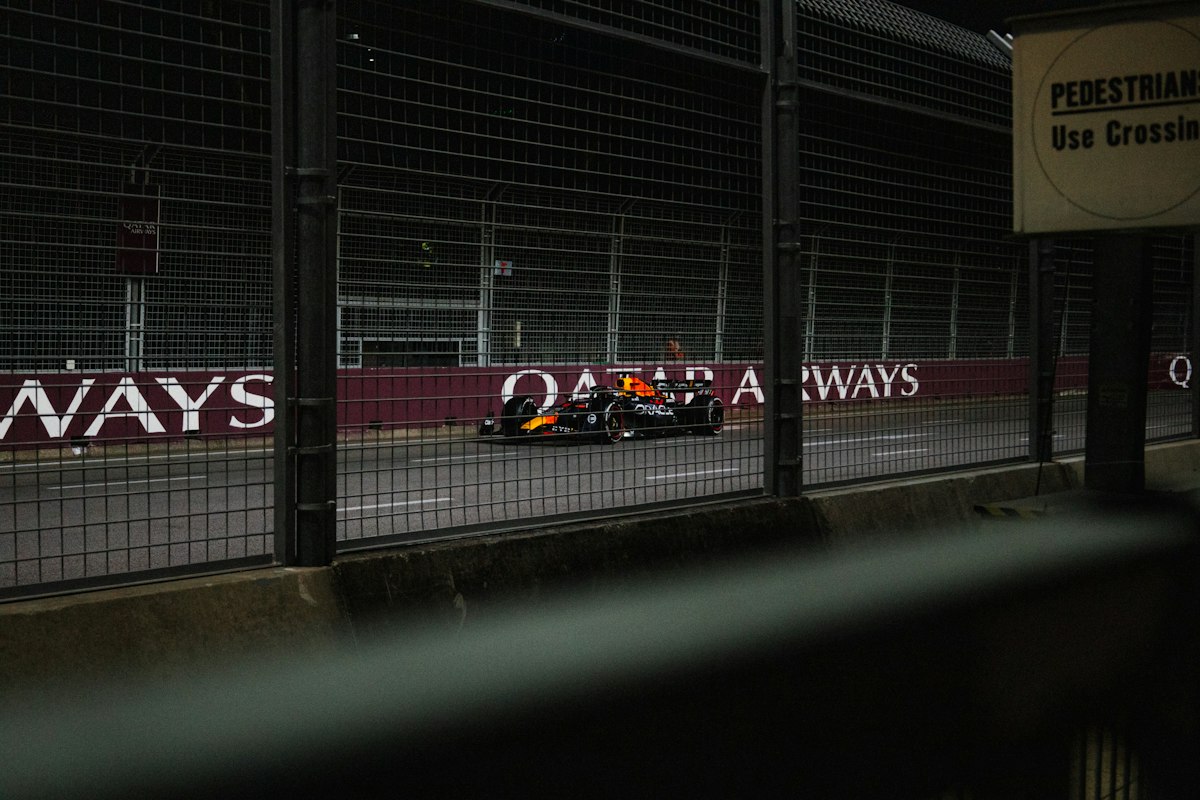
The circuit is not static. Changes are already planned for next year. Turns 5-6, 13, and 20 will all be examined with an eye toward creating better overtaking opportunities, including wide entries to corners after heavy brake zones. The Madring's series of trail-braking corners might make for a decent time trial. They do not make for good television. The people in charge seem to know it.
The FIA Gets Involved
Unhappy drivers, it turns out, are the most effective lobbyists in motorsport. On the eve of the Madrid race, FIA President Mohammed Ben Sulayem revealed that he wants to give Aston Martin more development resources after a conversation with Fernando Alonso, the team's lead driver.
"I said, Fernando, I understand that it's not acceptable that you are coming to your own country and then now, after two times the world champion, and you are in the last place," Ben Sulayem said. "We did something earlier, in May, legally, for the team towards the engine to go and improve. And then I said to him, I'm not going to tell you what we are going to do, please tell me what you want, because you are the driver, come and tell me what do you want us to do to improve these results? Suddenly, you see everything change. And then I get a call, and then I had a meeting yesterday. We are here also to support."
That is a remarkable admission. The FIA president is openly describing a process that bypasses the existing framework meant to allocate development resources. Whether it sets a precedent or remains a one-off favor to a two-time champion is an open question.
The Contrast With Monza
Two weeks ago, Formula 1 was at Monza. It's the Italian temple of speed, packed with Tifosi in red. Charles Leclerc ruined his teammate's race and then his own within the first two laps. Antonelli started 19th after taking a new engine and power unit components. And by the time Leclerc's heavy crash at Parabolica stopped the race, Antonelli, who had been carving through the field from that lowly starting position, was already up to 12th.
From the second standing start, on fresh medium tires and still needing a second pitstop, he sliced through the field, including Russell, who had spent much of the race in the lead on a theoretically faster one-stop strategy. Even an excursion through a gravel trap while trying to pass Russell could not stop him. He became the first Italian to win the Italian Grand Prix in 60 years.
That was fairy tale stuff. Madrid was something else entirely.
The good news for F1 Madrid Madring is that the problems are identifiable and the fixes are already being discussed. The bad news is that nine years is a long time to wait for a track to become worth watching. Antonelli, at least, does not seem to care where he wins. He just keeps winning.
Frequently Asked Questions
What happened to Lando Norris's race in Madrid despite being the fastest man all weekend?
Norris had been the fastest man all weekend and led from the start, but the virtual safety car was declared just after the point at which he could have responded and ended shortly before he reached the pit entry on his next lap. McLaren still pitted him anyway, and a problem with one of the wheels left him stationary for more than seven seconds, so he rejoined in fifth and clawed his way to third but the win was gone.
Why did Kimi Antonelli's Madrid victory depend on opportunism rather than raw pace?
When Lance Stroll retired on lap 14 and triggered a virtual safety car, Antonelli and Max Verstappen dived into the pits, and Antonelli had even slowed his pace by a second or two after being warned the scenario was likely. The article describes his afternoon as a lesson in opportunism and that instinct as something you cannot teach.
How did drivers such as Oliver Bearman, Oscar Piastri, and Max Verstappen describe the F1 Madrid Madring track?
Oliver Bearman said you only have to look at the layout to see it is going to be a poor track for racing, and Oscar Piastri said the only track more difficult to overtake on is Monaco. Max Verstappen explained the geometry bluntly, saying that around here if you just drive a little bit in the middle, then you can't pass.
When and how are changes planned for the Madring circuit, and what is the length of its contract?
The Madring has a nine-year contract, with one race in the books, and changes are already planned for next year. Turns 5-6, 13, and 20 will all be examined with an eye toward creating better overtaking opportunities, including wide entries to corners after heavy brake zones.
Who is Mohammed Ben Sulayem, and what did he reveal about Aston Martin and Fernando Alonso on the eve of the Madrid race?
FIA President Mohammed Ben Sulayem revealed that he wants to give Aston Martin more development resources after a conversation with Fernando Alonso, the team's lead driver. He described a process that bypasses the existing framework meant to allocate development resources, and the article notes it is an open question whether it sets a precedent or remains a one-off favor to a two-time champion.

Sebastian Wolf reports on the car industry, from performance machines to the engineering that powers them. He is fascinated by how manufacturers balance tradition with the rapid move to electrification.
💬 Comments (0)
No comments yet. Be the first!