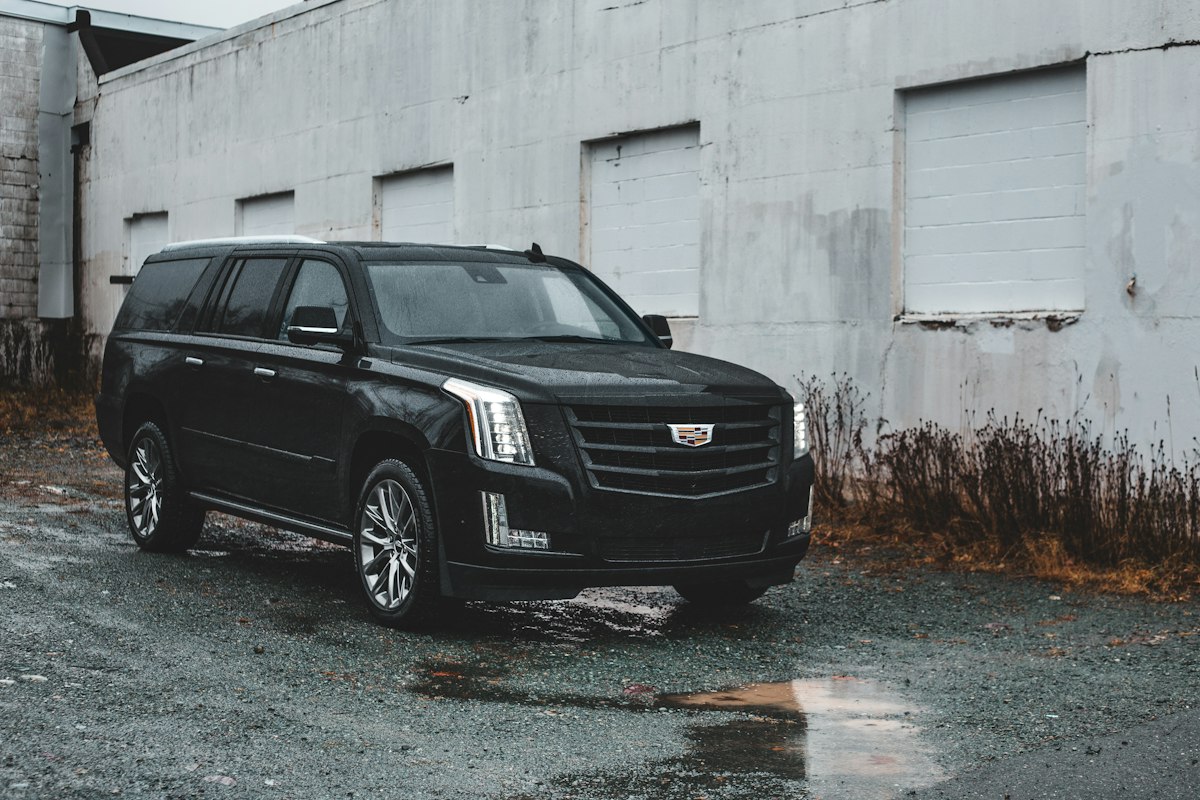
Mercedes-Benz's new holographic heads-up display
Mercedes-Benz is testing a holographic heads-up display prototype designed to replace traditional passenger screens.
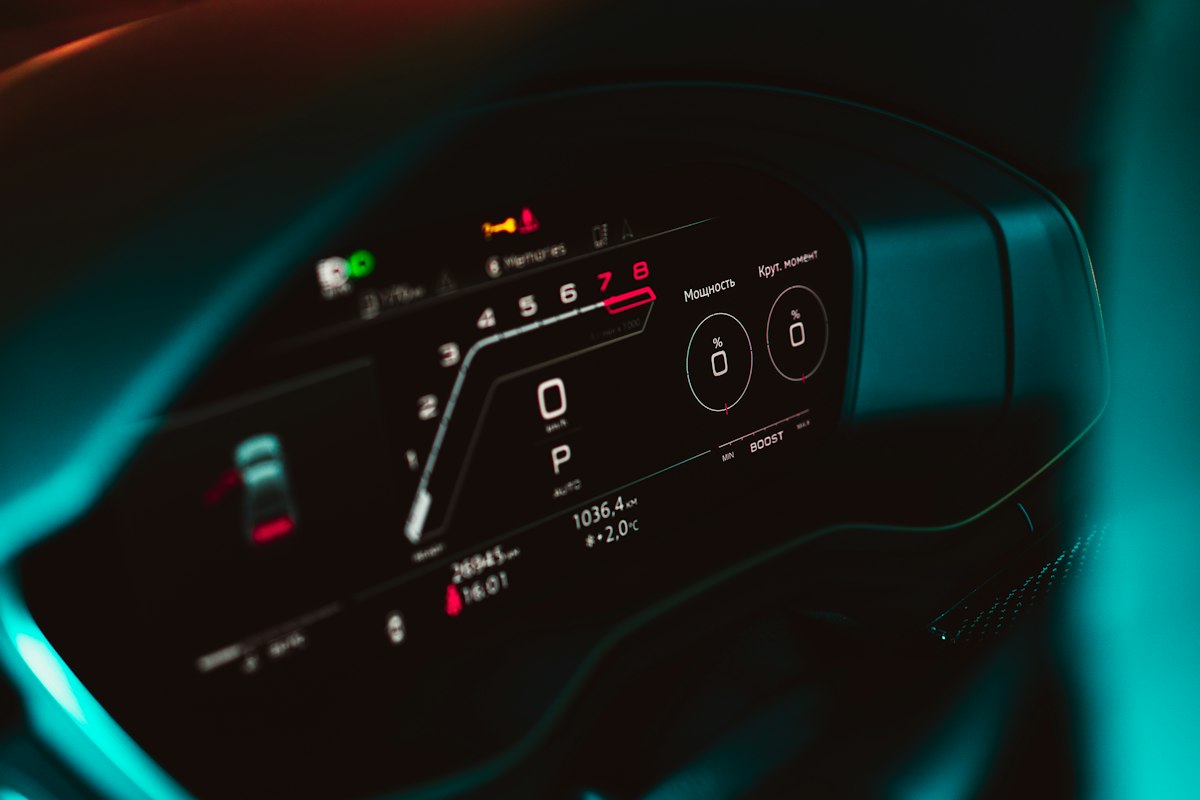
Mercedes-Benz's new holographic heads-up display presents a potential departure from the industry-wide rush toward larger cabin touchscreens. It’s a bold move. As vehicle dashboards transform into continuous glass panels, luxury automakers face a structural dilemma where the reliance on physical craftsmanship, open-pore wood, and exposed metal is challenged by the digital age. They're losing identity. The proliferation of digital displays threatens to homogenize these environments, reducing distinct brand aesthetics to generic glass surfaces that don't reflect the heritage of the marque. And the development of an alternative display architecture signals an effort to preserve traditional luxury materials while providing the digital capabilities we've come to expect in modern vehicles.
Beyond the era of endless dashboard screens
For years, luxury meant screens. Touchscreens grew from modest central consoles into sweeping glass structures that spanned the full width of the vehicle as designers chased the latest trends. So, they're rethinking it. Market feedback suggests a rift between technology deployment and consumer preference.
Drivers don't want them. Many vehicle owners find dedicated passenger touchscreens unnecessary because they distract from the road and clutter the dashboard without offering any tangible value at all. Designers agree. They're convinced that these digital panels can undermine the tactile quality of premium cabins, ultimately cheapening the overall luxury experience that customers expect when they purchase high-end automobiles.
Screens aren't luxury. You likely have a better, and bigger, television set in your own home, and every modern car on the road today features a massive digital screen. So, we've realized that we can't simply rely on displays, meaning we must instead create a sense of true luxury that exists far beyond the surface of a simple screen. That's why I talk about craftsmanship and sophistication.
Former Mercedes chief design officer Gordon Wagener highlighted this exact challenge. It's not standard electronic panels. Real luxury relies on craftsmanship. Current chief design officer Bastian Baudy has reiterated this approach, stressing that materials such as wood and metal must remain central to the brand experience alongside tactile switches and intuitive controls. And Chief Executive Officer Ola Kallenius has similarly classified interior quality and physical materials as core values, alongside safety and driving characteristics, requiring high technology to be packaged in an aesthetically balanced manner.
How the optical technology functions
Mercedes-Benz's new holographic heads-up display operates on a different optical principle than standard dashboard equipment, whereas traditional heads-up displays reflect basic imagery directly off the windshield glass. It's an experimental approach. And it integrates a specialized transparent film laminated directly into the glass structure.
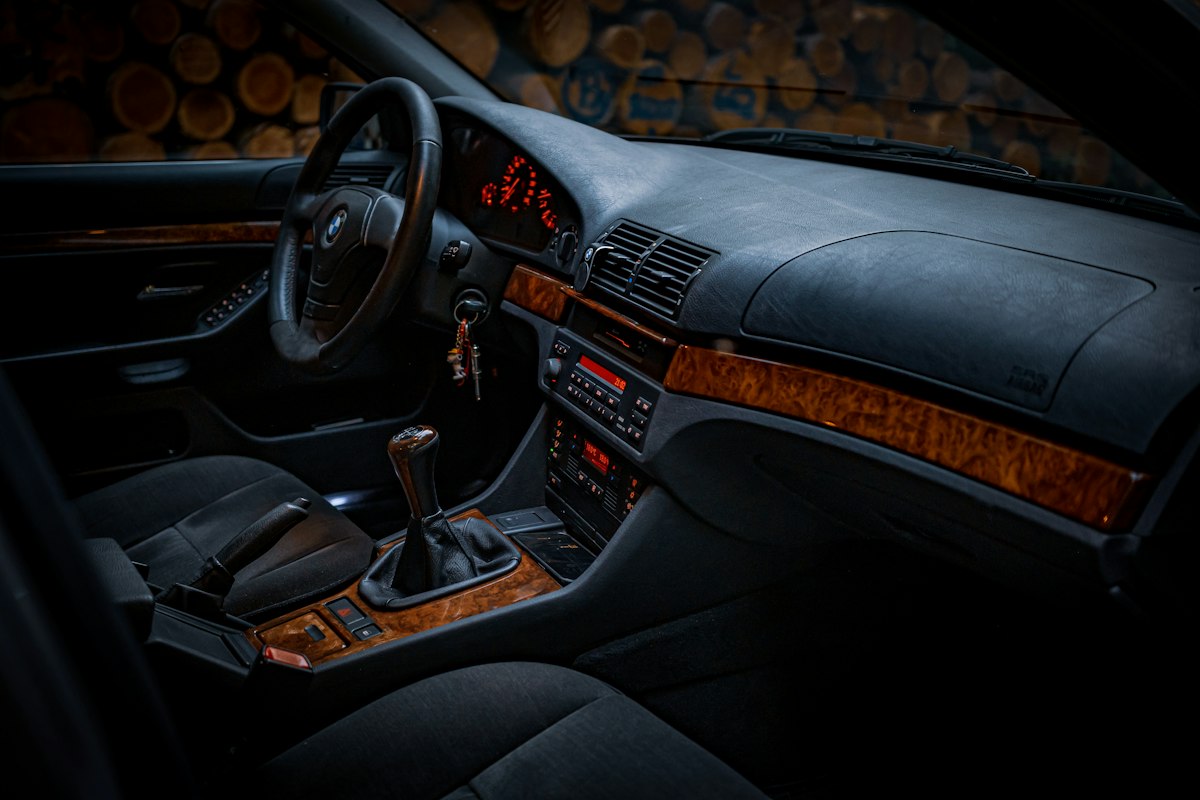
Development engineer Lena Hees explained that this film utilizes holographic optical elements, which are microscopic optical structures that selectively reflect light emitted from a dedicated projector module. And they're super-small mirrors.
- The transparent film reflects projected images directly to the designated viewer while keeping the glass clear.
- The visual output remains sharp even under direct sunlight conditions.
- The projected image remains hidden from the driver's perspective, avoiding visual distraction.
- The system reduces the footprint of traditional heads-up display hardware within the dashboard.
Current passenger screen setups rely on screen polarization or internal monitoring cameras to prevent driver distraction. But it's changing. The holographic optical film eliminates the need for active light blocking because it naturally directs the light path away from the driver's line of sight, which means they're finally free from the limitations of older technology. Simple.
Inside the Sindelfingen prototype testing
Testing is underway. Early evaluation units at research facilities in Sindelfingen, Germany, reveal both the capability and the current limitations of the hardware that we've seen in action. It's confined. The test hardware was embedded within a right-hand-drive S-Class prototype, utilizing a temporary cutout in the upper instrument panel so that engineers don't overlook critical data points during this phase.
Current prototype limitations
The early test setup presented several clear engineering hurdles:
- A noticeable cooling fan noise was produced by the temporary projection unit.
- Distortion along the vertical axis occurred due to the steep rake of the windshield.
- Image contrast and overall resolution remained lower than modern high-definition touchscreens.
It worked. Despite early issues, the prototype showed potential. Operating at just 20 percent of its maximum design brightness, the system successfully rendered full-color video footage of the C-Class Electric across the glass surface. Research manager Manual Holstein clarified that production versions will feature a significantly reduced projector opening, silent internal cooling, and higher visual resolution, because they're aiming for a better user experience.
And Holstein noted another detail. The projector hardware could eventually be concealed entirely behind physical wood or metal interior trim, and it's possible to expand the active viewing zone higher and wider across the windshield than early test vehicles showed.
Rethinking the passenger experience
It's opening new cabin options.
It changes the visual plane.
Eyes stay up. Dynamic content projected directly onto the windshield glass allows passengers to keep their gaze steady, which ensures that they don't lose their line of sight. And by keeping the focal point elevated and maintaining constant visual contact with the external environment, this system may help reduce the motion sickness that's commonly caused by looking down at handheld phones, tablets, or low-mounted touchscreens.
Mercedes-Benz is changing everything. Future applications of their new holographic heads-up display extend to both sides of the cabin, allowing passengers and drivers to interact with digital content. Beyond playing video content or displaying navigational points of interest, driver-side projections could provide situational data, enable video calls during stops, or present media when parked. It's a vision. So, as Level 3 autonomous driving systems gain adoption, such displays could offer drivers alternative visual content when the automated system permits them to turn their attention away from the roadway.
Balancing physical craftsmanship with digital demand
It's a strategic move. So transitioning toward holographic optical elements decouples digital features from physical screen real estate. If digital imagery can be projected on demand through clear glass, automakers don't need to cover real wood, fine metals, and tailored leather with black glass panels.
Maximilian Hilger knows buyers disagree. Some drivers love the massive digital Hyperscreen, but others still prefer the classic interior materials they've grown accustomed to over many years of traditional automotive design. It's a dilemma. So, the holographic system provides a way to satisfy both of these competing demands simultaneously, ensuring that nobody has to compromise on their preferred style or their comfort.
Engineers continue to refine image clarity, eliminate geometric distortion, and shrink the projector packaging. Progress is slow. But the broad success of these holographic displays will ultimately depend on bringing projection quality up to consumer expectations while they're simultaneously retaining the physical luxury materials that define high-end automotive interiors. It's difficult.
Frequently Asked Questions
Why is Mercedes-Benz developing a holographic heads-up display instead of continuing to use large touchscreens?
The company is concerned that the proliferation of large digital displays threatens to homogenize vehicle interiors and reduce distinct brand aesthetics. By using holographic technology, they aim to preserve traditional luxury materials like wood and metal while still providing modern digital capabilities.
How does the holographic heads-up display function compared to traditional heads-up displays?
Unlike traditional systems that reflect basic imagery off the windshield glass, this technology utilizes a specialized transparent film laminated into the glass. This film contains microscopic holographic optical elements that selectively reflect light from a projector module toward the viewer while keeping the glass clear.
What are the potential benefits of the holographic display system for passenger comfort and safety?
The system allows passengers to keep their gaze steady and maintain contact with the external environment by projecting content onto the windshield. This elevated focal point may help reduce motion sickness that is commonly caused by looking down at low-mounted touchscreens or handheld devices.
What specific engineering challenges were identified during the testing of the prototype in Sindelfingen?
Early testing revealed issues such as noticeable noise from the cooling fan and image distortion caused by the steep rake of the windshield. Additionally, the system's image contrast and overall resolution were lower than what is currently offered by modern high-definition touchscreens.
How might the future application of this holographic display technology change when Level 3 autonomous driving becomes more common?
As Level 3 autonomous driving systems are adopted, the displays could provide drivers with alternative visual content when the system permits them to look away from the road. This includes features like situational data, video calls during stops, or media playback when the vehicle is parked.

Clara Rossi covers the motoring world, with a focus on electric vehicles, design and the shift toward cleaner transport. She tests the latest models and explains what matters to drivers beyond the spec sheet.
💬 Comments (0)
No comments yet. Be the first!