Testing the Pedego Element 2 eBike
We tested the Pedego Element 2 ebike, highlighting its $2,195 price, 750W motor, torque sensor, and low-step frame design.

Testing the Pedego Element 2 in real world conditions
Pedego changed. The Element 2 marks a shift for a brand that built the early market for electric vehicles by focusing on retail shops hosting sales and day long rentals. It worked. Riders wanted to try bikes in person, pick them up locally, or get direct service, yet as bikes moved into the mainstream market, those prices near 4,000 dollars didn't stay competitive against newer direct offerings. So, bringing a complete build down to a retail price of 2,195 dollars changes the dynamic entirely for daily commuters and utility riders who have been waiting for a more affordable option.
Unboxing and assembly proved straightforward. You don't need advanced mechanical skills. By attaching the pedals, mounting the handlebars to the stem, and tightening down a few basic hardware pieces, it moves from the shipping carton to street ready condition in very little time. And that ease of setup matters for riders who buy online rather than walking into a local shop.
Frame design and cargo capacity
Finishing options like the satin paint in a warm sand color give the bike an attractive, modern aesthetic when paired with dark structural accents on its low-step frame construction. It's a very comfortable geometry. And it suits a wide variety of rider heights while looking sharp on city streets.
Cargo flexibility is a major selling point for this build. With its heavy duty rear rack supporting 100 lb using the MIK HD standard, adding a pair of panniers transforms the vehicle so it's a capable cargo hauler right out of the box. And during local neighborhood errands, loading up the back with groceries proved how stable the chassis remains under load, while going down steep hills with heavy bags revealed zero instability. Returning uphill was equally manageable.
The aluminum suspension fork delivers 75mm of travel, and when combined with high volume knobby tires, the ride quality remains smooth over rough surfaces since the extra air volume acts as a secondary cushion. It’s quite soft. So, street cruising or short excursions over light dirt paths feel confident and comfortable for the rider. It’s no all-terrain trail slayer. While components can handle brief stints on unpaved ground, the chassis wasn't engineered for the kind of aggressive off-road riding that would punish a more specialized mountain bike. Don't go wild.
Motor power and brake performance
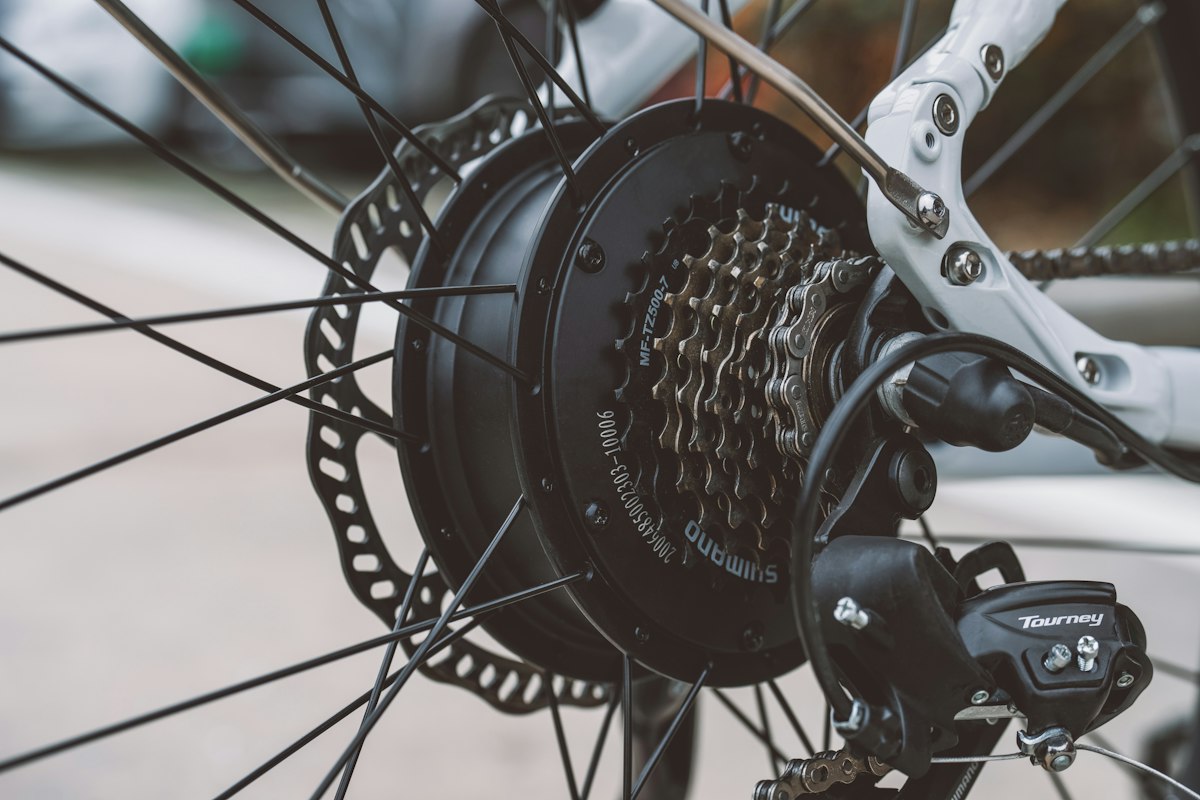
As steep neighborhood climbs put the powertrain through a rigorous test, combining a high torque rear hub motor with a sensitive torque sensor allows heavy riders to conquer challenging hills without stalling out. And the motor delivers immediate assistance as soon as pedal force is applied. It's a smooth response curve.
Speed options depend on local class regulations and shop configurations:
- Class 1: Up to 20 mph pedal assist
- Class 2: Up to 20 mph pedal assist plus twist throttle control
- Class 3 Ready: Up to 28 mph pedal assist at participating retail locations
They're hydraulic disc brakes. Stopping power relies on Tektro HD-E3520 units paired with a large 203mm front rotor and a 180mm rear rotor that deliver immediate, highly responsive stopping force under aggressive lever pressure. So, integrated power cut-off sensors cut motor drive the moment the brake levers are pulled, even when you're carrying heavy cargo downhill. It's safe.
Casual cruising feels completely natural. And on lower assist levels, it's the torque sensor that makes it happen. Meanwhile, the integrated bottom bracket sensor tracks both torque and cadence to deliver precise motor input, so you control your exact effort regardless of load or elevation changes.
A handlebar mounted color display provides clear metrics while riding, going beyond showing current speed and chosen assist level to feature a real time wattage chart on the screen. It's a visual graph. And it shows exactly how much electrical power the motor pulls during hard acceleration or steep climbs.
Everyday utility and component specifications
It's built for night safety. A 100 Lux headlight mounts directly to the handlebars up front to illuminate dark roads, while the rear taillight integrates into the frame structure to ensure consistent protection. They're equipped with an active brake light, running light mode, and integrated turn signals. And these features increase rider visibility during daytime trips across busy intersections, ensuring that you don't go unnoticed while you navigate through traffic. Ride safe.
The low-step frame geometry allows riders ranging from 5'1" to 6'1" to find a comfortable position with simple adjustments to seat height and handlebar angle.
The Pedego Element 2 utilizes standard bicycle components that simplify routine maintenance over the lifespan of the frame, so any local bike shop can perform routine chain adjustments or hydraulic brake tunes. No proprietary tools needed. And having physical retail stores located across the country provides extra post-purchase support for riders who prefer professional mechanical service over doing maintenance in their own garage, ensuring they’re always ready to ride. It’s easy.
Frame and battery hardware
Constructed from 6061 aluminum alloy, the frame balances structural durability with daily utility, while standard aluminum front and rear fenders are included to block road spray. The bike weighs 68.3 lbs without the battery pack, but it's 77 lbs total when the battery is locked into the downtube. Max payload is 440 lbs. So it allows heavy riders and full cargo setups.
Powertrain and electronic details
The electrical drive system runs on a 48V architecture capable of sustained high torque output across all assist modes.
- Motor: 48V, 750W producing up to 90Nm of torque
- Battery Pack: 48V 17.4Ah (835Wh) using LG 21700 cells, weighing 8.7 lbs
- Certifications: UL2271 certified pack with UL2580 certified internal cells
- Controller: 48V 25A PedalSense Sinewave controller with Field Oriented Control
- Estimated Range: Up to 81 miles per charge under optimal conditions
- Colorways: Warm Sand, Marsala, Dark Shadow
It's a competitive entry point. And lower pricing allows commuters to get heavy utility power without sacrificing build quality, offering a solid platform for daily errands, beach runs, and heavy grocery hauls.
Frequently Asked Questions
What is the retail price of the Pedego Element 2, and why was this price point chosen?
The Pedego Element 2 has a retail price of 2,195 dollars. This price point was set to remain competitive against direct-to-consumer offerings while serving daily commuters and utility riders seeking a more affordable option.
How difficult is the assembly process for a new Pedego Element 2 owner?
Unboxing and assembly are straightforward and do not require advanced mechanical skills. The process involves attaching the pedals, mounting the handlebars to the stem, and tightening a few basic hardware pieces to get the bike street ready.
What cargo capabilities does the Pedego Element 2 offer for daily errands?
The bike features a heavy-duty rear rack that supports 100 lbs using the MIK HD standard. Riders can add a pair of panniers to transform the bike into a capable cargo hauler that remains stable under load, even when navigating steep hills.
Who can comfortably ride the Pedego Element 2, and how is the fit adjusted?
The low-step frame geometry is designed to accommodate a wide variety of rider heights, specifically ranging from 5'1" to 6'1". Riders can achieve a comfortable position through simple adjustments to the seat height and handlebar angle.
What safety features are integrated into the lighting system of the Pedego Element 2?
The bike includes a 100 Lux headlight mounted to the handlebars and a rear taillight integrated into the frame structure. These lights provide an active brake light, a running light mode, and integrated turn signals to help ensure visibility in traffic.

Clara Rossi covers the motoring world, with a focus on electric vehicles, design and the shift toward cleaner transport. She tests the latest models and explains what matters to drivers beyond the spec sheet.
💬 Comments (0)
No comments yet. Be the first!