JLR to Build Defender truck in United States
JLR and Stellantis explore a joint venture to build a Defender truck in Michigan, leveraging excess U.S. plant capacity.
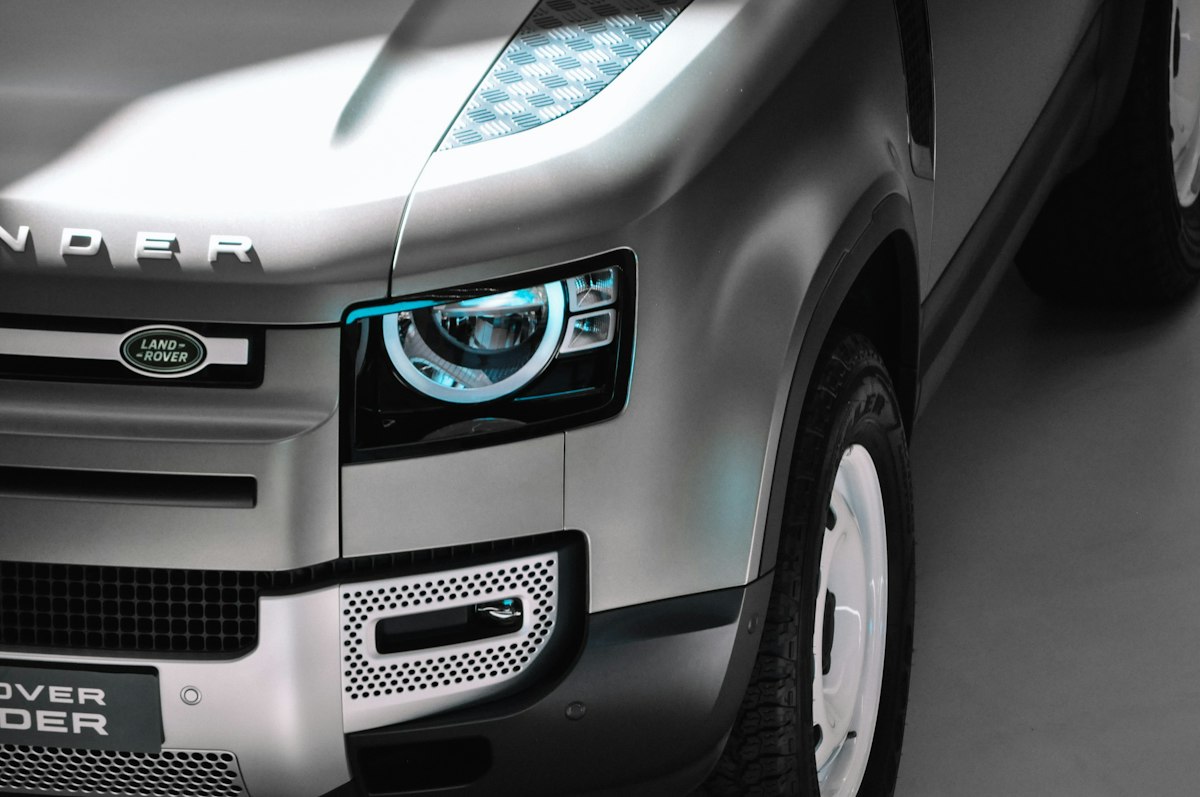
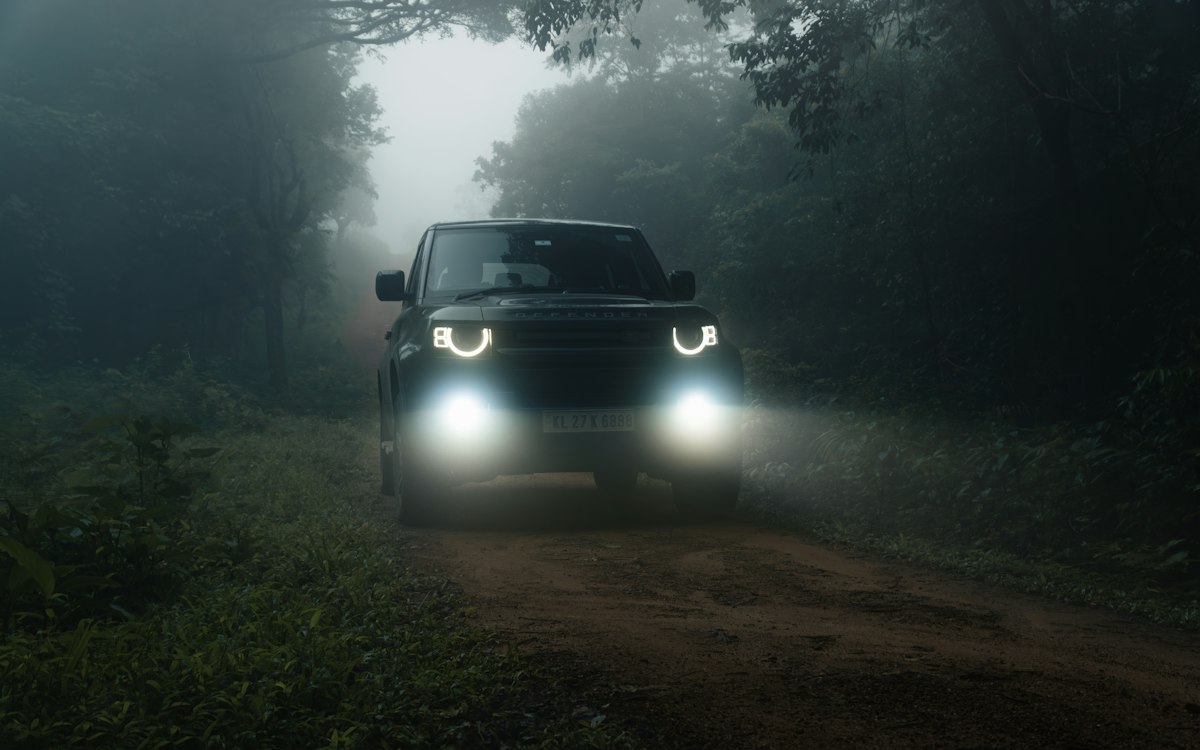
Defender truck production in the United States could soon become a reality. Jaguar Land Rover wants in on the highly lucrative American pickup market. This strategic move is taking shape through a potential joint venture currently being negotiated with Stellantis. Facing a domestic pickup segment valued at an estimated 80 billion dollars, the British automaker is searching for a viable path to establish a local manufacturing footprint. It's a major push under Jaguar Land Rover boss PB Balaji. He's already implemented aggressive cost cutting measures. That includes the elimination of 4,000 jobs. Establishing local production would allow the company to bypass highly volatile trade barriers that currently complicate its global shipping logistics. And they're serious about it.
Building vehicles abroad is expensive. It's a real problem. The current Defender is assembled in Slovakia, which leaves it exposed to the unpredictable shifts of European Union trade agreements that nobody can fully forecast. A localized manufacturing strategy removes this vulnerability entirely. So the company can avoid steep import tariffs by shifting assembly to US soil, tariffs that historically protect the domestic truck market. This logistical challenge is driving the search. They're looking for a North American manufacturing partner. It needs active factory space.
Stellantis offers a lifeline in Michigan
The search for manufacturing space leads straight to Stellantis. It's a company drowning in underused factory capacity. Earlier this year, Stellantis CEO Antonio Filosa pointed out that new trade conditions make the company's installed capacity highly attractive to competitors and potential partners, a claim that lands with real weight given how much empty assembly line space the automaker is sitting on. Stellantis has more assembly line space than its current vehicle sales can occupy. And tariffs are forcing rival manufacturers to seek partnerships with companies that already possess established domestic factories.
This arrangement centers on the Warren, Michigan assembly plant. It builds the Grand Wagoneer. That SUV sells slowly. Using this facility would give Stellantis a much needed financial lifeline for a factory that's underperforming right now. For Jaguar Land Rover, it provides an immediate production solution without the massive capital expenditure required to build a new factory from scratch. And analysts at S&P Global Mobility view this as a highly positive direction. They say it'll likely yield a dedicated Defender brand product.
Designing a truck for American tastes
US buyers want specific things. They expect certain dimensions and capabilities from their utility vehicles. So to satisfy these local preferences, the partnership is expected to yield a larger vehicle, likely designated as a Defender "150" model, which would share a platform with the vehicle destined to replace the Grand Wagoneer. It's the logical route. Utilizing a shared platform is the most logical route to control development costs while ensuring the vehicle has the footprint required to compete in North America. They're not wrong. And we've seen this before.
Size isn't everything. The physical scale of the vehicle is only part of the equation, because a shared platform allows both companies to maximize manufacturing efficiency at the Michigan facility, and it also ensures the new vehicle rides on a architecture designed specifically for the weight and towing demands of the American market. And that's what matters.
Why Jeep and Land Rover can coexist
At first glance, it's counterintuitive. Partnering with a direct off-road competitor like Jeep seems like a strange move for any brand to make. But the two brands rarely compete for the exact same buyers in the real world, and consumers don't typically cross-shop a rugged, utilitarian Wrangler with a highly premium Range Rover. The market segments are distinct. So cooperation benefits both parent companies without cannibalizing existing sales.
Through this partnership, both companies address critical gaps in their current business models:
- Land Rover gains immediate access to a highly profitable US pickup segment without building a new factory.
- Stellantis fills idle assembly line capacity at its Warren, Michigan plant.
- Both manufacturers split the massive development costs of a shared platform.
- The partnership bypasses costly import tariffs on European-built utility vehicles.
The new trade condition makes our installed capacity very attractive to many other competitors or potential partners.
; Antonio Filosa, Stellantis CEO
The arrangement allows Land Rover to secure a body style it currently lacks in its portfolio. Meanwhile, Stellantis stabilizes a vulnerable American factory. It is a pragmatic alliance born of modern trade realities.
The complicated powertrain puzzle
Engine selection is where the proposal becomes highly complex. The US market version of the Defender has previously relied on the older supercharged Jaguar Land Rover V8 engine, as well as a newer V8 sourced from BMW. Importing these engines from European facilities would completely undermine the tariff avoidance strategy that motivates the entire project. While the BMW engine is assembled within the United States, it still relies heavily on imported European components.
A shared V8 solution
A cleaner, more cost-effective solution exists. It's the joint development of a new V8 engine. This powertrain would be based on the architecture of the current Hemi engine, and sharing these engineering costs makes perfect sense at a time when V8 engines are experiencing a modest sales comeback among truck buyers. And it protects both companies. They're shielded against unpredictable regulatory shifts in the future.
The final details aren't resolved. For now, Jaguar Land Rover has confirmed that only a memorandum of understanding has been signed with Stellantis, which means that although the two companies have agreed in principle to explore this engine strategy together, nothing binding has actually been committed to on either side. These are early days. Final production plans haven't been locked in. But the economic pressure of import tariffs and idle factory capacity makes this joint venture a highly logical path forward for both automakers.
Frequently Asked Questions
What is Jaguar Land Rover planning regarding Defender truck production in the United States?
Jaguar Land Rover wants to enter the highly lucrative American pickup market. This move is taking shape through a potential joint venture currently being negotiated with Stellantis. The company is searching for a viable path to establish a local manufacturing footprint.
Why is Jaguar Land Rover seeking local production for the Defender truck instead of continuing to build it abroad?
Building vehicles abroad is expensive and leaves the current Defender, assembled in Slovakia, exposed to unpredictable shifts in European Union trade agreements. A localized manufacturing strategy removes this vulnerability entirely, allowing the company to avoid steep import tariffs by shifting assembly to US soil. These tariffs historically protect the domestic truck market.
How would the proposed partnership with Stellantis address the manufacturing needs of both companies?
The arrangement centers on the Warren, Michigan assembly plant, which builds the slow-selling Grand Wagoneer. Using this facility would give Stellantis a much-needed financial lifeline for an underperforming factory, while providing Jaguar Land Rover an immediate production solution without massive capital expenditure to build a new factory from scratch.
What kind of vehicle is expected to result from this partnership to satisfy American buyers?
The partnership is expected to yield a larger vehicle, likely designated as a Defender "150" model, which would share a platform with the vehicle destined to replace the Grand Wagoneer. This shared platform controls development costs while ensuring the vehicle has the footprint required to compete in North America.
Who are the key figures and what is the current status of the agreement between Jaguar Land Rover and Stellantis?
Jaguar Land Rover boss PB Balaji has implemented aggressive cost-cutting measures, including the elimination of 4,000 jobs. Stellantis CEO Antonio Filosa pointed out that new trade conditions make the company's installed capacity highly attractive to competitors and potential partners. For now, Jaguar Land Rover has confirmed that only a memorandum of understanding has been signed with Stellantis, meaning nothing binding has actually been committed to on either side.

Clara Rossi covers the motoring world, with a focus on electric vehicles, design and the shift toward cleaner transport. She tests the latest models and explains what matters to drivers beyond the spec sheet.
💬 Comments (0)
No comments yet. Be the first!