2026 Hyundai Ioniq 5: What We Still Like, What Annoys Us
2026 Hyundai Ioniq 5 review: the 84 kWh AWD Limited still charms with 800 V charging, but touch climate controls and ICCU worries linger.
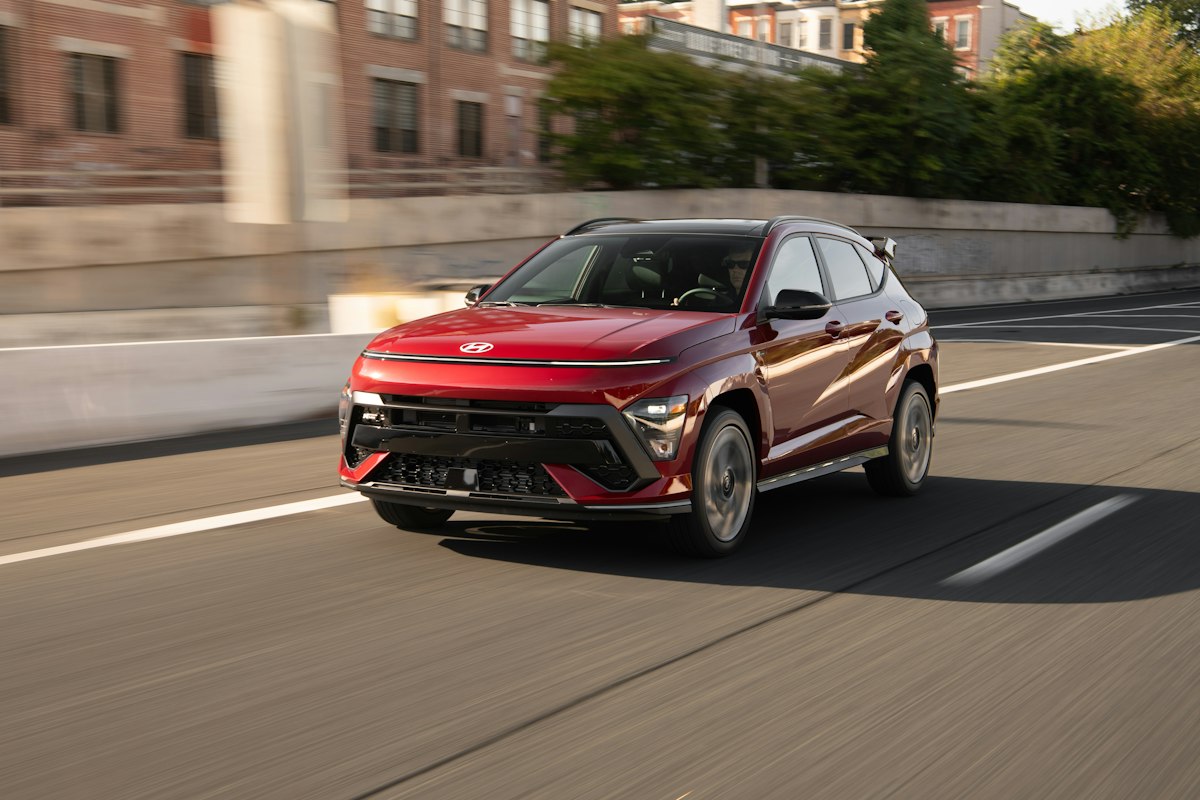
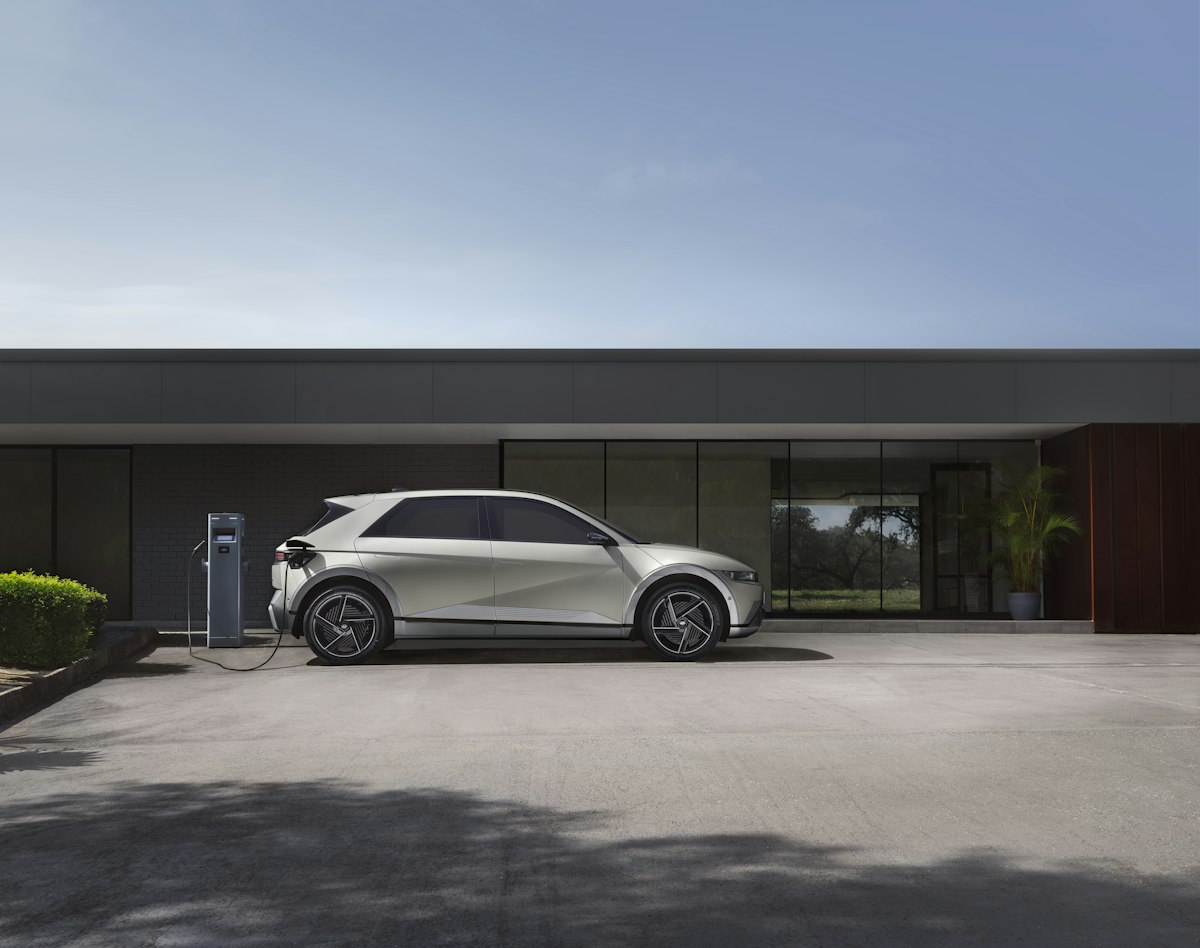
The 2026 Hyundai Ioniq 5 still turns heads. Five years after it first arrived, that matters. And it's not nothing in a segment that has grown crowded with competitors. When the angular crossover debuted at the end of 2021, its 800 V architecture was a genuine shock, because back then that kind of voltage was reserved for high-end EVs from Porsche, yet here was a mainstream model with the same technology, and it could charge even faster. From 10 to 80 percent took just 18 minutes on a proper charger.
The retro styling helped too. The boxy profile nodded to hatches styled by Giorgetto Giugiaro in the 1970s and 1980s, and it gave the 2026 Hyundai Ioniq 5 a visual identity that refuses to blend into the crossover herd. But five years is an eternity in the car business. The compact electric crossover segment is far more competitive than it was when this thing launched, so the question becomes whether the refreshed model still stacks up.
What the 2026 Refresh Brings
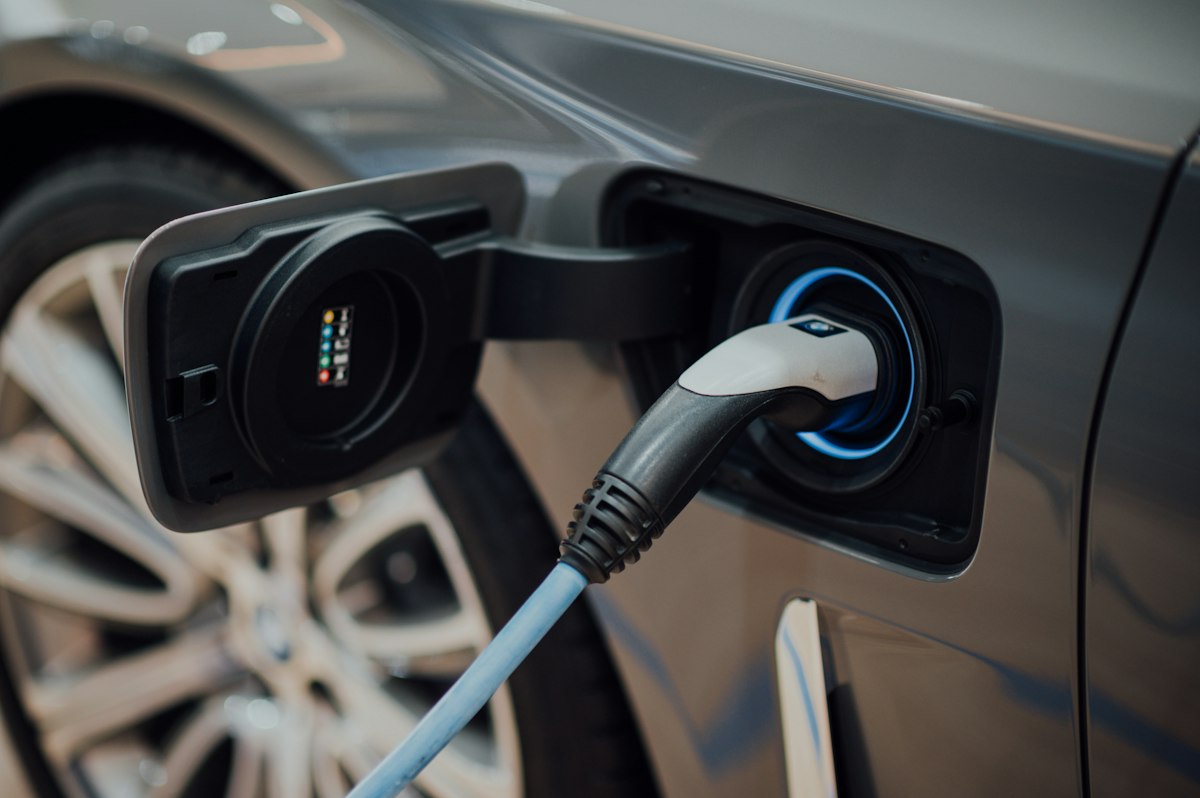
The lifecycle refresh landed in early 2025. It brought real changes. The most consequential was the swap from a CCS1 charge port to a NACS (J3400) port, and that single change, which sounds like a small piece of hardware trivia, actually opens up Tesla Superchargers alongside networks like IONNA and Electrify America. A rear windshield wiper also arrived. That was sorely needed at launch. And it should've been there from day one.
Pricing starts at $35,000. The standard range model costs that much. The range-topping AWD Limited tested here starts at $45,075, and if you add $3,900 for the front electric motor, you get a combined output of 320 hp and 446 lb-ft of torque, which is a lot for this class. The 84 kWh battery pack comes with the refresh. The Ultimate Red paint is a $500 option. But it's easy to skip, and honestly, we've seen better colors.
Range Versus Traction
All-wheel drive sounds appealing until you look at the efficiency numbers. The AWD version carries an EPA range of 269 miles. The rear-wheel drive variant manages 318 miles. That is a 49 mile gap, and it means more time at charging stops on road trips or for anyone relying on public fast chargers.
Efficiency tells a similar story. Single-motor Ioniq 5s should easily hit 4 miles per kWh or more. But with both axles powered, even in Eco mode, you're looking at closer to 3.4 miles per kWh. That is not bad for an all-wheel drive EV on big wheels, especially when you consider how much mass and grip that setup brings to every single mile, but it is a real tradeoff.
Charging speed remains a strength. The native NACS port means access to Tesla Superchargers. But most of those locations are older V3 units, and their cables are short and awkward with non-Tesla EVs, and they top out at 250 kW, which isn't the fastest experience you'll find on a road trip. A 350 kW charger from Electrify America or a 400 kW unit from IONNA will deliver faster results. Peak draw from an 800 V charger should land around 265 kW. That's why the 20 minute charge time from 10 to 80 percent is realistic on the right equipment. A 240 V level 2 AC charger takes 7 hours and 20 minutes to go from 10 to 100 percent.
Likes and Gripes From the Cabin
The blind spot view monitor is one of the Limited trim's best features. Cameras embedded in the wing mirrors show a live view of the relevant blind spot when you use a turn signal, which is a clever trick. It's not a necessity. But it makes checking for traffic in protected bike lanes far easier. The cockpit itself is mostly good, and rear legroom remains generous. The cargo area is as spacious as the rear seat.
But the climate controls are a genuine annoyance. The touch-sensitive panel below the air vents has weak backlighting that disappears in bright sunlight, and because it is touch-sensitive, muscle memory never develops, and it also attracts dust in a way that is visible in photographs. It's a mess.
The Ioniq 5's biggest problem is the potential specter of an Integrated Charging Controller Unit failure.
The ICCU Cloud
The ICCU lets the 800 V traction battery charge the 12 V accessories battery. If the metal-oxide semiconductor field-effect transistor inside the unit faces an overvoltage at the start or end of a charging cycle, or gets too hot during charging or driving, it can fail, and that failure can leave a car unable to keep moving. Cars have rolled to a stop. On the highway. So it's a real risk. We've seen it happen.
Hyundai issued a recall in December 2024. Back then, it said 1 percent of vehicles were likely affected. But Consumer Reports survey data suggests the incidence is between 2 and 10 percent for EVs using the E-GMP platform, which includes the Ioniq 5. Hyundai USA recently increased the warranty on the ICCU to 15 years or 180,000 miles, so any affected car will be covered for most of its lifespan. Anecdotally, none of the Ioniq 5 or related E-GMP EV owners this reviewer knows have suffered an ICCU failure. But eight individuals is too small a sample size. That's the catch. The problem may only occur in 2 percent of cars.
Which Version Makes Sense
The rugged XRT is the most expensive Ioniq 5 variant other than the 5 N. It costs $46,275. It features lifted suspension and beefy bodywork meant to protect it off-road, and you give up another 10 miles of range compared to the AWD Limited, which will rule it out for more rational buyers who can't look past the numbers. But the softer suspension copes well with potholes and road construction. The protective cladding works as well in a Costco parking lot as it does around rocks.
But for a personal purchase, rear-wheel drive is the smarter call. The extra range matters. And winter tires handle cold and ice, so that's a point in their favor. The SEL at $39,800 covers most of the equipment found in the Limited, which is exactly why it's the trim I'd pick if I were spending my own money on a 2026 Hyundai Ioniq 5. The blind spot camera and better headlights are nice. But the panoramic glass roof isn't worth the splurge. The 2026 Hyundai Ioniq 5 remains a compelling electric crossover, flaws and all.
Frequently Asked Questions
What change did the 2026 refresh bring to the Hyundai Ioniq 5's charging port, and why does it matter?
The refresh swapped the CCS1 charge port for a NACS (J3400) port. This change opens up Tesla Superchargers alongside networks like IONNA and Electrify America.
How does the range of the all-wheel drive 2026 Hyundai Ioniq 5 compare to the rear-wheel drive version?
The AWD version has an EPA range of 269 miles, while the RWD variant manages 318 miles. That is a 49-mile gap, meaning more time at charging stops for AWD owners.
What is the Integrated Charging Controller Unit (ICCU) issue mentioned in the article, and what has Hyundai done about it?
The ICCU can fail if its MOSFET faces overvoltage or gets too hot, potentially leaving the car unable to move. Hyundai issued a recall in December 2024 and recently increased the ICCU warranty to 15 years or 180,000 miles.
Which trim of the 2026 Hyundai Ioniq 5 does the reviewer recommend for a personal purchase, and why?
The reviewer recommends the SEL at $39,800 because it covers most of the equipment found in the Limited. The extra range of rear-wheel drive also matters, and the SEL is the trim they'd pick with their own money.
What are the main annoyances with the 2026 Hyundai Ioniq 5's climate controls according to the article?
The touch-sensitive panel below the air vents has weak backlighting that disappears in bright sunlight, and because it is touch-sensitive, muscle memory never develops. It also attracts dust in a way that is visible in photographs.

Sebastian Wolf reports on the car industry, from performance machines to the engineering that powers them. He is fascinated by how manufacturers balance tradition with the rapid move to electrification.
💬 Comments (0)
No comments yet. Be the first!