Inside the Wabtec FLXDrive electric locomotive
BHP is testing the 4,400 hp Wabtec FLXDrive electric locomotive at its Jimblebar iron ore mine in Australia.
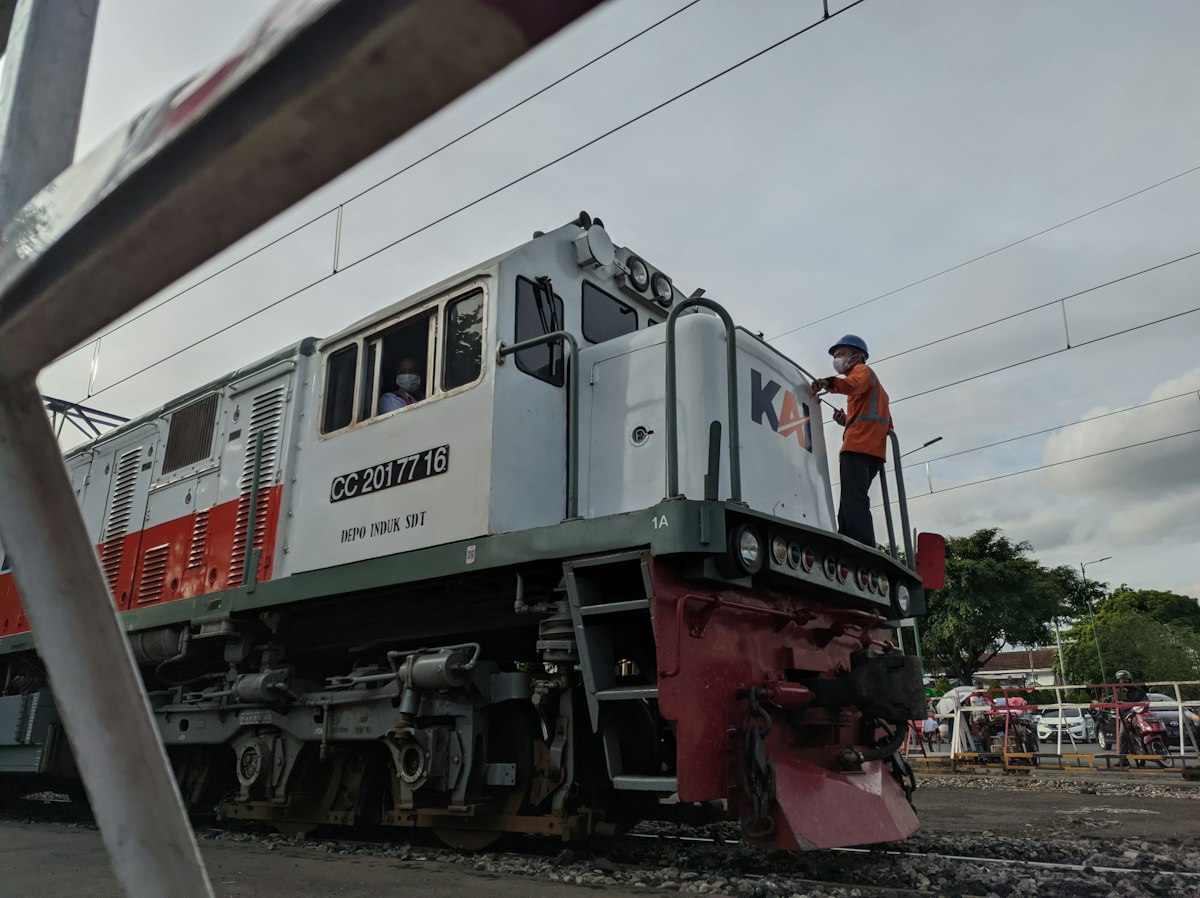
The Wabtec FLXDrive electric locomotive has officially entered its trial phase. It's now operating in one of the most punishing industrial environments on earth, the kind of place where machines and men get tested every single day. At the Jimblebar iron ore mine in Western Australia, two of these massive battery-powered heavy-haul haulers are now working the rail lines. This is the Pilbara region. Rugged doesn't begin to describe it. And these machines mark a major shift in how heavy industry approaches mass transportation, because instead of relying solely on traditional diesel power, these units utilize battery storage to move thousands of tonnes of mined material. They don't run on diesel alone.
For nearly a year, the trial has quietly progressed at the Jimblebar site. It's a grueling testing ground. Temperatures soar. The loads are incredibly heavy. Heavy-haul rail has long been a difficult sector to clean up because the energy requirements to move massive trains are immense, and that's a problem the industry hasn't solved. But the initial performance of these units indicates that battery-powered heavy-haul locomotives are finally ready for mainstream industrial use. It's a major step forward for freight operations that have long relied on fossil fuels.
Heavy haulers get massive battery packs
Moving trains loaded with tonnes of iron ore takes power. A lot of it. The Wabtec FLXDrive electric locomotive delivers exactly that, sporting a system rated at 4,400 horsepower, which is the kind of figure that makes you stop and think about what it actually takes to haul that much weight across a rail network. But the real story isn't just the power output. It's how that power is stored and managed.
Let us break this down.
While standard modern locomotives use electric drive motors, those motors are almost always energized by an onboard diesel generator. The FLXDrive changes this setup entirely by relying on electricity stored in a massive onboard battery pack. Each locomotive carries a battery with a capacity of 7 megawatt-hours. To put that in perspective, this is a pack designed specifically to handle the immense tractive effort required to pull heavy ore cars across long distances.
This massive
The Wabtec FLXDrive electric locomotive is operating at the Jimblebar iron ore mine in Western Australia, in the Pilbara region. Two of these battery-powered heavy-haul haulers are now working the rail lines there. While standard modern locomotives use electric drive motors energized by an onboard diesel generator, the FLXDrive relies on electricity stored in a massive onboard battery pack. This changes the setup entirely by not relying solely on traditional diesel power. The Wabtec FLXDrive electric locomotive has a system rated at 4,400 horsepower. Each locomotive carries a battery with a capacity of 7 megawatt-hours, designed to handle the immense tractive effort required to pull heavy ore cars across long distances. Heavy-haul rail has long been a difficult sector to clean up because the energy requirements to move massive trains are immense. This is a problem the industry hasn't solved, but the initial performance of these units indicates battery-powered heavy-haul locomotives are finally ready for mainstream industrial use. For nearly a year, the trial has quietly progressed at the Jimblebar site. It is described as a grueling testing ground where temperatures soar and the loads are incredibly heavy.Frequently Asked Questions
Where is the Wabtec FLXDrive electric locomotive currently operating in its trial phase?
How does the FLXDrive's power setup differ from standard modern locomotives?
What is the power rating and battery capacity of the Wabtec FLXDrive electric locomotive?
Why has heavy-haul rail been a difficult sector to clean up, according to the article?
How long has the trial of the FLXDrive been progressing at the Jimblebar site?

Sebastian Wolf reports on the car industry, from performance machines to the engineering that powers them. He is fascinated by how manufacturers balance tradition with the rapid move to electrification.
💬 Comments (0)
No comments yet. Be the first!