New Altus Power solar projects in Virginia
Altus Power solar projects in Virginia will deliver 32 MW of clean power to approximately 5,000 homes under APCo.
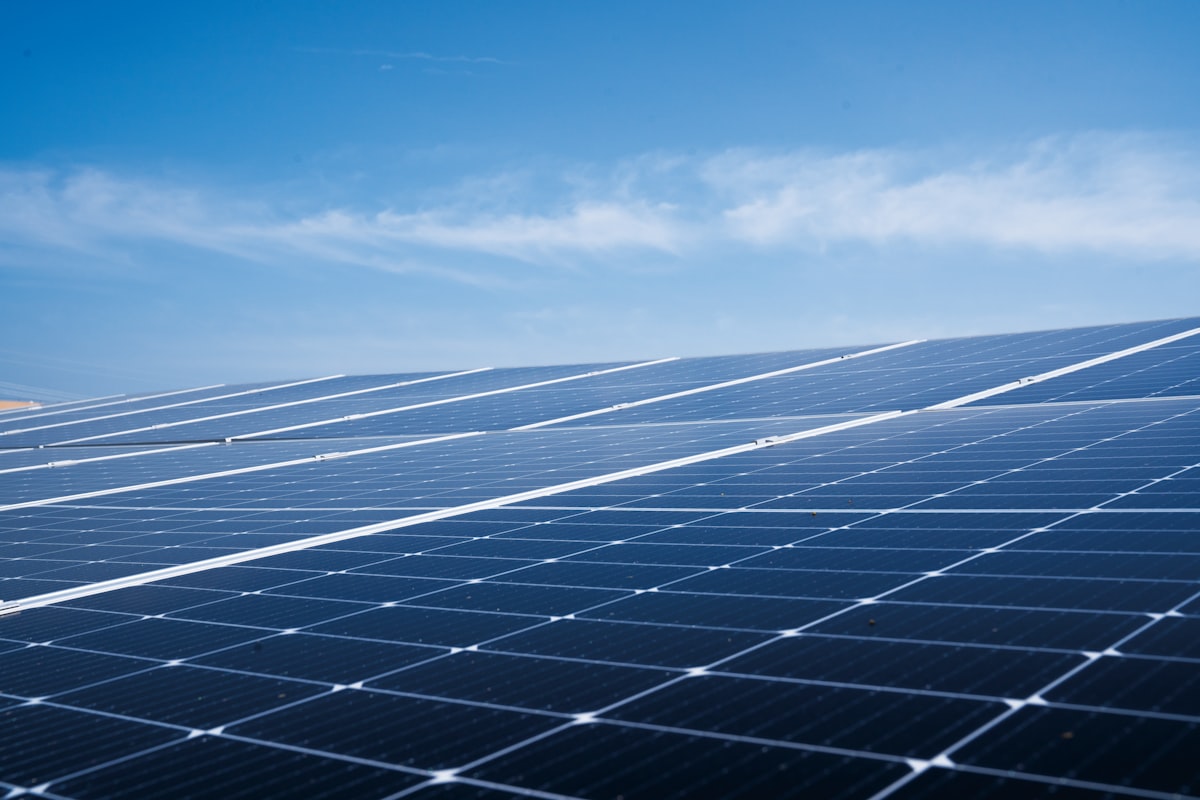
Altus Power is expanding. It's entering a new market through a fresh collaboration aimed at delivering clean energy to thousands of households in Virginia, and the Stamford, Connecticut based commercial-scale power company has acquired five community solar projects currently under development in the state from New Leaf Energy. This 32 megawatt portfolio is designed to operate under the shared solar program of Appalachian Power Company, which is also known as APCo. So this move marks the first time the two development partners have joined forces to build out clean energy assets together.
Altus Power's new ground-mounted installations are positioned to deliver direct utility bill savings to roughly 5,000 homes. This relief comes at a critical time for local consumers, as traditional power prices continue rising across the region, and it's a welcome change. So, by participating in the local shared solar framework, these projects will generate bill credits for eligible households and enterprises. That's it.
Five clean energy projects head to Virginia
The five community solar installations mark a major geographic expansion for the Connecticut power company. So they're entering Virginia, a market with specific regulatory structures designed to scale up local power generation. But it's a big move. The 32 megawatt portfolio will focus entirely on serving customers within the APCo service territory, and that's where the real opportunity lies for scaling clean energy in a region that's hungry for it.
Community solar is a decentralized power model. It lets residents access clean energy without installing panels on their own roofs, and that’s a huge shift for renters and homeowners alike. So subscribers get discounts directly on their monthly utility bills instead. But this specific acquisition will help transition underutilized land into productive clean energy assets that feed directly into the local grid, making clean energy accessible no matter their income bracket.
How shared solar protects local ratepayers
The state has established specific frameworks to shield consumers from volatile energy markets. But it doesn't stop there. State officials designed these programs to encourage incremental clean power generation while keeping costs predictable, a careful balance that protects ratepayers from sudden spikes and ensures steady progress. Representatives from the acquiring company point out that the state commitment to ratepayer protection is a primary driver for this new investment.

"Virginia has made a clear commitment to protecting ratepayers from rising electricity costs through the expansion of clean, incremental power and this program is a key part of that vision. We are excited to be partnering with New Leaf Energy to help bring it to life, combining our strengths to successfully navigate a new market and deliver real savings to households and businesses across the state." Abhi Parmar, Chief Investment Officer, Altus Power
Close coordination between developers and long-term asset owners is required to navigate these legislative frameworks. So they've done it for the first time. This partnership is designed to combine development expertise with long-term operational capabilities, and the transaction represents the first time both companies have pooled their resources to execute a portfolio transfer in Virginia.
Portfolio details and expected reach
- Total portfolio capacity of 32 megawatts
- Target audience of approximately 5,000 local homes
- Five distinct ground-mounted project sites
- Utility partner integration with Appalachian Power Company
- Direct savings delivered through monthly solar bill credits
A partnership built on rapid scaling
The collaboration highlights how developer partnerships can accelerate construction timelines in emerging markets.
Kate Vann is proud. As Senior Director and Head of Mergers and Acquisitions at New Leaf Energy, she noted how this partnership proves that community solar can scale fast when strong development and execution come together. But it's more than just speed. The transaction helps expand clean, affordable energy options for communities across the Commonwealth, and that's a win we can't ignore.
Unlocking new pathways for community energy
Altus Power solar projects are part of a larger national network. It's a system that currently serves more than 40,000 subscribers. The company owns and operates more than 1.4 gigawatts of solar generation assets across 30 states and the District of Columbia. So the business model focuses on building generation assets close to where electricity demand is highest, which helps reduce transmission losses and improves grid resilience.
But that framing misses the operational challenge of entering a new state. It's a real grind. Each utility territory has its own billing systems, connection rules, and subscriber management guidelines, so establishing these five Altus Power solar projects requires building new operational pathways from scratch to ensure billing credits flow correctly to subscribers.
Skylar Werde, Head of Community Solar at the acquiring firm, stressed the importance of setting up these systems correctly. But it's not just about that. Werde said the company is proud to help shape a new shared solar program that puts affordability front and center for customers, and the goal is to unlock new pathways by working alongside partners to open new markets and ensure more households can benefit from locally generated, lower cost clean energy.
Frequently Asked Questions
What are the key details of the Altus Power solar projects in Virginia?
Altus Power acquired five community solar projects from New Leaf Energy, totaling 32 megawatts. These ground-mounted installations are designed to serve roughly 5,000 homes under the Appalachian Power Company's shared solar program.
Why is Altus Power entering the Virginia market with these projects?
Altus Power is entering Virginia because the state has a clear commitment to protecting ratepayers from rising electricity costs through clean, incremental power expansion. The shared solar framework allows the company to deliver bill credits and savings to households.
How do these Altus Power solar projects benefit local residents?
Residents receive direct utility bill savings through monthly solar bill credits, without needing to install panels on their own roofs. This makes clean energy accessible to both renters and homeowners, regardless of income.
Who are the key partners involved in these Altus Power solar projects?
Altus Power partnered with New Leaf Energy, which managed the early development phases before transferring the projects for long-term ownership. The utility partner is Appalachian Power Company (APCo), which operates the shared solar program.
How does the partnership between Altus Power and New Leaf Energy accelerate project development?
New Leaf Energy handled local permitting and land acquisition during early development, while Altus Power focuses on long-term grid integration and ownership. This division of labor allows community solar to scale quickly in emerging markets like Virginia.

Sebastian Wolf reports on the car industry, from performance machines to the engineering that powers them. He is fascinated by how manufacturers balance tradition with the rapid move to electrification.
💬 Comments (0)
No comments yet. Be the first!