SecNumCloud's Blind Spot: What Buyers Must Know
SecNumCloud's blind spot: Europe's sovereign clouds ignore the Intel ME and AMD PSP, leaving a backdoor US law could exploit.

SecNumCloud's blind spot sits beneath every certified cloud you are evaluating right now. If you bought a SecNumCloud service thinking you were legally walled off from U.S. data grabs, I have news: the silicon does not care.
Europe's Ironclad Promise Meets Unseen Silicon
France's SecNumCloud framework packs nearly 1,200 technical requirements, includes Chapter 19 to block extraterritorial law, and promises “immunity from extraterritorial laws.” The EU is pumping more than €2 billion into sovereign cloud infrastructure through IPCEI-CIS. On paper, you get a clean break from U.S. jurisdiction. But as The Register uncovered, the certification stops at the processor socket.
What SecNumCloud Actually Certifies
- Nearly 1,200 technical requirements with zero direct assessment of firmware backdoors.
- Mandates EU-only operators, no foreign data access, and autonomous operation without external intervention.
- Does not look at the silicon layer ; Intel's Management Engine and AMD's Platform Security Processor are not in scope.
You might assume your provider’s audit checked the hardware for hidden U.S. law access. It didn’t. ANSSI’s director, Vincent Strubel, is blunt: SecNumCloud is “a cybersecurity tool, not an industrial policy tool.” It combats legal kill-switches, not silicon-level exposure. And that, in a nutshell, is SecNumCloud's blind spot.
The Computer You Can’t See (Or Disable)
“It’s a computer inside your computer.” ; John Goodacre, professor of computer architectures
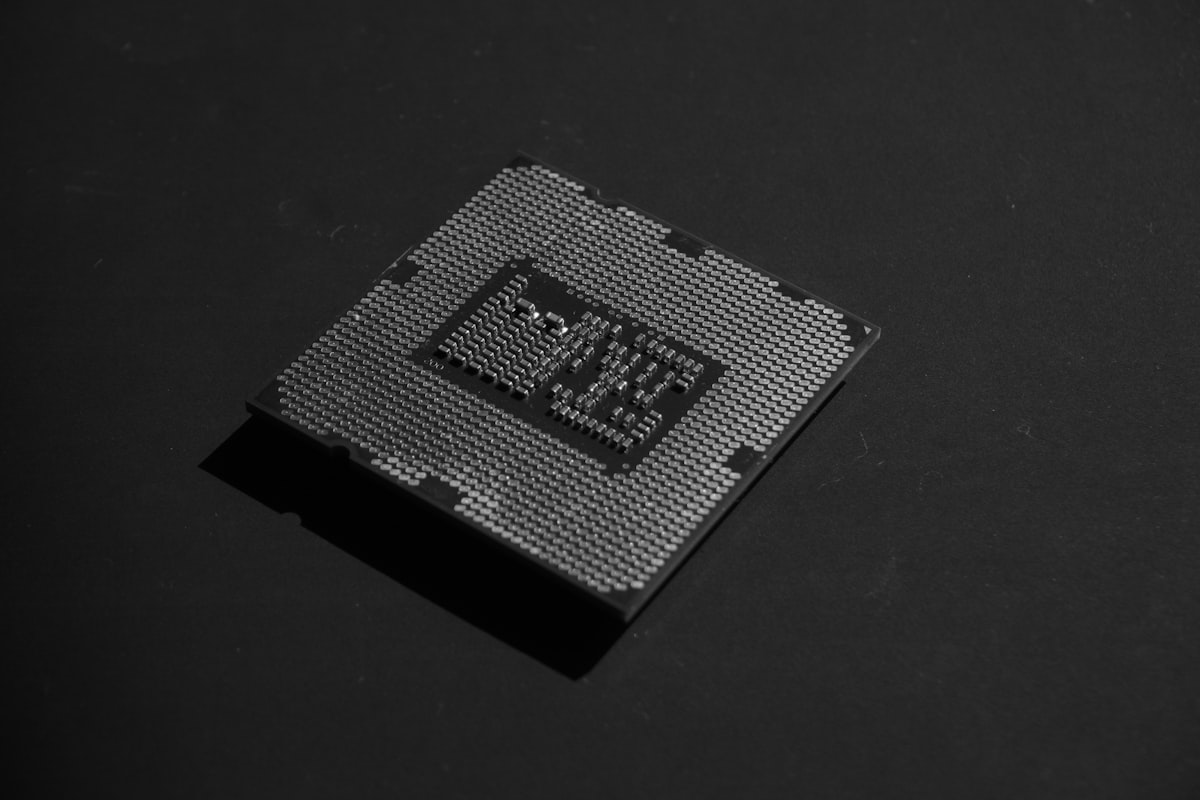
They're at Ring -3. Intel's Management Engine (CSME) and AMD's Platform Security Processor have their own memory and network stack, and they can share your host's IP and MAC addresses, making any traffic indistinguishable from legitimate workloads. But Goodacre's 37-page risk assessment warns that connecting an unsecured ME device to corporate resources “exposes the organization to a class of compromise that defeats the host security stack in its entirety.”
And when your server is “off,” the ME isn’t. In Modern Standby, the chip still draws power; a tampered firmware could latch onto a hostile network without any OS log. Goodacre notes you cannot infer security from the visible power state. That’s a supply-chain risk that SecNumCloud’s certification does not address.
How U.S. Law Turns Hardware Into a Legal Backdoor
“There is no direct requirement for firmware backdoor prevention.” , Aurélien Francillon, EURECOM security researcher and cloud security working group member
The CLOUD Act and FISA Section 702 are known threats. But fewer IT buyers realize that RISAA 2024 redefines hardware manufacturers as “electronic communications service providers.” Intel and AMD can receive secret government orders with gag clauses, compelling cooperation through the very management engines Europe’s frameworks ignore. The mechanism exists, regardless of your cloud provider’s legal shields.
Fabricked, a software-only attack demonstrated in 2026, cracked AMD's SEV-SNP confidential computing with a 100% success rate, ANSSI's own technical paper says SGX, TDX, and SEV-SNP aren't sufficient for sovereignty on their own, and supply chain attackers are explicitly out of scope. SecNumCloud's blind spot isn't theoretical. And it sits in the processor you can't audit.
So What Does This Mean for Your Purchase?
“SecNumCloud is a cybersecurity tool, not an industrial policy tool.” — Vincent Strubel, ANSSI director
First, do not panic. Professor Francillon argues that operational controls ; network isolation, admin gateway monitoring, proper threat modeling , can make the ME unreachable in practice, like a locked door inside a castle. He’s right that SecNumCloud still delivers real protection against front-door legal grabs. But you are buying a promise. And that promise didn’t check the floorboards.
When your next renewal or RFP lands, ask the hard question: “What steps have you taken to reduce exposure from Intel ME or AMD PSP?” If the answer is silence or deflection to OpenTitan ; which is a secure element, not a processor replacement , you now know what you are not being told. SecNumCloud's blind spot may be manageable today. It won’t be manageable if RISAA is renewed and exploited through supply chains. Ask now. The silicon gap will not close until European processors hit the datacenter floor. Until then, track the legislation and your hardware configuration, not just the certification badge.
Frequently Asked Questions About SecNumCloud's Blind Spot
What exactly is SecNumCloud's blind spot?
SecNumCloud's blind spot refers to the certification's failure to assess the Intel Management Engine and AMD Platform Security Processor, which are proprietary firmware components that operate independently of the host system and could be exploited under U.S. law.
Does SecNumCloud certification guarantee immunity from U.S. law?
No. While SecNumCloud includes legal protections against extraterritorial law, the hardware layer remains unexamined, meaning U.S. law like the CLOUD Act could still compel Intel or AMD to cooperate via management engines.
What can buyers do to mitigate SecNumCloud's blind spot?
Buyers should ask providers about specific measures to reduce exposure from Intel ME and AMD PSP, such as network isolation, admin gateway monitoring, and threat modeling. They should also track legislation like RISAA and consider hardware configuration over certification alone.
Frequently Asked Questions
What is SecNumCloud's blind spot?
It's the lack of mandatory encryption for data in use, leaving sensitive information exposed during processing.
Why is this blind spot a concern for buyers?
Buyers may assume all data is fully protected, but in-memory data remains vulnerable to advanced attacks.
Does SecNumCloud cover encryption at rest and in transit?
Yes, it enforces strong encryption for data at rest and in transit, but not for data in use.
How can buyers mitigate this blind spot?
They should seek providers offering confidential computing or homomorphic encryption for in-use data.
Is SecNumCloud still a good certification despite this gap?
Yes, but buyers must supplement it with additional security measures for complete data protection.

Julian Sterling reports on enterprise IT, data infrastructure and the vendors that keep modern business running. He has a long-standing interest in how organisations modernise their systems without breaking what already works.
💬 Comments (0)
No comments yet. Be the first!