Apple's iPad mini OLED Shift for Work Capability
Apple's iPad mini OLED upgrade and A19 Pro chip transition the device from entertainment toward professional workloads.
iPad mini signals a new professional direction
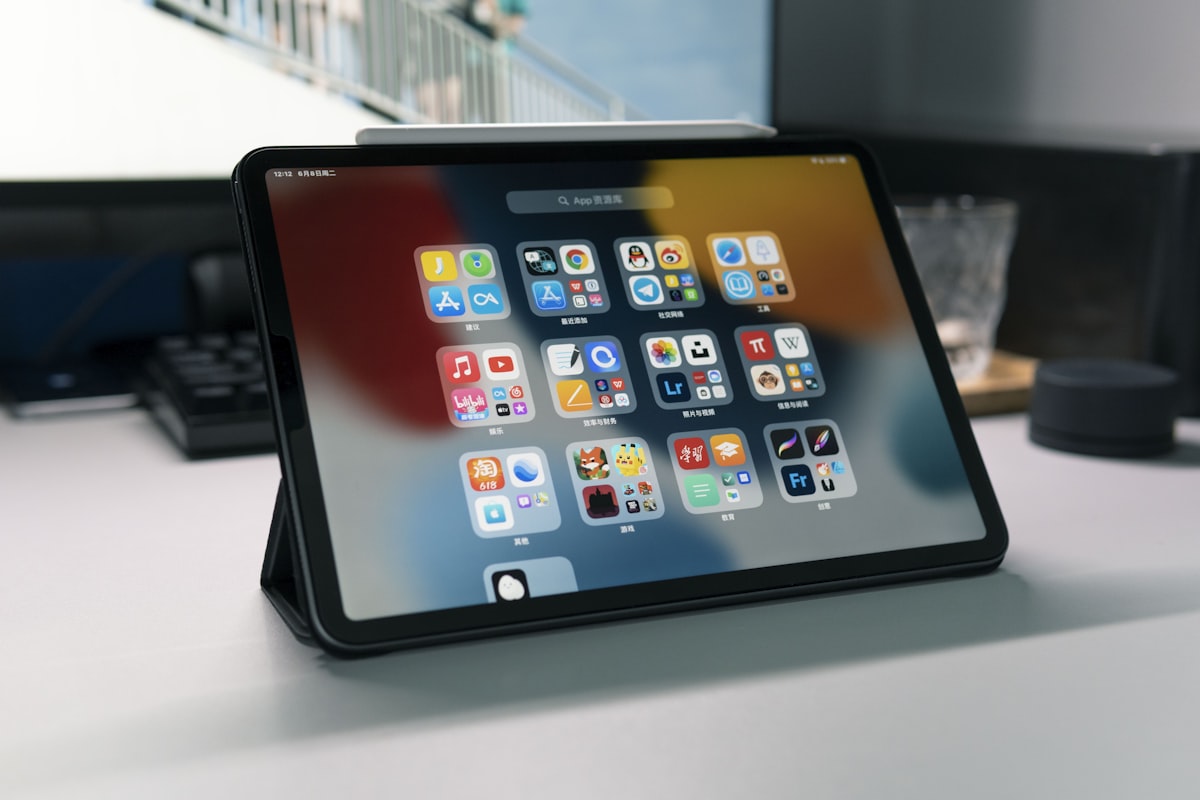
iPad mini models are preparing for a significant internal evolution. But they're integrating advanced display technology and a more sophisticated processing architecture, so the hardware is positioned to address the needs of mobile professionals who require high-performance capabilities in a compact form factor. This shifts the device away from its traditional role as a simple consumption tool. It's aligning more closely with the operational demands of modern enterprise workflows. That moves it into a new tier of productivity.
The shift to OLED display technology
The primary change involves the transition to an OLED panel, a move that provides functional benefits beyond mere visual quality. For enterprise users, the introduction of this display technology offers several distinct advantages in daily operations:
- Deeper blacks and higher contrast ratios improve readability in varied lighting environments.
- Enhanced HDR performance supports detailed visual workflows for those managing media or data-heavy applications.
- Improved battery efficiency helps sustain longer operational cycles during travel or mobile computing sessions.
This technical shift helps the device maintain a competitive edge.
Processing power for professional intelligence
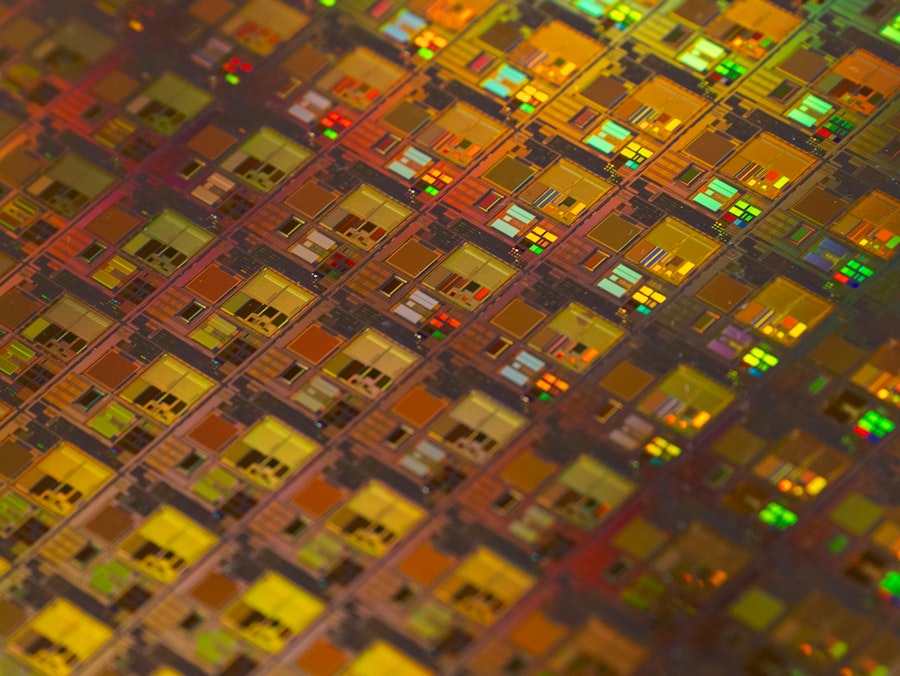
The decision to incorporate the A19 Pro chip suggests a deliberate move toward supporting intensive computing tasks. But this isn't just about speed. The inclusion of this processor enables the device to handle AI-driven workflows and demanding photo or video editing software with greater agility than previous generations, so it's a requirement for mobile productivity that ensures complex applications run without latency issues.

The hardware now shifts toward a more capable internal architecture. So it serves as a more reliable tool for professionals who need to manage demanding tasks while on the move, and this move signals a clear intention to keep the device relevant as software platforms increasingly rely on onboard processing power. But reliability in execution becomes a key factor for choosing hardware. It's a critical consideration for professional toolkits.
A broader shift in device positioning
This move fits a broader pattern in the IT landscape, where device boundaries are becoming increasingly fluid. Boundaries are blurring. As hardware becomes more efficient, the line between an entertainment-focused tablet and a professional work device continues to disappear, and the intended inclusion of the A19 Pro suggests that this hardware is designed to remain viable for several years, even as software requirements evolve. So it's a strategy of consolidation. Looking at the wider sector, portability no longer necessitates a compromise on compute capability.
Market implications and price points
From a competitive standpoint, the potential starting price of $699 represents a significant positioning shift. It's a big gamble. But this increase suggests the company's confidence has grown, and it now believes the hardware delivers enough value to justify a higher investment from institutional or individual professional buyers. The upcoming release, slated for as early as October 2026, will be a test of how much the market values compact, high-performance computing in a tablet form, and it's one they can't afford to lose.
Future roadmap for mobile hardware
Look ahead. The product roadmap clearly separates the high-performance segment from the entry-level market, ensuring that hardware evolves to meet professional requirements while the base model stays focused on broader accessibility and affordability. Don't expect cheap thrills. Apple is expected to bring intelligence features to the more affordable 12th-generation iPad by early 2027, and it'll feature an A18 or A19 processor with 8GB of RAM. So this clear split allows for a targeted approach to hardware deployment, making sure different tiers of the workforce get the right level of tech support. But the next phase of this evolution will likely depend on how those performance gains turn into measurable workflow improvements for the end user.
Frequently Asked Questions
What is the primary display technology change coming to the iPad mini?
The primary change involves the transition to an OLED panel. This provides functional benefits such as deeper blacks, higher contrast ratios, enhanced HDR performance, and improved battery efficiency.
Why is the A19 Pro chip significant for the iPad mini's professional capabilities?
The A19 Pro chip enables the iPad mini to handle AI-driven workflows and demanding photo or video editing software with greater agility than previous generations. This ensures complex applications run without latency issues, supporting intensive computing tasks.
How does the iPad mini's shift in positioning benefit enterprise users?
The shift moves the iPad mini away from being a simple consumption tool to aligning with enterprise workflow demands. It offers advantages like improved readability in varied lighting and longer operational cycles for mobile computing.
When is the upcoming iPad mini expected to be released, and at what starting price?
The upcoming release is slated for as early as October 2026. The potential starting price is $699, reflecting a significant positioning shift toward professional buyers.
Who is the target audience for the new iPad mini based on its hardware changes?
The target audience includes mobile professionals who require high-performance capabilities in a compact form factor. The hardware is positioned to address needs of institutional or individual professional buyers seeking reliable tools for demanding tasks.

Adrian Zeller writes about startups, funding and the markets that shape the technology industry. He looks for the story behind the numbers, tracking how young companies scale and where the next opportunities lie.
💬 Comments (0)
No comments yet. Be the first!