Why Parents Are Rejecting Trump Accounts Despite Financial Appeal
Despite potential financial benefits, some parents are rejecting federally backed Trump accounts for their children, citing concerns about the name.
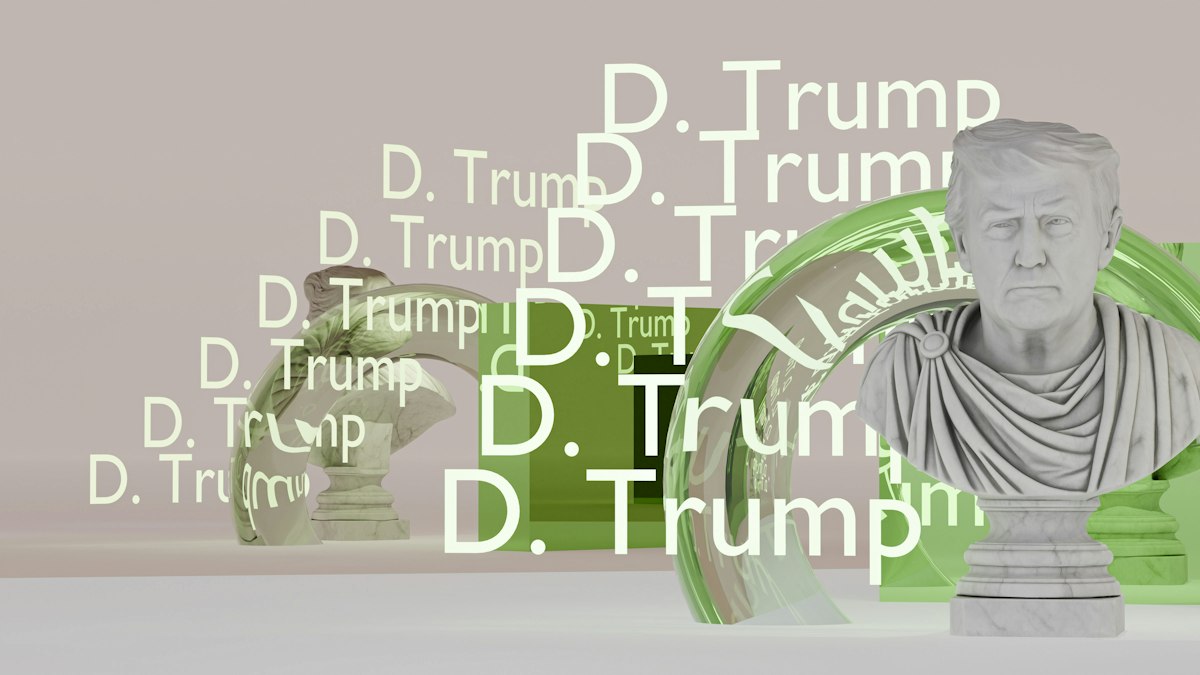
Trump accounts face rejection. This federal savings initiative is designed to provide a financial cushion for American children, offering a valuable $1,000 federal contribution and employer matching. But some parents don't want it. It's a compelling conflict between financial opportunity and deeply held personal values.
The Dilemma of Associating Personal Values with Financial Gain
Israel Anthem's decision: clear. He's a 38-year-old father from Nashville. "I'm not setting up one for my daughter," he stated unequivocally. His reluctance isn't about the program's financial mechanics, which he understands well, but rather its association, because he simply doesn't want to put his daughter’s name on something attached to Trump for the rest of her life, Anthem explained. Instead, he would rather commit $1,000 of his own money to an account. Forget the government option.
The White House has touted the program as a major economic achievement. Matthew Middleton, a White House spokesman, highlighted that nearly 70 million Trump accounts have been automatically created, and over $8 billion has already been deposited nationwide, according to a Treasury official. Yet, parents must actively claim these accounts to manage them and secure the $1,000 federal deposit for eligible children. Treasury data from July indicates that more than 6.5 million families have signed up, including over 1.5 million eligible children.
How the Savings Program Works
Established under the 2025 tax-and-spending law, Trump accounts function as individual retirement accounts specifically for children. They provide a one-time $1,000 federal contribution to eligible U.S. citizens born between 2025 and 2028 who possess valid Social Security numbers. Beyond the federal input, parents, relatives, and employers can contribute additional funds, typically up to a combined annual limit of $5,000 during the child's formative years.

These funds go into qualifying low-cost stock index funds. They're designed for savings growth. But returns aren't guaranteed. Withdrawals are generally restricted until the child reaches 18 years old, at which point traditional IRA rules, including potential taxes and early-withdrawal penalties, come into effect.
Employer Contributions Sweeten the Deal
Corporate involvement expands appeal. By August, over 50 companies had pledged contributions to Trump accounts for their employees' children. They're matching federal funds. And major financial institutions, including Bank of America, BlackRock, and Charles Schwab, are among those committing to match the $1,000 federal contribution, making the potential financial benefit even more substantial.
Psychological Barriers to "Free Money"
Anthem's skepticism persists. Despite the clear financial advantages presented by the initiative, he conveyed profound confusion about its true motivation, particularly considering Trump's seemingly benevolent intentions. "I understand the logistics of it," he said. "I understand the math." But he doesn't understand Trump's willingness to do something so supposedly generous.
It's about money. This reaction fits broader financial decision-making patterns. Scott Rick, a University of Michigan marketing professor specializing in financial decisions, confirms this. And his research on mental accounting suggests that labels and earmarks don't just influence how people perceive money; they significantly affect how it's actually used.
It's true: money gets tainted. And for many, the $1,000 Trump account contribution is the fruit of a poisonous tree, the kind of funds Rick observed we often avoid when they're psychologically tainted.
Decisions for children are complex. Parents frequently weigh the financial advantages they can offer against the values they wish to instill, creating a profound conflict that highlights the deeply personal nature of their choices. These internal questions are stark. "How could I possibly make my child an implicit Trump supporter?" one might ask. But then there's, "How could I possibly deprive my child of free money, especially in this economy?" It's genuinely asked by good parents, Rick noted.
Varied Responses from Families
But not all parents share Anthem's reservations. Many, despite holding comparable objections, simply can't afford to forgo the promised financial benefit, feeling their family's immediate needs outweigh political considerations. Others differ. They're able to separate political sentiments from their child's financial well-being more easily. "Some people are just more capable of ‘separating the art from the artist,’ so to speak," Rick commented, acknowledging the clear rationality in accepting a financial windfall that could significantly impact a child's future.
Online forums show it. It’s a diverse perspective. On Reddit’s NewParents subreddit, one user stated, "Free money is free money," even suggesting that Trump-supporting relatives could contribute to the accounts. But this commenter planned to direct their own savings into a state 529 college savings account instead. Another Reddit user, nearing 40 and still managing college loan debt, planned to open an account for their son, emphasizing viewing it "as a benefit for my child rather than anything political.
- Parents are weighing financial benefits against political associations.
- The program has accumulated over $8 billion nationwide through automatic enrollment.
- Over 6.5 million families have signed up for the accounts as of July.
- More than 1.5 million children are eligible for the $1,000 federal contribution.
- Over 50 companies, including Bank of America, BlackRock, and Charles Schwab, have committed to contributing.
- Eligible children are born between 2025 and 2028 with valid Social Security numbers.
- Annual contributions to these accounts are generally capped at $5,000 during childhood.
A Precedent for Childhood Savings
The concept of government-funded savings for children predates the current program. In 2018, Democratic Senator Cory Booker of New Jersey proposed "American Opportunity Accounts," often referred to as "baby bonds," which would provide every American newborn with a $1,000 account and additional annual government deposits based on family income. These proposals aimed to reduce wealth inequality. Booker has since supported Trump accounts, co-signing a letter with Republican Senator Ted Cruz urging Fortune 1000 CEOs to contribute and stressing that the accounts "ensure that every American child is an immediate shareholder in America's largest companies.""
Israel Anthem is resolute. He won't accept the benefit. Despite bipartisan backing and the potential for substantial financial gain, he insists his family "will find money other ways" rather than accept aid. Parenthood brings financial pressures, but he rejects any benefit linked to a political figure he opposes. And this situation highlights a profound tension in modern society, where economic opportunity inevitably becomes entangled with personal identity and deep political conviction.
Frequently Asked Questions
What are Trump accounts and what is their purpose?
Trump accounts are a federal savings initiative established under the 2025 tax-and-spending law, functioning as individual retirement accounts specifically for American children. They are designed to provide a financial cushion, offering a one-time $1,000 federal contribution and employer matching. The funds are intended for savings growth, typically invested in qualifying low-cost stock index funds.
Why are some parents choosing to reject Trump accounts despite their financial advantages?
Some parents are rejecting Trump accounts due to a deep conflict between financial opportunity and deeply held personal values. They express reluctance to associate their child's name with Trump for the rest of their life, viewing the funds as psychologically 'tainted' or 'the fruit of a poisonous tree.' This leads them to prioritize their values over the potential financial benefit, even committing their own money instead.
Who is eligible for a Trump account, and how can parents claim the federal contribution?
Eligible children for Trump accounts are U.S. citizens born between 2025 and 2028 who possess valid Social Security numbers. While nearly 70 million accounts have been automatically created, parents must actively claim these accounts to manage them and secure the $1,000 federal deposit for their eligible children. Parents, relatives, and employers can contribute additional funds, typically up to a combined annual limit of $5,000.
What are the key financial benefits and contributions associated with Trump accounts?
The primary financial benefits include a one-time $1,000 federal contribution to eligible children. Beyond this, employer contributions sweeten the deal, with over 50 companies, including major financial institutions like Bank of America, BlackRock, and Charles Schwab, pledging to match the federal funds. These contributions are invested in low-cost stock index funds, designed for savings growth over time.
What is the current scale of the Trump accounts program in terms of deposits and family participation?
The Trump accounts program has seen significant accumulation, with over $8 billion already deposited nationwide. As of July, more than 6.5 million families have signed up to manage these accounts, including over 1.5 million eligible children. Nearly 70 million Trump accounts have been automatically created, highlighting the program's broad reach.
Adrian Zeller writes about startups, funding and the markets that shape the technology industry. He looks for the story behind the numbers, tracking how young companies scale and where the next opportunities lie.
💬 Comments (0)
No comments yet. Be the first!