Microsoft Secure Boot Flaws Raise Reliability Fears
A decade-long failure to revoke defective firmware shims has left Windows and Linux devices exposed to bootkit threats.
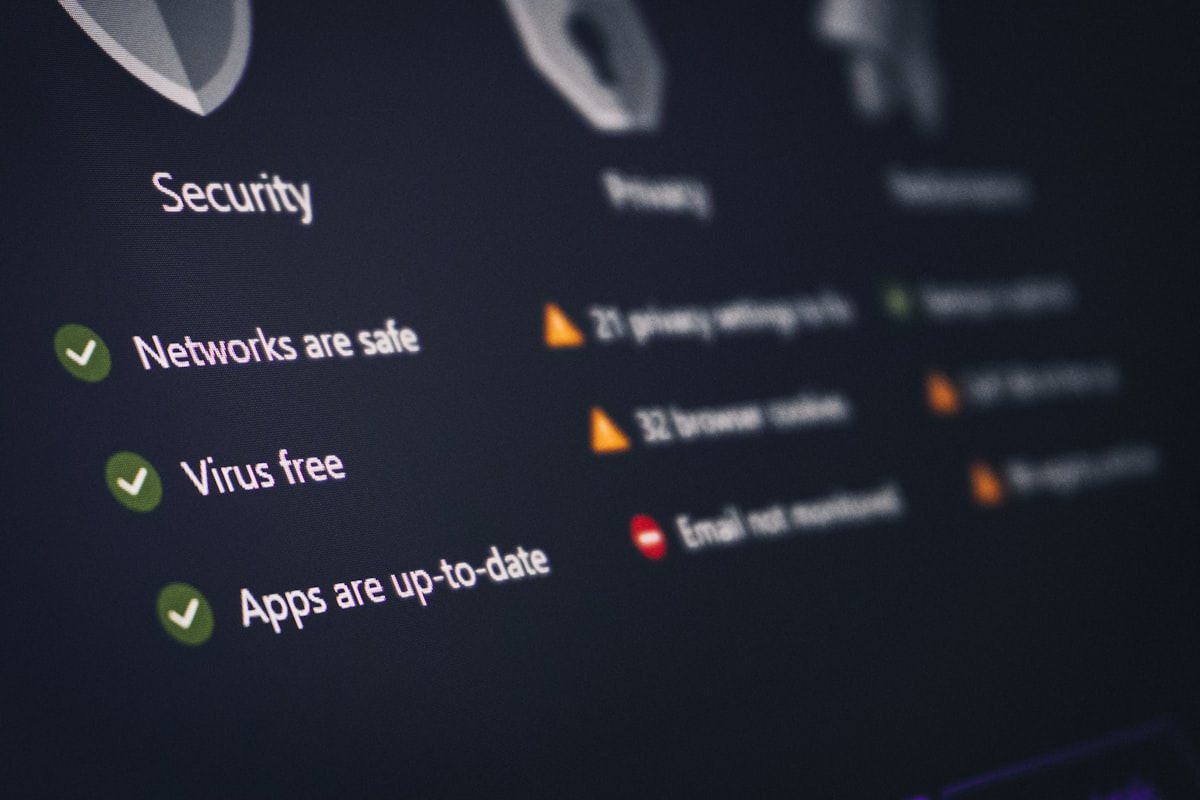
Microsoft Secure Boot vulnerabilities expose systemic trust failures
Microsoft Secure Boot has failed for over a decade. It's a shocking failure. Attackers can bypass this critical security layer using simple techniques that should never have worked in the first place, leaving countless devices exposed to firmware-level attacks. But 11 defective firmware images, called shims, turned a protection system into an open door. These signed binaries were never revoked, so legacy vulnerabilities persist in modern infrastructure, and we can't trust centralized digital signing anymore.
The anatomy of a decade long oversight
It boils down to digital trust. But Microsoft controls the signing of UEFI shims, which serve as secondary trust anchors for non-Windows code and that puts the company in a powerful position. When a vulnerability hits such a component, the protocol demands an immediate signature revocation. Yet several shims remained signed and trusted for over a decade. That's a clear gap. So this pattern reveals how firmware security's complexity can outstrip a vendor's ability to manage signed binary lifecycles.
Complexity creates significant security debt
Industry watchers know the burden is immense. Maintaining UEFI security requires navigating databases of authorized certificates and hashes while managing revoked components in a space limited to just 32kb, so the industry has turned to methods like Secure Boot Advanced Targeting and version-based revocation. But older, unrevoked shims gave attackers a simple path to load malicious firmware early. Across the wider sector, reliance on these legacy components creates security debt that's hard to audit and even harder to purge.
Expert analysis of the trust model
The current architecture faces sharp criticism. But by positioning itself as the primary root of trust for the UEFI platform, the company has created an environment where a single point of failure can have industry-wide consequences. It's a fragile arrangement. The following perspective from a security expert highlights this vulnerability.
What makes these old shims dangerous is not a novel vulnerability. It is that no new vulnerability is needed to bypass UEFI Secure Boot. An attacker needs no complicated exploitation primitives, only a copy of an old, still-trusted, but unrevoked shim binary and a basic understanding of how UEFI shims work.
But it's a grim irony. When the mechanisms designed to prevent bootkits become the very tools that facilitate them, the fundamental promise of secure firmware is completely undermined. So the entire ecosystem may require a thorough re-evaluation.
Threats to the broader hardware ecosystem
The risk profile associated with these defective shims is not limited to a single operating system. The scope of the issue encompasses various environments and third-party software, including:
- Linux distributions such as Redhat, OpenSuse, and Oracle.
- Third-party utility software including tools from PC-Doctor Finland.
- Devices that rely on Microsoft-signed firmware to authenticate secondary bootloaders.
These shims authorize subsequent software. A compromised one grants an attacker the ability to load nearly anything during the boot process, and that persistence survives operating system reinstalls and hard drive replacements, so it effectively locks the threat into the hardware itself. But the reliance on a single signing authority places an enormous burden on that authority to maintain flawless operational standards.
The path toward structural remediation
The company finally moved to revoke these specific shims during its regular patch release in June. But this incident raises difficult questions. How many other signed components might still be circulating with hidden vulnerabilities that nobody has found yet? It's a daunting reality. So the shift toward version-based revocation and better metadata management is a direct response to the inherent difficulty of tracking individual malicious hashes across vast systems. Moving forward, the industry must determine whether the current model of centralized signing can scale without producing similar long-term failures that could undermine trust. The ultimate test is simple. Can future firmware updates effectively enforce these new policies without creating new, equally complex security gaps?
Frequently Asked Questions
What is the fundamental flaw in the Microsoft Secure Boot system described in the article?
The flaw is that 11 defective firmware images called shims, which were signed by Microsoft, were never revoked, allowing attackers to bypass Secure Boot. These signed binaries remained trusted for over a decade, turning a protection system into an open door for firmware-level attacks.
Why did the defective shims remain active for so long without revocation?
The article states that managing UEFI security requires navigating databases of authorized certificates and hashes in a limited 32kb space, leading to complexity. This pattern reveals that firmware security's complexity can outstrip a vendor's ability to manage signed binary lifecycles, resulting in a clear gap in revocation.
How can an attacker exploit these old shims to bypass Secure Boot?
An attacker needs no novel vulnerability or complicated exploitation primitives, only a copy of an old, still-trusted, but unrevoked shim binary and a basic understanding of how UEFI shims work. This allows them to load malicious firmware early in the boot process.
When did Microsoft finally move to revoke the defective shims?
The company finally moved to revoke these specific shims during its regular patch release in June. This incident raised questions about how many other signed components might still be circulating with hidden vulnerabilities.
Which entities are affected by the risk associated with these defective shims?
The scope includes Linux distributions such as Redhat, OpenSuse, and Oracle, third-party utility software like tools from PC-Doctor Finland, and devices that rely on Microsoft-signed firmware to authenticate secondary bootloaders. The threat is not limited to a single operating system.

Adrian Zeller writes about startups, funding and the markets that shape the technology industry. He looks for the story behind the numbers, tracking how young companies scale and where the next opportunities lie.
💬 Comments (0)
No comments yet. Be the first!