KPMG and OpenAI Partner on Headless Software
KPMG has been named an OpenAI Elite Partner, focusing on a new headless software model for enterprise AI deployment.
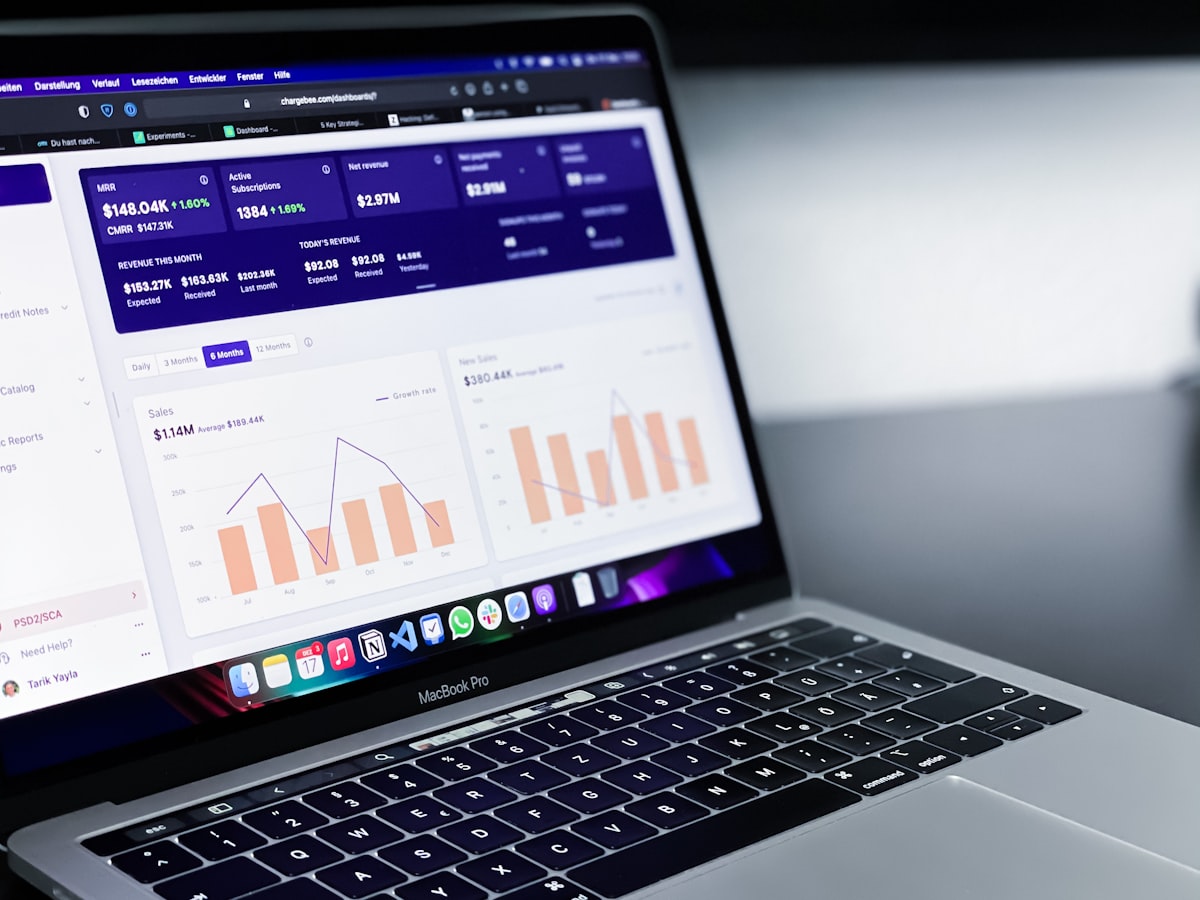
Headless software is the new engine for corporate workflow
KPMG and OpenAI have formalized a deep partnership. It’s a big move to change how large businesses handle their daily digital operations. This alliance follows a project where the consulting firm built an internal supply chain platform for the technology lab, and now the two organizations are taking that model to the broader market with KPMG earning the status of an OpenAI Elite Partner. But they’re not stopping there.
Most corporate workers currently live inside windows and menus. But they log into applications, click through modules, and manage data entry manually, which is a rigid, repetitive process that hasn't changed much even as technology has advanced. This approach is becoming outdated.
The rise of invisible systems
Chad Seiler, the U.S. industry leader for technology, media and telecommunications at KPMG, argues that we are moving toward a future where software lacks a traditional user interface. Instead of navigating screens, employees will describe their goals to intelligent agents. These agents handle the coordination behind the scenes, pulling data from various systems to complete tasks.
The vision is simple. Hide the complex enterprise databases and applications from the user so they won't waste time learning complicated software geography. Workers can focus instead on achieving specific outcomes, using voice commands that replace typing and letting staff hold natural conversations with their business tools. That's the ultimate goal.
Understanding the decision sandwich
Think of business as a three-layered stack. Decisions sit at the top, execution in the middle, and delivery at the bottom. But the theory claims agentic technology compresses that middle layer, so the top and bottom layers suddenly take center stage, and it's a dramatic shift in how we think about business structures. It's a huge change.

The worker spends less time learning the geography of the software and more time focusing on the outcomes they are trying to achieve, said Chad Seiler.
This shift introduces challenges far beyond simple technical upgrades. So the execution layer gets more efficient, but it creates fresh verification burdens we can't ignore. Don't look away. Human judgment and accountability aren't disappearing, and in fact, these elements may become even more critical as projects grow increasingly complex and difficult to manage.
Managing the new risks
Organizations must remain cautious during this transition. But implementing agentic technology isn't just about a software update, and it requires a series of deliberate business decisions that can't be rushed or taken lightly. So stay careful.
- KPMG maintains partnerships with other frontier labs like Anthropic to avoid relying on a single provider.
- The firm uses its deep institutional knowledge of client cultures and silos to assist in adoption.
- Some companies are exploring open-source models as a hedge against costs and to improve resilience.
- Governance and cybersecurity remain top priorities for implementations in highly regulated industries.
The trap of digital dependence
But not every expert thinks this shift is safe. Arvind Narayanan, a Princeton researcher, warns about the risk of extreme lock-in when an AI agent becomes the primary repository for a company's tacit knowledge. It's a coworker you can't fire.
Losing such a system could mean that teams lose their core workflows and institutional know-how. So choose carefully. This partnership between these two firms emphasizes a long-term approach rather than a sudden, wholesale reinvention of existing processes, and it's clear that the most effective organizations will decide where to innovate and where they can stick with proven, traditional methods.
A change in labor
The transition toward headless software is changing how people talk about their work. That's it. Because the technology now handles the execution, employees spend far more time coordinating with colleagues and verifying that results are correct, so this is a fundamental shift in how corporations view their entire digital infrastructure. The era of clicking through rigid menus is fading. And in its place, a new, conversation-driven model is beginning to take root.
Frequently Asked Questions
What is 'headless software' according to the article?
Headless software lacks a traditional user interface, allowing employees to describe their goals to intelligent agents that handle coordination behind the scenes. Instead of navigating screens, users interact through voice commands and natural conversations.
Why did KPMG and OpenAI formalize a partnership?
The partnership follows a project where KPMG built an internal supply chain platform for OpenAI's technology lab. They are now taking that model to the broader market, with KPMG earning the status of an OpenAI Elite Partner.
How does the 'decision sandwich' concept describe business structure changes?
The business is a three-layered stack: decisions at top, execution in middle, delivery at bottom. Agentic technology compresses the execution layer, making the top and bottom layers more central, which is a dramatic shift in business structures.
What risk does Princeton researcher Arvind Narayanan warn about?
He warns about the risk of extreme lock-in when an AI agent becomes the primary repository for a company's tacit knowledge. Losing such a system could mean teams lose their core workflows and institutional know-how.
How does headless software change the nature of employee work?
Employees spend far less time learning software geography and more time on outcomes, focusing on coordinating with colleagues and verifying results. This is a fundamental shift from rigid menus to a conversation-driven model.

Adrian Zeller writes about startups, funding and the markets that shape the technology industry. He looks for the story behind the numbers, tracking how young companies scale and where the next opportunities lie.
💬 Comments (0)
No comments yet. Be the first!