NextBSD Project Returns to FreeBSD
NextBSD has been revived under developer Joe Maloney, aiming to integrate Apple Darwin components into the FreeBSD kernel.

NextBSD returns to blend Apple technology with FreeBSD
NextBSD is making a comeback. Fresh leadership is reviving the ambitious project of integrating Darwin components into a FreeBSD environment, an effort that emerged in the mid-2010s to combine the FreeBSD kernel with the userland architecture found in Apple operating systems. Joe Maloney, known on GitHub as pkgdemon, has stepped in to guide this redux project.
FreeBSD co-founder Jordan Hubbard set the original vision in 2015. It focused on importing specific parts of the Darwin OS. Apple builds its various platforms on a common core derived from NeXTstep, so the company maintains a collection of open-source components that power devices across its product lineup. These include the XNU kernel, the launchd init system, and IOkit for driver management. So it's a solid foundation.
The challenge of mixing kernels
Building an operating system by cherry-picking components from different projects is no small feat. It's hard. History shows that earlier attempts to build a functional system based on Darwin have faced major hurdles, and projects like OpenDarwin, PureDarwin, and others have struggled to maintain momentum over the years. So they've often stalled.
Maloney is taking a different approach this time. He's not just forking that decade-old code,instead, he's building a new project that accounts for the modern states of both FreeBSD and Darwin while combining existing elements from various open-source projects into a cohesive, functional whole. He calls the process a puzzle. And he's documented the development at length, detailing how he bridged gaps between FreeBSD kernel module loading mechanisms and Darwin solutions.
Integration of modern components
It's already in active development across several repositories. But current efforts focus on establishing a stable foundation before tackling a graphical interface, and part of this work involves integrating libraries from other BSD-based projects like those maintained by ravynOS. We're building slowly.
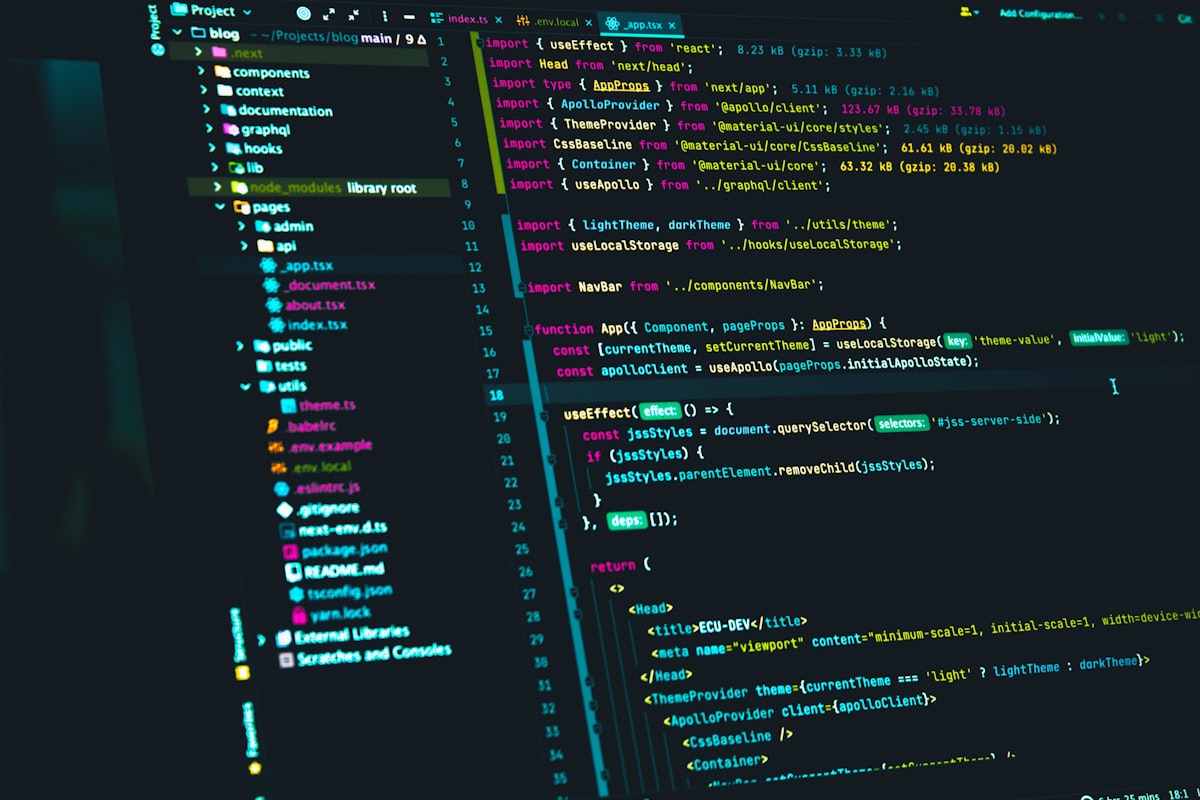
Current progress includes the following developments:
- Creation of separate repositories for the kernel and various tooling modules.
- Use of libxpc libraries.
- Ongoing work to adapt the Gershwin desktop environment for use on the platform.
The role of automated assistance
A notable aspect of this reboot involves artificial intelligence. Maloney has been using Claude Code throughout the entire development cycle to assist with complex research tasks and code generation, and he acknowledges this approach may not appeal to everyone in the open-source community, especially regarding the trust placed in generated code. But he maintains the tool acts as a force multiplier for his work. It's a practical choice.
From my perspective, AI is a force multiplier here. It is my team of developers, but I am steering the entire thing. I can understand that won't be for everyone. If others happen to contribute later, awesome. I selfishly just enjoy doing it, and want it to exist for myself.
Looking toward the future
The project is in an experimental phase. But the developer's goal remains clear: create a working operating system that can run on standard PC hardware by combining the solid FreeBSD kernel with the familiar userland elements of the Apple ecosystem. It's a focused effort. He hopes this platform serves his own needs and invites further interest from the community.
It's still unknown if this version of the system can overcome the obstacles that stopped previous attempts. But the work continues. They're actively testing with a clear focus on modularity. For now, the focus is on refining the core mechanics and ensuring that every piece of the puzzle fits together correctly before moving toward a full desktop experience.
Frequently Asked Questions
What is the NextBSD project, and what is its primary goal?
NextBSD is a project that aims to blend Apple technology with FreeBSD by integrating Darwin components into a FreeBSD environment. Its primary goal is to create a working operating system that combines the FreeBSD kernel with the userland architecture found in Apple operating systems.
Who is leading the revival of the NextBSD project, and what was his role in the original project?
Joe Maloney, known on GitHub as pkgdemon, has stepped in to guide the redux project. The original vision was set by FreeBSD co-founder Jordan Hubbard in 2015, but Maloney is now leading the new effort with a different approach.
Why have previous attempts to build a functional system based on Darwin faced challenges?
History shows that earlier attempts, such as OpenDarwin and PureDarwin, struggled to maintain momentum over the years, often stalling. Mixing kernels by cherry-picking components from different projects is difficult, and these projects faced major hurdles in building a functional system.
How is Joe Maloney's approach to rebuilding NextBSD different from earlier projects?
Maloney is not just forking the decade-old code; instead, he is building a new project that accounts for the modern states of both FreeBSD and Darwin. He combines existing elements from various open-source projects into a cohesive whole, describing the process as solving a puzzle.
What role does artificial intelligence play in the development of the NextBSD project?
Maloney has been using Claude Code throughout the entire development cycle to assist with complex research tasks and code generation. He views AI as a force multiplier for his work, acting like a team of developers, though he acknowledges this approach may not appeal to everyone in the open-source community.
Adrian Zeller writes about startups, funding and the markets that shape the technology industry. He looks for the story behind the numbers, tracking how young companies scale and where the next opportunities lie.
💬 Comments (0)
No comments yet. Be the first!